Overview
1. Overview
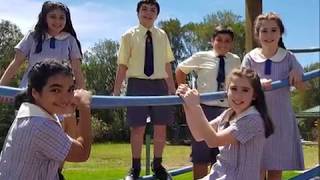
Alexander Primary School is a NSW public primary school serving families in Duffy's Forest. The school emphasises a nurturing, inclusive learning environment with a strong focus on literacy, numeracy, and student wellbeing, supported by a collaborative culture among staff, students, and families.
- School type: Public
- School size: Small to medium
- Class size: Typically around 20–25 students per class
- Atmosphere/culture: Nurturing, inclusive, community-focused
2. Academics & Learning
- Academic strengths: Strong literacy and numeracy programs with active emphasis on English and mathematics; growing emphasis on STEM, digital literacy, and leadership development; languages may be offered at certain year levels.
- Special programs: EAL/D support; opportunities for extension/ gifted and talented work where available; targeted reading interventions; robotics and coding activities integrated into the curriculum.
- NAPLAN trends: Public data and parent communications suggest stable performance with positive trajectories in reading and numeracy over recent years.
- Student-teacher ratios: Typically around 1:20–1:25, allowing for some individual attention within a collaborative classroom setting.
- Support for diverse learners: EAL/D support; inclusive education for students with diverse learning needs; teacher aides and learning support staff as needed.
3. Sports & Extracurricular Strengths
- Sports offered: A range of team and individual sports, including soccer, netball, cricket, athletics, and swimming; PE-based activities support year-round participation.
- Strong teams or achievements: Participation in regional inter-school competitive events; emphasis on teamwork, resilience, and fair play.
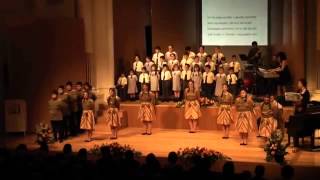
- Music, arts, drama programs: Active music program, opportunities for choir and performance; annual or regular theatre/drama experiences and arts showcases.
- Clubs: Robotics, chess, coding, and debating clubs; opportunities for student-led clubs and competitions.
- Partnerships: Collaboration with local community clubs and regional competitions; potential connections with NSW School Sport programs and community arts groups.
4. Wellbeing & Pastoral Care
- Anti-bullying approach: Whole-school anti-bullying policy, digital citizenship education, buddy systems, and restorative practices.
- House system: House-based activities and competitions to foster belonging, leadership, and school spirit.
- Counsellors / wellbeing officers: Access to school wellbeing staff or guidance personnel; wellbeing programs embedded in the school day.
- Transition support for new students: Orientation sessions, buddy programs, and transition visits to ease entry for new students.
5. Facilities
- Sports grounds: On-site sports ovals or fields for PE and sports.
- Libraries: On-site library supporting reading programs and research skills.
- Science labs: Dedicated spaces or science resources for practical investigations.
- Music/performing arts centers: Music room and spaces for drama and performance.
- Tech/innovation labs: Computing facilities and maker/tech spaces to support digital literacy and project work.
- Cafeteria: Canteen or school cafe offering healthy options; snack program options.
- Updated playgrounds: Modern outdoor play areas and learning playgrounds integrated with outdoor education.
6. School Values & Community Culture
- School values / mission: Focus on respect, responsibility, inclusion, and a love of learning; emphasis on student voice and contribution to school life.
- Leadership style: Collaborative leadership across staff; opportunities for student leadership through councils or roles; supportive teaching teams.
- Behaviour expectations: Clear positive behaviour framework with restorative approaches; consistent routines and recognitions for positive conduct.
- Community reputation: Active involvement from families and a welcoming school community; positive relationships with local groups.
- Diversity & inclusion: Inclusive environment that respects and supports students from diverse backgrounds; programs to promote belonging and equity.
7. School Logistics & Daily Operations
- School hours: Generally around 9:00 am to 3:15 pm (hours may vary slightly by year level and term).
- Before/after school care: Before and after school care options available (OSHC) or nearby facilities; some schools coordinate with community providers.
- Uniform requirements: Official school uniform policy (typical navy/green tones); hats for sun protection; appropriate footwear; uniforms required on most days.
- Transport (train/bus routes): Access to local bus services and walking/cycling options; proximity to public transport may vary; information available via the school or local transport authorities.
- Canteen availability: Canteen or snack options on certain days; healthy meal and drink options; volunteering opportunities for canteen helpers.
- Fees (low/medium/high ranges): As a public school, tuition is not charged; there are voluntary contributions and modest costs for certain activities or camps; fees are generally low to medium and communicated transparently.
8. Enrolment & Admissions
11. What is the enrolment process and timeline?
- Applications are typically submitted through NSW Department of Education processes or via the school’s admin team; timelines depend on annual enrolment periods and space availability; families are advised to contact the school early to confirm current steps and required documentation (proof of residency, immunisation records, birth certificate, etc.).
12. Is there a waiting list, and how does it work?
- Waiting lists can occur at certain year levels depending on capacity; availability is influenced by enrolment numbers and year-level demand; the school communicates current status and potential wait times.
13. Are there any entry requirements, tests, or interviews?
- Generally, NSW public primary schools do not require entrance tests; enrolment is based on eligibility and documentation. Some schools may hold information sessions or meetings to discuss support needs or programs, but formal testing is uncommon for primary entry.
14. Does the school accept mid-year transfers?
- Yes, subject to space and transfer regulations; families seeking mid-year placement should contact the school promptly to review availability and complete the transfer process.
9. Frequently Asked Questions
- Why Parents Choose This School?
- A combination of strong literacy and numeracy programs, inclusive environment, supportive wellbeing services, and active family involvement; a focus on developing both academic and social-emotional skills.
- What type of student thrives at this school?
- Students who are curious, collaborative, respectful, and engaged in both academics and community life; families who value a supportive, well-rounded school community.
- What opportunities are available for students to extend their skills (academics, sports, arts)?
- Extension activities in literacy and numeracy; STEM and coding opportunities; robust sports programs; music and performing arts; clubs such as robotics, chess, and debating.
- How does the school communicate with parents?
- Regular updates via newsletters, emails, parent-teacher meetings, school apps or portals, and open channels for dialogue with teachers and leadership.
- What is the school's approach to teaching and learning?
- Student-centered learning with a focus on core literacy and numeracy, access to diverse programs, inclusive practices, and evidence-based teaching strategies.
- How does the school support students who need extra academic help?
- Targeted interventions, EAL/D support, learning support staff, and differentiated instruction within the regular classroom; referral pathways to additional services as needed.
- What support is available for academic challenges?
- In-class differentiation, small-group or one-on-one assistance, reading and math recovery programs, and coordination with specialist staff or external services when required.
- How does the school communicate with parents? (repeated)
- See above; multiple channels for ongoing, transparent communication.
- What are the class sizes and how much individual attention do students receive?
- Class sizes typically around 20–25 students; teachers aim to provide attentive feedback and targeted support within the classroom, with additional support as needed.
- What extracurricular and sports opportunities are available?
- A broad range of sports and team activities; robotics, chess, coding, debating, music, and drama clubs; community partnerships and inter-school events.
- What facilities does the school offer (sports, science, arts)?
- Sports grounds, library, science labs, music/performing arts spaces, tech/innovation labs, canteen, and updated outdoor play areas.
- What is the school's approach to technology and digital learning?
- Emphasis on digital literacy, access to computing resources, and safe, responsible use of technology as part of the learning process.
- What transport and accessibility options are available?
- Bus routes and local transport options; walking/cycling opportunities where feasible; the school can provide guidance on accessibility and travel planning.
- What are the typical school fees or additional costs?
- Public schooling generally does not charge tuition; there are voluntary contributions and some activity-specific costs; families are advised to check the exact current charges with the school.
10. Short Pros & Cons list
- Pros
- Nurturing, inclusive environment with strong wellbeing supports
- Solid focus on literacy and numeracy with opportunities in STEM and digital learning
- Wide range of extracurriculars (sports, music, clubs)
- Active parent involvement and community partnerships
- Transparent communication and clear behavioural expectations
- Cons
- As a smaller public school, course options may be more limited than larger schools
- Space constraints can affect availability of some programs during peak times
- Mid-year transfers depend on available spaces in the relevant year level
- Some specialist facilities or resources may be shared or limited compared with larger campuses
If you’d like, I can tailor the language further to match a specific tone (more concise for quick-read pages, or more detailed for a deeper guide) or adjust any details to better reflect the latest information you have about Alexander Primary School.