## 1. Overview
Bonython Primary School is a public, co-educational primary school in the ACT. The school serves families within its local community and beyond, offering a welcoming, inclusive environment where children can develop confidence, curiosity and strong foundations in literacy and numeracy. It’s a medium-sized school that emphasises a supportive, collaborative culture and close relationships among students, staff and families. Classrooms focus on differentiation to meet diverse learning needs and to help all students progress.
- School type: Public
- School size: Medium
- Class size: Approximately 20–25 students per class
- Atmosphere/culture: Nurturing, inclusive, community-focused
---
## 2. Academics & Learning
Bonython Primary aims to build strong academic foundations across English, mathematics, science and the broader curriculum, with an emphasis on inquiry-based learning and real-world applied skills.
- Academic strengths: English literacy, numeracy and STEM-focused inquiry; development of critical thinking and problem-solving.
- Special programs: Gifted and Talented Education opportunities within the ACT system; targeted supports for diverse learners.
- NAPLAN / trends: Historically, steady performance with positive trends in reading and numeracy over time; ongoing focus on improving literacy and numeracy outcomes.
- Student-teacher ratios: About 1:20–1:25 in core classes, with teacher aides in some classes to support learning.
- Support for diverse learners: EAL/allophone support, speech and language assistance, and SEN planning to meet individual learning needs; inclusive education practices.
---
## 3. Sports & Extracurricular Strengths
The school supports a broad range of extra-curricular activities and sport to engage students beyond the classroom.
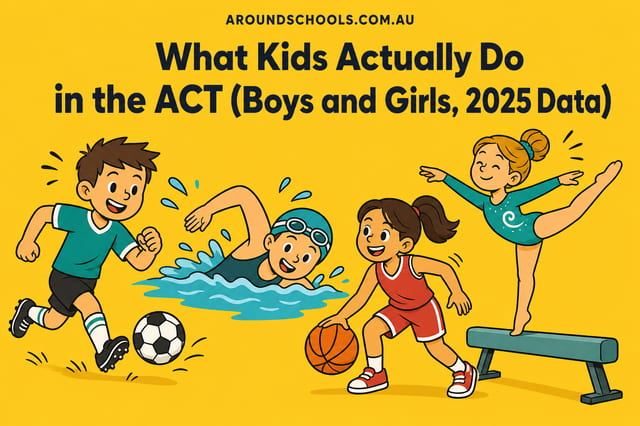
- Sports offered: Soccer, basketball, netball, cricket, athletics and general outdoor activities; participation in inter-school sport where available.
- Strong teams or achievements: Active participation in school sport programs and local competitions; focus on teamwork, discipline and sportmanship.
- Music, arts, drama programs: Core arts options with opportunities to participate in school productions, choirs or music ensembles.
- Clubs: Robotics, coding, chess, debating and other inquiry-based clubs are provided or supported through extracurricular offerings.
- Partnerships: Collaborations with local community clubs and competitions to extend learning beyond the classroom.
---
## 4. Wellbeing & Pastoral Care
Wellbeing is a high priority, with systems in place to support students’ social and emotional development.
- Anti-bullying approach: Clear policies, restorative practices and a positive behaviour framework to promote respectful relationships.
- House system: House groups foster belonging, healthy competition and team spirit.
- Counsellors / wellbeing officers: Access to school-based wellbeing staff to support students and families.
- Transition support for new students: Structured orientation, buddy programs and transition activities to help newcomers settle in smoothly.
---
## 5. Facilities
Facilities are designed to support a modern, engaging learning environment.
- Sports grounds: Outdoor playing fields and play spaces.
- Libraries: Well-equipped library for reading, research and quiet study.
- Science labs: Dedicated spaces for practical science experiments.
- Music/performing arts centers: Areas for music, drama and rehearsals.
- Tech/innovation labs: Digital learning spaces and makerspaces for hands-on projects.
- Cafeteria: On-site canteen or lunch facilities supporting healthy choices.
- Updated playgrounds: Safe, age-appropriate play areas and equipment.
---
## 6. School Values & Community Culture
Bonython Primary aims to foster well-rounded, respectful students within a supportive community.
- School values / mission: Respect, responsibility, resilience, inclusion and collaboration underpin everyday learning.
- Leadership style: Collaborative leadership that involves teachers, students and families in school life.
- Behaviour expectations: Clear guidelines based on respect, safety and accountability; consistent, fair enforcement.
- Community reputation: Known for a friendly, welcoming culture and a partnership approach with families.
- Diversity & inclusion: Commitment to an inclusive environment that values students from diverse backgrounds.
---
## 7. School Logistics & Daily Operations
Practical information to help families plan around school routines.
- School hours: Typical day runs from morning to afternoon; precise start/end times communicated each year.
- Before/after school care: OSHC or school-approved after-school arrangements available to support working families.
- Uniform requirements: School uniform policy in place; details provided by the administration.
- Transport (train/bus routes): Public transport options and local bus routes commonly used; school liaison to help with transport planning.
- Canteen availability: Canteen or lunch program available to students.
- Fees (low/medium/high ranges): As a public school, there are no tuition fees; minimal costs may apply for excursions, activities or voluntary contributions.
---
## 8. Enrolment & Admissions
11. What is the enrolment process and timeline?
- Start by checking catchment areas and confirming eligibility through ACT Education Directorate requirements.
- Submit the formal enrolment application with required documents (proof of residence, student information, immunisation records, birth certificate or passport).
- Reception of enrolment is coordinated with the school; notification timelines vary with intake periods (term-based admissions are common).
- Plan ahead for start dates and any orientation activities; school staff can provide a timeline based on your situation.
12. Is there a waiting list, and how does it work?
- Waiting lists can occur if a cohort is full or if demand exceeds places. Priority is typically given to students within the catchment area, siblings of current students, and then other applicants based on space availability.
13. Are there any entry requirements, tests, or interviews?
- For most year levels, there are no entrance exams or interviews. The focus is on enrolment paperwork and meeting eligibility requirements (including immunisation). Some assessments or information gathering may occur if enrolling a student with additional learning needs.
14. Does the school accept mid-year transfers?
- Mid-year transfers are possible if there is space in the relevant year level. Prospective families should contact the school early to discuss availability and required documentation.
---
## 9. Frequently Asked Questions
- Why Parents Choose This School?
- A public, community-focused environment with strong literacy and numeracy foundations, supportive staff and inclusive culture.
- What type of student thrives at this school?
- Curious, collaborative students who respond well to a nurturing environment, with a willingness to engage in both academics and co-curricular activities.
- What opportunities are available for students to extend their skills (academics, sports, arts)?
- Access to literacy and numeracy enrichment, STEM/inquiry projects, debating, robotics/coding clubs, sports programs, music and drama activities.
- How does the school communicate with parents?
- Regular newsletters, emails, parent-teacher interviews, school app or portal, and updates via the front office and staff.
- What is the school’s approach to teaching and learning?
- Differentiated, student-centred learning with a focus on literacy, numeracy, inquiry-based learning and the development of transferable skills.
- How does the school support students who need extra academic help?
- Targeted literacy and numeracy supports, SEN planning, EAL support and access to classroom aides where needed.
- What support is available for academic challenges?
- Additional tutoring or in-class differentiation, access to wellbeing staff and collaboration with families to create appropriate learning plans.
- How does the school communicate with parents?
- See above: newsletters, phone, emails, meetings and digital platforms used for updates.
- What are the class sizes and how much individual attention do students receive?
- Typical class sizes around 20–25 students; occasional teacher aide support in some classes to boost individual attention.
- What extracurricular and sports opportunities are available?
- A range of sports, music and arts activities; clubs such as robotics, coding, chess and debates.
- What facilities does the school offer (sports, science, arts)?
- Sports grounds, library, science labs, performing arts spaces, tech/innovation labs and a canteen.
- What is the school’s approach to technology and digital learning?
- Integrated digital learning with devices and interactive resources; emphasis on digital citizenship and safe online practices.
- What transport and accessibility options are available?
- Local bus routes and public transport options; assistance with transport planning as needed.
- What are the typical school fees or additional costs?
- No tuition fees for a public school; some costs may apply for excursions, activities or voluntary contributions.
---
## 10. Short Pros & Cons list
- Pros
- Public, inclusive environment with strong community engagement
- Moderate class sizes and supportive learning supports
- Broad range of academic and extra-curricular opportunities
- Focus on wellbeing and positive student culture
- Modern facilities to support learning across subjects
- Cons
- As a public school, space can be limited during peak enrolment periods
- Waiting lists can occur if demand exceeds places
- Some programs or clubs may run on a term-by-term basis depending on staffing and enrolments
- Transportation options depend on local routes and availability
- Fees for excursions and optional activities may apply