# Overview
Brigidine College, St Ives is a Catholic independent day school for girls that blends strong academic programs with a values‑driven culture. The college emphasises faith, service and community, while supporting students to develop confidence, resilience and leadership. With a medium‑sized student body and a focus on personal growth, the school fosters a nurturing yet academically rigorous environment.
The atmosphere is inclusive and supportive, with an emphasis on balance between learning, wellbeing and extracurricular achievement. Class sizes and student support are designed to help each girl engage deeply with her education while forming lasting friendships within a values‑based community.
# Academics & Learning
- Academic strengths: English, sciences, mathematics, humanities, and languages, with a focus on preparing students for the NSW Higher School Certificate (HSC) pathway and future study or careers.
- Special programs: Leadership development opportunities, possible gifted and talented initiatives, and access to accelerated learning options where available.
- NAPLAN trends: Steady performance over recent years, with consistent achievement in key domains and ongoing attention to areas for improvement.
- Student-teacher ratios: Favourable ratios typical of mid‑sized independent schools, enabling more individual guidance and feedback.
- Support for diverse learners: EAL support, targeted assistance for students with additional learning needs, and access to tutoring or supervision programs as part of wellbeing services.
# Sports & Extracurricular Strengths
- Sports offered: Netball, basketball, soccer, tennis, swimming, athletics, cricket, hockey, and other team and individual activities.
- Strong teams or achievements: Competitive school teams with participation in local and regional competitions across sports.
- Music, arts, drama programs: Active music ensembles, theatre and performance opportunities, and drama productions that contribute to a vibrant arts culture.
- Clubs: Robotics, chess, coding, debating, and various subject‑based or interest clubs to broaden skills beyond the classroom.
- Partnerships: Collaboration with local clubs and competitions to provide external opportunities and pathways in sport, arts, and STEM activities.
# Wellbeing & Pastoral Care
- Anti-bullying approach: Clear policies and proactive programs to foster respectful behaviour, with emphasis on a safe, inclusive school culture.
- House system: A house structure that supports belonging, peer support and healthy competition across activities.
- Counsellors / wellbeing officers: Access to school counsellors or wellbeing staff to support mental health, resilience and transition.
- Transition support for new students: Orientation and mentoring to help new students settle in, build connections and understand school routines.
# Facilities
- Sports grounds: On‑site playing fields and courts that support a range of team sports.
- Libraries: Well‑stocked library spaces with study areas and private spaces for group work.
- Science labs: Modern science laboratories equipped for practical experiments across disciplines.
- Music/performing arts centers: Dedicated spaces for music rehearsals, ensembles and dramatic performances.
- Tech/innovation labs: Computer labs and spaces for digital learning, coding and project work.
- Cafeteria: On‑site dining facilities offering a variety of meal options.
- Updated playgrounds: Safe, modern outdoor spaces for breaks and recreation.
# School Values & Community Culture
- School values / mission: A Catholic education grounded in faith, service, integrity and respect; emphasis on character development alongside academics.
- Leadership style: Empowering and service‑oriented, with opportunities for student leadership and involvement in school life.
- Behaviour expectations: Clear codes of conduct aligned with the college’s values, promoting responsible, respectful behaviour.
- Community reputation: A well‑regarded local community of families and alumni, known for a balanced education that supports girls to grow as confident young women.
- Diversity & inclusion: Commitment to an inclusive environment that recognises and respects individual differences and supports all students.
# School Logistics & Daily Operations
- School hours: Typical school day start and end times aligned with NSW secondary schedules; daily routines support structured learning.
- Before/after school care: Availability of supervised programs to support families before and after school hours.
- Uniform requirements: College uniform policy with specified attire and accessories, consistent with school expectations.
- Transport (train/bus routes): Public transport options and school‑run or partner transport arrangements commonly utilised by families.
- Canteen availability: On‑site canteen or available food services for students during the day.
- Fees: Fees fall in the medium to high range for NSW independent secondary schools, reflecting the breadth of programs and facilities offered.
# Enrolment & Admissions
11. What is the enrolment process and timeline?
- Begin with an information session or open day and submission of an application form.
- Provide required documents (academic records, birth and identity details, and any relevant support plans).
- Participate in school interviews or assessments as part of the shortlisting process.
- Receive an offer if a place is available, followed by confirmation and enrollment procedures.
- Some families may be invited to a campus tour or information meeting as part of the decision process.
12. Is there a waiting list, and how does it work?
- Waiting lists are common when places are limited. Applications may be kept on file, and offers are made as seats become available, often prioritising date of application and family circumstances.
13. Are there any entry requirements, tests, or interviews?
- Yes. Entry typically involves an interview, and may include academic assessments or tasks to gauge readiness and fit with the school’s values and programs.
- Religious background may be considered as part of the school’s Catholic identity, alongside general suitability and alignment with the school’s culture.
14. Does the school accept mid-year transfers?
- Mid-year transfers are considered where spaces exist and all required documentation and assessments can be completed promptly to ensure a smooth transition.
# Frequently Asked Questions
- Why Parents Choose This School?
- A Catholic, values‑driven education that balances high academic standards with strong wellbeing and community support.
- What type of student thrives at this school?
- Motivated, curiosity‑driven girls who value service, leadership and participation in a range of academic and extracurricular activities.
- What opportunities are available for students to extend their skills (academics, sports, arts)?
- Broad pathways across English, sciences, humanities, languages, leadership programs, sports teams, music ensembles, drama productions, robotics, debating and coding clubs.
- How does the school communicate with parents?
- Regular newsletters, parent portals, parent‑teacher meetings, event notices and timely updates from pastoral care and administration.
- What is the school’s approach to teaching and learning?
- A balanced, student‑centred approach that combines strong content knowledge with collaborative learning, feedback and support structures.
- How does the school support students who need extra academic help?
- Targeted tutoring or study support, EAL or literacy/numeracy assistance, and access to counselling or mentoring as part of wellbeing services.
- What support is available for academic challenges?
- Academic coaching, additional classroom support, and referrals to appropriate specialists where needed.
- What are the class sizes and how much individual attention do students receive?
- Class sizes are designed to be manageable with a focus on providing regular teacher feedback and opportunities for one‑to‑one or small‑group guidance.
- What extracurricular and sports opportunities are available?
- A wide range of sports, music, drama, debating, robotics, chess, coding and other clubs to suit varied interests.
- What facilities does the school offer (sports, science, arts)?
- Modern sports facilities, well‑stocked libraries, science labs, performing arts spaces, tech/innovation labs and a canteen.
- What is the school’s approach to technology and digital learning?
- Integrated digital learning with access to devices, online resources and technology‑rich lessons to prepare students for higher study and work.
- What transport and accessibility options are available?
- Public transport options and school‑facilitated or partner transport arrangements, with accessibility considerations across campus.
- What are the typical school fees or additional costs?
- Fees are in the medium to high range for NSW independent secondary schools, with additional costs for uniforms, activities and occasional excursions.
# Short Pros & Cons list
- Pros
- Catholic, values‑driven education with strong academic preparation
- Supportive wellbeing and pastoral care
- Broad range of extracurriculars in sport, arts and STEM
- Modern facilities and well‑equipped learning spaces
- Active parent and community engagement
- Cons
- Fees reflect independent schooling and may be a consideration for some families
- Places can be competitive, with waiting lists during peak intake periods
- Mid‑year transfers depend on space and timely completion of admissions steps
- As a single‑sex, faith‑based independent school, it may not suit families seeking coeducational or secular settings
 $430+
$430+












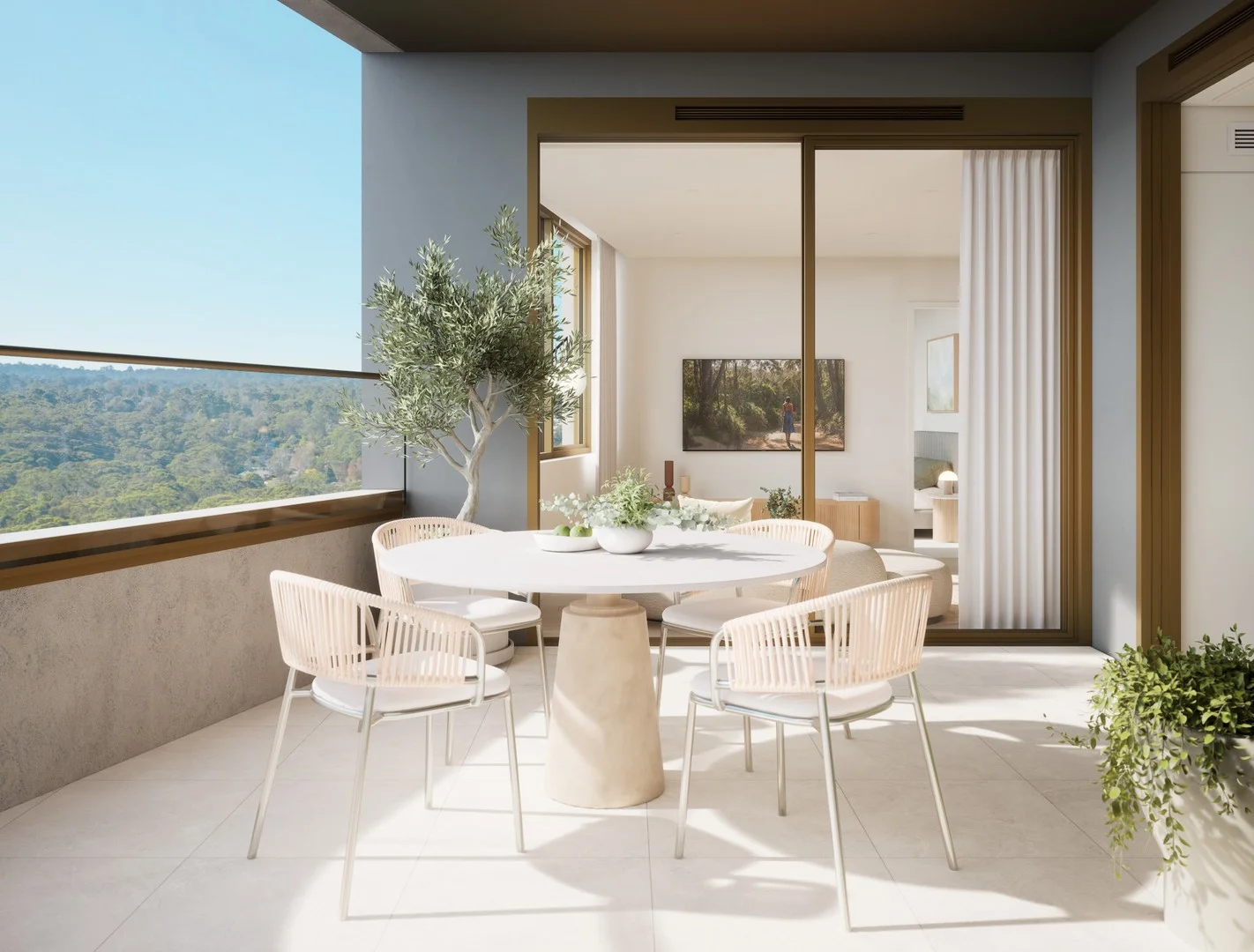 $1,525,000
Apartment / Unit / Flat
$1,525,000
Apartment / Unit / Flat
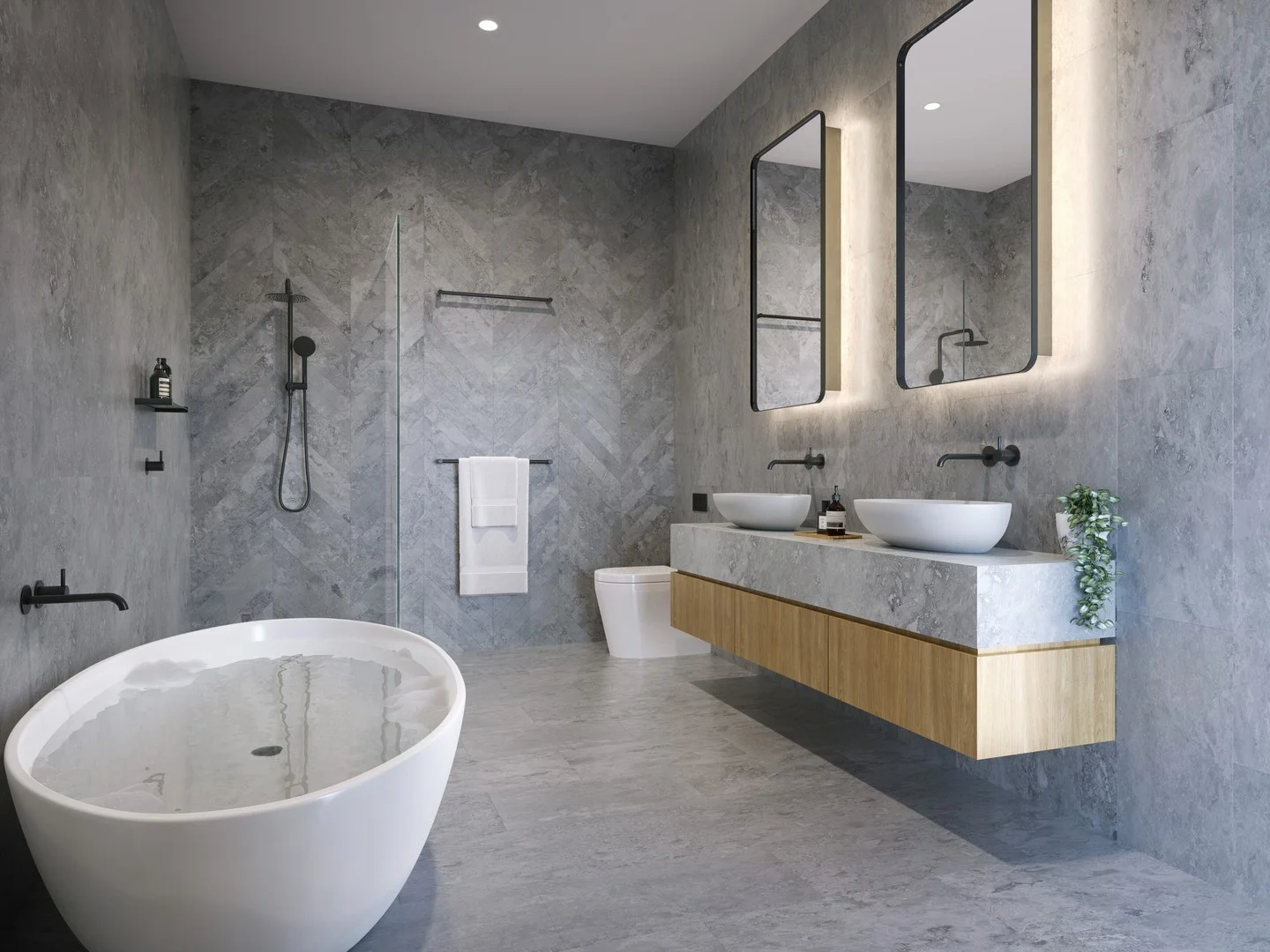 $2,824,000
Apartment / Unit / Flat
$2,824,000
Apartment / Unit / Flat
 $36,000,000 - $39,500,000
Vacant Land
$36,000,000 - $39,500,000
Vacant Land


