Overview
Carlingford High School is a public high school serving students in Carlingford, NSW. As a large, government‑run school, it brings together a diverse student body in a supportive, academically focused environment. Class sizes are typically in the mid‑range for NSW public secondary schools, giving students opportunities for individual attention within a bustling school community. The atmosphere is generally inclusive and culture‑driven by a commitment to high standards and student growth.
- School type: Public
- School size: Large
- Atmosphere/culture: Diverse, inclusive, academically oriented, supportive
Academics & Learning
Carlingford High School emphasizes core academic excellence with opportunities to pursue broader interests. Strengths often highlighted include STEM subjects, English and language studies, and leadership pathways within the student body. The school typically offers programs to support advanced learning and gifted/talented students, along with opportunities for accelerated learning within the NSW framework. NAPLAN trends at NSW public schools generally focus on year‑to‑year progress and cohorts’ improvements in reading, writing, and numeracy, with schools continually monitoring and adjusting teaching approaches accordingly. Student–teacher ratios are consistent with NSW public secondary norms, and the school provides targeted support for diverse learners, including EAL (English as an Additional Language) students and students with additional learning needs (SEN).
- Academic strengths: STEM, English, languages, leadership opportunities
- Special programs: Gifted and Talented Education (GATE) and accelerated pathways (within NSW secondary frameworks)
- Support for diverse learners: EAL support, SEN accommodations and inclusive practices
Sports and a broad range of extracurricular activities are a major focus for many families. The school offers a variety of sports and typically fields teams in common secondary disciplines, with opportunities to compete in inter‑school and district events. In addition to sport, there is a strong emphasis on arts, music and drama programs, along with a range of clubs such as robotics, coding, chess and debating. Partnerships with local sporting academies and participation in regional competitions help students extend their skills beyond the classroom.
- Sports offered: Basketball, soccer, cricket, netball, rugby, swimming, track and field and more
- Strong teams/achievements: Competitions at district level and school‑based championships
- Music, arts, drama: Choirs, bands, drama productions and arts initiatives
- Clubs: Robotics, coding, chess, debating, math/ science clubs
- Partnerships: Local academies and regional competitions
Wellbeing & Pastoral Care
Wellbeing and pastoral care are central to the school’s approach, with systems in place to support students’ emotional and social development. Anti‑bullying policies are implemented through whole‑school programs and regular training for staff and students. A house or pastoral system typically supports student belonging and leadership development, and there are dedicated counsellors and wellbeing officers to assist students. Transition support is provided to help new students settle in, particularly at the start of the year and during key transitions between stages of schooling.
- Anti‑bullying approach: Whole‑school policies, ongoing education and support
- House system: Structure for student belonging, events, and leadership opportunities
- Counsellors/wellbeing: Access to trained staff for emotional and social support
- Transition support: Orientation for new students and families, stability activities during transitions
Facilities
Carlingford High School typically presents a range of facilities designed to support learning and student life. Visual and functional spaces help keep the environment engaging and accessible.
- Sports grounds
- Libraries
- Science labs
- Music/performing arts centers
- Tech/innovation labs
- Canteen
- Updated playgrounds
Parents often want to understand the kind of environment their children will join. The school’s values and culture generally reflect a commitment to respectful, responsible and aspirational learning, with strong emphasis on student leadership, positive behavior, and inclusivity. A clear leadership style and behavior expectations help build trust with families and the broader community, and the school typically promotes diversity and inclusion as core principles.
- Values/mission: Respect, excellence, integrity, and inclusion
- Leadership style: Student involvement in leadership roles and collaborative decision‑making
- Behaviour expectations: Clear code of conduct and consistent implementation
- Community reputation: Built on academic effort, student support, and parent engagement
- Diversity & inclusion: Ongoing emphasis on welcoming students from varied backgrounds
School Logistics & Daily Operations
Quick, practical details help families plan around school life.
- School hours: Typical day starts in the morning and ends after lunch, aligned with NSW public school timetables
- Before/after school care: Often available through external providers or on‑site arrangements
- Uniform requirements: Standard school uniform with approved items; dress code policies apply
- Transport: Access to bus routes and train options typical for the region; school‑provided guidance on travel routes
- Canteen availability: On‑site canteen or food service options
- Fees: Public schools have low to moderate contributions and standard charges; uniforms and certain activities may incur costs
Enrolment & Admissions
- What is the enrolment process and timeline?
- Enrolment is through the NSW Department of Education. For Year 7 entry, families typically submit applications within the prescribed period, with offers issued in the lead‑up to the new school year. Check the school and NSW Department of Education timelines for current dates.
- Is there a waiting list, and how does it work?
- Waiting lists may apply for non‑local or out‑area applications depending on catchment rules and available places. The school and department manage placements based on eligibility and proximity.
- Are there any entry requirements, tests, or interviews?
- For this non‑selective public high school, there are generally no entrance tests or interviews for standard local admissions. Documentation (proof of address, immunisation records, birth certificate or passport, etc.) is typically required.
- Does the school accept mid-year transfers?
- Yes, mid‑year transfers can be possible if places are available. Contact the school administration as early as possible to discuss availability and the transfer process.
Frequently Asked Questions
- Why Parents Choose This School?
- Public, stable environment with broad subject offerings, supportive pastoral care, and a wide range of extra‑curricular options.
- What type of student thrives at this school?
- Motivated learners who value a diverse, inclusive community, strong coursework, and participation in clubs and teams.
- What opportunities are available for students to extend their skills (academics, sports, arts)?
- Enrichment programs in STEM and languages, gifted/accelerated pathways, leadership opportunities, sports teams, music and drama programs, and clubs such as robotics, coding and debating.
- How does the school communicate with parents?
- Regular updates through newsletters, school portals, parent meetings and events, and targeted communications around student progress.
- What is the school’s approach to teaching and learning?
- Focus on core literacy and numeracy, differentiated instruction to meet diverse needs, and opportunities for advanced study within NSW frameworks.
- How does the school support students who need extra academic help?
- EAL and SEN support services, targeted tutoring or coursework adjustments, and access to counselling and wellbeing resources.
- What support is available for academic challenges?
- Access to teachers, learning support staff, and specialist programs; the school fosters early intervention and ongoing monitoring of progress.
- How does the school communicate with parents? (Repeated)
- See above: newsletters, portals, meetings, and progress reports.
- What extracurricular and sports opportunities are available?
- A variety of sports teams, music/arts programs, and clubs such as robotics, coding, chess, and debating.
- What facilities does the school offer (sports, science, arts)?
- Sports grounds, libraries, science labs, performing arts spaces, tech/innovation labs, canteen, and updated playgrounds.
- What is the school’s approach to technology and digital learning?
- Integration of digital resources across curriculum, with ongoing investment in tech and online learning tools as part of the learning experience.
- What transport and accessibility options are available?
- Local bus routes and train connections typical for the area, with school guidance on routes and accessibility.
- What are the typical school fees or additional costs?
- Public school basics are funded by the government; there are voluntary contributions and occasional charges for activities or resources.
Short Pros & Cons
- Public, stable environment with broad subject options
- Strong range of extracurriculars (sports, arts, clubs)
- Supportive wellbeing and inclusive culture
- Large, diverse student community with opportunities to lead
- Large school size can mean busier campuses and less individual attention in some subjects
- Some activities may require additional costs for uniforms, trips, or clubs
- High demand can influence wait times for certain programs or electives
 Free
Free







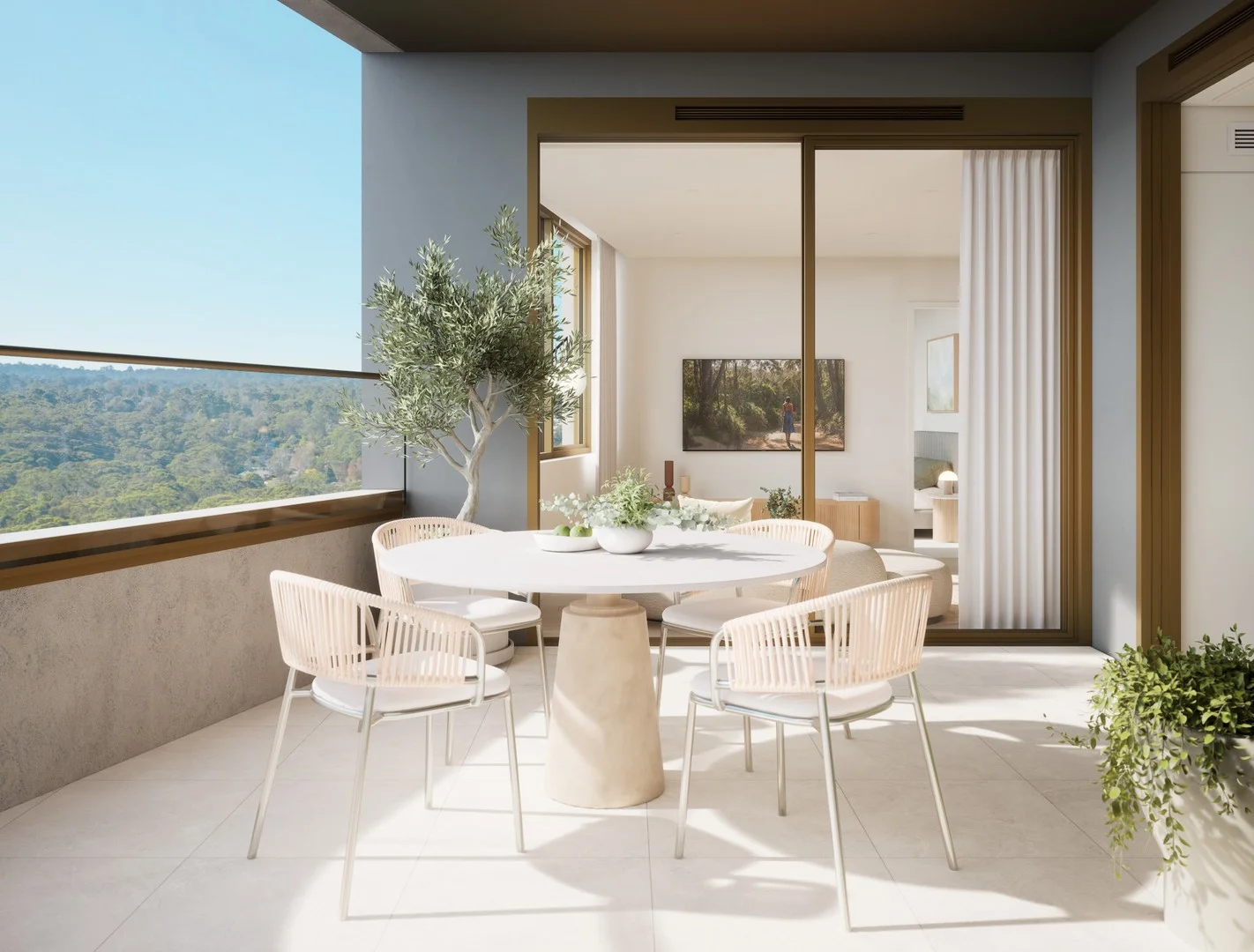 $1,525,000
Apartment / Unit / Flat
$1,525,000
Apartment / Unit / Flat
 $36,000,000 - $39,500,000
Vacant Land
$36,000,000 - $39,500,000
Vacant Land
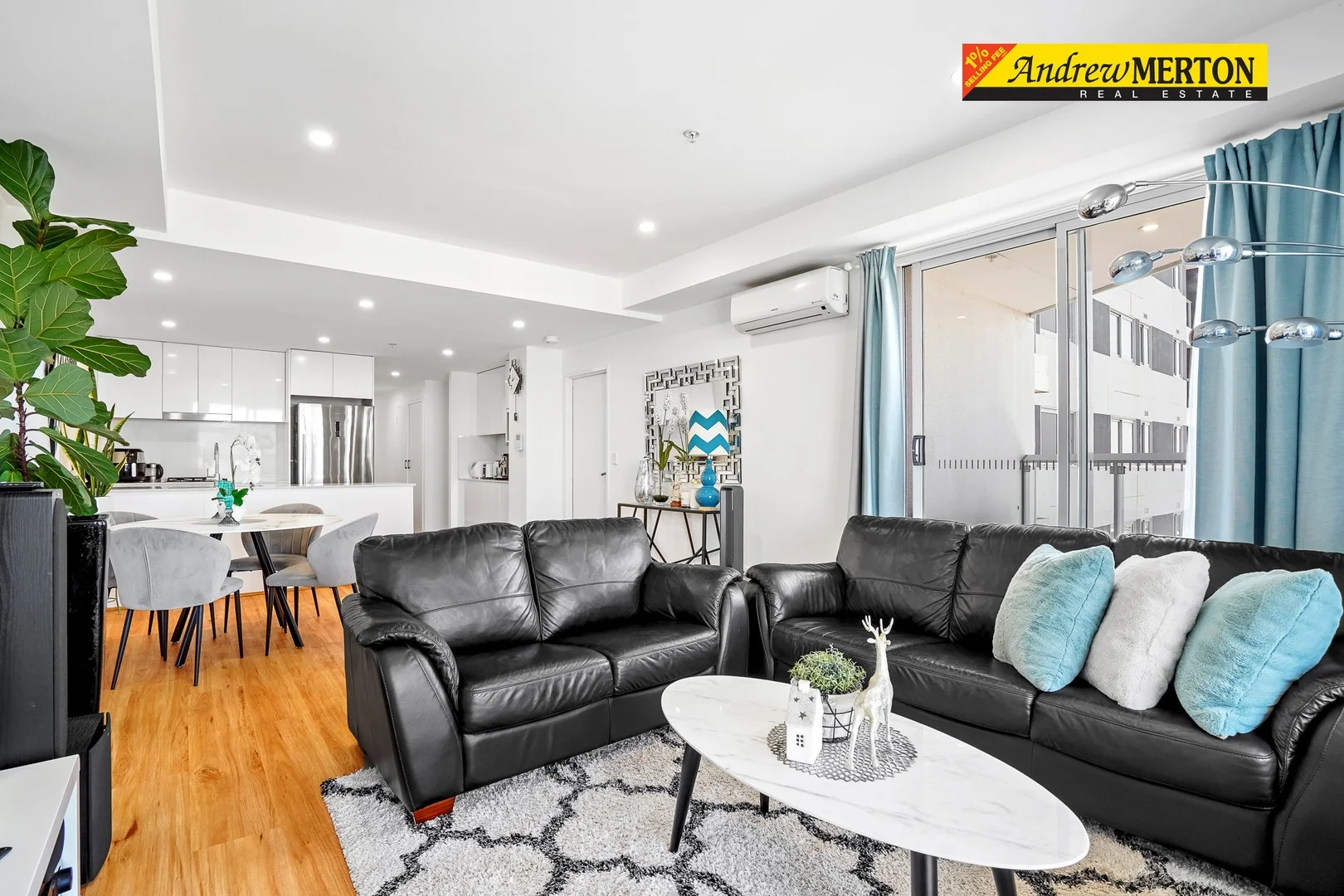 $450,000 - $470,000
Apartment / Unit / Flat
$450,000 - $470,000
Apartment / Unit / Flat
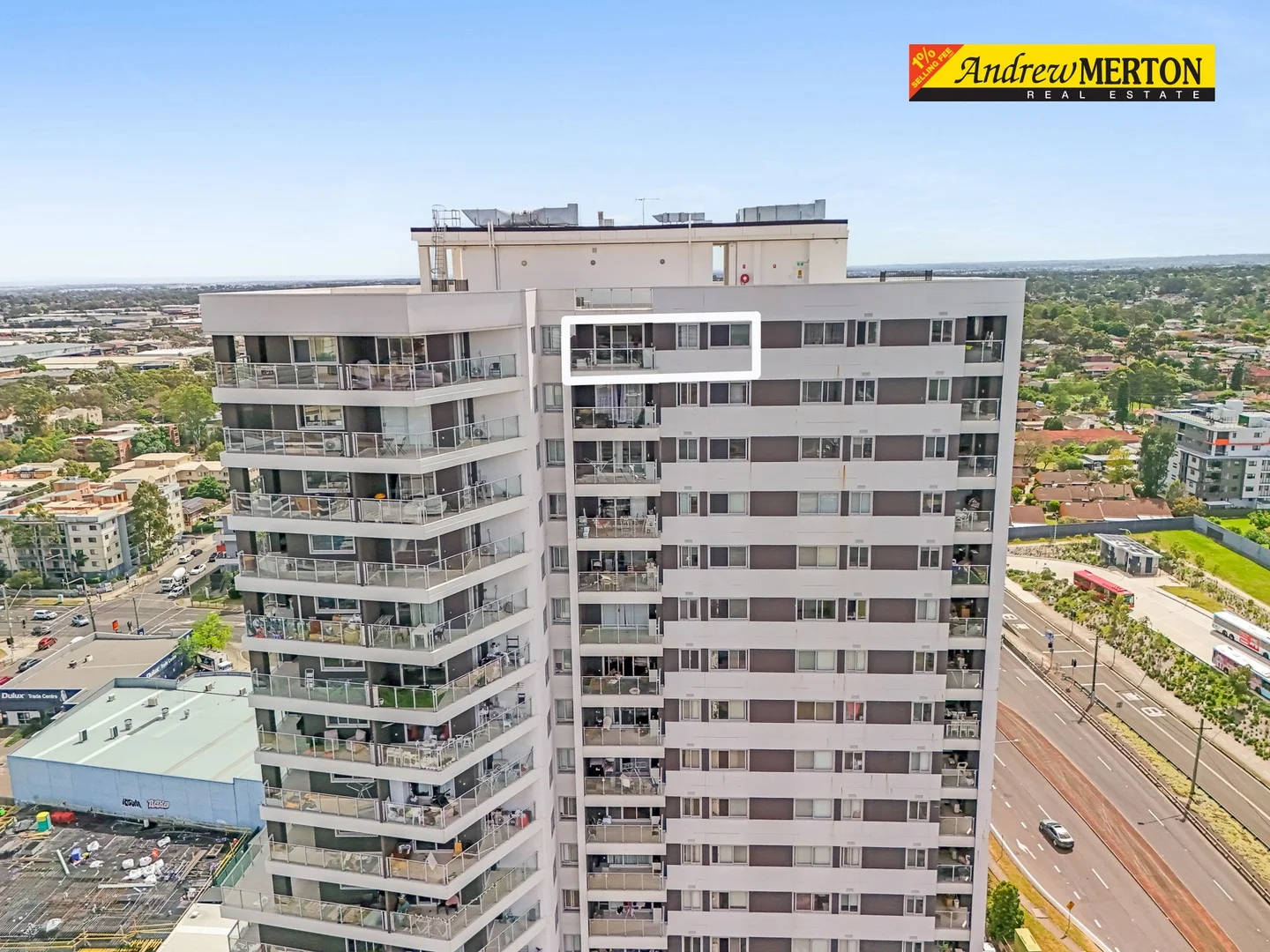 $399,900
Apartment / Unit / Flat
$399,900
Apartment / Unit / Flat
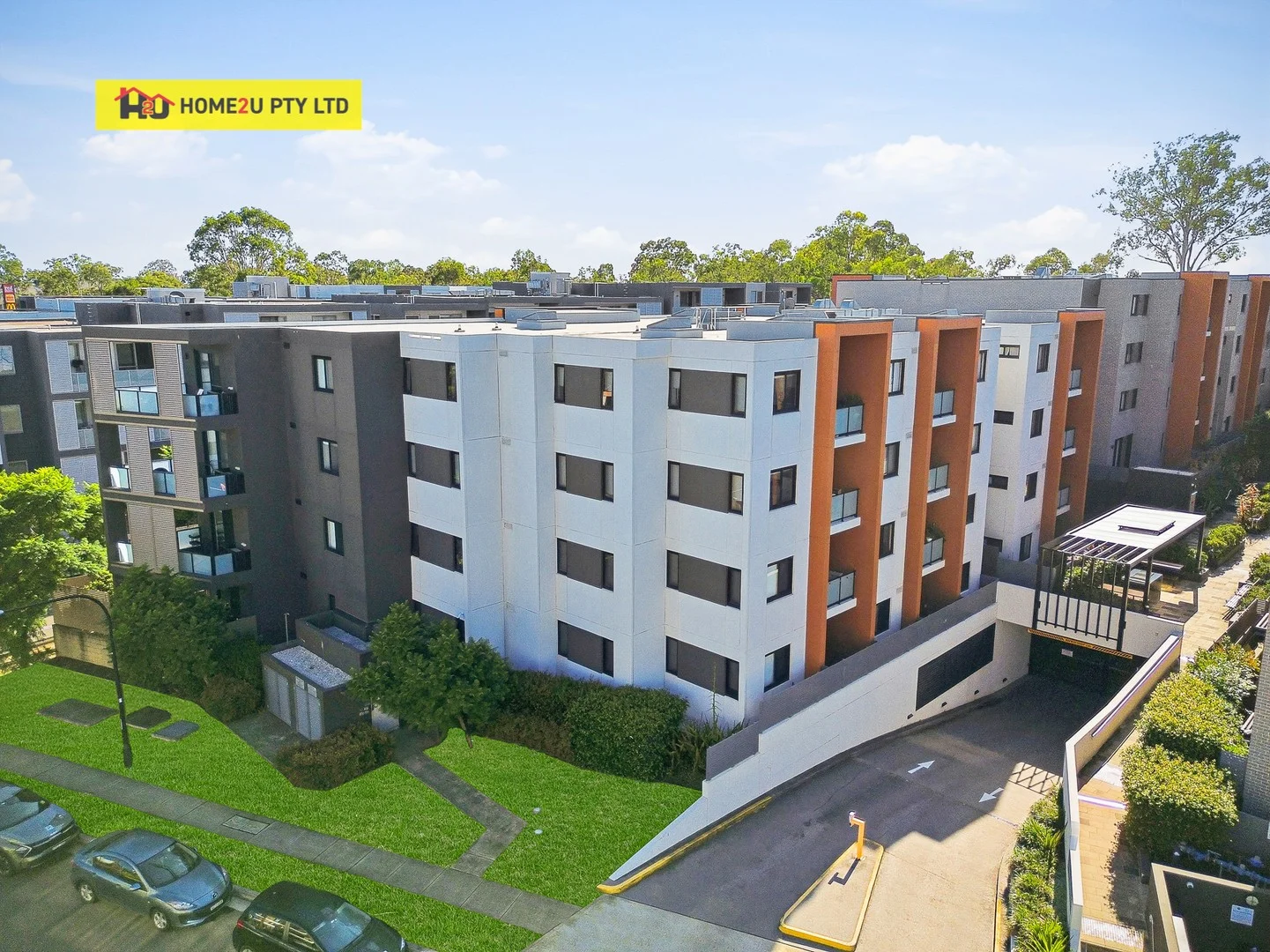 $750,000 - $780,000
Apartment / Unit / Flat
$750,000 - $780,000
Apartment / Unit / Flat