## 1. Overview
Cerdon College Merrylands is a Catholic secondary school for girls, part of NSW’s Catholic education system. It offers Years 7–12 in a medium-sized, community-focused environment that emphasizes values-based learning and service. The school fosters a nurturing and inclusive culture where students are supported to grow academically, socially, and spiritually.
The atmosphere is balanced between strong academic expectations and a caring pastoral program. Students benefit from a supportive community that encourages leadership, resilience, and participation in school life, helping to prepare them for life beyond school.
---
## 2. Academics & Learning
- Academic strengths: Strong emphasis on English, mathematics, sciences, humanities, and religious education, with opportunities to develop leadership and critical thinking.
- Special programs: HSC preparation and pathways, potential Gifted & Talented or accelerated learning options where available, and opportunities for leadership development.
- NAPLAN trends: Historical patterns show steady literacy and numeracy progress with a focus on continuous improvement year to year.
- Student-teacher ratios: Typically in the mid-teens, enabling more individual attention and support.
- Support for diverse learners: Dedicated learning support for students needing additional help, along with EAL (English as an Additional Language) and SEN supports where appropriate.
---
## 3. Sports & Extracurricular Strengths
- Sports offered: Netball, basketball, soccer, tennis, volleyball, cricket, swimming, athletics, and other team or individual activities.
- Strong teams or achievements: Competitive school teams across key sports with participation in local and diocesan competitions.
- Music, arts, drama programs: Active music ensembles, dramatic arts productions, and opportunities for performance both on and off campus.
- Clubs: Robotics, chess, coding, debating, broadcasting/media, and other interest-based clubs.
- Partnerships: Connections with local clubs and community organizations for competitions and development programs.
This section targets the interests of families with boys aged 10–14 and highlights a broad, engaging extracurricular landscape.
---
## 4. Wellbeing & Pastoral Care
- Anti-bullying approach: Clear policies and programs promoting respectful behaviour, with peer support and reporting mechanisms.
- House system: A house structure that supports belonging, healthy competition, and social connection across year levels.
- Counsellors / wellbeing officers: Access to school counsellors and wellbeing staff to support academic, emotional, and social needs.
- Transition support: Programs to help new students settle in, including orientation activities and buddy systems.
This section focuses on building trust through visible care and ongoing student support.
---
## 5. Facilities
- Sports grounds: On-site fields and courts for a range of activities.
- Libraries: A well-resourced library supporting learning and literacy.
- Science labs: Modern laboratories for biology, chemistry, physics, and related STEM activities.
- Music/performing arts centers: Spaces for music ensembles, drama, and performances.
- Tech/innovation labs: Dedicated spaces for technology, coding, and hands-on projects.
- Cafeteria: On-site canteen or food service supporting student meals and breaks.
- Updated playgrounds: Safe, well-maintained outdoor spaces for recreation and sport.
- Additional: Chapels or prayer spaces common in Catholic schools, with facilities to support religious education and reflective moments.
Keep it visual and simple to help parents picture the campus environment.
---
## 6. School Values & Community Culture
- School values / mission: Catholic identity centered on respect, compassion, service, integrity, and community engagement.
- Leadership style: Inclusive and student-centered, with opportunities for student leadership and voice in school decisions.
- Behaviour expectations: Clear codes of conduct aligned with school values, emphasizing responsibility, respect, and resilience.
- Community reputation: A caring, values-driven school community with emphasis on service and personal growth.
- Diversity & inclusion: Commitment to an inclusive environment welcoming students from diverse backgrounds and abilities.
This section explains the kind of students who thrive here and the culture families can anticipate.
---
## 7. School Logistics & Daily Operations
- School hours: Typical school day runs during standard NSW school hours; exact start/end times vary by year group and term.
- Before/after school care: Often available or facilitated through school partnerships or approved local providers.
- Uniform requirements: Clear uniform standards appropriate to a Catholic school setting; details provided by the school.
- Transport: Bus routes and public transport options serving the Merrylands area; check official timetables for specifics.
- Canteen availability: On-site canteen or meal service providing daily options.
- Fees: Catholic systemic schools have annual tuition or fees; ranges are generally moderate to mid-range depending on programs and activities.
Note: For precise times, transport routes, and costs, please confirm with the school.
---
## 8. Enrolment & Admissions
- 11. What is the enrolment process and timeline?
- Applications are typically submitted through the relevant Catholic education portal or school office. Timelines commonly include an expression of interest ahead of the academic year, documentation submission, and notifications of interviews or offers. The process may span several months from inquiry to enrolment.
- 12. Is there a waiting list, and how does it work?
- Many Catholic schools operate a waiting list when enrolment exceed places. Placement on the waiting list is usually determined by the order of application, year level, and sometimes special considerations or sibling priority. The school will provide guidance on how the list is managed and updated.
- 13. Are there any entry requirements, tests, or interviews?
- Entry often involves an interview or meeting with families. Some schools may request documentation (birth or citizenship papers, immunisation status, Catholic baptism documentation where relevant). Tests are not universally required, but interviews or assessments may be used to gauge fit and readiness.
- 14. Does the school accept mid-year transfers?
- Mid-year transfers can be possible if a place is available. Transfer timelines depend on vacancies, year level, and the school’s admission policies. Families should contact the admissions team as early as possible to explore options.
---
## 9. Frequently Ask Questions
- Why Parents Choose This School?
- A values-based Catholic education with a supportive community, strong academic programs, and comprehensive wellbeing support.
- What type of student thrives at this school?
- Students who are motivated by structured learning, community involvement, and a faith-informed school culture tend to thrive.
- What opportunities are available for students to extend their skills (academics, sports, arts)?
- Strong core program with HSC pathways, leadership and enrichment opportunities, a broad extracurricular roster including sports, arts, robotics, debate, and more.
- How does the school communicate with parents?
- Regular communications via newsletters, email, school portals, and parent meetings; updates on events and student progress are common.
- What is the school’s approach to teaching and learning?
- Balanced approach prioritizing literacy, numeracy, critical thinking, faith education, and practical applications in STEM, arts, and humanities.
- How does the school support students who need extra academic help?
- Learning support services, targeted interventions, tutoring programs, and ongoing teacher collaboration to tailor assistance.
- What support is available for academic challenges?
- Access to counsellors, learning support staff, and specialist programs designed to help students overcome academic challenges and stay engaged.
- How does the school communicate with parents? (Repeated)
- See above: periodic updates through multiple channels, including digital portals and parent forums.
- What are the class sizes and how much individual attention do students receive?
- Class sizes are designed to support engagement and access to teacher support, typically in the mid-teens for more effective learning.
- What extracurricular and sports opportunities are available?
- A wide range of sports, music, arts, and clubs (robotics, chess, coding, debating) with opportunities for competition and performance.
- What facilities does the school offer (sports, science, arts)?
- Comprehensive facilities including sports grounds, libraries, science labs, music/performing arts spaces, and technology labs.
- What is the school’s approach to technology and digital learning?
- Integration of technology across subjects, with digital literacy and coding opportunities; devices and platforms are used to support learning.
- What transport and accessibility options are available?
- Bus routes and transport options serving Merrylands; accessible facilities and safe access for students.
- What are the typical school fees or additional costs?
- Fees vary by year level and program; families should contact the school for current fee schedules and any associated costs for uniforms, activities, or electives.
---
## 10. Short Pros & Cons list
- Pros
- Catholic values-based education with a supportive, inclusive community
- Balanced focus on academics, wellbeing, and faith formation
- Broad extracurriculars across sports, arts, and clubs
- Access to learning support and diverse learner programs
- Engaged leadership opportunities and student voice
- Cons
- Single-sex environment may not suit every student
- Uniforms and elective-related costs can add to expenses
- Transport accessibility may vary by location and requires checking specific routes
- Specific programs or pathways can depend on year level and staffing
If you’d like, I can tailor this profile further with verified, school-specific details (e.g., exact enrolment numbers, confirmed programs, and current fee schedules) once you provide or confirm access to the latest school information.

 Free
Free








 $399,900
Apartment / Unit / Flat
$399,900
Apartment / Unit / Flat
 $450,000 - $470,000
Apartment / Unit / Flat
$450,000 - $470,000
Apartment / Unit / Flat
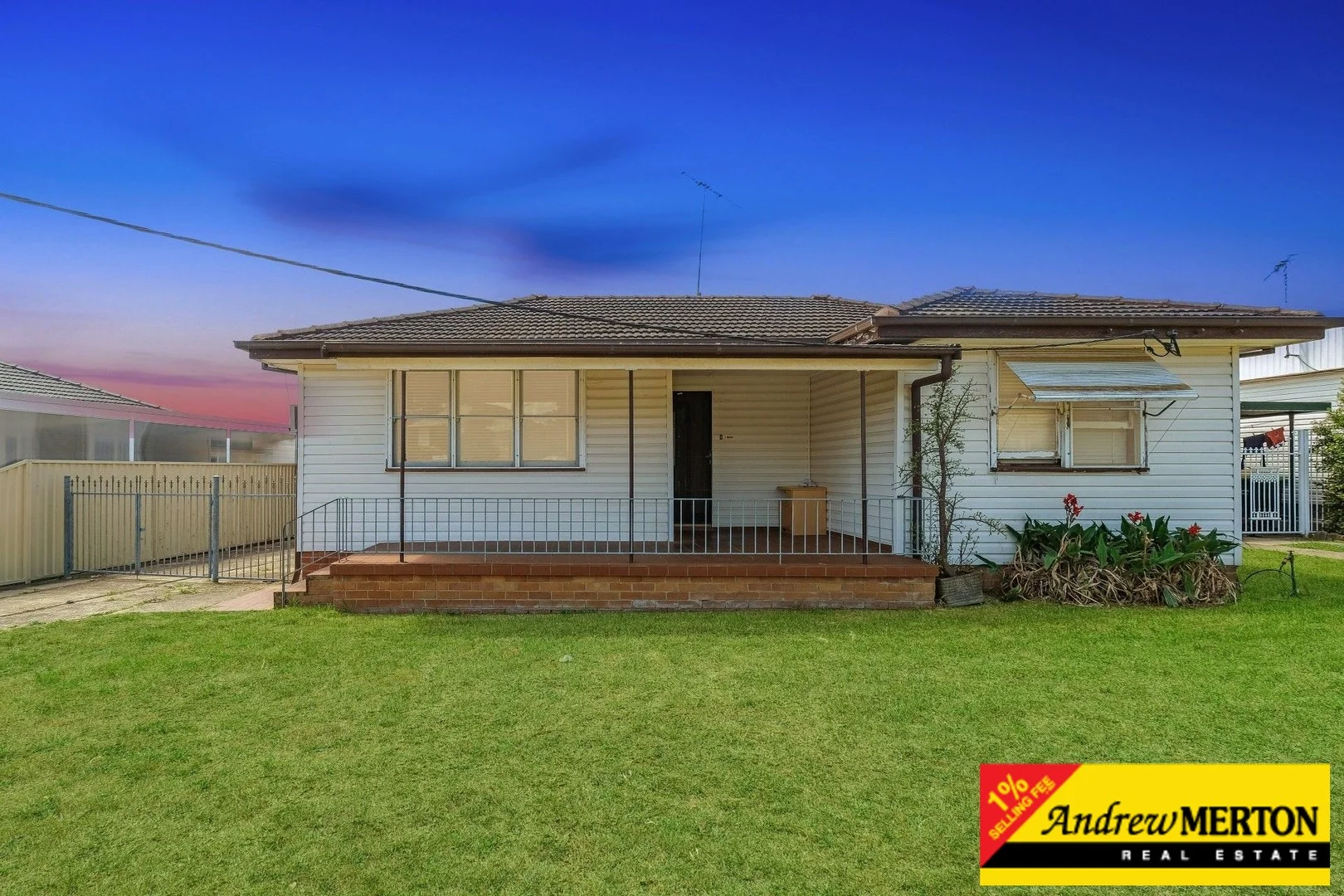 $1,064,950 - $1,171,445
House
$1,064,950 - $1,171,445
House
 $36,000,000 - $39,500,000
Vacant Land
$36,000,000 - $39,500,000
Vacant Land


