## 1. Overview
Cheltenham Girls High School is a public, academically selective high school for girls in New South Wales. It serves a medium-to-large student body, offering a strong emphasis on academic excellence while supporting leadership, creativity and well-rounded development. The school fosters an inclusive, high-expectations culture where students are encouraged to pursue their strengths across STEM, English, languages and the arts.
- School type: Public, selective high school
- School size: Medium–large
- Class size: Approximately 25–28 students per class
- Atmosphere/culture: Academic, inclusive, supportive, with leadership opportunities and a focus on achievement
⸻
// 2. Academics & Learning
- Academic strengths: Strong performance in STEM and English, with robust language offerings and opportunities for extension. Emphasis on integrated curriculum and preparing students for the HSC.
- Special programs: Gifted & Talented/accelerated learning options; leadership development; STEM/tech initiatives and clubs.
- NAPLAN trends: Consistent improvement and strong attainment across year levels, with upward trends in key reading and writing outcomes relative to state averages.
- Student-teacher ratios: Competitive NSW ratios typical of high-demand public schools (roughly in the mid-teens to low twenties per class, depending on year and subject).
- Support for diverse learners: Dedicated support for EAL learners and students with diverse learning needs, including targeted learning support and accommodations where required.
⸻
// 3. Sports & Extracurricular Strengths
- Sports offered: Netball, basketball, soccer, cricket, tennis, athletics, swimming, and other team/individual sports typical of NSW high schools.
- Strong teams or achievements: Competitive inter-school programs with strong performances in district and regional events; opportunities to represent the school in various sports.
- Music, arts, drama: Active music ensembles, choirs, drama productions and performing arts programs; opportunities for individual and group performance.
- Clubs: Robotics, coding, chess, debating, science/allied clubs, and other interest-based groups.
- Partnerships: Participation in local competitions and partnerships with community and arts/science networks to enrich student experiences.
⸻
// 4. Wellbeing & Pastoral Care
- Anti-bullying approach: Proactive policies and programs to promote respectful, safe school environments; clear reporting pathways and supportive responses.
- House system: House-based structure to foster belonging, leadership, and pastoral care through normal school routines and events.
- Counsellors / wellbeing officers: Access to school counsellors and wellbeing staff to support mental health, transition, and personal development.
- Transition support for new students: Orientation programs, buddy systems and targeted onboarding to help new students settle in smoothly.
⸻
// 5. Facilities
- Sports grounds: Dedicated playing fields and courts for various sports.
- Libraries: Well-resourced library with current books, digital resources and study spaces.
- Science labs: Modern science laboratories supporting practical inquiry across disciplines.
- Music/performing arts centers: Facilities for music ensembles, rehearsals and performances.
- Tech/innovation labs: Computer labs and spaces for coding, robotics and STEM projects.
- Cafeteria: On-site dining facilities or canteen with healthy choices.
- Updated playgrounds: Safe, age-appropriate outdoor spaces and recreation areas.
⸻
// 6. School Values & Community Culture
- School values / mission: Commitment to respect, responsibility, excellence, inclusion and student leadership.
- Leadership style: Student-centered with collaborative opportunities; emphasis on developing responsibility and ethical leadership.
- Behaviour expectations: Positive behaviour for learning framework; consistent expectations across year groups.
- Community reputation: Respected within the local community for high academic standards and supportive student culture.
- Diversity & inclusion: Focus on creating an inclusive environment that supports students from varied backgrounds and abilities.
⸻
// 7. School Logistics & Daily Operations
- School hours: Typical school day begins around 8:30 a.m. and finishes around 3:00 p.m. (times may vary on specific days).
- Before/after school care: After-school programs or care options may be available through OSHC or partner providers.
- Uniform requirements: School uniform required; standard dress code includes appropriate uniform items and accessories.
- Transport (train/bus routes): Accessible by public transport with nearby bus routes and train options; students commonly commute by bus or rail from surrounding suburbs.
- Canteen availability: Canteen or canteen services available on site.
- Fees (low/medium/high ranges): As a public school, there are no tuition fees; there are voluntary contributions and item costs for excursions, activities and materials.
⸻
// 8. Enrolment & Admissions
11. What is the enrolment process and timeline?
- Applications for entry are typically via the NSW selective high school process for Year 7 entry, with timelines set by the NSW Department of Education. This includes applying for admission, sitting the selective entrance test, and receiving offers following the provincial timetable.
12. Is there a waiting list, and how does it work?
- Some places may be allocated from a waiting list if eligible places become available. Offers are usually made in order of merit and according to the department’s process and capacity.
13. Are there any entry requirements, tests, or interviews?
- Entry commonly involves the NSW selective entrance test. Some schools may have additional criteria or interviews, depending on current policy and school-specific procedures.
14. Does the school accept mid-year transfers?
- Mid-year transfers may be possible depending on capacity and NSW Department of Education guidelines. Parents should contact the school early to discuss options and required documentation.
⸻
// 9. Frequently Asked Questions
- Why Parents Choose This School?
Strong academic reputation, supportive environment for girls, selective entry pathways and a broad range of enrichment opportunities.
- What type of student thrives at this school?
Self-motivated, academically curious students who respond well to high expectations and who contribute to a collaborative school community.
- What opportunities are available for students to extend their skills (academics, sports, arts)?
Extension in STEM and English, GATE/accelerated options, leadership programs, sports teams, music ensembles, drama productions, debating, robotics and coding clubs.
- How does the school communicate with parents?
Regular newsletters, Parent-Teacher interviews, school portals and updates to keep families informed of events, permissions and student progress.
- What is the school’s approach to teaching and learning?
NSW curriculum alignment with a focus on literacy, inquiry-based learning, collaboration, and assessment that supports growth across subjects.
- How does the school support students who need extra academic help?
Dedicated learning support, EAL assistance, targeted tutoring and accommodations as required.
- What support is available for academic challenges?
Access to learning support staff, tutoring programs and counselling to address academic and personal challenges.
- What are the class sizes and how much individual attention do students receive?
Class sizes typically around 25–28 students, with teachers providing targeted help during class and through additional supports where needed.
- What extracurricular and sports opportunities are available?
A broad range of clubs (robotics, coding, chess, debating) and sports (team and individual) with opportunities to represent the school in inter-school events.
- What facilities does the school offer (sports, science, arts)?
Modern science labs, libraries, performing arts spaces, music facilities, and tech/innovation labs, plus sports grounds and a canteen.
- What is the school’s approach to technology and digital learning?
Integrated use of digital resources, computer labs and coding projects; emphasis on digital literacy and responsible use.
- What transport and accessibility options are available?
Public transport access via bus and rail; school facilities designed to support accessible access for students.
- What are the typical school fees or additional costs?
No tuition fees for public schooling; additional costs may include excursions, materials, uniform, and voluntary contributions.
⸻
// 10. Short Pros & Cons list
- Pros
- Strong academic reputation and selective entry
- Broad range of enrichment opportunities (STEM, languages, arts)
- Supportive wellbeing and pastoral care, with house system
- Broad extracurriculars and competitive sports
- Modern facilities and dedicated learning spaces
- Cons
- Competitive environment may be intense for some students
- Admission is selective; not all applicants secure a place
- Public school costs outside tuition (uniforms, excursions, materials) apply
- Travel times can vary for families outside the immediate vicinity
⸻









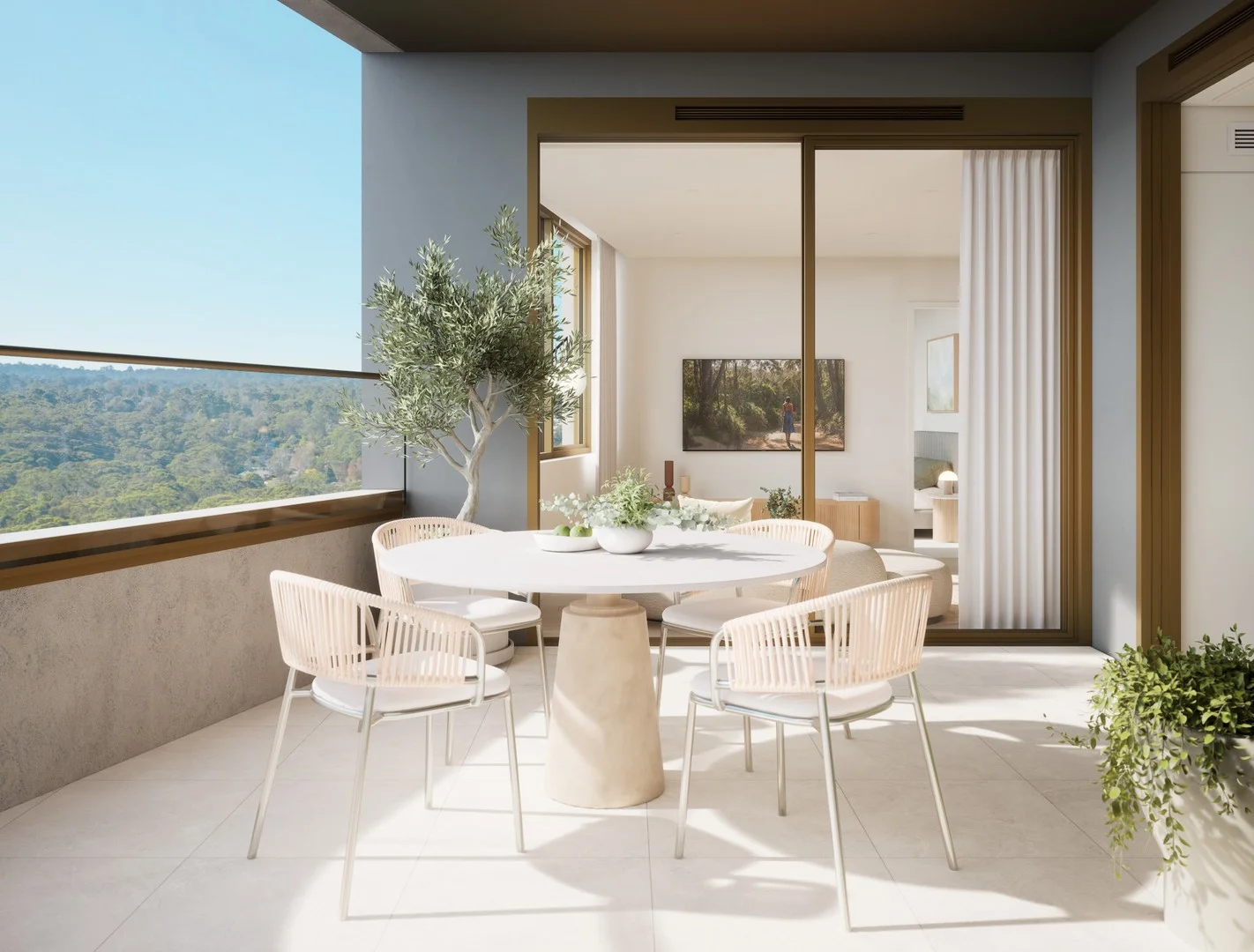 $1,525,000
Apartment / Unit / Flat
$1,525,000
Apartment / Unit / Flat
 $36,000,000 - $39,500,000
Vacant Land
$36,000,000 - $39,500,000
Vacant Land
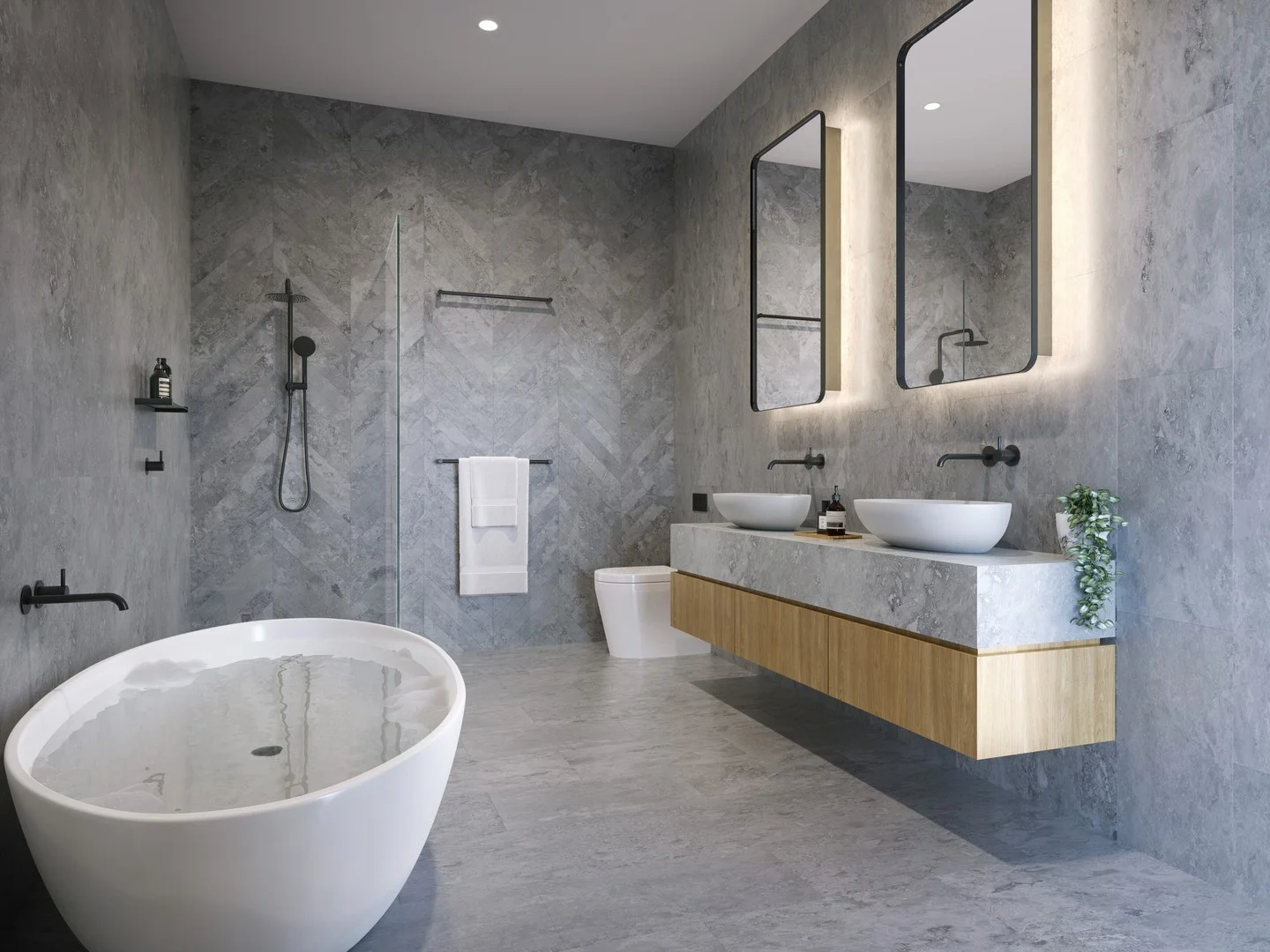 $2,824,000
Apartment / Unit / Flat
$2,824,000
Apartment / Unit / Flat
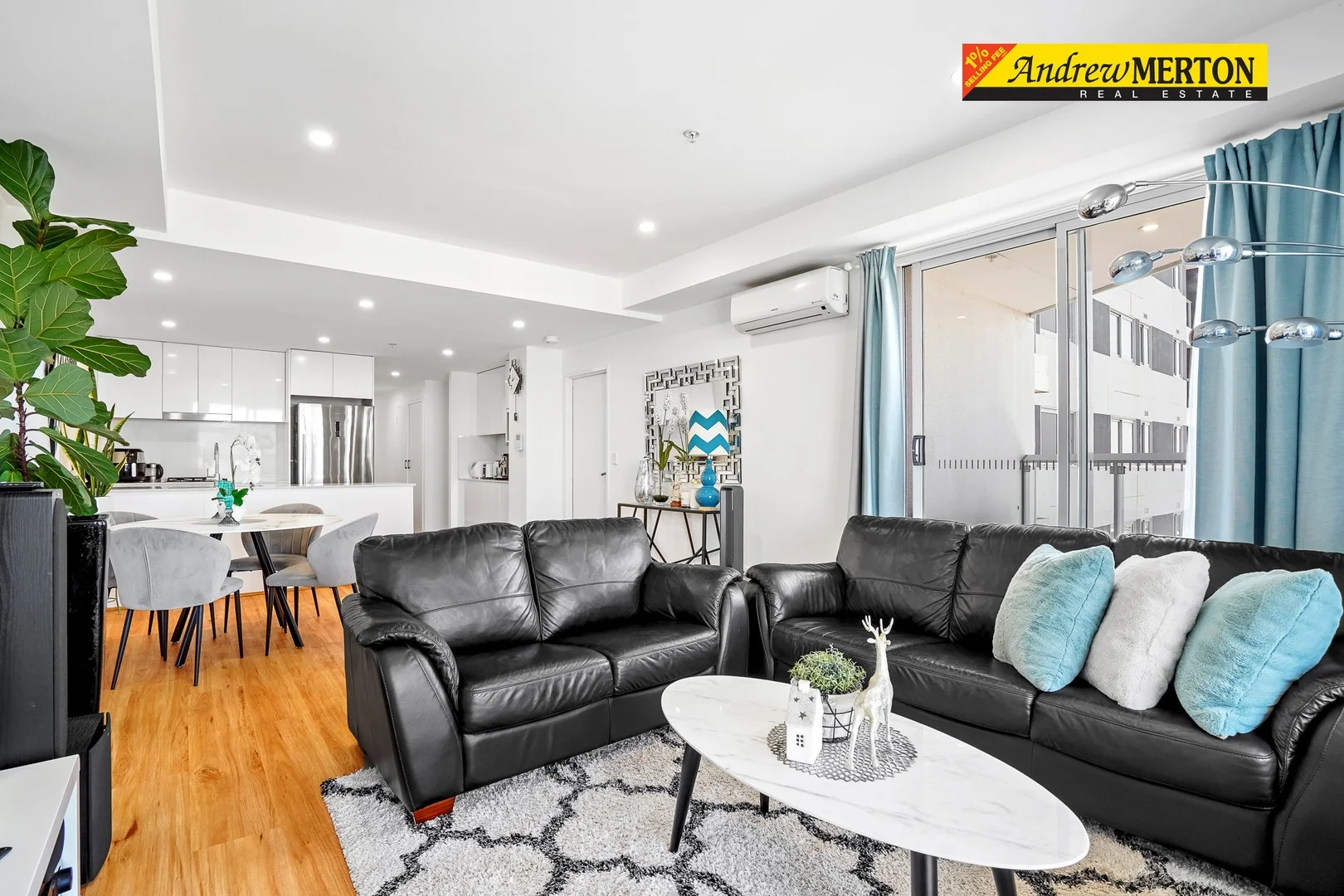 $450,000 - $470,000
Apartment / Unit / Flat
$450,000 - $470,000
Apartment / Unit / Flat
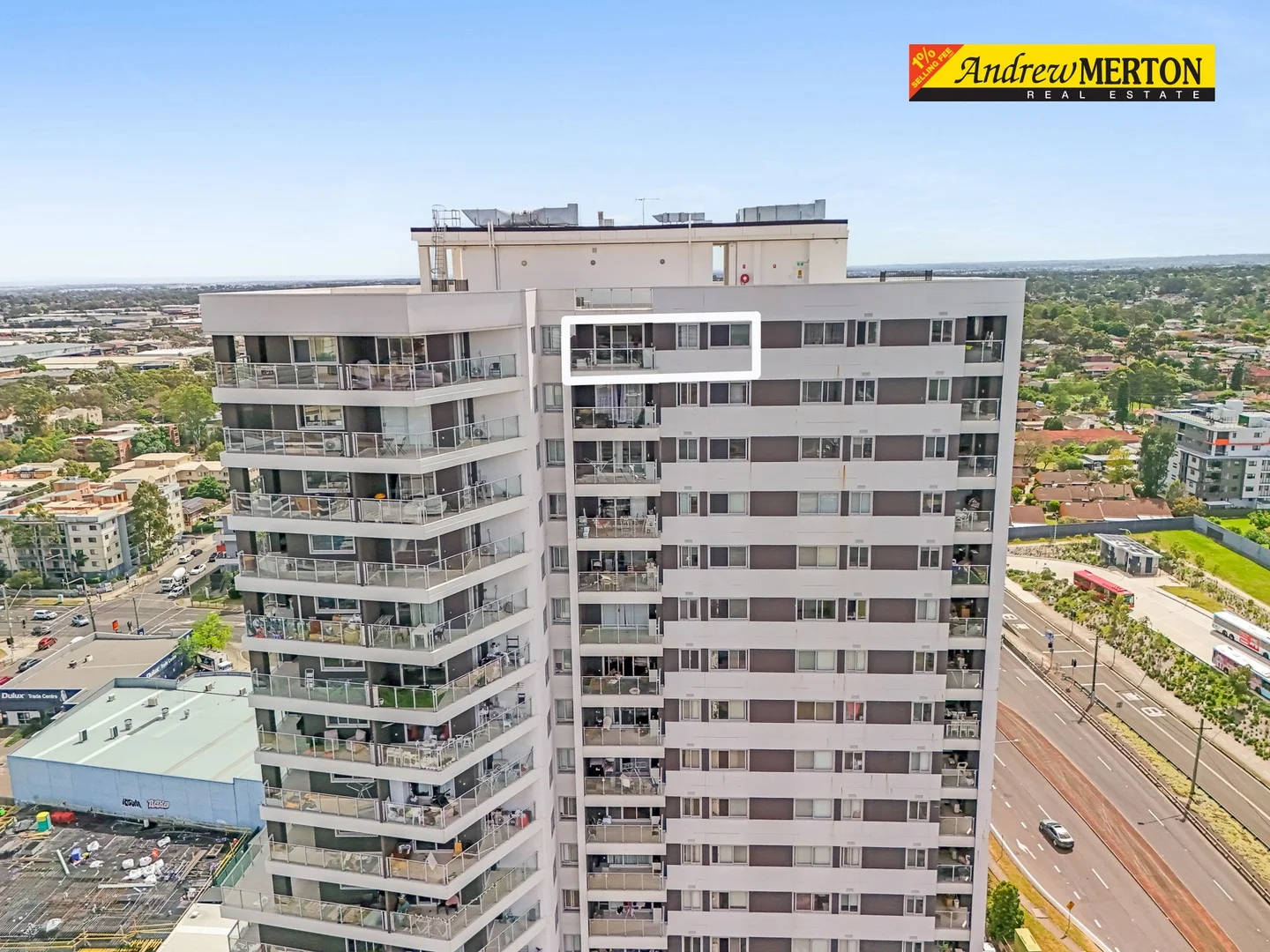 $399,900
Apartment / Unit / Flat
$399,900
Apartment / Unit / Flat


