Overview
## 1. Overview
Christ the King Catholic Primary School Bass Hill serves families in Bass Hill / Yagoona, NSW 2199, as a Catholic primary school focused on faith-based education within a supportive, inclusive community. The school emphasizes values, character development and a well-rounded education that blends academic learning with faith, service and community involvement.
The school is a medium-sized community that aims to foster a nurturing atmosphere where students feel safe, supported and encouraged to reach their potential. Class sizes are typically in the mid-range for NSW Catholic primary schools, creating opportunities for individualized attention within a collaborative, family-like culture.
⸻
## 2. Academics & Learning
- Academic strengths: Strong emphasis on literacy and numeracy, with an integrated approach to learning that connects faith-based values with daily classroom activities. Opportunities to develop skills in STEM, creative thinking and critical inquiry are encouraged.
- Special programs: Gifted and Talented or enrichment opportunities may be offered; digital literacy and STEAM activities are commonly integrated into learning routines. Catholic education programs and faith formation are part of the learning experience.
- NAPLAN / trends: NSW Catholic primary schools typically show stable to improving progress in literacy and numeracy, with ongoing focus on growth for all learners. The school aims to monitor progress and support continuous improvement.
- Student-teacher ratios: Typical ratios in NSW Catholic primary schools range from about 1:15 to 1:22, depending on year level and class configuration, enabling some individual attention within a collaborative classroom.
- Support for diverse learners: EAL/D support, learning support programs, and individualized planning for students with diverse learning needs are commonly available. Inclusive education approaches aim to ensure access and progress for all students.
⸻
## 3. Sports & Extracurricular Strengths
- Sports offered: Common offerings include soccer, netball, cricket, basketball, rugby league and athletics, with opportunities to participate in school and local competitions.
- Strong teams or achievements: Involvement in district or interschool events is encouraged; teams often compete at local levels and may achieve recognition within school communities.
- Music, arts, drama programs: School music programs, choir or singing opportunities, and regular performing arts events are typically part of the cultural life of the school.
- Clubs: Robotics, chess, coding, debating and other curiosity-driven clubs are commonly available to extend learning beyond the classroom.
- Partnerships: Opportunities to engage with local community groups, diocesan activities or interschool competitions provide broader experiences for students.
⸻
## 4. Wellbeing & Pastoral Care
- Anti-bullying approach: A clear anti-bullying policy and positive behaviour framework are in place to promote respect, safety and inclusive peer relationships.
- House system: A house system is often used to foster positive competition, teamwork and school spirit through house activities and events.
- Counsellors / wellbeing officers: A school counsellor or wellbeing team supports student emotional health, social development and resilience.
- Transition support for new students: Orientation experiences, buddy programs and early contact with families help new students settle into the school community.
⸻
## 5. Facilities
- Sports grounds: Access to outdoor play spaces and sports facilities to support physical education and active play.
- Libraries: A learning library or media center supports reading, study and research activities.
- Science labs: Dedicated spaces for science and hands-on experiments (where available) support inquiry-based learning.
- Music/performing arts centers: A performing arts area or dedicated spaces for music and drama activities.
- Tech/innovation labs: Computer labs or makerspaces support technology, coding and creative design projects.
- Cafeteria: On-site canteen or school dining facilities provide healthy meal options.
- Updated playgrounds: Modern, safe playgrounds and outdoor learning areas support exploration and play.
⸻
## 6. School Values & Community Culture
- School values / mission: A faith-informed ethos centered on Catholic values such as respect, responsibility, compassion and service to others.
- Leadership style: Student leadership opportunities, teacher mentorship and collaborative decision-making contribute to a supportive leadership environment.
- Behaviour expectations: A clear code of conduct anchored in positive behaviour and mutual respect guides student interactions.
- Community reputation: A welcoming, family-focused school culture with active parent involvement and parish connections.
- Diversity & inclusion: A commitment to inclusivity and welcoming families from diverse backgrounds, with measures to support access and participation.
⸻
## 7. School Logistics & Daily Operations
- School hours: Typical school day runs during standard NSW hours, with structured start and finish times and integrated routines for learning and breaks.
- Before/after school care: Before and/or after-school care options are commonly available through school services or approved external providers.
- Uniform requirements: Uniforms are standard; details on items, fittings and ordering are provided by the school.
- Transport (train/bus routes): Transport options, including bus services or local public transport routes, are available to support families.
- Canteen availability: A canteen or food provisioning options are available, offering healthy choices for students.
- Fees (low/medium/high ranges): School fees are variable by year and program; families are encouraged to consult the school for current fee schedules and any additional costs (levies, excursions, consumables).
⸻
## 8. Enrolment & Admissions
11. What is the enrolment process and timeline?
- The school typically offers an online or paper enrolment application. Applicants may need to provide required documentation (birth certificate, immunisation records, ancillary documents), complete any school-specific forms, and participate in a school interview or family interview. Enrolment timelines commonly include main intake periods ahead of the new school year, with rolling intake subject to place availability.
12. Is there a waiting list, and how does it work?
- Places are limited, so there may be a waiting list. Waiting lists are typically managed by date of application and priority criteria set by the school (e.g., siblings, parish affiliation). Families on the waiting list may be contacted if a place becomes available.
13. Are there any entry requirements, tests, or interviews?
- Entry may involve an interview with families and students, and in some cases a discussion about faith alignment and school expectations. Formal entrance tests are not universally required in NSW Catholic primary schools, but the school will outline any assessment or interview steps during the enrolment process.
14. Does the school accept mid-year transfers?
- Mid-year transfers are usually considered if there are available places. Families seeking a mid-year start should contact the registrar or principal to discuss availability, placement considerations and required documentation.
⸻
## 9. Frequently Asked Questions
- Why Parents Choose This School?
- A faith-based, values-driven education in a welcoming, community-focused environment with strong wellbeing supports and opportunities across academics, sport and the arts.
- What type of student thrives at this school?
- Students who are curious, collaborative, respectful and engaged; families who value faith-based education, a supportive learning culture and active participation in school life.
- What opportunities are available for students to extend their skills (academics, sports, arts)?
- Enrichment in literacy/numeracy, STEM activities, clubs (robotics, coding, chess, debating), school sports teams, music and drama programs, and leadership opportunities.
- How does the school communicate with parents?
- Regular updates via newsletters, emails or apps, calendars of events, parent-teacher interviews and accessible channels for feedback and questions.
- What is the school’s approach to teaching and learning?
- A balanced approach that combines core literacy and numeracy with faith-informed values, inquiry-based learning, inclusive practices and the use of technology to support learning.
- How does the school support students who need extra academic help?
- Dedicated learning support, targeted interventions, EAL/D assistance and opportunities for individualised planning to support progress.
- What support is available for academic challenges?
- Early identification, tailored support plans, progress monitoring and collaboration with families to address any learning needs.
- How does the school communicate with parents? (Repeat)
- See above: regular updates, parent-teacher meetings, digital platforms for ongoing communication.
- What are the class sizes and how much individual attention do students receive?
- Class sizes are typically in the mid-range for NSW Catholic primary schools, allowing some smaller-group instruction and teacher support within a collaborative classroom setting.
- What extracurricular and sports opportunities are available?
- A range of sports (e.g., soccer, netball, cricket, basketball, rugby league), plus clubs in robotics, chess, coding and debating, and opportunities in music, drama and arts.
- What facilities does the school offer (sports, science, arts)?
- Sports grounds, libraries, science labs (where available), music/performing arts spaces, tech/innovation labs, canteen and updated outdoor areas.
- What is the school’s approach to technology and digital learning?
- Integration of digital literacy, responsible use of technology and opportunities to develop coding and computational thinking as part of the curriculum.
- What transport and accessibility options are available?
- Local transport options (bus/train routes) and school-supported access arrangements; ask the school for current routes and arrangements.
- What are the typical school fees or additional costs?
- Fees vary by year and program; expected additional costs may include uniforms, excursions, activities and resources; contact the school for a current fee schedule.
⸻
## 10. Short Pros & Cons list
- Pros
- Strong values-based education in a Catholic community
- Supportive pastoral care and wellbeing framework
- Moderate class sizes with opportunities for individual attention
- Broad program mix: academics, sport, arts, clubs and leadership
- Inclusive culture with focus on diversity and belonging
- Cons
- Availability of places may be limited; potential waiting lists
- Uniforms and associated costs are an ongoing expense
- Some programs or facilities may vary year to year depending on funding and resources
- Transport options depend on local routes and availability






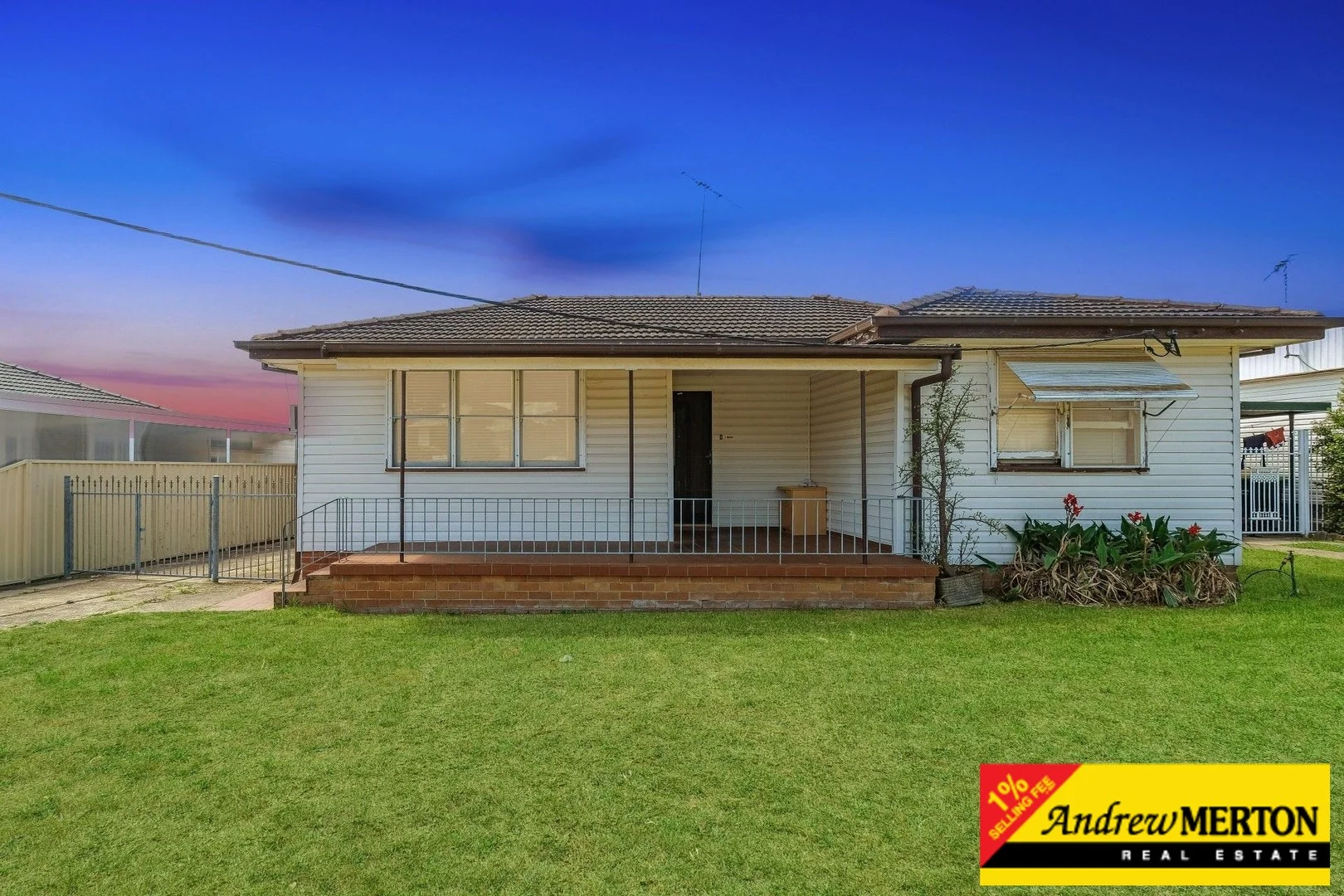 $1,092,500 - $1,201,750
House
$1,092,500 - $1,201,750
House
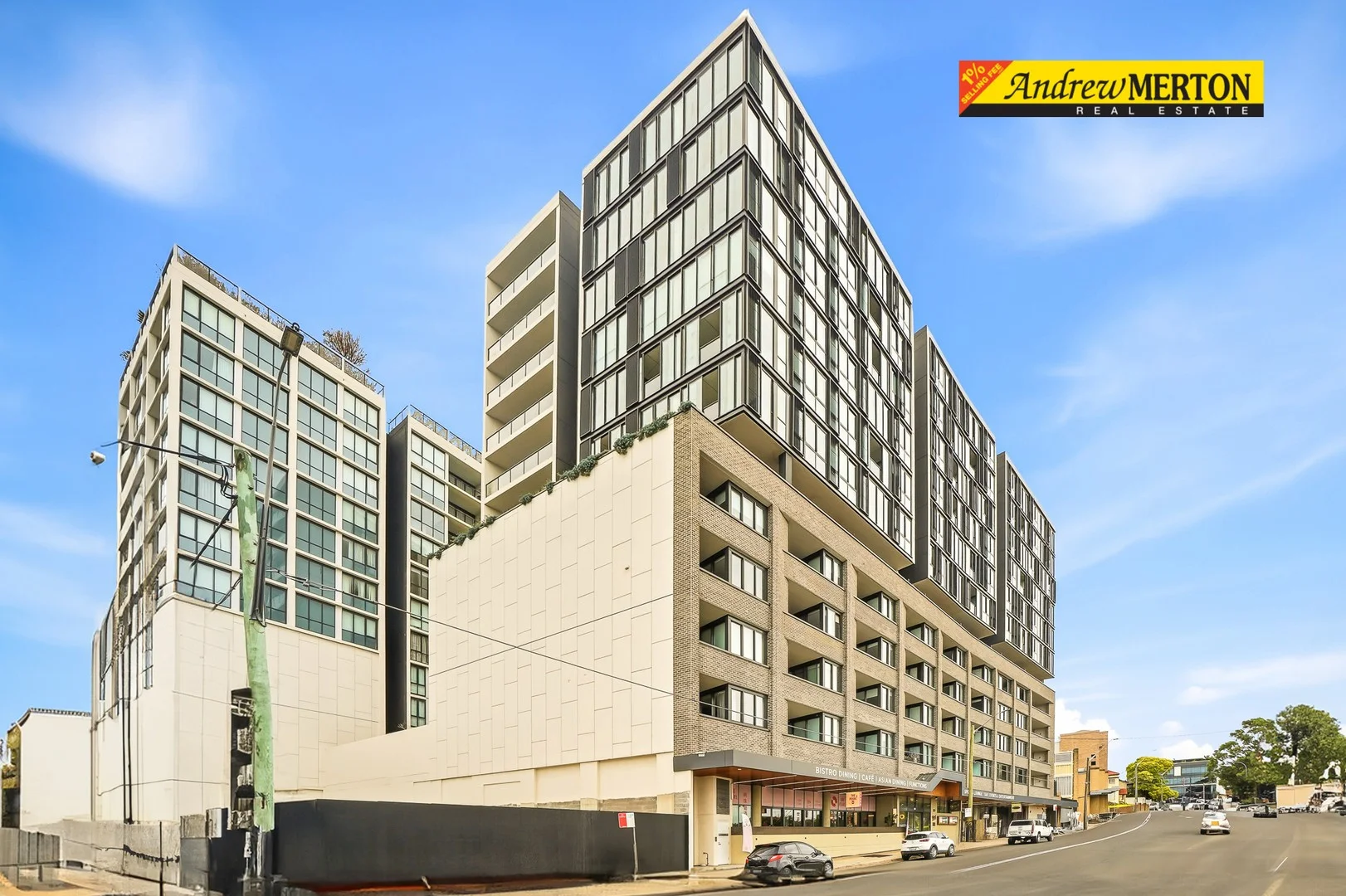 $665,000
Apartment / Unit / Flat
$665,000
Apartment / Unit / Flat
 $36,000,000 - $39,500,000
Vacant Land
$36,000,000 - $39,500,000
Vacant Land


