1. Overview
Cronulla High School is a public high school serving families in the Cronulla area of New South Wales. As a government state school, it draws students from its local catchment and aims to provide a inclusive, achievement‑focused learning environment with strong community ties.
School type: public
School size: medium to large
Class size: typically around 22–26 students per class
Atmosphere/culture: inclusive, academically oriented, diverse, with a strong sense of school community and sports/arts involvement
2. Academics & Learning
Cronulla High School focuses on delivering a balanced curriculum with opportunities for students to pursue strengths across multiple domains.
Academic strengths:
- STEM and English are well-supported, with opportunities for extension and practical applications
- Leadership development and collaborative learning are emphasised
- Language studies and wellbeing‑focused programs are available to broaden student experiences
Special programs:
- Gifted and Talented/advanced coursework options (where available)
- Acceleration pathways and enrichment opportunities for high‑achieving students
NAPLAN / trends:
- NAPLAN participation is ongoing; trends typically reflect steady performance with local variability year to year
- School implements targeted support to address any areas needing improvement and to sustain overall progress
Student-teacher ratios:
- Class sizes and student-teacher ratios align with NSW public high school norms, supporting moderate levels of teacher access and classroom support
Support for diverse learners:
- EAL (English as an Additional Language) support
- SEN (Special Educational Needs) planning and inclusion strategies
- Access to learning support staff and targeted interventions where needed
3. Sports & Extracurricular Strengths
Cronulla High School offers a broad extracurricular mix that appeals to many families and supports well‑rounded development.
Sports offered:
- A range of team and individual sports typical for NSW high schools (e.g., soccer, basketball, cricket, rugby/league‑style options, athletics, swimming, netball)
- Participation in inter-school/zone competitions where available
Strong teams or achievements:
- Competitive participation in regional events and school sport programs
- Emphasis on teamwork, sportsmanship, and personal development
Music, arts, drama programs:
- Active music and performing arts opportunities, with ensembles and productions
- Drama and visual arts pathways to showcase student creativity
Clubs:
- Robotics, coding, computer science, debating, chess (various clubs operating through the year)
Partnerships:
- Local community and school collaborations for competitions and enrichment programs
- Access to regional activities and events that connect students with broader opportunities
4. Wellbeing & Pastoral Care
Wellbeing and pastoral care are central to the school approach, with a focus on creating a safe and supportive environment.
Anti-bullying approach:
- Clear anti-bullying policies and proactive programs to promote respect and safety
- Ongoing education and peer support to foster a positive school climate
House system:
- House or pastoral groups to promote belonging, leadership, and peer mentorship
Counsellors / wellbeing officers:
- Access to guidance counsellors and wellbeing staff to support mental health, study planning, and personal development
Transition support for new students:
- Structured orientation and transition programs to help new students settle into school life
- Buddy and mentoring initiatives to ease adjustment to high school
5. Facilities
Cronulla High School provides facilities aligned with a comprehensive high school program.
- Sports grounds for outdoor physical education and sports
- Libraries for study, research, and quiet reading
- Science laboratories for hands-on experiments and practical work
- Music/performing arts centers for rehearsals and performances
- Tech/innovation labs to support ICT and practical projects
- Canteen offering a variety of meal options
- Updated playgrounds and outdoor spaces for students
6. School Values & Community Culture
What kind of students thrive here:
- Students who value inclusivity, collaboration, and balanced achievement
- A culture that supports academic effort, creative expression, and sport
- Emphasis on responsible citizenship, respect for others, and community involvement
School values / mission:
- Core values typically include respect, responsibility, integrity, and excellence
Leadership style:
- A collaborative leadership approach with teacher and student involvement in school life
Behaviour expectations:
- Clear expectations aligned with the school’s values and policies to promote a safe, respectful environment
Community reputation:
- Strong local involvement and positive parent-school relationships
- Commitment to diversity, inclusion, and student wellbeing
Diversity & inclusion:
- Programs and practices aimed at supporting a diverse student body and ensuring equitable access to opportunities
7. School Logistics & Daily Operations
Quick logistics to help families plan.
School hours:
- Typical NSW public high school day running roughly 9:00 am–3:00 pm; exact times may vary by year and timetable
Before/after school care:
- Availability may depend on community programs or partnerships; check with the school for on-site or partner options
Uniform requirements:
- Standard school uniform policy in line with NSW public high schools; uniform expected during school hours and at school events
Transport (train/bus routes):
- Accessible by local bus services and Cronulla area transport networks; students may use public transport with school travel arrangements
Canteen availability:
- On-site canteen offering meals and snacks; option to purchase lunch and drinks
Fees (low/medium/high ranges):
- As a NSW public high school, there is no tuition fee; there may be voluntary contributions and charges for consumables, excursions, uniforms, and materials
- Overall costs are typically in the low to medium range compared with private options
8. Enrolment & Admissions
Enrolment process and timeline:
- Enrolment is administered through the NSW Department of Education; catchment-based entry is common
- Parents/guardians submit enrollment applications with required documentation; timetable varies by year level
Waiting list:
- There is no general ongoing waiting list for non-selective public high schools; vacancies are filled as they arise; out-of-area placements may be considered if spaces exist
Entry requirements, tests, or interviews:
- No entrance exams for this non-selective public high school
- Enrollment typically requires proof of eligibility, identity, address, immunization records, and prior school reports where applicable
- Some information sessions or orientation activities may be offered
Mid-year transfers:
- Mid-year transfers are possible if there are available places and approvals from the Department of Education and the receiving school
- Parents should coordinate with the current school and the Cronulla High enrollment team to confirm eligibility and timelines
9. Frequently Asked Questions
- Why Parents Choose This School?
- Public, inclusive schooling with a focus on academic achievement, wellbeing, and well-rounded development; strong community ties and diverse program options
- What type of student thrives at this school?
- Students who engage across academics, sports, arts, and clubs; those who value collaboration, respect, and personal growth
- What opportunities are available for students to extend their skills (academics, sports, arts)?
- A mix of STEM/enrichment programs, leadership opportunities, performing arts and music, sports teams, robotics/coding clubs, and debating
- How does the school communicate with parents?
- Regular newsletters, emails, and school app/portal updates; parent information nights and targeted communications for different cohorts
- What is the school’s approach to teaching and learning?
- Student-centered, with differentiation to meet diverse needs, use of technology in learning, and emphasis on critical thinking and collaboration
- How does the school support students who need extra academic help?
- Learning support staff, targeted interventions, EAL support, and access to tutoring or study skills guidance
- What support is available for academic challenges?
- Guidance counsellors, learning support plans, classroom accommodations, and progression planning with teachers and parents
- How does the school communicate with parents? (Repeat)
- See above: newsletters, emails, portal/app updates, and information sessions
- What are the class sizes and how much individual attention do students receive?
- Class sizes are typically in the low‑to‑mid 20s; teachers provide regular feedback and targeted help during lessons and available support times
- What extracurricular and sports opportunities are available?
- A broad range across sports, arts, STEM clubs, debating, chess, robotics, coding, and other enrichment activities
- What facilities does the school offer (sports, science, arts)?
- Sports grounds, library, science labs, music/performing arts spaces, tech/innovation labs, canteen, and outdoor facilities
- What is the school’s approach to technology and digital learning?
- Integration of ICT in learning, digital resources and platforms, and teaching digital citizenship and safe online practices
- What transport and accessibility options are available?
- Access via local transport networks (train/bus), plus available arrangements for student drop-off and accessibility options as required
- What are the typical school fees or additional costs?
- No tuition fees for public schooling; expect small voluntary contributions, book/material costs, uniforms, and excursion fees
10. Short Pros & Cons list
Pros
- Public, inclusive environment with a broad range of programs
- Balanced emphasis on academics, sports, arts, and wellbeing
- Strong support for diverse learners (EAL, SEN) and transition programs
- Active extracurricular scene (clubs, robotics, debating, arts)
- Community‑oriented with a focus on student belonging and leadership
Cons
- As a public school, places can be subject to catchment and space availability
- Uniforms and certain voluntary contributions are ongoing costs
- Class sizes typical of NSW public high schools may limit one-to-one attention in very crowded times
- Specific specialist programs (e.g., selective or gifted pathways) depend on year level and availability
If you’d like, I can tailor this content further with any specific details you want highlighted (e.g., particular clubs or programs you’ve heard about, or any known current initiatives at Cronulla High).



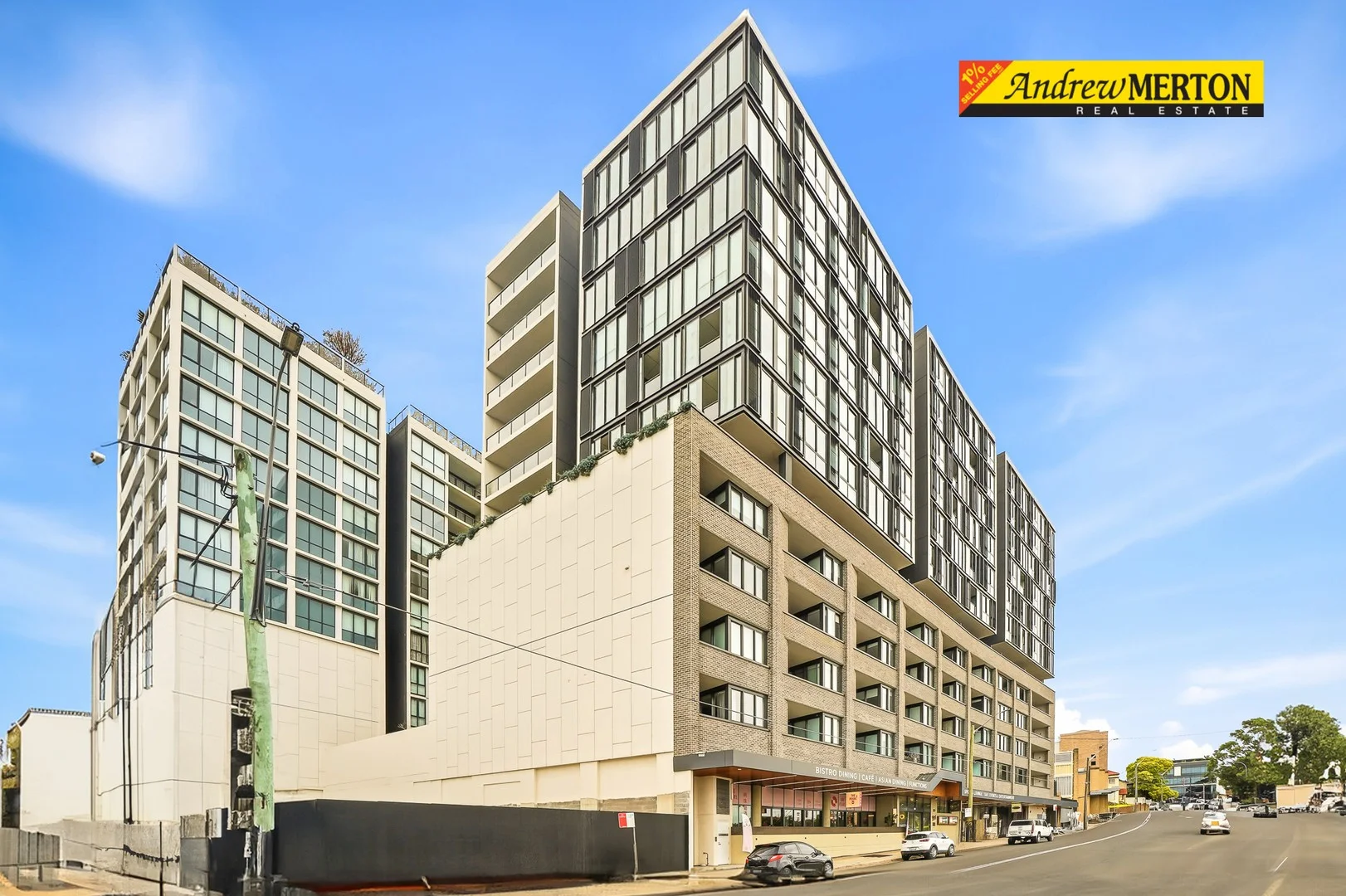 $699,000
Apartment / Unit / Flat
$699,000
Apartment / Unit / Flat
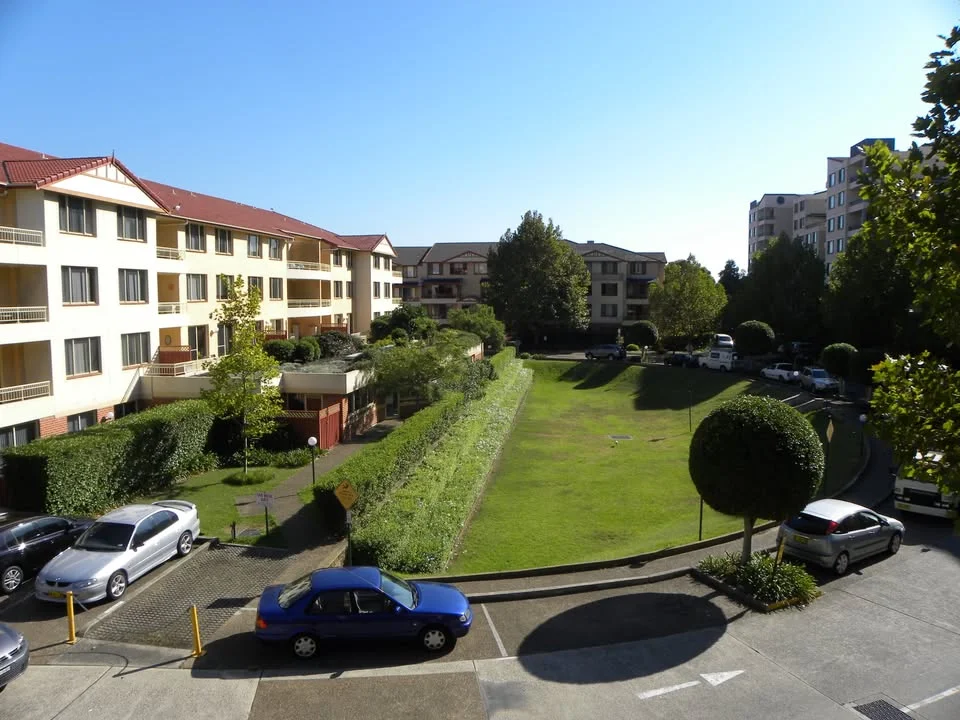 $990
Apartment / Unit / Flat
$990
Apartment / Unit / Flat
 $933,000
Apartment / Unit / Flat
$933,000
Apartment / Unit / Flat


