## Overview
Duranbah Public School is a public NSW primary school serving families in the Duranbah area and surrounding communities. The school emphasises a welcoming, inclusive culture where students are encouraged to be curious, kind, and engaged in their learning. It operates as a small-to-medium rural school, with class sizes designed to support individual attention and positive relationships between students and staff.
The atmosphere is nurturing and community-focused, balancing academic development with social and personal growth. Staff strive to create an environment where every child feels safe, supported, and able to participate in a range of learning experiences.
---
## Academics & Learning
- Academic strengths: English and Numeracy are well-supported, with emphasis on literacy development, comprehension, and numeracy problem-solving. STEM-connected learning and opportunities to explore practical applications of concepts are encouraged.
- Special programs: Gifted and Talented opportunities, targeted literacy and numeracy interventions, and programs designed to build leadership and resilience.
- NAPLAN trends: Positive year-to-year trends with steady improvement in key literacy and numeracy areas, and ongoing focus on building foundational skills and higher-order thinking.
- Student-teacher ratios: Generally low-to-mid range for NSW public primary schools, supporting small-group instruction and individual feedback.
- Support for diverse learners: Strong inclusion focus with targeted support for EAL (if applicable), SEN, and learners needing additional assistance through classroom differentiation and school-based intervention programs.
---
## Sports & Extracurricular Strengths
- Sports offered: A range of team and individual sports appropriate for a rural setting, with emphasis on participation, teamwork, and skill development.
- Strong teams or achievements: Notable emphasis on school spirit, participation in district events, and recognition for sportsmanship and steady improvement.
- Music, arts, drama programs: Access to music and performing arts opportunities, with school-wide performances and showcases when possible.
- Clubs: Robotics, coding, chess, and debating clubs contribute to practical problem-solving and critical thinking.
- Partnerships: Local community collaborations and participation in regional competitions and showcases support student growth beyond the classroom.
Note: This section highlights the kind of activities typically valued by families in NSW rural schools and what Duranbah Public School prioritises for student engagement.
---
## Wellbeing & Pastoral Care
- Anti-bullying approach: Proactive, whole-school anti-bullying initiatives with clear reporting structures and supportive responses.
- House system: A house-based framework to foster belonging, healthy competition, and teamwork across year levels.
- Counsellors / wellbeing officers: Access to wellbeing staff or school-based support to help students with personal, social, or emotional needs.
- Transition support for new students: Welcome programs, buddy systems, and targeted orientation to help new students settle in smoothly.
This section focuses on fostering trust and a safe, supportive environment where students can thrive academically and socially.
---
## Facilities
- Sports grounds: Outdoor spaces suitable for physical education and sport.
- Libraries: A welcoming library supporting reading for pleasure and research skills.
- Science labs: Practical learning spaces to explore experiments and scientific inquiry.
- Music/performing arts centers: Facilities or spaces for music practice and school performances.
- Tech/innovation labs: Areas for coding, robotics, and digital learning activities.
- Cafeteria: On-site or nearby canteen facilities supporting healthy eating.
- Updated playgrounds: Age-appropriate play areas and outdoor learning spaces.
Visual, simple design and easy access to spaces support a hands-on learning experience.
---
## School Values & Community Culture
- School values / mission: Focus on respect, responsibility, inclusion, and contribution to the local community.
- Leadership style: Student voice is encouraged through leadership roles and active participation in school decisions.
- Behaviour expectations: Clear expectations centered on respect, cooperation, effort, and integrity.
- Community reputation: Known for a friendly, supportive school community with strong family partnerships.
- Diversity & inclusion: Commitment to welcoming students from diverse backgrounds and ensuring equitable access to learning experiences.
---
## School Logistics & Daily Operations
- School hours: Typical primary school day structure with start and finish times aligned to NSW norms.
- Before/after school care: Availability of early arrival and after-school supervision or care options.
- Uniform requirements: NSW public schools generally have a school uniform policy; details provided by the school.
- Transport (bus routes): Access to local bus routes or transport arrangements as part of the catchment area.
- Canteen availability: On-site or nearby canteen options supporting convenient lunch and snack choices.
- Fees (low/medium/high ranges): Public NSW schools generally have no tuition; minimal voluntary contributions and costs for excursions, activities, and uniforms.
---
## Enrolment & Admissions
11. What is the enrolment process and timeline?
- Enrolment typically begins through the school’s administration and local catchment processes. Families submit the required documentation (proof of address, immunisation records, birth certificate) and complete registration forms. Timelines align with NSW Department of Education guidance and local intake periods; the school can assist with calendaring interviews or orientation sessions as needed.
12. Is there a waiting list, and how does it work?
- Waiting lists may apply for non-local residents or when the intake is at capacity. The school manages requests in line with catchment priorities and vacancies. Parents can inquire with the office to understand current status and expected timelines.
13. Are there any entry requirements, tests, or interviews?
- NSW public primary schools generally do not require entrance exams. Some entry steps may include brief interviews or discussions focused on transition planning, immunisation verification, and documentation. The school prioritises a smooth transition for new students.
14. Does the school accept mid-year transfers?
- Yes, subject to vacancy and the standard transfer process. Families should contact the school as early as possible to review availability and coordinate enrolment documentation and transition planning.
---
## Frequently Asked Questions
- Why Parents Choose This School?
- A welcoming, community-focused environment with small class sizes and strong teacher–student relationships that support individual learning and wellbeing.
- What type of student thrives at this school?
- Curious, cooperative and engaged students who value inclusive learning, participation in a range of activities, and positive contributions to the school community.
- What opportunities are available for students to extend their skills (academics, sports, arts)?
- A mix of literacy and numeracy enrichment, STEM-connected projects, sports participation, music/arts opportunities, and clubs such as robotics, coding, chess, and debating.
- How does the school communicate with parents?
- Regular updates through newsletters, emails, a parent portal or communication app, and in-person or phone conversations as needed.
- What is the school’s approach to teaching and learning?
- A balanced, evidence-based approach focused on foundational skills, differentiation to meet diverse needs, and opportunities for inquiry, collaboration, and real-world application.
- How does the school support students who need extra academic help?
- Targeted interventions in literacy and numeracy, small-group support, and access to specialists or learning support staff.
- What support is available for academic challenges?
- Early identification, personalized learning plans, and ongoing progress monitoring to help students get back on track.
- How does the school communicate with parents?
- See above. Ongoing dialogue is encouraged to keep families informed about progress and needs.
- What are the class sizes and how much individual attention do students receive?
- Class sizes are small-to-medium for NSW public primary schools, enabling frequent teacher feedback, small-group instruction, and differentiated learning.
- What extracurricular and sports opportunities are available?
- Participation in a range of sports and physical activities, along with clubs such as robotics, coding, chess, and debating, depending on term offerings and student interest.
- What facilities does the school offer (sports, science, arts)?
- Access to sports grounds, a library, science labs, music/performing arts spaces, and tech/innovation facilities to support a well-rounded curriculum.
- What is the school’s approach to technology and digital learning?
- Integration of digital tools and coding opportunities, with access to computers or tablets, interactive learning, and development of digital literacy skills.
- What transport and accessibility options are available?
- Local transport options and accessibility considerations are provided in coordination with NSW transport services and the school’s administration.
- What are the typical school fees or additional costs?
- As a public school, there is no tuition fee. Families may incur costs for uniforms, approved excursions, and some voluntary contributions or activity costs.
---
## Short Pros & Cons list
- Pros
- Small-to-medium, community-focused setting with nurturing, inclusive culture
- Strong emphasis on literacy and numeracy with targeted supports
- Diverse extracurriculars (STEM, robotics, coding, chess, debating)
- Clear wellbeing framework and transition support for new students
- Accessible facilities that support a balanced learning experience
- Cons
- Limited scale of facilities compared to larger urban schools (typical of rural context)
- Extracurricular offerings may vary by term and staff availability
- Transport options depend on local routes and geography
Note: Details may change over time. For the most current information, please check with the school administration.

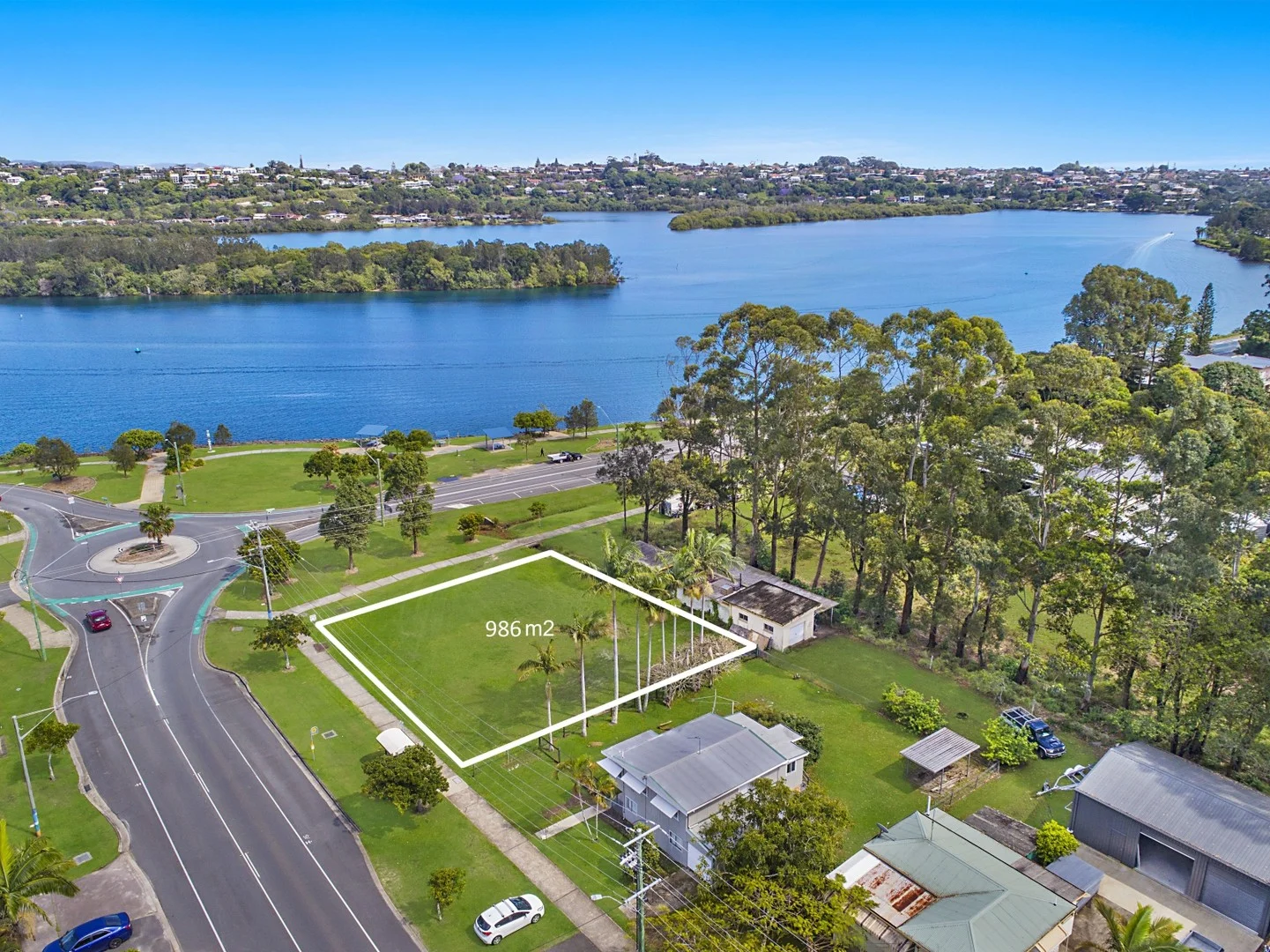 $1,000,000
Vacant Land
$1,000,000
Vacant Land
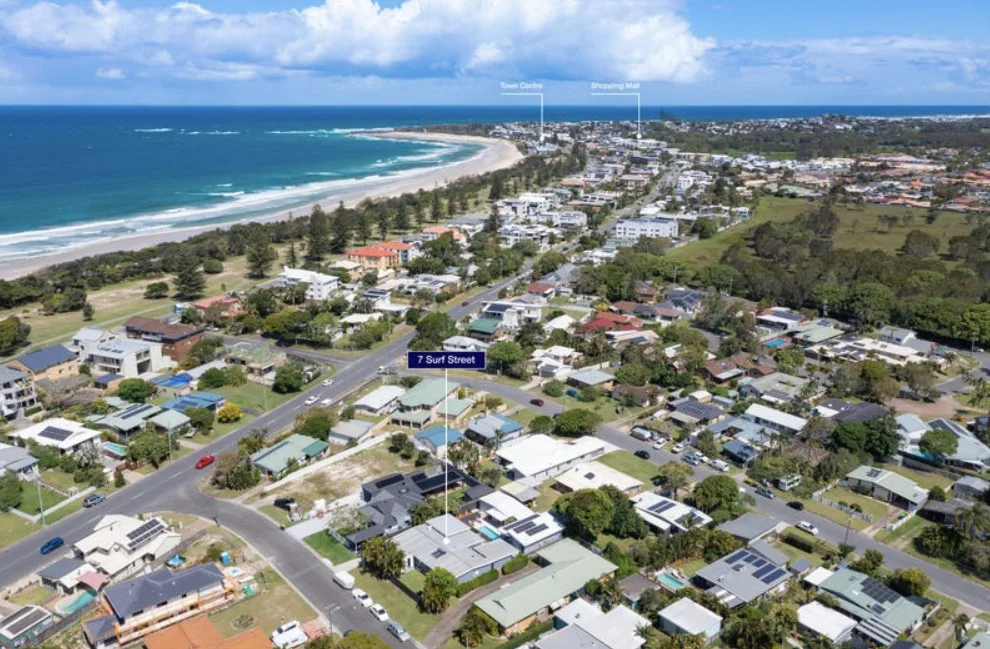 $2,200,000 - $2,350,000
House
$2,200,000 - $2,350,000
House
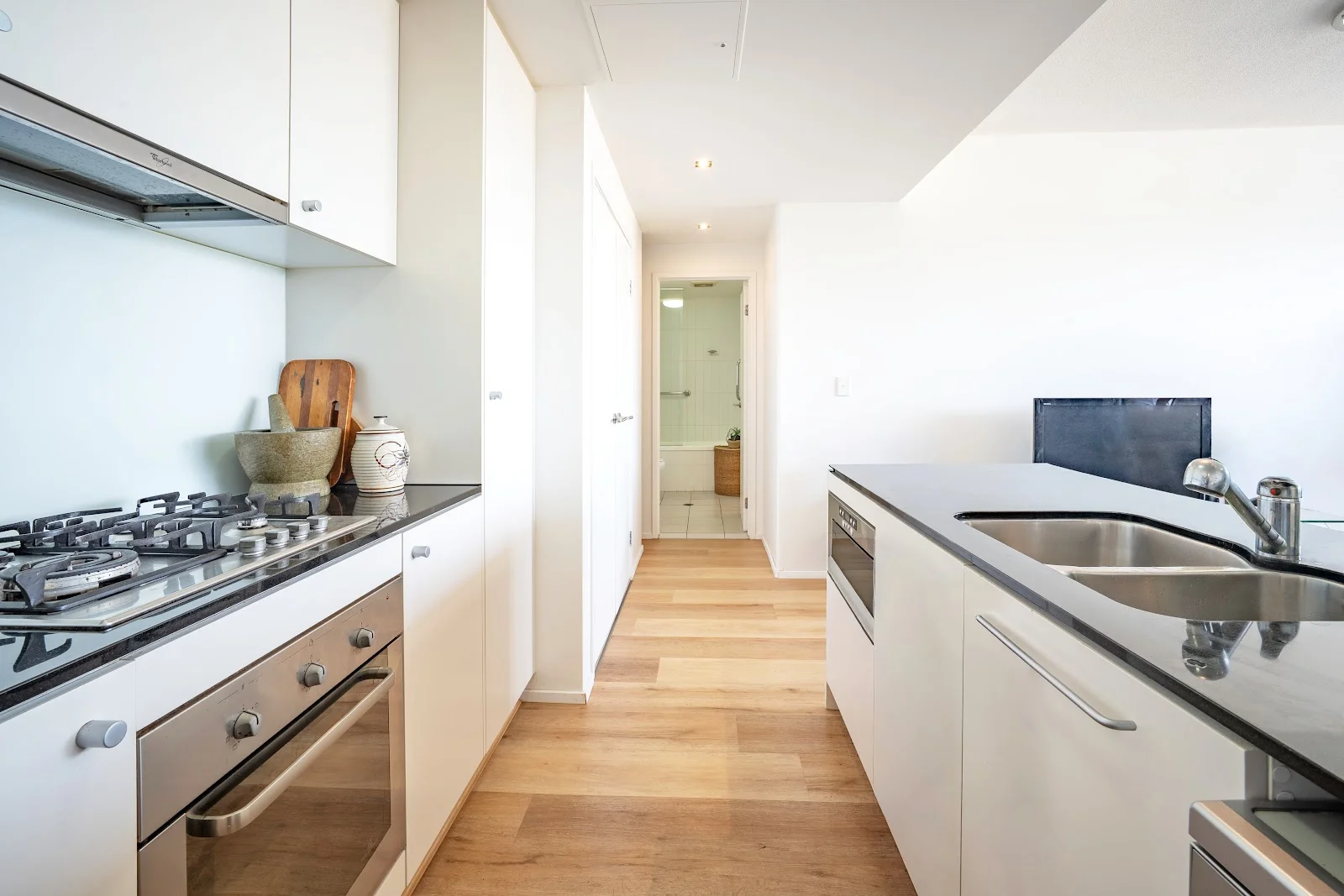 $750,000
Apartment / Unit / Flat
$750,000
Apartment / Unit / Flat
 $630,000
Vacant Land
$630,000
Vacant Land


