# 1. Overview
Endeavour Sports High School is a public NSW Department of Education high school that places a strong emphasis on sport alongside academic achievement. It operates as a large, co-educational environment that supports student-athletes and fosters school pride through a broad program of sports and extracurricular activities.
As a large public school, it typically enrolls a substantial student body with class sizes that are in the mid-range for NSW public high schools. The atmosphere is sporty and energetic, but also inclusive and supportive, aiming to balance high-performance sport with rigorous learning and strong pastoral care.
# 2. Academics & Learning
- Academic strengths: English and Mathematics are core strengths, with robust programs across Science, STEM subjects, and Sport Science. The school also supports leadership development and offers elective pathways in areas like the humanities and languages where available.
- Special programs: NSW public schools often provide pathways such as HSC subjects and opportunities for accelerated or gifted/talented programs; Endeavour Sports High typically offers options that allow high-achieving students to extend their learning within a sports-focused environment.
- NAPLAN / trends: The school generally demonstrates steady progress in literacy and numeracy over time, with strengths in reading and numeracy contributing to strong overall performance relative to state averages. Specific year-to-year trends can be viewed in public profiles or school reports.
- Student-teacher ratios: Typical ratios are around 1:20 to 1:28, varying by subject and year level.
- Support for diverse learners: The school provides EAL (English as an Additional Language) support and SEN (Special Educational Needs) services, with learning support staff and tailored adjustments to meet diverse learner needs.
# 3. Sports & Extracurricular Strengths
- Sports offered: A wide range of sports is available, including rugby league, soccer, cricket, basketball, netball, athletics, swimming, tennis, volleyball, and more. The program emphasizes development in both team and individual sports.
- Strong teams or achievements: The school runs competitive inter-school teams and participates in NSW sporting competitions, with a focus on high performance and representative opportunities for talented athletes.
- Music, arts, drama programs: Performing arts and music programs are part of the broader school culture, with opportunities for ensembles, drama productions, and related creative activities.
- Clubs: Robotics, chess, coding, debating and other academic or interest-based clubs are typically offered to broaden students’ experiences beyond sport.
- Partnerships: The school often partners with local sporting academies, community clubs, and regional competitions to provide extra opportunities for training, competition, and pathways in sport and related disciplines.
# 4. Wellbeing & Pastoral Care
- Anti-bullying approach: The school promotes a positive, respectful culture with clear anti-bullying policies and programs that support safe learning environments for all students.
- House system: A house system is typically used to foster belonging, leadership opportunities, healthy competition, and school spirit.
- Counsellors / wellbeing officers: A team of school counsellors and wellbeing staff supports students’ mental health, transition, and everyday welfare needs.
- Transition support for new students: Orientation programs, buddy systems, and targeted transition support help new students settle in smoothly and build social connections.
# 5. Facilities
- Sports grounds: Extensive outdoor sports facilities and playing fields to support a wide range of sports.
- Libraries: Well-equipped library suitable for study, research, and quiet reading.
- Science labs: Modern science laboratories for biology, chemistry, physics, and related experiments.
- Music/performing arts centers: Facilities for music ensembles and performing arts activities.
- Tech/innovation labs: Technology and digital learning spaces to support coding, design, and innovation projects.
- Cafeteria: On-site dining options or a school cafeteria for student meals and breaks.
- Updated playgrounds: Contemporary outdoor spaces and recreation areas that support student well-being.
# 6. School Values & Community Culture
- School values / mission: The school typically emphasises excellence, inclusion, teamwork, and respect, with a focus on balancing sporting excellence with academic achievement.
- Leadership style: Leadership is often distributed, with opportunities for student voice, leadership roles, and teacher involvement to support a collaborative culture.
- Behaviour expectations: Clear expectations around respectful conduct and positive behaviour for learning to maintain a safe and welcoming environment.
- Community reputation: Known for a strong sport-focused culture within a diverse student body, with a reputation for supporting student-athletes to excel in both sport and academics.
- Diversity & inclusion: A commitment to inclusivity, with programs and pathways that support students from diverse backgrounds.
# 7. School Logistics & Daily Operations
- School hours: Typically around 9:00 am to 3:15 pm each school day, with variations for exams, sport commitments, and school events.
- Before/after school care: OSHC or similar arrangements are usually available through external providers to support working families.
- Uniform requirements: School uniform expected daily, with sports uniform options for physical education and sport activities.
- Transport (train/bus routes): Access to public transport options nearby (bus routes and trains) with convenient links to local stations and major express routes.
- Canteen availability: On-site canteen or café services available for breaks and lunches.
- Fees (low/medium/high ranges): As a public school, there is no tuition fee; there are typically voluntary contributions and costs for uniforms and certain activities, which are generally modest.
# 8. Enrolment & Admissions
11. What is the enrolment process and timeline?
- Enrolment is managed through the NSW Department of Education. Parents should prepare required documents (proof of identity, residency, etc.) and apply for Year 7 or relevant year. Offers are issued in line with Department timelines, with notifications typically announced before the start of the new school year. Check the latest Department guidance for precise windows and steps.
12. Is there a waiting list, and how does it work?
- Waiting lists can occur if applications exceed available places. Placement tends to follow catchment rules, with some flexibility for in-year transfers. The school and Department communicate eligibility and timelines for offers from the waiting list.
13. Are there any entry requirements, tests, or interviews?
- For a standard NSW public high school, there are usually no entry tests or interviews for general enrolment. If applying for the sports-focused program or specific pathways, there may be form submissions or sport-related eligibility checks, but there is no formal selective admission exam for general intake.
14. Does the school accept mid-year transfers?
- Yes, mid-year transfers are possible where vacancies exist. Parents should contact the school administration promptly, with required documentation, to discuss availability and the transfer process.
# 9. Frequently Asked Questions
- Why Parents Choose This School?
- A strong combination of sport and academics, supportive staff, and opportunities for student-athletes to develop discipline, teamwork, and leadership while pursuing a broad curriculum.
- What type of student thrives at this school?
- Students who are motivated, enjoy sport or athletics, value teamwork, and want to balance sport with academics often thrive here.
- What opportunities are available for students to extend their skills (academics, sports, arts)?
- Options include advanced coursework in core subjects, sport-specific training and competition, performing arts programs, and clubs such as robotics, coding, and debating.
- How does the school communicate with parents?
- Regular updates via newsletters, emails, parent portals, and events; open channels through the school office and year coordinators.
- What is the school’s approach to teaching and learning?
- A balanced approach that integrates high academic standards with practical, sport-related pathways and real-world skills; emphasis on student engagement, feedback, and supportive learning environments.
- How does the school support students who need extra academic help?
- Access to learning support staff, EAL and SEN services, targeted interventions, and tutoring or study support where available.
- What support is available for academic challenges?
- Dedicated counsellors or wellbeing staff, academic planning, and collaboration with families to design appropriate learning supports.
- How does the school communicate with parents? (duplicate)
- See above: regular updates through multiple channels and timely communication about student progress and school events.
- What are the class sizes and how much individual attention do students receive?
- Class sizes typically range around 20–28 students, with teachers providing guidance and in-class support; additional help is available through tutoring, after-school programs, and learning support services.
- What extracurricular and sports opportunities are available?
- A broad range of sports, plus clubs such as robotics, chess, coding, debating, and arts-related activities.
- What facilities does the school offer (sports, science, arts)?
- Comprehensive facilities including sports grounds, science labs, library, performing arts spaces, tech/innovation labs, and a canteen.
- What is the school’s approach to technology and digital learning?
- Integration of technology across learning areas, with digital literacy and coding opportunities embedded in the curriculum and dedicated tech spaces.
- What transport and accessibility options are available?
- Access to local bus routes and train services with proximity to key transport links; accessibility features are part of the school’s planning to support all students.
- What are the typical school fees or additional costs?
- As a public school, there is no tuition fee; there are costs associated with uniforms, excursions, and some elective materials or activities.
# 10. Short Pros & Cons list
- Pros
- Strong sport-focused culture with opportunities to excel in athletics alongside academics
- Large, diverse student body with broad extracurricular options
- Supportive wellbeing and pastoral care, plus structured transition programs for new students
- Comprehensive facilities supporting science, arts, technology, and sport
- Clear pathways for leadership, teamwork, and personal development
- Cons
- Large school environment can feel busy; some students prefer smaller settings
- Highly competitive sport culture may require significant time management from student-athletes
- Transport and commute considerations depending on residence location
- Costs associated with uniforms, activities, and excursions beyond basic provision
If you’d like, I can tailor this content further to match the latest official details or add inline quotes, callouts, or quick comparison points with nearby schools.










 $699,000
Apartment / Unit / Flat
$699,000
Apartment / Unit / Flat
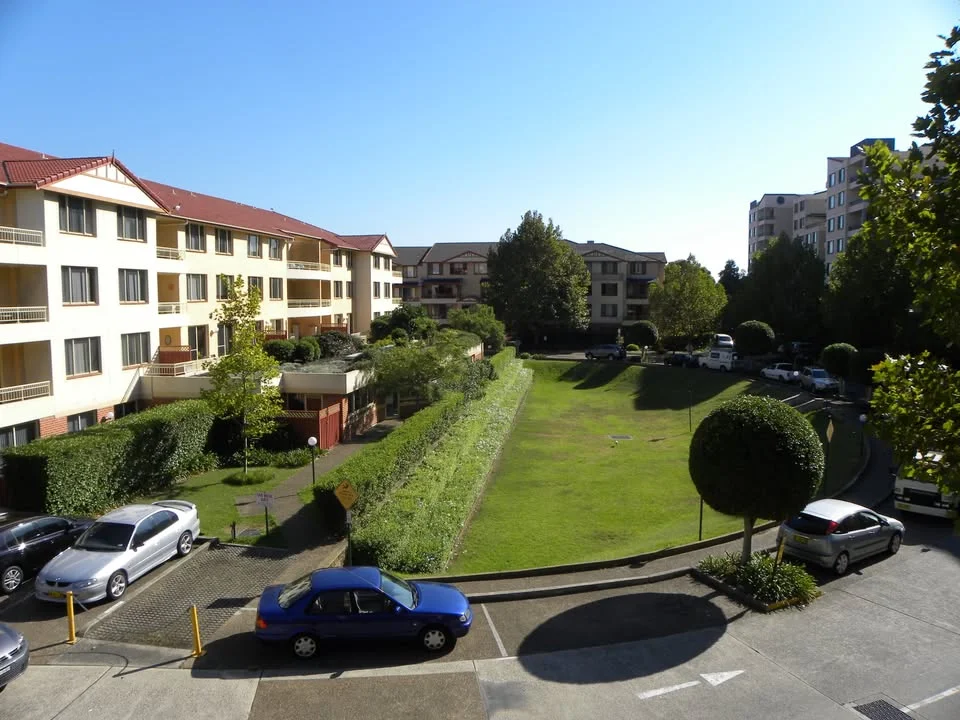 $990
Apartment / Unit / Flat
$990
Apartment / Unit / Flat
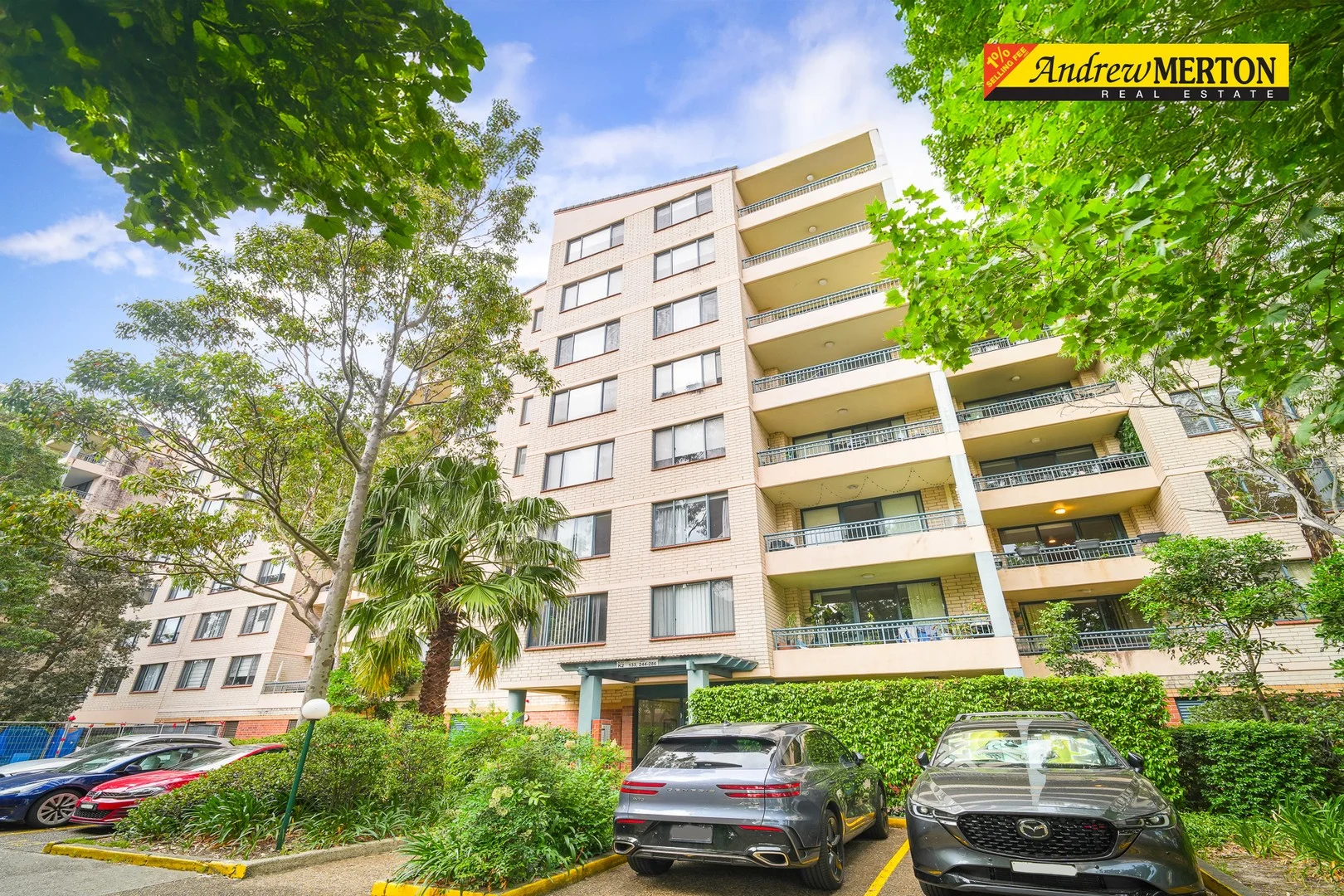 $933,000
Apartment / Unit / Flat
$933,000
Apartment / Unit / Flat


