Overview
## Overview
GOAL College Glebe Campus is an independent/private school in Sydney's inner-west, offering a co-educational learning environment with a focus on academic achievement, leadership development, and student wellbeing. The campus aims to cultivate responsible, curious learners who are prepared for the opportunities and challenges of modern life.
The school is medium-sized, with small-to-moderate class sizes that encourage close teacher-student relationships. The atmosphere is inclusive and collegial, combining academic rigour with strong pastoral care to support students across a range of interests and abilities.
⸻
## Academics & Learning
- Academic strengths: STEM, English, leadership development, and languages form core areas of emphasis, with a holistic approach to critical thinking and problem-solving.
- Special programs: Potential offerings may include accelerated learning options and gifted/talented programs to challenge high-achieving students.
- NAPLAN trends: The school tracks NAPLAN trends over time to monitor literacy and numeracy progress and to guide teaching strategies; data are used to inform school improvement plans.
- Student-teacher ratios: Class sizes are designed to be small-to-medium to support individual attention and feedback.
- Support for diverse learners: EAL (English as an Additional Language) support and SEN (special needs) support are part of the school's inclusive approach.
⸻
## Sports & Extracurricular Strengths
- Sports offered: A range of team and individual sports typical for NSW independent schools (e.g., soccer, basketball, cricket, rugby, netball, tennis, swimming) with opportunities for inter-school competition.
- Strong teams or achievements: Students participate in local inter-school leagues and tournaments, with opportunities to excel in representative pathways.
- Music, arts, drama programs: Performing arts ensembles and productions, along with music programs, support a well-rounded arts offering.
- Clubs: Robotics, chess, coding, debating, and other clubs help students explore interests beyond the classroom.
- Partnerships: The school may collaborate with local academies and participate in regional competitions to extend opportunities beyond campus.
⸻
## Wellbeing & Pastoral Care
- Anti-bullying approach: A proactive, policy-driven approach to anti-bullying, with clear guidelines and student education.
- House system: A house-based structure promotes belonging, healthy competition, and pastoral connections across year groups.
- Counsellors / wellbeing officers: Access to dedicated wellbeing staff to support social-emotional health, resilience, and personal development.
- Transition support for new students: Orientation activities and buddy programs help new students settle in and build connections quickly.
⸻
## Facilities
- Sports grounds: On-site sports grounds and courts support a range of physical activities.
- Libraries: A library that supports study, research, and reading for pleasure.
- Science labs: Well-equipped science facilities for practical experiments and inquiry.
- Music/performing arts centers: Dedicated spaces for music, drama, and performances.
- Tech/innovation labs: Modern spaces for coding, robotics, and hands-on tech learning.
- Cafeteria: On-site canteen or dining facilities for students.
- Updated playgrounds: Safe, well-maintained outdoor play and recreation areas.
⸻
## School Values & Community Culture
- School values / mission: A focus on respect, integrity, excellence, and community, guiding both academics and everyday conduct.
- Leadership style: A collaborative leadership approach that emphasizes student voice, teacher collaboration, and parent engagement.
- Behaviour expectations: Clear expectations centered on respect, responsibility, and resilience.
- Community reputation: The school aims to foster a welcoming, engaged community with strong ties to families and local partners.
- Diversity & inclusion: Commitment to an inclusive environment that values diverse backgrounds and perspectives.
⸻
## School Logistics & Daily Operations
- School hours: Typical school day runs from around 9:00 am to 3:30 pm, with pockets of time for structured learning and activities.
- Before/after school care: Availability of before- and after-school care or supervision to support families.
- Uniform requirements: School uniform policy with specified attire for daily wear and/ or formal occasions.
- Transport: Access to public transport options (train/bus routes) and information about school-supported travel arrangements.
- Canteen availability: On-site canteen or approved meal provisions for students.
- Fees: Fees fall within the mid-to-high range for NSW independent schools; exact costs vary by year level and program.
⸻
## Enrolment & Admissions
11. What is the enrolment process and timeline?
- Online inquiry or application submission is typical. Families are usually asked to provide birth certificate or passport, recent school reports, and any relevant specialist assessments. There is often an interview or information session as part of the process, followed by consideration of space and cohort needs. The admission timeline commonly includes a short application period, assessment/immersion steps (where applicable), and a decision window.
12. Is there a waiting list, and how does it work?
- Many independent NSW schools have a waiting list when year-level intake is full. If a waiting list exists, priority is usually given to siblings, then to applicants who best fit the school’s values and capacity, with regular updates provided to families.
13. Are there any entry requirements, tests, or interviews?
- Entry often includes a family interview and possibly age-appropriate assessments or activity/skill tasks. For certain programs or year levels, there may be additional language or numeracy checks, and documentation of prior schooling and support needs if applicable.
14. Does the school accept mid-year transfers?
- Mid-year transfers are often possible subject to space and a smooth handover of records. Families should contact the admissions team as early as possible to confirm availability and required documentation.
⸻
## Frequently Asked Questions
- Why Parents Choose This School?
- A combination of strong pastoral care, focused academic programs, and a supportive community that emphasizes character and leadership development.
- What type of student thrives at this school?
- Students who are curious, motivated, and value a balanced approach to academics, arts, and sport, with a desire for meaningful support and opportunities to lead.
- What opportunities are available for students to extend their skills (academics, sports, arts)?
- Rigorous coursework options, leadership and service opportunities, competitive sport pathways, and a range of arts programs (music, drama, visual arts) plus clubs such as robotics, coding, and debating.
- How does the school communicate with parents?
- Regular updates through newsletters, parent portals, emails, and scheduled parent-teacher meetings. Open channels for feedback and involvement are encouraged.
- What is the school’s approach to teaching and learning?
- A student-centered approach that combines foundational literacy and numeracy with inquiry-based learning, collaboration, and real-world applications.
- How does the school support students who need extra academic help?
- Targeted support through EAL/SEN services, in-class differentiation, tutoring options, and progress monitoring to tailor interventions.
- What support is available for academic challenges?
- Access to learning support staff, personalized plans, and extra coaching or mentoring as needed to close gaps and build confidence.
- What are the class sizes and how much individual attention do students receive?
- Class sizes are designed to be small-to-medium, enabling frequent teacher feedback and closer monitoring of student progress.
- What extracurricular and sports opportunities are available?
- A broad range of sports with inter-school competitions, plus clubs and performing arts programs that run before/after school or during lunch breaks.
- What facilities does the school offer (sports, science, arts)?
- Modern science labs, libraries, music/performing arts spaces, technology/innovation labs, sports grounds, and a canteen, all supporting a well-rounded education.
- What is the school’s approach to technology and digital learning?
- Emphasis on responsible digital citizenship, integrated technology across curriculum, and access to devices or platforms that support learning and collaboration.
- What transport and accessibility options are available?
- Information on public transport access (train/bus), parking, and any school-supported transport arrangements or drop-off zones.
- What are the typical school fees or additional costs?
- Fees fall within the mid-to-high range for NSW independent schools, with potential additional costs for trips, instruments, and compulsory activities. Exact figures are provided during admissions.
⸻
## Short Pros & Cons list
Pros
- Independent/private school with a holistic, values-driven approach
- Medium-sized campus with small-to-medium class sizes for individual attention
- Strong emphasis on wellbeing, leadership, and inclusive learning
- Broad range of sports, arts, and extracurricular options
- Modern facilities supporting science, technology, arts, and athletics
- Active communication with families and opportunities for parent involvement
Cons
- Higher tuition compared with public schooling and some other options
- Smaller campus may mean fewer subject options at certain year levels
- Admissions can involve competitive processes and waitlists during high-demand periods
- Transport options depend on proximity to public routes and may require planning
⸻
If you’d like, I can tailor this content further with more specific details you provide (e.g., exact class sizes, current programs, or recent achievements) or adjust the tone to be more casual or more formal for your Aroundschools page.










 $12,980,000
propertyType.NEW APARTMENTS / OFF THE PLAN
$12,980,000
propertyType.NEW APARTMENTS / OFF THE PLAN
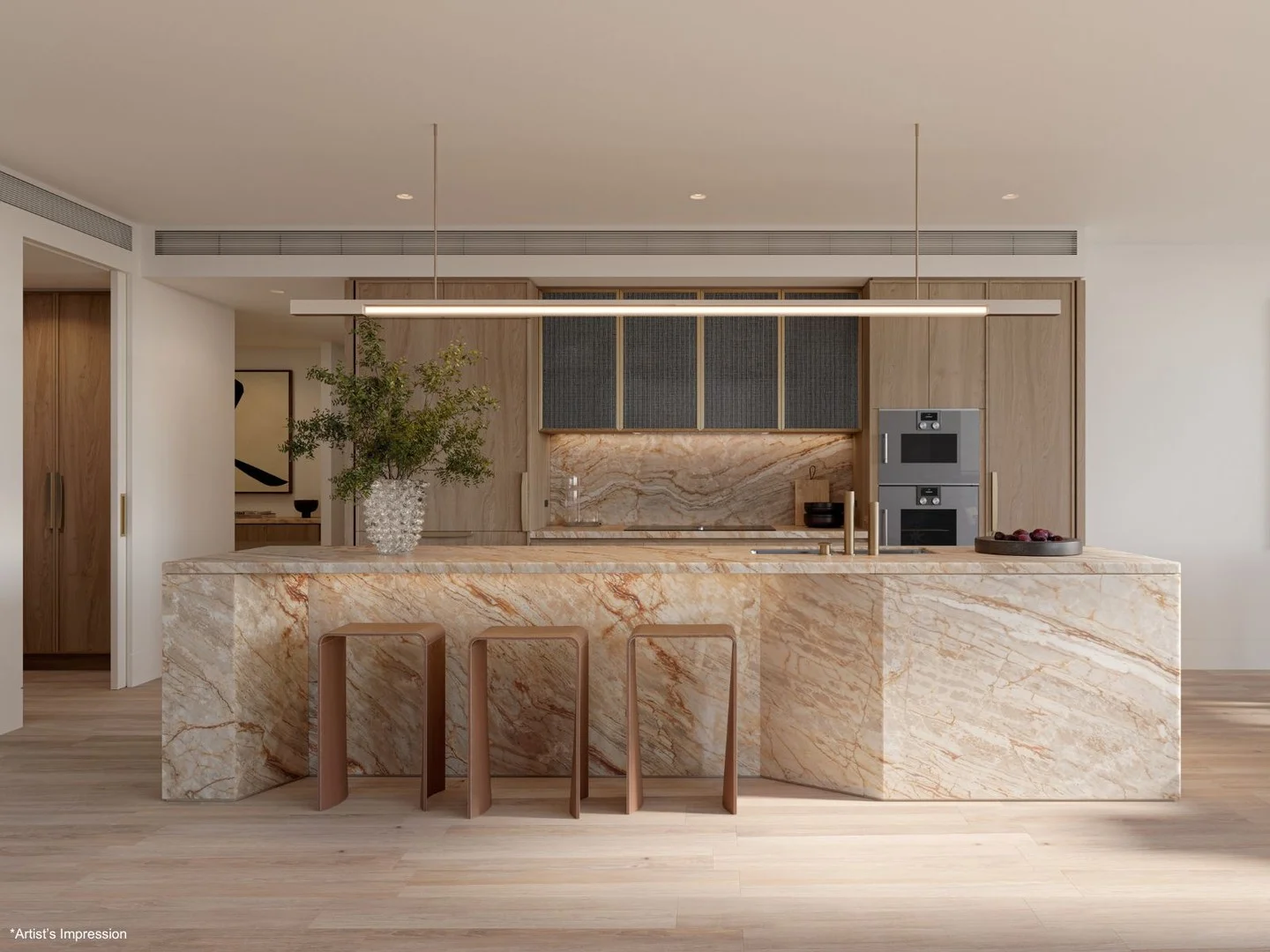 $6,225,000
propertyType.NEW APARTMENTS / OFF THE PLAN
$6,225,000
propertyType.NEW APARTMENTS / OFF THE PLAN
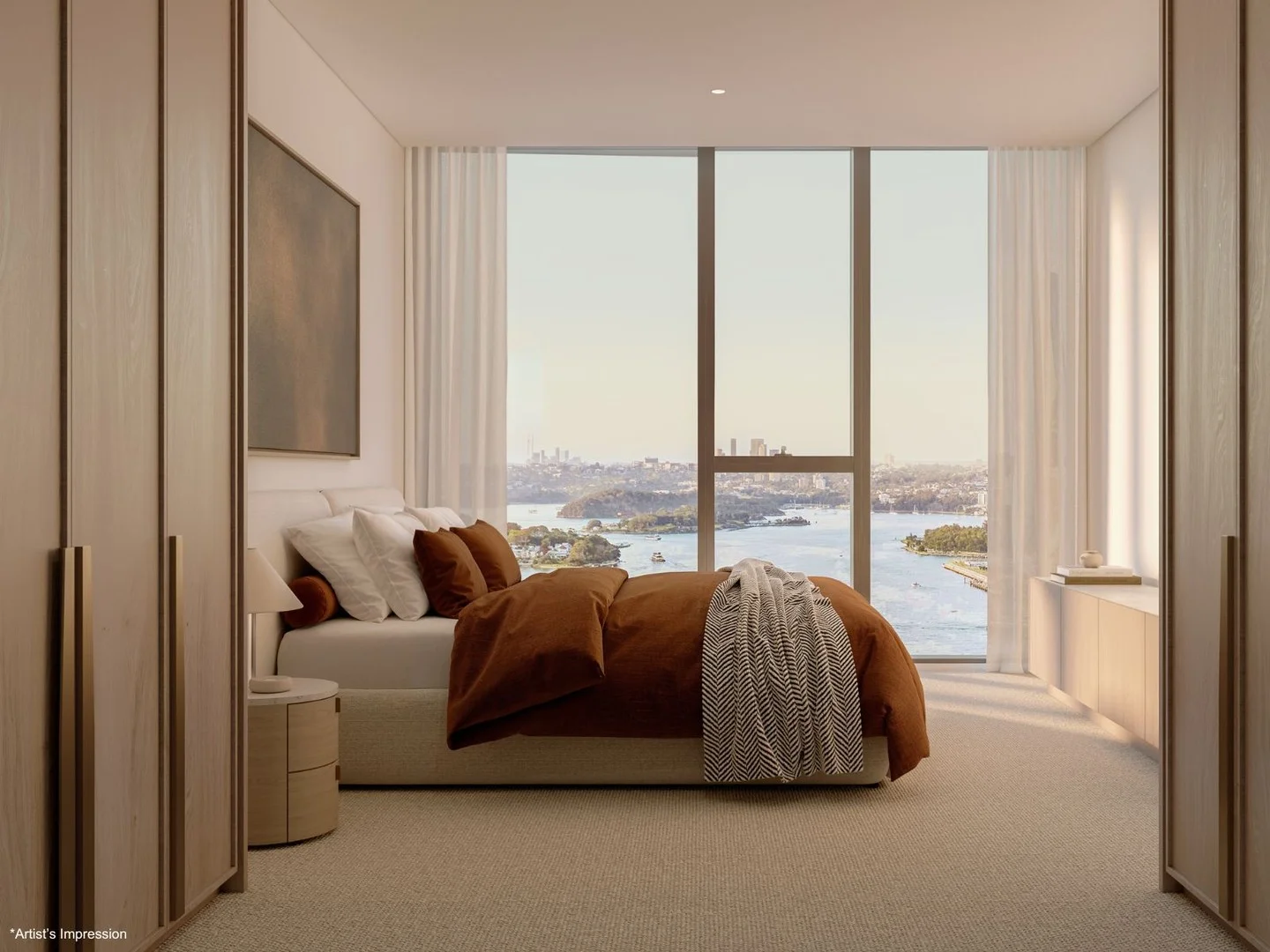 $8,630,000
propertyType.NEW APARTMENTS / OFF THE PLAN
$8,630,000
propertyType.NEW APARTMENTS / OFF THE PLAN
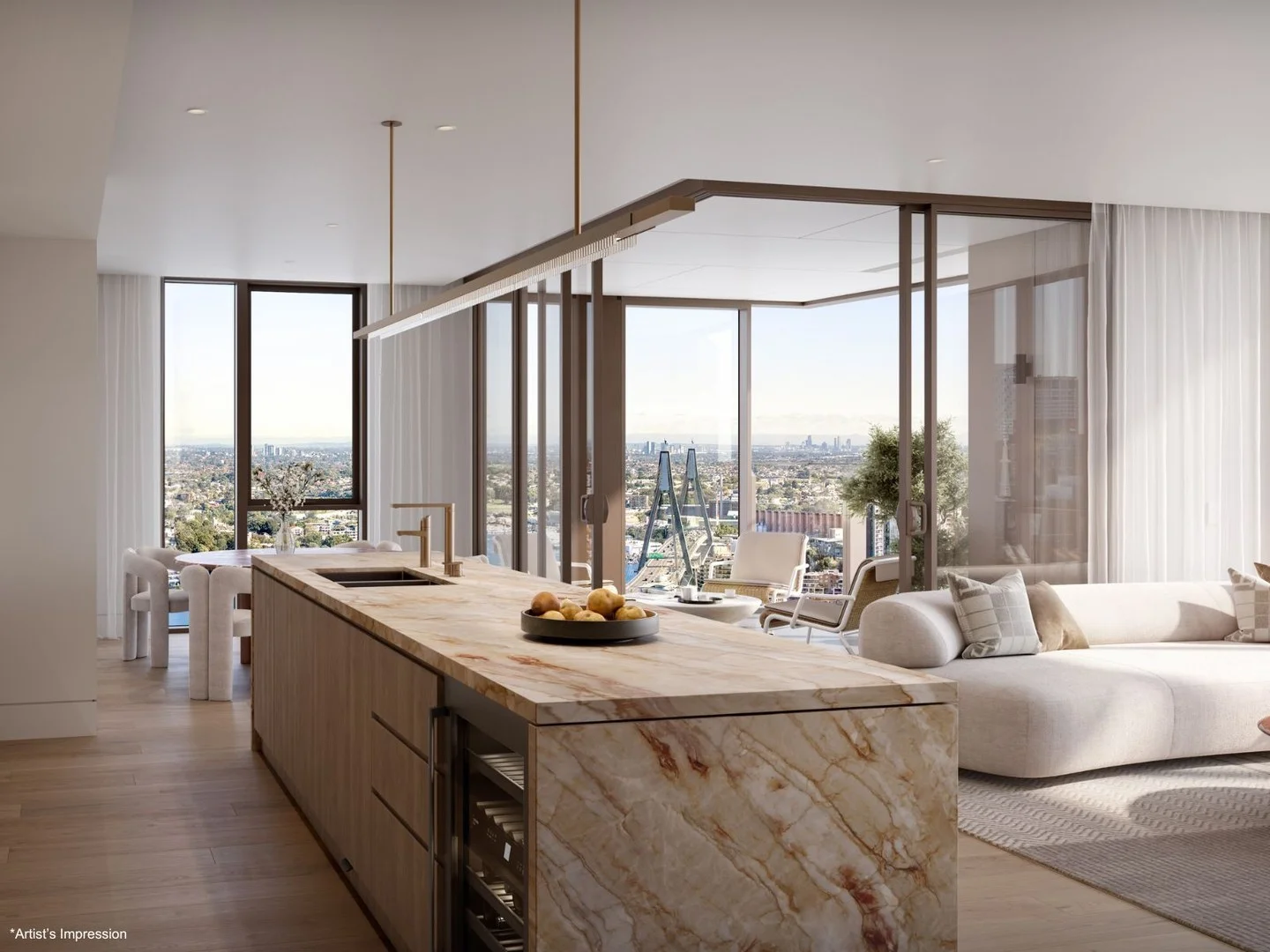 $9,020,000
propertyType.NEW APARTMENTS / OFF THE PLAN
$9,020,000
propertyType.NEW APARTMENTS / OFF THE PLAN
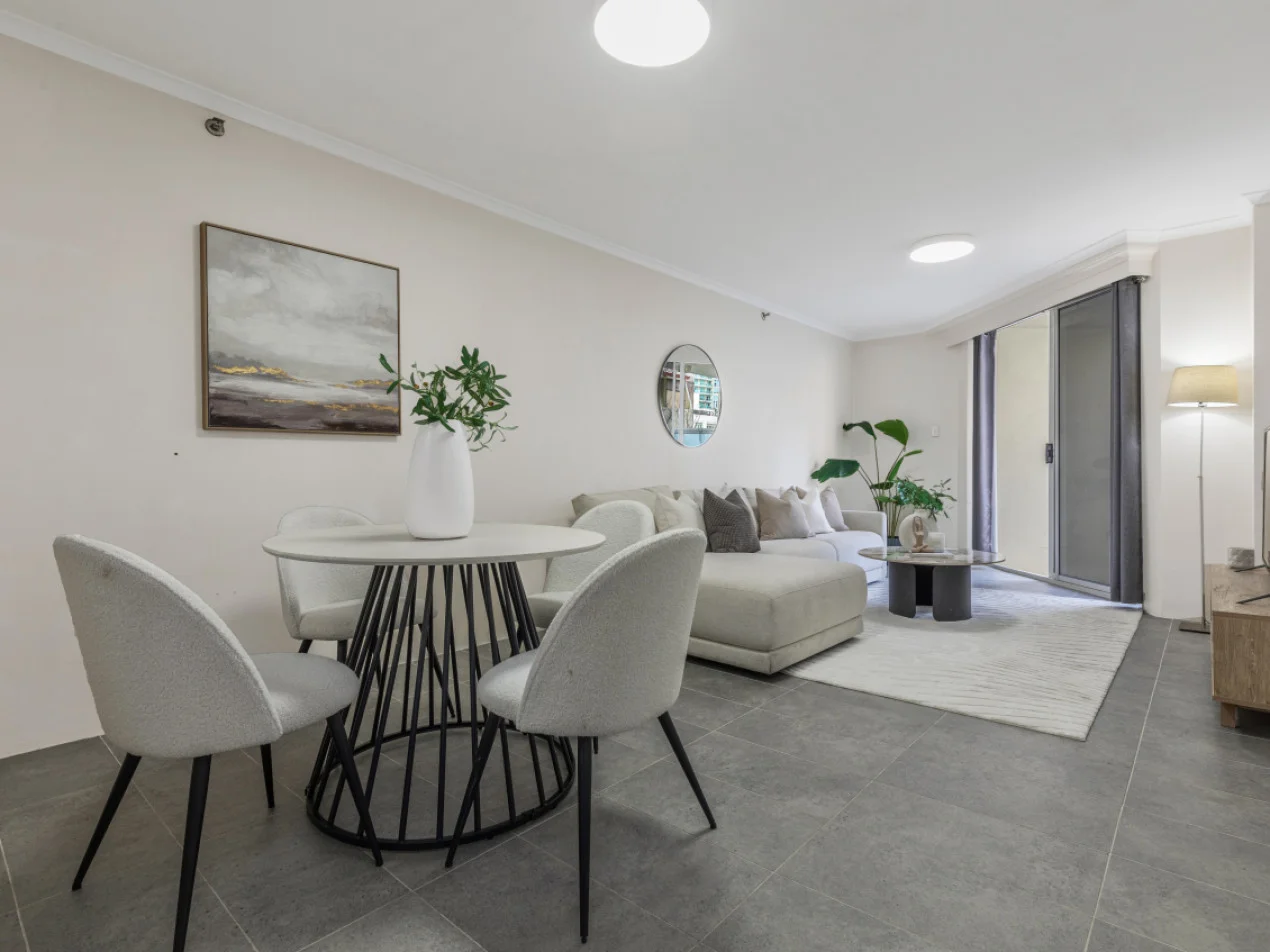 $640,000 - $675,000
Apartment / Unit / Flat
$640,000 - $675,000
Apartment / Unit / Flat
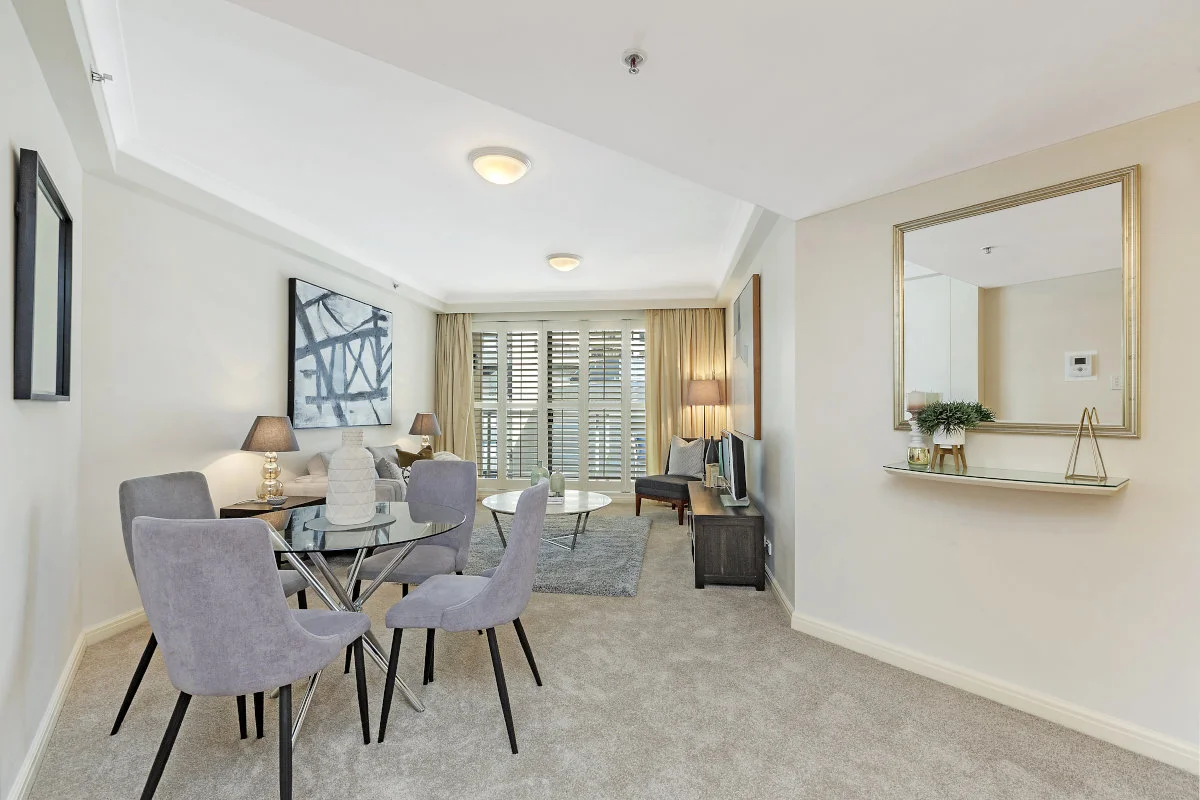 $660,000 - $725,000
Apartment / Unit / Flat
$660,000 - $725,000
Apartment / Unit / Flat
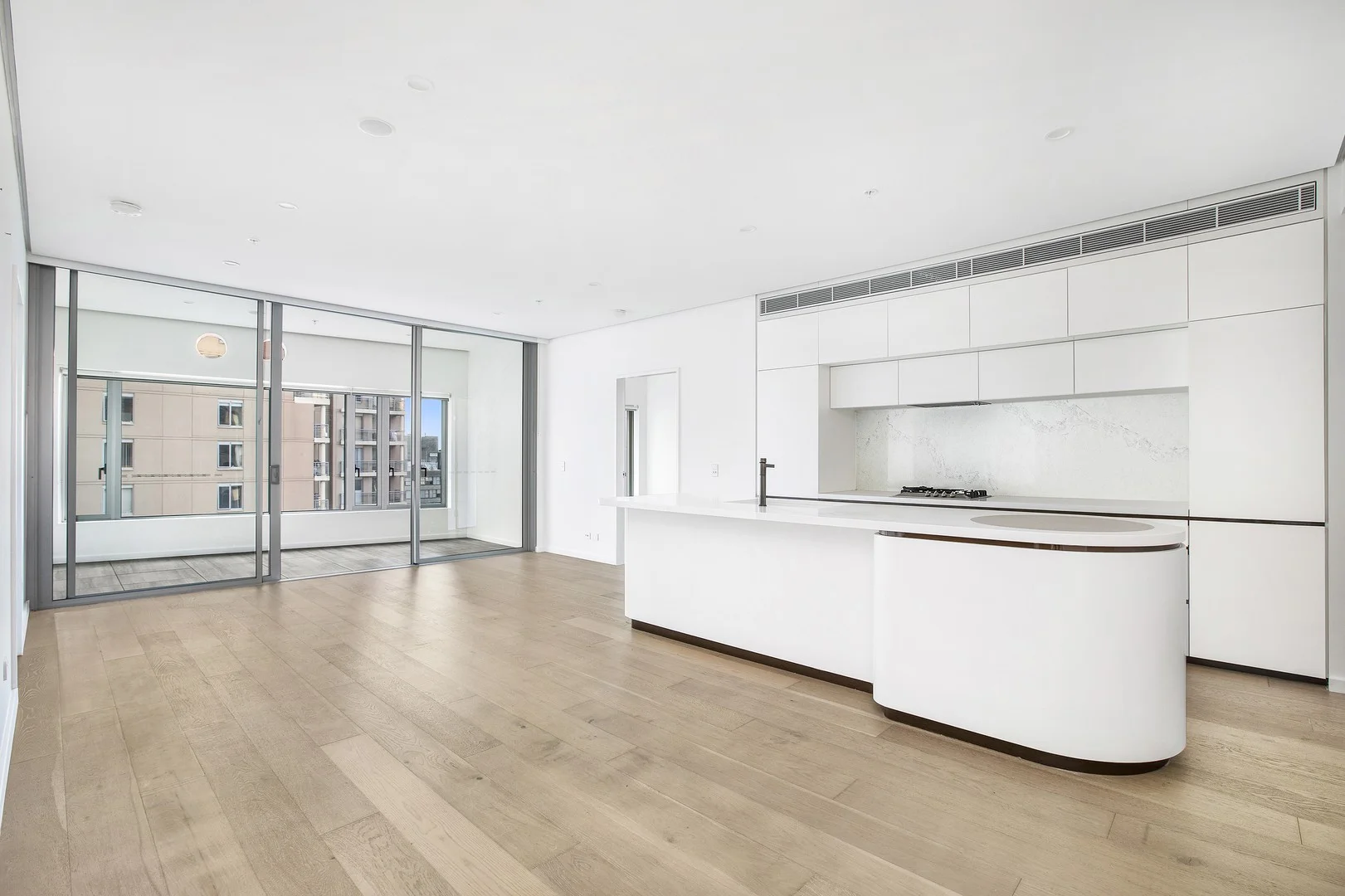 $2,250,000
Apartment / Unit / Flat
$2,250,000
Apartment / Unit / Flat
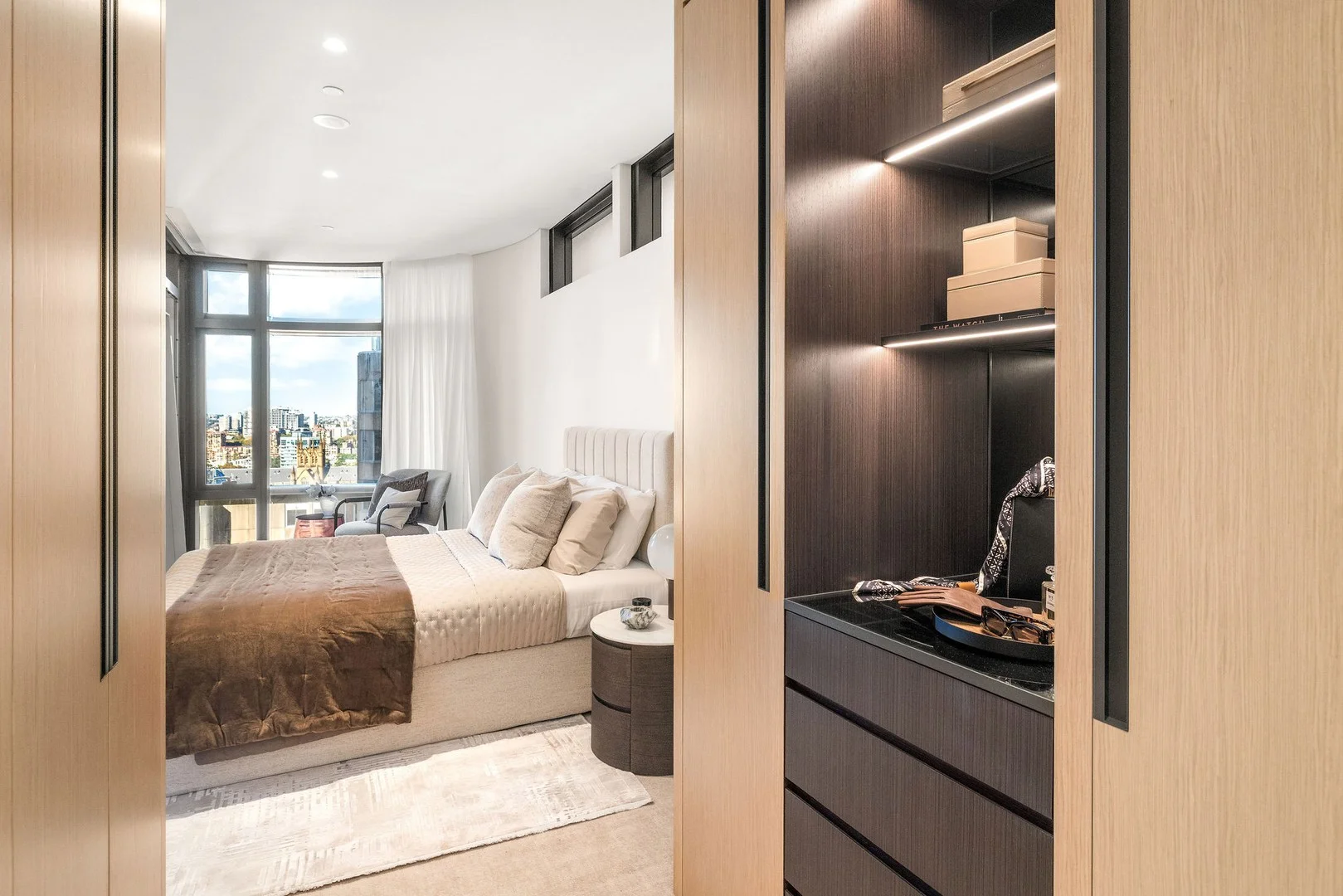 $2,745,000
propertyType.NEW APARTMENTS / OFF THE PLAN
$2,745,000
propertyType.NEW APARTMENTS / OFF THE PLAN
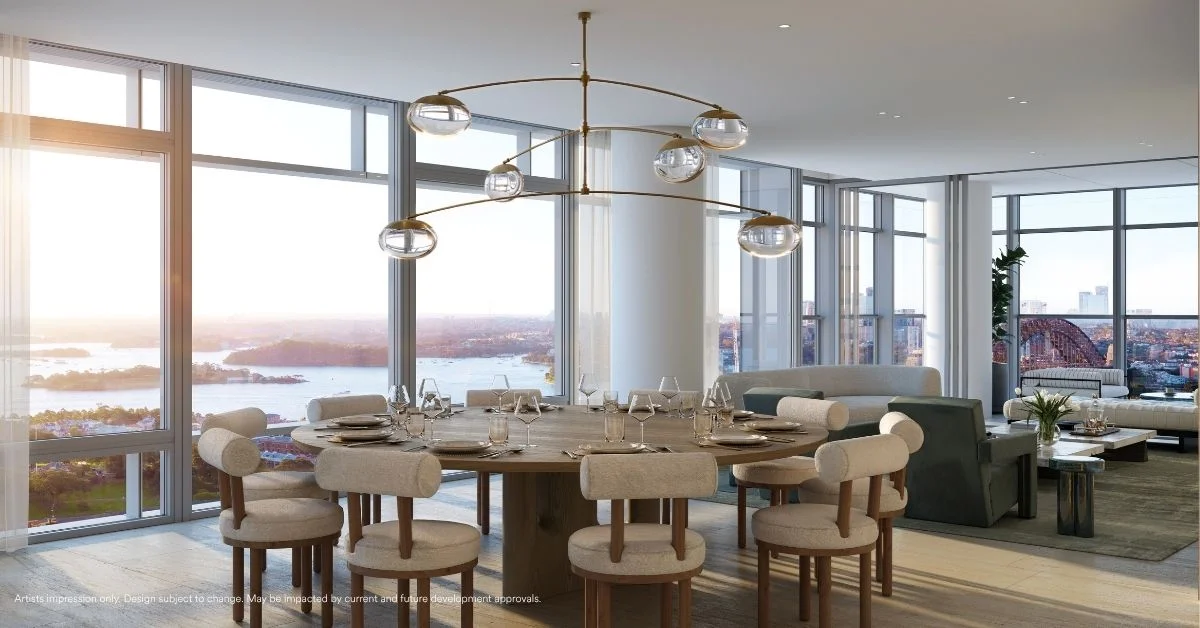 $26,550,000
propertyType.NEW APARTMENTS / OFF THE PLAN
$26,550,000
propertyType.NEW APARTMENTS / OFF THE PLAN