Overview
1. Overview
Granville South Creative and Performing Arts High School is a public, co-educational high school with a focus on creative and performing arts within the NSW Department of Education system. The school combines core academic programmes with dedicated CAPA (Creative and Performing Arts) pathways to support students who want to pursue excellence in drama, music, dance, visual arts, and related disciplines.
The school is medium-to-large in size, with class sizes typically in the early-to-mid 20s per class. The atmosphere is generally described as inclusive and arts-centered, balancing academic rigour with opportunities for creative expression and collaboration among a diverse student body.
2. Academics & Learning
- Academic strengths: Strong emphasis on Creative and Performing Arts alongside core curriculum (English, mathematics, science, humanities). Students have access to specialist CAPA subjects and coursework that integrates arts with academic outcomes. Leadership development and opportunities to engage in project-based learning are often highlighted.
- Special programs: Creative and Performing Arts program (CAPA) is a core feature. There may be gifted and talented pathways and accelerated options typical of NSW public high schools; audition or portfolio requirements may apply for CAPA entry.
- NAPLAN trends: NSW public schools publish trend data over multiple years. Expect a focus on steady or improving performance in key domains (reading, writing, numeracy) with CAPA pathways offering enrichment that complements core subjects.
- Student-teacher ratios: Class sizes commonly range from the low-to-mid 20s, with specialist CAPA classes typically smaller and targeted support available. Overall student-teacher ratios reflect NSW public high school norms.
- Support for diverse learners: EAL (English as an Additional Language) support and SEN (Special Educational Needs) services are typically available, with inclusive education practices and dedicated support staff.
3. Sports & Extracurricular Strengths
- Sports offered: Football codes (soccer, rugby league), basketball, netball, cricket, athletics, and swimming are commonly available, along with inter-school competitions and PE programs.
- Strong teams or achievements: The school participates in inter-school sport and showcases in-house arts ensembles; competitive arts performances and CAPA-driven events are notable.
- Music, arts, drama programs: Active music ensembles (bands, choirs), drama and theatre programs, and dance opportunities are typical, given the CAPA focus.
- Clubs: Robotics, chess, coding, debating, and other STEM/DEBATE-oriented or arts-oriented clubs are commonly available.
- Partnerships: Possible collaborations with local arts academies, theatre companies, and regional arts competitions to provide performance opportunities and exposure.
4. Wellbeing & Pastoral Care
- Anti-bullying approach: Whole-school anti-bullying policies and programs are in place, with a focus on a respectful school culture.
- House system: A house or pastoral system is often used to support mentorship, leadership opportunities, and community building.
- Counsellors / wellbeing officers: School counsellors and wellbeing staff provide guidance, mental health support, and pastoral care.
- Transition support for new students: Induction programs, buddy systems, and tailored transition support help new students settle in smoothly.
5. Facilities
- Sports grounds: On-site sports facilities and playing fields for physical education and team sports.
- Libraries: A dedicated library with study spaces and access to digital resources.
- Science labs: Modern science laboratories for biology, chemistry, and physics.
- Music/performing arts centers: Dedicated spaces for music, drama, dance, and performances (rehearsal rooms, stages).
- Tech/innovation labs: Computer labs and spaces for creative tech, digital media, and design work.
- Cafeteria: On-site canteen or cafeteria serving a range of meals and snacks.
- Updated playgrounds: Contemporary outdoor spaces and play areas for breaks and activity.
6. School Values & Community Culture
- School values / mission: A focus on Respect, Responsibility, Excellence, and inclusion, with an emphasis on creativity and community engagement.
- Leadership style: Likely a distributed leadership model with opportunities for student leadership within CAPA and pastoral programs.
- Behaviour expectations: Clear codes of conduct aligned with NSW public school expectations; emphasis on respectful, safe, and responsible behaviour.
- Community reputation: Built around a strong CAPA program and inclusive, supportive culture that engages families and local communities.
- Diversity & inclusion: Commitment to diversity and creating an inclusive environment for students from varied backgrounds.
7. School Logistics & Daily Operations
- School hours: Typical NSW high school day starts around 8:30–9:00 am and ends around 3:00 pm, with some activities before/after school.
- Before/after school care: OSHC or school-supported care is sometimes available, depending on the year and campus arrangements.
- Uniform requirements: NSW public high schools require a school uniform; details (shirt, trousers/skirts, jumper, etc.) are specified by the school.
- Transport: Accessible by local bus routes and nearby train stations; options vary by residence and route; check current public transport routes for Guildford/Granville area.
- Canteen availability: Canteen or food service available on site.
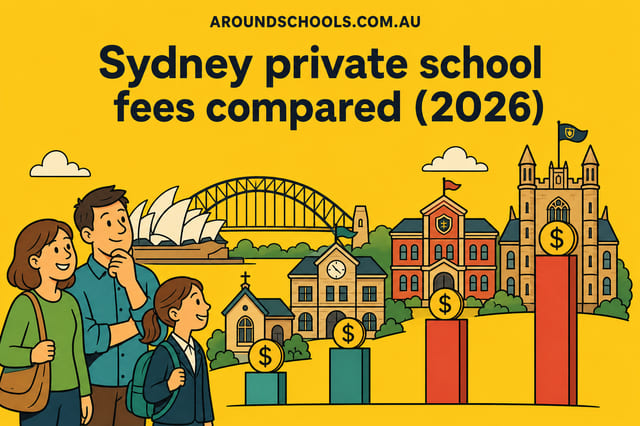
- Fees: Generally low to medium; compulsory and voluntary contributions apply to cover certain activities and resources.
8. Enrolment & Admissions
11. What is the enrolment process and timeline?
- Enrolment typically goes through the NSW Department of Education. For Year 7 intake, families submit enrolment applications via the official process, with timelines published by the school and Department. The CAPA pathway may have additional steps (auditions or portfolios) as part of program entry. Timelines usually span from late previous year into the start of the new school year; exact dates should be confirmed with the school.
12. Is there a waiting list, and how does it work?
- Waiting lists can apply for non-catchment or out-of-area enrolments when vacancies are limited. Placement often depends on availability and priority rules set by the Department of Education, with priority given to in-catchment applicants.
13. Are there any entry requirements, tests, or interviews?
- Core enrolment generally requires standard documentation and proof of residency within the NSW catchment. For CAPA entry, auditions or portfolios are commonly used to assess suitability for the arts-focused pathway. Interviews may be part of the CAPA process or rare exceptional entry scenarios.
14. Does the school accept mid-year transfers?
- Mid-year transfers are considered if there are vacancies and the Department approves the transfer. Availability depends on current enrolment and space in the requested year level and program.
9. Frequently Asked Questions
- Why Parents Choose This School?
- A strong Creative & Performing Arts focus combined with robust academics, supportive staff, and a welcoming, inclusive culture. Families value opportunities in arts, music, drama, and design alongside core subjects.
- What type of student thrives at this school?
- Students who are academically motivated and also passionate about the arts, theatre, music, or dance; those who enjoy collaboration, project-based learning, and a diverse, inclusive school environment.
- What opportunities are available for students to extend their skills (academics, sports, arts)?
- CAPA pathways with performance opportunities, ensembles, and productions; enhanced literacy and numeracy support; access to clubs (robotics, coding, debates) and inter-school sports; leadership roles and community projects.
- How does the school communicate with parents?
- Through newsletters, emails, the school portal, parent-teacher nights, and phone calls. Regular notices about events, performances, and student progress are common.
- What is the school’s approach to teaching and learning?
- A mix of traditional instruction and student-centered, project-based learning, with integration of arts into the broader curriculum. Emphasis on creativity, critical thinking, and collaboration.
- How does the school support students who need extra academic help?
- Learning support teams, targeted interventions, tutoring programs, EAL and SEN support, and access to guidance counsellors.
- What support is available for academic challenges?
- Early identification, personalised learning plans, resource access, and specialist staff to help students build skills and confidence.
- How does the school communicate with parents? (duplicate question)
- See above. Regular updates and opportunities for parent involvement are typical.
- What are the class sizes and how much individual attention do students receive?
- Class sizes are generally in the low-to-mid 20s, with specialist CAPA classes often smaller. Individual attention is supported through learning support, advisory periods, and targeted interventions.
- What extracurricular and sports opportunities are available?
- Inter-school sports, a range of clubs (robotics, chess, coding, debating), music ensembles, drama and dance productions, and CAPA-led arts events.
- What facilities does the school offer (sports, science, arts)?
- Sports grounds, libraries, science labs, performing arts centre, music facilities, tech/innovation labs, cafeteria, and updated outdoor spaces.
- What is the school’s approach to technology and digital learning?
- Emphasis on digital literacy, use of learning platforms, and integration of technology in lessons; devices and software used to support learning in both arts and academics.
- What transport and accessibility options are available?
- Access via local bus and rail routes; campus facilities include standard accessibility features; check with the school for current transport options and accessibility services.
- What are the typical school fees or additional costs?
- Public schools have low to moderate overall costs with compulsory and voluntary contributions for materials and activities; additional costs may arise for CAPA productions, excursions, or extra-curricular programs.
10. Short Pros & Cons list
Pros
- Strong Creative & Performing Arts focus integrated with core academics.
- Broad range of arts ensembles, productions, and clubs.
- Inclusive, supportive environment with wellbeing and pastoral care.
- Modern facilities for science, music, drama, and technology.
- Opportunities for leadership and community involvement.
Cons
- Large school may mean less personalized attention for some students.
- CAPA pathways may involve auditions or portfolios and potential entry competition.
- Out-of-area/catchment enrolments can face waiting lists or space constraints.
- Some extra-curricular costs may apply for performances, trips, or equipment.
- Transport options require checking current routes and schedules for your area.








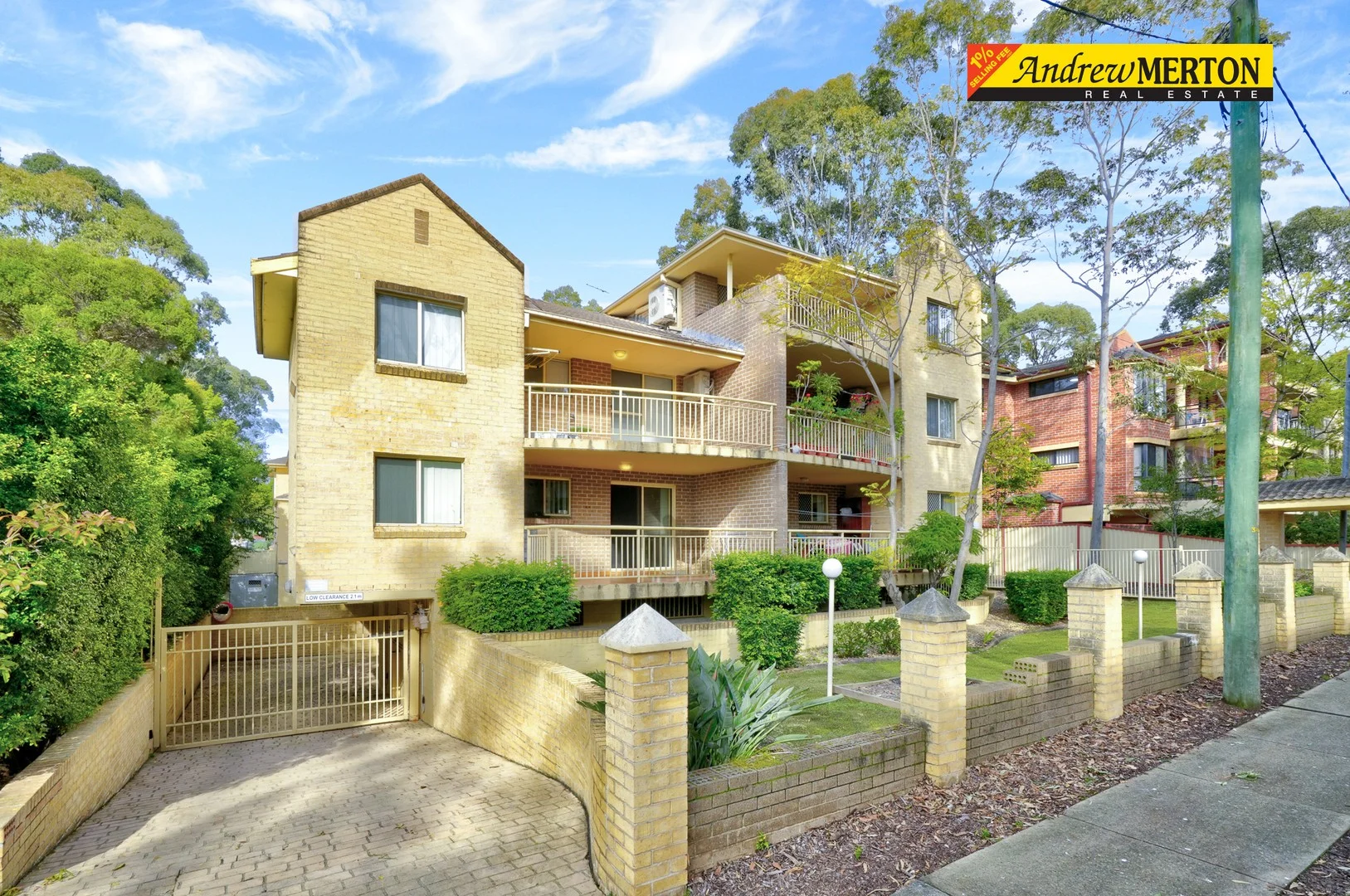 $530,000
Apartment / Unit / Flat
$530,000
Apartment / Unit / Flat
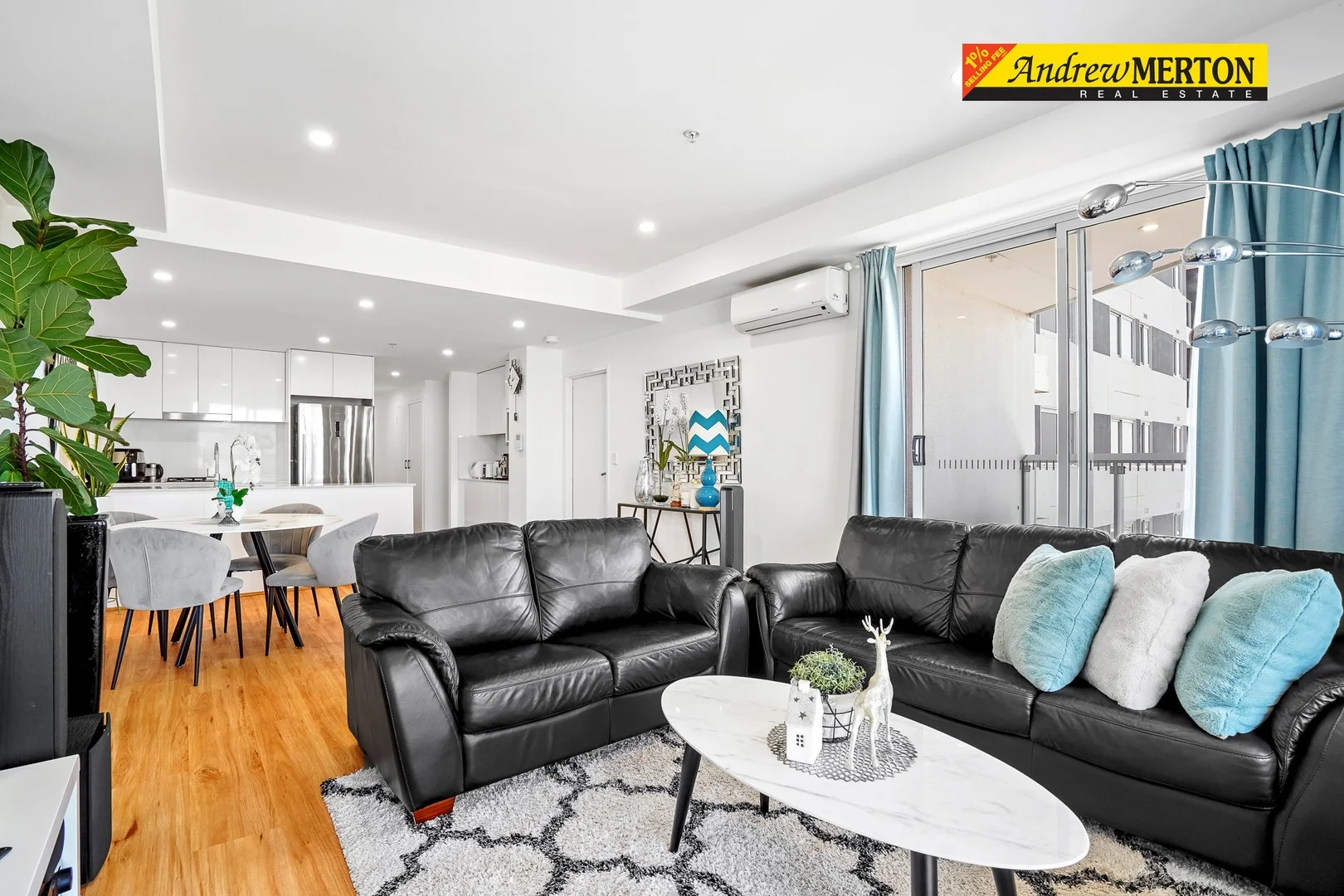 $475,000
Apartment / Unit / Flat
$475,000
Apartment / Unit / Flat
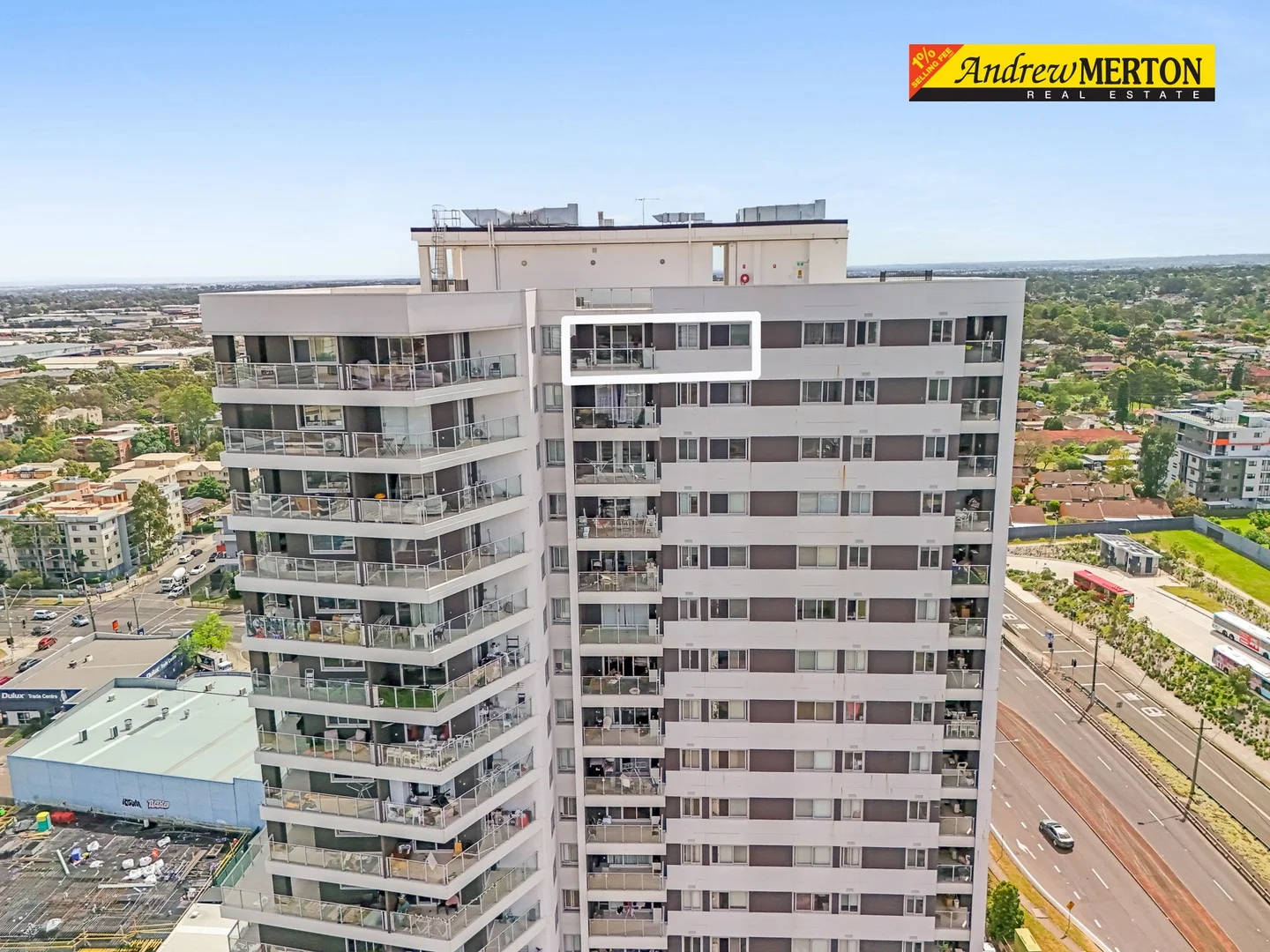 $399,900
Apartment / Unit / Flat
$399,900
Apartment / Unit / Flat