Overview
## 1. Overview
School Hills Montessori Pre-School in West Pennant Hills, NSW, is a private, independent early childhood centre offering Montessori-inspired preschool programs for young children. The environment is designed to be prepared, calm, and child-led, with a focus on independence, concentration, and hands-on learning through carefully curated materials. Classrooms are small and intimate, fostering deep teacher–child relationships and individualized observation-based guidance.
The atmosphere is nurturing, inclusive, and family-oriented, prioritising strong partnerships with parents to support each child’s social, emotional, and cognitive development. The aim is to build confidence, curiosity, and readiness for primary school while maintaining a warm, supportive feel that suits local families seeking a calm and engaging start to formal education.
⸻
## 2. Academics & Learning
- Academic strengths: Montessori-based literacy and numeracy through concrete materials, practical life skills, sensory exploration, and language development. Learning-centred activities encourage concentration, fine motor skills, and independent inquiry.
- Special programs: Full Montessori method with opportunities for early language exposure and integrated thematic units. Language and cultural awareness may be woven into daily activities.
- NAPLAN / Ofsted trends: As a preschool, formal NAPLAN trends do not apply. Progress is tracked through ongoing teacher observations, learning journals, and milestone-based assessments communicated to families.
- Student-teacher ratios: Low ratios typical of Montessori preschools (approximately 1:5–1:8, depending on age group and day).
- Support for diverse learners: Inclusive practices with EAL and SEN support where needed; individual observation notes help tailor activities; gentle differentiation and small-group work available.
⸻
## 3. Sports & Extracurricular Strengths
- Sports offered: Emphasis on daily outdoor play and structured gross-motor activities; focus on fundamental movement skills rather than formal teams.
- Strong teams or achievements: Not typical at preschool level; opportunities exist through community events or school-wide celebrations.
- Music, arts, drama programs: Regular music and movement sessions; arts and craft activities; occasional simple drama or storytelling performances.
- Clubs: Age-appropriate enrichment may include storytelling, nature-based activities, or guest sessions; longer-term programs (like robotics or coding) may be offered through partnerships for older preschoolers.
- Partnerships: Possible collaborations with local arts, music, or coding providers and community groups for special events or workshops.
⸻
## 4. Wellbeing & Pastoral Care
- Anti-bullying approach: Proactive social-emotional learning, teaching empathy, kindness, and respectful communication; restorative practices and daily classroom routines support positive interactions.
- House system: A simple house or buddy-group structure may be used to foster belonging, teamwork, and gentle healthy competition.
- Counsellors / wellbeing officers: On-site staff focused on wellbeing; referrals to external professionals as needed; regular wellbeing check-ins with educators.
- Transition support for new students: Gradual start, orientation visits, buddy systems, parent meetings, and clear communication to ease transitions.
⸻
## 5. Facilities
- Sports grounds: Outdoor play areas designed for exploration and physical activity.
- Libraries: Reading corner and age-appropriate library space.
- Science labs: Dedicated inquiry corners and hands-on materials for science-inspired learning.
- Music/performing arts centers: Space for music, movement, and creative expression.
- Tech/innovation labs: Supervised, age-appropriate technology use integrated with learning activities.
- Cafeteria: Snack area or kitchen space supporting practical life skills and healthy eating.
- Updated playgrounds: Safe, well-maintained play structures and shaded areas.
⸻
## 6. School Values & Community Culture
- School values / mission: Curiosity, respect, independence, kindness, and inclusive learning.
- Leadership style: Child-centred, facilitative teaching; staff guide learning through observation and prepared environments.
- Behaviour expectations: Consistent routines, positive guidance, and respectful interactions; emphasis on self-regulation.
- Community reputation: Family-focused and supportive, with emphasis on strong parent–teacher communication.
- Diversity & inclusion: Inclusive environment with attention to cultural and linguistic diversity; accessible programs and supports.
⸻
## 7. School Logistics & Daily Operations
- School hours: Typical day runs during standard preschool hours with possible before/after care options.
- Before/after school care: Available or offered via partnerships; check current arrangements.
- Uniform requirements: Uniforms commonly advised (often including a polo shirt, compatible bottoms, and hat for sun safety).
- Transport (train/bus routes): Local car drop-off is common; some bus routes in the area may be available; discuss options with the school.
- Canteen availability: Snack program or supervised snack time; may provide water and light food options.
- Fees (low/medium/high ranges): Generally medium-range for private early childhood education; exact fees vary by term and program; contact the school for current rates.
⸻
## 8. Enrolment & Admissions
11. What is the enrolment process and timeline?
- Submit an online expression of interest or inquiry.
- Attend an information session or tour.
- Complete the school’s application form and provide required documents.
- Participate in an age-appropriate observational or introductory session; final placement offered after review.
12. Is there a waiting list, and how does it work?
- Waiting lists are common; placement is often contingent on vacancy and age appropriateness. Applicants may be offered a provisional place or placed on a waitlist with periodic updates.
13. Are there any entry requirements, tests, or interviews?
- Typically, age eligibility is primary; there may be an informal tour and conversation with parents. Educational or developmental observations may occur to tailor the program.
14. Does the school accept mid-year transfers?
- Mid-year transfers may be possible if there is a vacancy, subject to readiness and placement processes. Contact the admissions team to discuss options and timelines.
⸻
## 9. Frequently Asked Questions
- Why Parents Choose This School?
- Montessori-based learning in a nurturing, small-class setting; emphasis on independence, curiosity, and strong teacher–child relationships; smooth transition to primary school.
- What type of student thrives at this school?
- Curious, engaged, and independent learners who enjoy hands-on activities, social interaction, and a calm, structured environment.
- What opportunities are available for students to extend their skills (academics, sports, arts)?
- Montessori activities support academics; regular music and arts; age-appropriate movement; occasional enrichment sessions or partnerships with local providers for specialized activities.
- How does the school communicate with parents?
- Regular updates, teacher conversations, newsletters, and a parent portal or email communications; scheduled meetings and progress reports.
- What is the school’s approach to teaching and learning?
- Prepared environment, student-led inquiry, daily routines, observation-driven planning, and emphasis on practical life skills and social development.
- How does the school support students who need extra academic help?
- Small-group work, individualized accommodations based on observations, and connections to EAL or SEN support as needed.
- What support is available for academic challenges?
- Targeted activities, teacher guidance, and collaboration with families to develop learning goals and strategies.
- How does the school communicate with parents? (Repeated)
- See above: regular updates via multiple channels and formal progress discussions.
- What are the class sizes and how much individual attention do students receive?
- Class sizes are small (roughly 8–16 children per class) with low student–teacher ratios to ensure frequent individual attention.
- What extracurricular and sports opportunities are available?
- Daily gross-motor play, music and arts activities, and occasional enrichment sessions; partnerships may offer age-appropriate clubs for older preschoolers.
- What facilities does the school offer (sports, science, arts)?
- Outdoor play spaces, Montessori materials, library, science and art corners, music space, and supervised tech-enabled learning.
- What is the school’s approach to technology and digital learning?
- Age-appropriate, supervised use of technology integrated with learning; emphasis on screen-time guidelines and educational apps as part of a balanced program.
- What transport and accessibility options are available?
- Car drop-off is common; limited local bus routes may be available; facilities are designed to be accessible for families with mobility needs.
- What are typical school fees or additional costs?
- Fees are in the mid-range for private early childhood education; there may be additional costs for materials, excursions, or after-care; contact the school for exact figures.
⸻
## 10. Short Pros & Cons list
- Pros
- Montessori approach with a prepared environment and hands-on learning
- Small class sizes and low student–teacher ratios
- Nurturing, family-friendly atmosphere with strong parent communication
- Focus on independence, social-emotional development, and readiness for primary school
- Inclusive practices and support for diverse learners
- Cons
- As a private preschool, fees may be higher than some public options
- Formal sports teams are not typical at preschool age; opportunities rely on partnerships
- Limited age range may mean fewer extended programs compared with larger private schools
- Availability of before/after care and specific enrichment programs depends on location and term
⸻









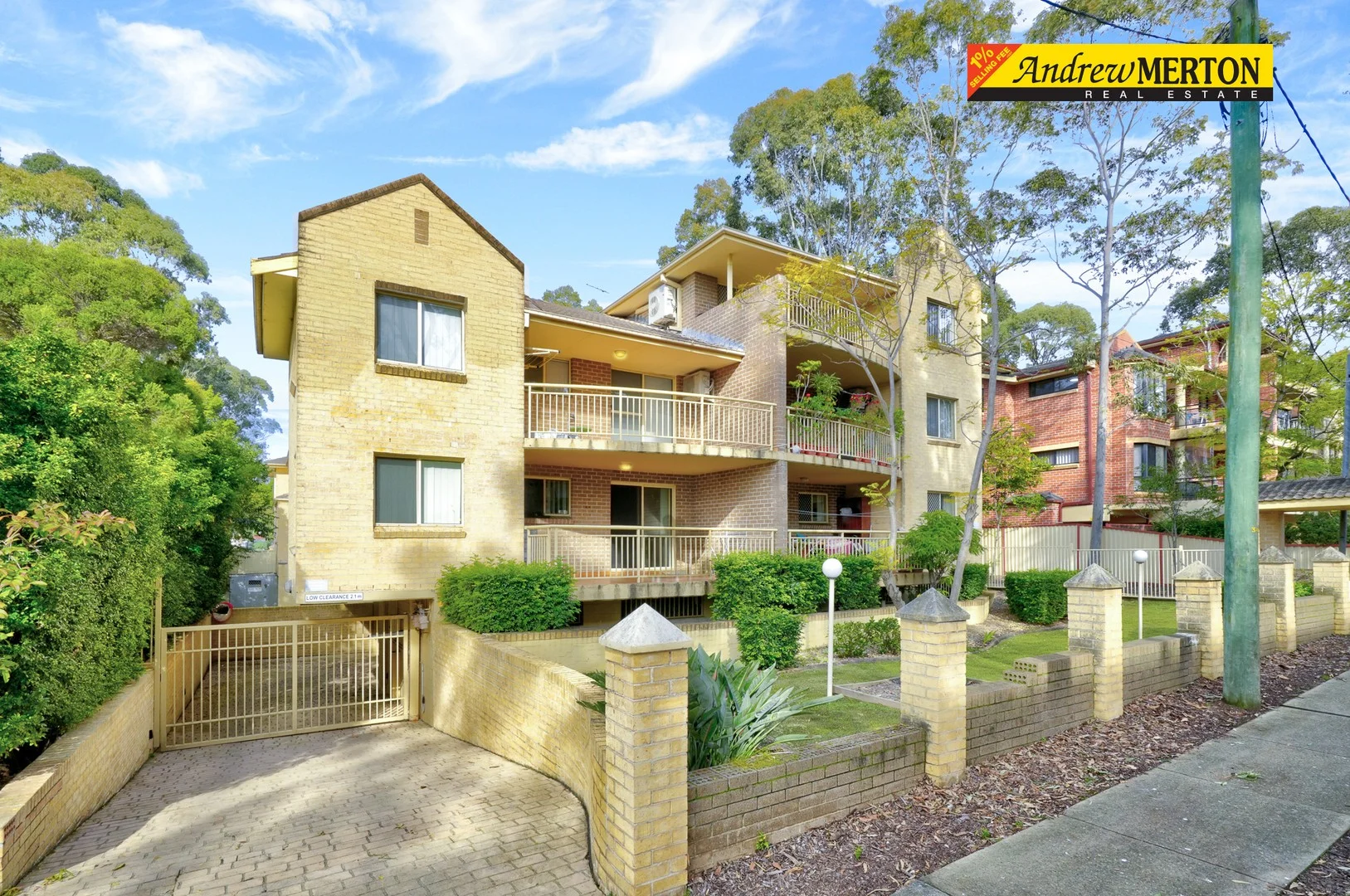 $530,000
Apartment / Unit / Flat
$530,000
Apartment / Unit / Flat
 $475,000
Apartment / Unit / Flat
$475,000
Apartment / Unit / Flat
 $399,900
Apartment / Unit / Flat
$399,900
Apartment / Unit / Flat