Overview
1. Overview
Immaculate Heart of Mary Catholic Primary School is a co-educational Catholic primary school serving families in Sefton and the surrounding area. It offers a faith-based, values-driven education for children from Kindergarten to Year 6, guided by the Catholic Diocese of Sydney.
The school is small-to-medium in size, with class sizes typically in the low 20s to mid-20s. The atmosphere is nurturing, inclusive, and community-focused, emphasising faith formation, academic growth, and well-rounded development within a supportive school culture. ⸻
2. Academics & Learning
- Academic strengths: Strong focus on literacy and numeracy, integrated faith education, and exposure to STEM and digital literacy within a balanced curriculum.
- Special programs: Opportunities for gifted and talented extension, differentiated learning paths, and faith-based learning integrated across subjects.
- NAPLAN / trends: NAPLAN results show steady progress over recent years with strengths in particular year levels; trends indicate stable performance with ongoing improvement in targeted areas.
- Student-teacher ratios: Class sizes generally in the low-to-mid 20s; overall student-teacher ratio around 1:20–1:25, with additional support staff as needed.
- Support for diverse learners: EAL (English as an Additional Language) support and inclusive education practices; additional SEN support and targeted interventions through school programs.
⸻
3. Sports & Extracurricular Strengths
- Sports offered: Soccer, netball, basketball, cricket, rugby league, athletics, and swimming during relevant terms.
- Strong teams or achievements: Active participation in interschool and diocesan sport events, with emphasis on participation, teamwork, and sportsmanship.
- Music, arts, drama programs: School music programs and choir; opportunities for performance in assemblies and school productions.
- Clubs: Robotics, coding (digital literacy activities), chess, debating, and other student-led clubs.
- Partnerships: Connections with local community clubs and diocesan programs; opportunities to engage in regional competitions and events.
⸻
4. Wellbeing & Pastoral Care
- Anti-bullying approach: Positive behaviour framework and anti-bullying policy; emphasis on respectful relationships and a safe school environment.
- House system: Four-house structure to foster teamwork, leadership, and healthy competition; house-based activities and recognition.
- Counsellors / wellbeing officers: Dedicated wellbeing staff (counsellor or wellbeing coordinator) to support students’ emotional and social development.
- Transition support for new students: Structured transition programs, buddy systems, and orientation to help new students settle in smoothly.
⸻
5. Facilities
- Sports grounds: Outdoor play spaces and sports courts suitable for team games and activities.
- Libraries: School library with a focus on literacy and reading programs.
- Science labs: Dedicated science learning spaces for hands-on experiments and inquiry.
- Music/performing arts centers: Music room and space for performing arts activities and school productions.
- Tech/innovation labs: Computer or digital learning lab to support technology integration and coding activities.
- Cafeteria: On-site canteen/canteen facilities supporting lunch orders and breaks.
- Updated playgrounds: Modern, safe playgrounds and outdoor play areas.
⸻
6. School Values & Community Culture
- School values / mission: Catholic faith-based values (respect, compassion, service, integrity) guiding everyday learning and behaviour.
- Leadership style: Collaborative leadership with student leadership opportunities, teacher-led initiatives, and family involvement.
- Behaviour expectations: Clear code of conduct and universal expectations promoting positive behaviour and responsibility.
- Community reputation: Strong parish connections and a supportive school community, with active involvement from families and volunteers.
- Diversity & inclusion: Inclusive culture welcoming students from diverse backgrounds; commitment to equity and respectful relationships.
⸻
7. School Logistics & Daily Operations
- School hours: Aligned with NSW guidelines; typical day includes morning teaching blocks and an afternoon session, with a lunch break.
- Before/after school care: Availability of before/after school care options (e.g., on-site or partnered programs) to support families.
- Uniform requirements: School uniform with summer and winter options; sports uniform on designated days; details provided by the school.
- Transport (train/bus routes): Access via local transport routes; information on bus or train options is available from the school or local transport providers.
- Canteen availability: Canteen or lunch program available on school days.
- Fees (low/medium/high ranges): Fees are in the mid-range for NSW Catholic primary schools; information on annual charges and any additional costs is available through the school’s enrolment information.
⸻
8. Enrolment & Admissions
11. What is the enrolment process and timeline?
- Submit an enrolment application along with required documents (birth certificate, immunisation records, proof of address, baptism if applicable).
- Complete any family information or parish-related steps.
- The school may offer an information session or interview; families will be advised of timelines for assessments or short conversations.
- Upon receipt of all documents, the school processes applications and informs families of outcome and next steps, including orientation for new entrants.
12. Is there a waiting list, and how does it work?
- There is often a waiting list in peak periods. Priorities typically include siblings of current students and parish/school community considerations. Families are advised to apply early to improve placement chances, and the school communicates waitlist status and timelines.
13. Are there any entry requirements, tests, or interviews?
- Entry is generally based on enrolment criteria and fit within the school’s Catholic ethos. Some years may involve an interview or information session; tests are not typically used for general entry, but assessments may occur to determine support needs.
14. Does the school accept mid-year transfers?
- Mid-year transfers are possible if space is available.Interested families should contact the school’s enrolment desk promptly to review space, documentation, and transition planning.
⸻
9. Frequently Asked Questions
- Why Parents Choose This School?
- A values-driven Catholic education with a supportive, nurturing community; small-to-medium class sizes; strong focus on literacy, numeracy, and spiritual formation; attentive wellbeing support and inclusive practices.
- What type of student thrives at this school?
- Students who respond well to a faith-based, community-focused environment, who benefit from smaller class sizes, and who value holistic development including academic growth, arts, sport, and service.
- What opportunities are available for students to extend their skills (academics, sports, arts)?
- Extension in literacy and numeracy, gifted and talented opportunities, sports teams and interschool events, music and performing arts programs, coding and robotics clubs, debate and public speaking activities.
- How does the school communicate with parents?
- Regular newsletters, emails, a school portal or communication app, parent-teacher meetings, and updates during assemblies or special events.
- What is the school’s approach to teaching and learning?
- Student-centered, differentiated instruction with a blend of faith-informed and evidence-based teaching strategies; emphasis on engagement, inquiry, and collaboration.
- How does the school support students who need extra academic help?
- Targeted literacy and numeracy interventions, learning support plans, EAL support, and access to SEN services and teacher aides as needed.
- What support is available for academic challenges?
- Early identification, personalised learning supports, and collaboration with families to align goals and interventions.
- What are the class sizes and how much individual attention do students receive?
- Class sizes typically mid-20s, which allows more individual attention from teachers and more opportunities for guided learning and feedback.
- What extracurricular and sports opportunities are available?
- Wide range of sports, arts, music, robotics and coding clubs, debating, and participation in local and diocesan competitions.
- What facilities does the school offer (sports, science, arts)?
- Sports grounds and courts, library, science labs, music/performing arts spaces, technology/innovation labs, canteen, and well-maintained playgrounds.
- What is the school’s approach to technology and digital learning?
- Age-appropriate use of technology integrated across the curriculum; dedicated digital learning spaces and computer/workstations to develop ICT and coding skills.
- What transport and accessibility options are available?
- Access via local transport routes; information on bus/train options is available from the school; provisions for families with mobility needs as needed.
- What are typical school fees or additional costs?
- Fees are in the mid-range for NSW Catholic primary schools; details on tuition, levies, and any additional costs available from the school’s enrolment information.
⸻
10. Short Pros & Cons list
- Pros
- Strong Catholic ethos and values-driven environment
- Small-to-medium class sizes for more individual attention
- Comprehensive wellbeing and pastoral care
- Broad range of academic, arts, and sports opportunities
- Inclusive culture with support for diverse learners
- Active community and parish connection
- Cons
- Possible waiting lists during peak enrolment periods
- Size may be smaller than larger independent schools, offering fewer specialist subjects or elective options
- Transport options may require some reliance on public transit or school-arranged transport
⸻








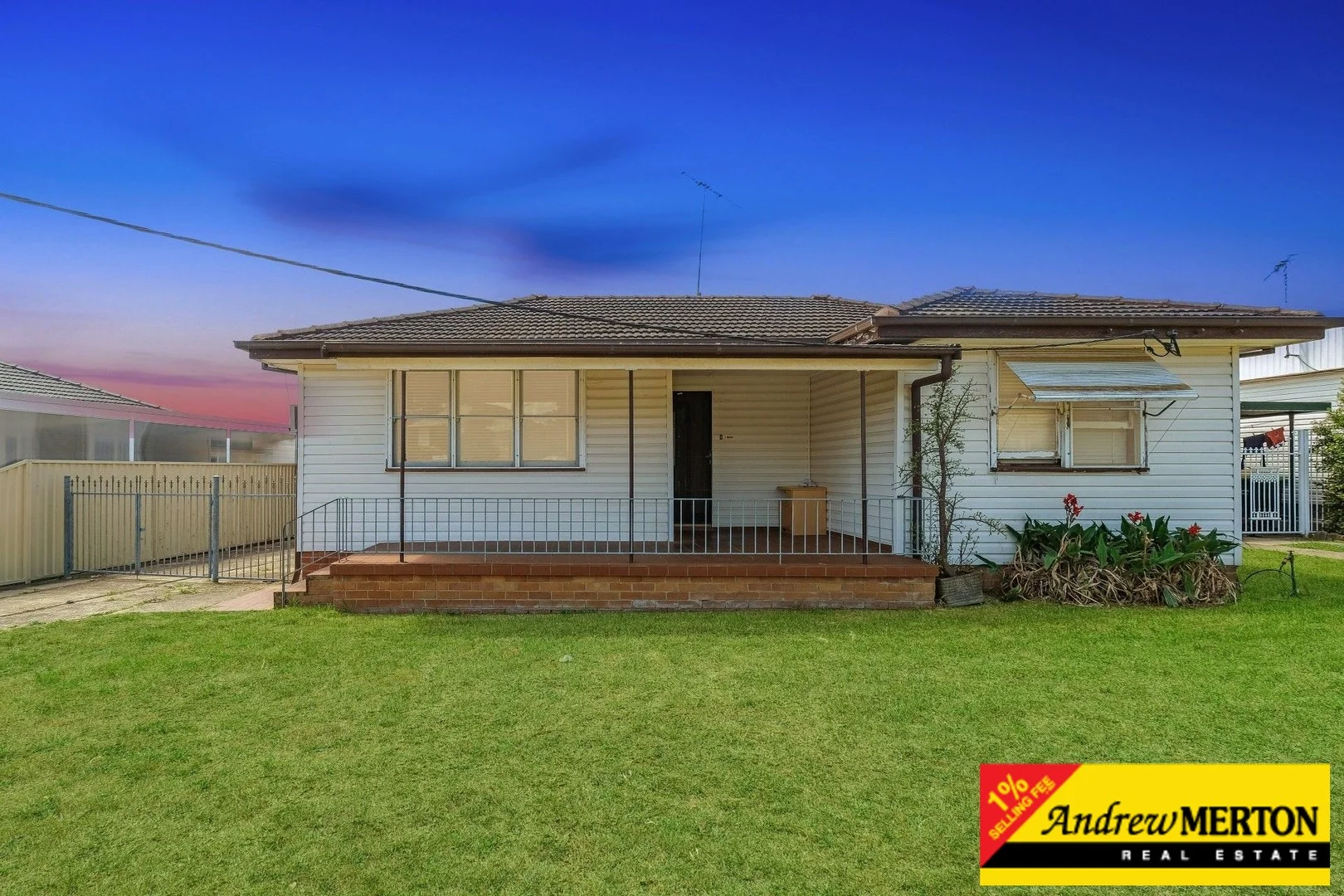 $1,092,500 - $1,201,750
House
$1,092,500 - $1,201,750
House
 $36,000,000 - $39,500,000
Vacant Land
$36,000,000 - $39,500,000
Vacant Land
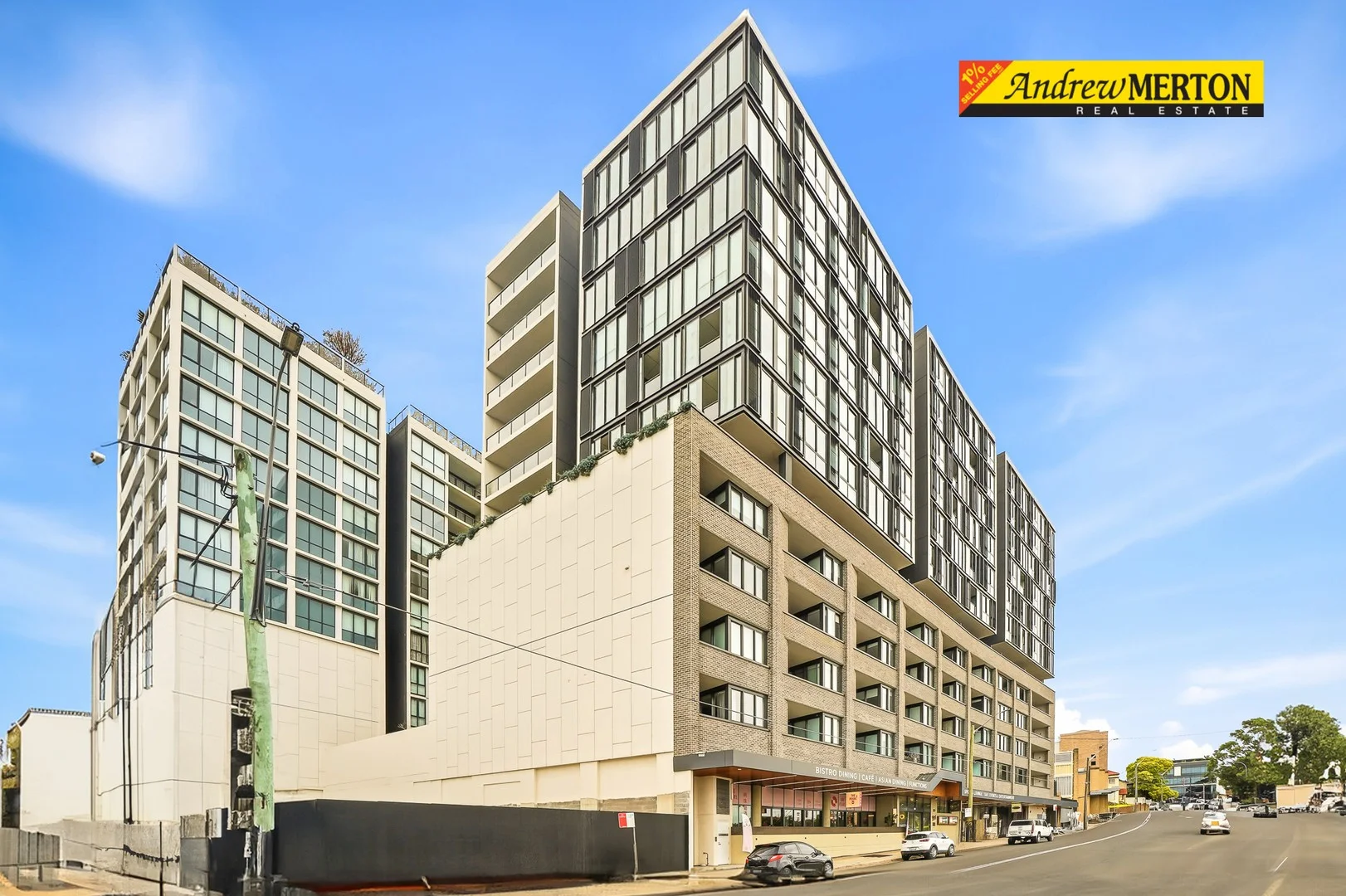 $665,000
Apartment / Unit / Flat
$665,000
Apartment / Unit / Flat


