## 1. Overview
Mount Barker High School is a public secondary school serving families in the Mount Barker area. The school aims to provide a balanced, inclusive environment that supports students across academics, wellbeing, and community involvement.
- School type: Public
- School size: Medium
- Class size: Typically around 22–25 students per class
- Atmosphere/culture: Inclusive, supportive, and focused on both academic achievement and well-being
## 2. Academics & Learning
Mount Barker High School focuses on a broad, well-rounded curriculum with opportunities across core subjects and electives.
- Academic strengths: STEM, English, leadership development, and languages
- Special programs: SACE pathways, Vocational Education and Training (VET) options, accelerated learning and gifted/talented pathways
- NAPLAN trends: Steady improvement in reading and numeracy over recent years, with ongoing focus on literacy and numeracy support
- Student-teacher ratios: Typically around 1:16 to 1:22
- Support for diverse learners: EAL support, SEN assistance, literacy/numeracy intervention, and access to dedicated learning support staff
## 3. Sports & Extracurricular Strengths
A broad range of sports and clubs are available to engage students beyond the classroom.
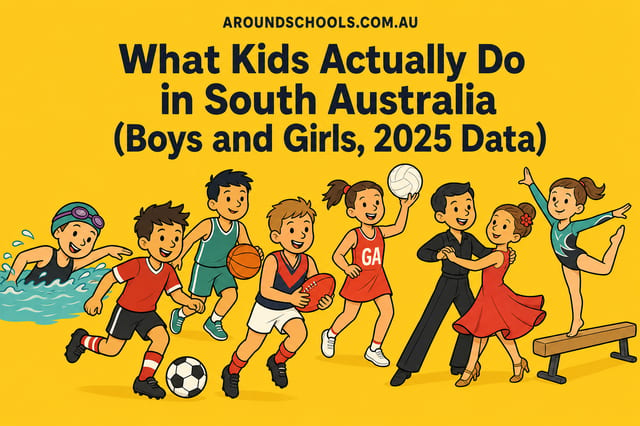
- Sports offered: Team sports and athletics (e.g., football/soccer, netball, basketball, cricket, hockey, tennis, and athletics)
- Strong teams or achievements: Participation and success in district and regional competitions across multiple sports
- Music, arts, drama programs: Active programs to develop performance and creative skills
- Clubs: Robotics, chess, coding, debating, and other interest-based clubs
- Partnerships: Local sports academies, community organizations, and inter-school competitions
Most parents skim this section, especially for boys aged 10–14, so the section highlights practical opportunities and notable activities.
## 4. Wellbeing & Pastoral Care
Wellbeing is a priority, with consistent approaches to student safety and support.
- Anti-bullying approach: Clear policies and proactive programs to promote respectful behavior and student-led initiatives
- House system: A structure to foster belonging, healthy competition, and peer support
- Counsellors / wellbeing officers: Access to trained staff for personal, academic, and wellbeing needs
- Transition support for new students: Orientation programs, buddy systems, and targeted support during school entry
## 5. Facilities
Facilities are designed to support a wide range of learning and recreation needs.
- Sports grounds
- Libraries
- Science labs
- Music/performing arts centers
- Tech/innovation labs
- Canteen
- Updated playgrounds
Keep it visual and simple with spaces that invite collaboration and hands-on learning.
## 6. School Values & Community Culture
Mount Barker High School communicates a clear sense of purpose and community.
- School values / mission: Focus on respect, responsibility, resilience, and service within a learning community
- Leadership style: Collaborative and student-centred, with opportunities for student leadership
- Behaviour expectations: Consistent expectations across the school with positive reinforcement
- Community reputation: Known for being welcoming, inclusive, and achievement-oriented
- Diversity & inclusion: Commitment to welcoming students from diverse backgrounds and ensuring access to support
## 7. School Logistics & Daily Operations
Key daily logistics to help families plan.
- School hours: Typical start in the morning and finish in the mid-afternoon
- Before/after school care: Available or coordinated through community providers (check current offering)
- Uniform requirements: School uniform (with pockets of options for seasonal wear as applicable)
- Transport (bus routes): Local bus services and school transport options available
- Canteen availability: On-site canteen or lunch facilities
- Fees (low/medium/high ranges): Public school with modest, transparent fees for materials and activities
## 8. Enrolment & Admissions
11. What is the enrolment process and timeline?
- Applications typically follow the SA school intake calendar, with offers processed after documentation is submitted. Check the school’s admissions page for current timelines and required forms.
12. Is there a waiting list, and how does it work?
- Waiting lists may be used when demand exceeds spaces. Space allocation often prioritizes in-catchment students; out-of-area requests may be considered if space remains.
13. Are there any entry requirements, tests, or interviews?
- Entry requirements generally include eligibility for enrolment, with possible need for information about prior schooling. Interviews or discussions may occur for some programs or to support transition.
14. Does the school accept mid-year transfers?
- Mid-year transfers are possible if space is available and transfer documentation is complete. Families should contact the school early to discuss options.
## 9. Frequently Asked Questions
- Why Parents Choose This School?
- What type of student thrives at this school?
- What opportunities are available for students to extend their skills (academics, sports, arts)?
- How does the school communicate with parents?
- What is the school’s approach to teaching and learning?
- How does the school support students who need extra academic help?
- What support is available for academic challenges?
- How does the school communicate with parents? (repeated)
- What are the class sizes and how much individual attention do students receive?
- What extracurricular and sports opportunities are available?
- What facilities does the school offer (sports, science, arts)?
- What is the school’s approach to technology and digital learning?
- What transport and accessibility options are available?
- What are the typical school fees or additional costs?
## 10. Short Pros & Cons list
- Pros:
- Public, accessible education with broad curriculum
- Moderate class sizes that support individual attention
- Inclusive, supportive wellbeing and pastoral care
- Wide range of sports, arts, and clubs
- Strong focus on literacy, numeracy, and transition support
- Cons:
- As a medium-sized public school, some specialist programs may have limited capacity
- Specific after-school programs or transport options may vary year to year
- Fees for certain activities and materials can apply despite a baseline public-school structure
If you’d like, I can tailor this content further with more precise details or adjust the tone to match a specific section of Aroundschools (e.g., more concise summary or more emphasis on sports).