## 1. Overview
Mount St Benedict College is a Catholic independent day school for girls in Pennant Hills, NSW. The school combines faith-based education with strong academics, aiming to develop confident, compassionate young women who contribute to their communities.
As a medium‑sized school, it offers a broad range of opportunities across academics, the arts, and sport while keeping class sizes manageable for individual attention. The atmosphere is nurturing and inclusive, with a focus on academic excellence, leadership, service, and personal growth.
⸻
## 2. Academics & Learning
- Academic strengths: English and literacy, mathematics and numeracy, STEM pathways, languages, and the arts. There is an emphasis on critical thinking, communication, and applying knowledge in real‑world contexts.
- Special programs: Accelerated learning and gifted/talented opportunities are available, along with leadership development and targeted programs to support high achievers.
- NAPLAN trends: Consistently strong performance relative to state benchmarks, with positive year‑over‑year trends in reading and numeracy and steady progress in writing and grammar.
- Student-teacher ratios: Class sizes are designed to be medium to small, supporting individualized attention and responsive teaching.
- Support for diverse learners: Comprehensive support for EAL and SEN students, including learning support plans, targeted interventions, and inclusive teaching approaches.
⸻
## 3. Sports & Extracurricular Strengths
- Sports offered: Netball, basketball, soccer, tennis, hockey, athletics, swimming, and other on‑site recreational options.
- Strong teams or achievements: Participation in regional school sport competitions with competitive teams and regular finals appearances.
- Music, arts, drama programs: Active music ensembles, choir, drama productions, and opportunities to perform in school concerts and community events.
- Clubs: Robotics, chess, coding, debating/public speaking, science clubs, and other interest groups to broaden skills beyond the classroom.
- Partnerships: Involvement with local clubs and inter‑school competitions to broaden exposure to sport, STEM, and the arts.
⸻
## 4. Wellbeing & Pastoral Care
- Anti-bullying approach: Clear policies and proactive programs to promote a safe, respectful school culture, with staff training and student education.
- House system: House groups foster belonging, mentoring, healthy competition, and pastoral support throughout the school.
- Counsellors / wellbeing officers: Availability of school counsellors or wellbeing coordinators to support mental health, resilience, and personal development.
- Transition support for new students: Orientation activities, buddy programs, and targeted check‑ins to ease settling in.
⸻
## 5. Facilities
- Sports grounds: On‑site facilities to support physical education and team sports.
- Libraries: Well‑stocked library spaces with study areas.
- Science labs: Modern science laboratories for hands‑on experiments and STEM courses.
- Music/performing arts centers: Rooms and spaces for music education, rehearsals, and performances.
- Tech/innovation labs: Dedicated spaces for technology, robotics, coding, and innovation projects.
- Cafeteria: On‑site dining options and student catering.
- Updated playgrounds: Safe and attractive outdoor spaces for recreation and activities.
⸻
## 6. School Values & Community Culture
- School values / mission: A focus on excellence, compassion, integrity, respect, and service within a faith‑based framework.
- Leadership style: Student voice and leadership opportunities, with a collaborative approach between staff, students, and families.
- Behaviour expectations: Clear codes of conduct emphasizing respect, responsibility, and positive conduct.
- Community reputation: Known for a supportive, close‑knit community that values inclusion, service, and personal growth.
- Diversity & inclusion: Commitment to welcoming students from diverse backgrounds and providing inclusive learning experiences.
⸻
## 7. School Logistics & Daily Operations
- School hours: Typical school day runs through the core morning/afternoon timetable, with start and finish times aligned to standard school routines.
- Before/after school care: After‑school care and supervision programs are available to support families.
- Uniform requirements: Official school uniform with options for everyday wear and sport/physical education attire.
- Transport (train/bus routes): Access via local public transport networks with bus routes and nearby rail connections; school‑run drop‑off/pick‑up arrangements may be available.
- Canteen availability: On‑site canteen or lunch facilities offering daily meal options.
- Fees (low/medium/high ranges): Fees are in the mid to higher range for independent Catholic schools, with additional costs for uniforms, excursions, and extracurricular activities.
⸻
## 8. Enrolment & Admissions
11. What is the enrolment process and timeline?
- Initial inquiry and information session/Open day.
- Submission of application and supporting documents.
- Invitations for interviews or information sessions (and assessments if required).
- Offer of enrolment and confirmation of the student’s place.
- Orientation and preparation before the commencement year.
12. Is there a waiting list, and how does it work?
- Yes, there is often a waiting list when spaces are limited. Places are allocated based on space availability, with priority given to factors such as current siblings, parish connections, and readiness of the applicant. Notifications and timelines vary by intake year.
13. Are there any entry requirements, tests, or interviews?
- Entry typically involves an application, interview, and alignment with the school’s values and norms. Some programs may include informational sessions or short assessments related to readiness and placement, but tests are not universally required for all applicants.
14. Does the school accept mid-year transfers?
- Mid‑year transfers are considered if space allows and if the applicant can integrate into the current curriculum and timetable. Approval depends on availability and alignment with the school’s programs.
⸻
## 9. Frequently Asked Questions
- Why Parents Choose This School?
- A values‑driven, Catholic education with strong academics, supportive pastoral care, and a welcoming community that prioritises character and service.
- What type of student thrives at this school?
- Motivated, collaborative learners who value a faith‑based community, small to medium classes, and opportunities to lead, perform, or compete across academics, the arts, and sport.
- What opportunities are available for students to extend their skills (academics, sports, arts)?
- Extension programs in STEM and languages, leadership opportunities, debating and public speaking, music ensembles, drama productions, and a broad range of sports and clubs.
- How does the school communicate with parents?
- Through regular newsletters, a parent portal, emails, parent‑teacher conferences, and open days, with timely updates on events and student progress.
- What is the school’s approach to teaching and learning?
- Student‑centred and values‑based, with a mix of direct instruction, inquiry, collaboration, and technology integration to support deep understanding and independent learning.
- How does the school support students who need extra academic help?
- Access to learning support, targeted interventions, EAL support, and individualized plans to help students reach their potential.
- What support is available for academic challenges?
- Dedicated teachers and learning support staff to provide guidance, tutoring options, and adjustments to teaching methods to meet diverse needs.
- How does the school communicate with parents?
- See above: regular updates via portal, newsletters, and meetings.
- What are the class sizes and how much individual attention do students receive?
- Class sizes are designed to be small to medium, allowing teachers to focus on individual progress, differentiation, and personalised feedback.
- What extracurricular and sports opportunities are available?
- A broad range of sports, music and drama programs, clubs in robotics, coding, chess, debating, and other enrichment activities.
- What facilities does the school offer (sports, science, arts)?
- Modern science labs, libraries, music and performing arts spaces, technology/innovation labs, dedicated sports facilities, and well‑equipped classrooms.
- What is the school’s approach to technology and digital learning?
- Integrated digital learning, appropriate use policies, and opportunities to develop digital literacy through coding, research, and presentation tools.
- What transport and accessibility options are available?
- Access via local transport networks (bus routes and nearby rail stations) with possible school‑facilitated drop‑off/pick‑up and accessible facilities.
- What are the typical school fees or additional costs?
- Fees are in the mid to higher range for independent Catholic schools, with additional costs for uniforms, excursions, camps, and other activities.
⸻
## 10. Short Pros & Cons list
- Pros
- Strong values framework and pastoral care
- Encouraging, inclusive school culture
- Solid academic program with opportunities for extension
- Wide range of extracurriculars (sports, arts, clubs)
- Small to medium class sizes supporting individual attention
- Modern facilities and resources
- Cons
- Fees may be higher than public schools
- As a single‑sex Catholic school, may not suit families seeking coeducational options
- Transport options depend on local networks and may require planning
- Availability of some programs may vary by year or intake numbers
⸻
 Free
Free









 $1,525,000
Apartment / Unit / Flat
$1,525,000
Apartment / Unit / Flat
 $36,000,000 - $39,500,000
Vacant Land
$36,000,000 - $39,500,000
Vacant Land
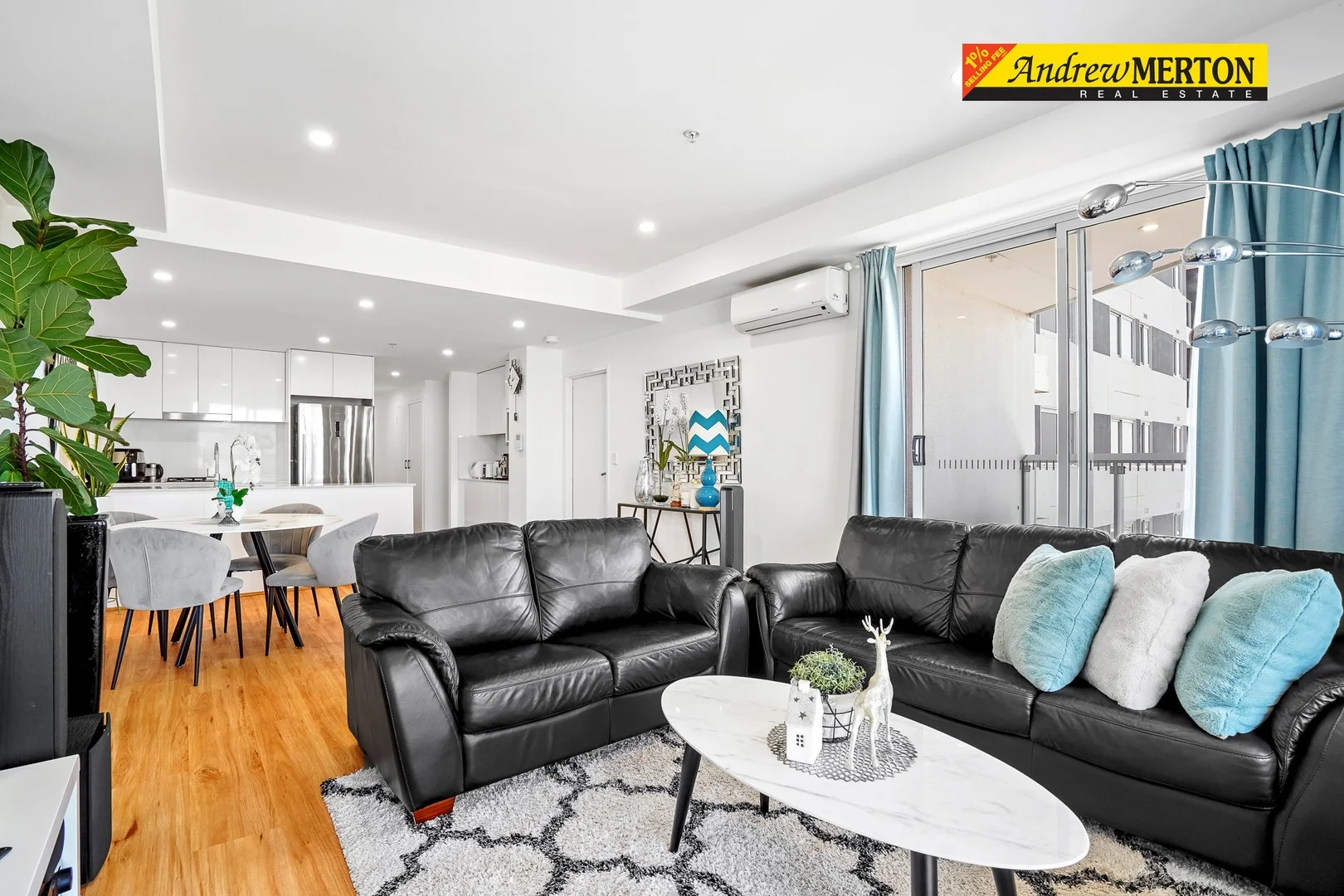 $450,000 - $470,000
Apartment / Unit / Flat
$450,000 - $470,000
Apartment / Unit / Flat
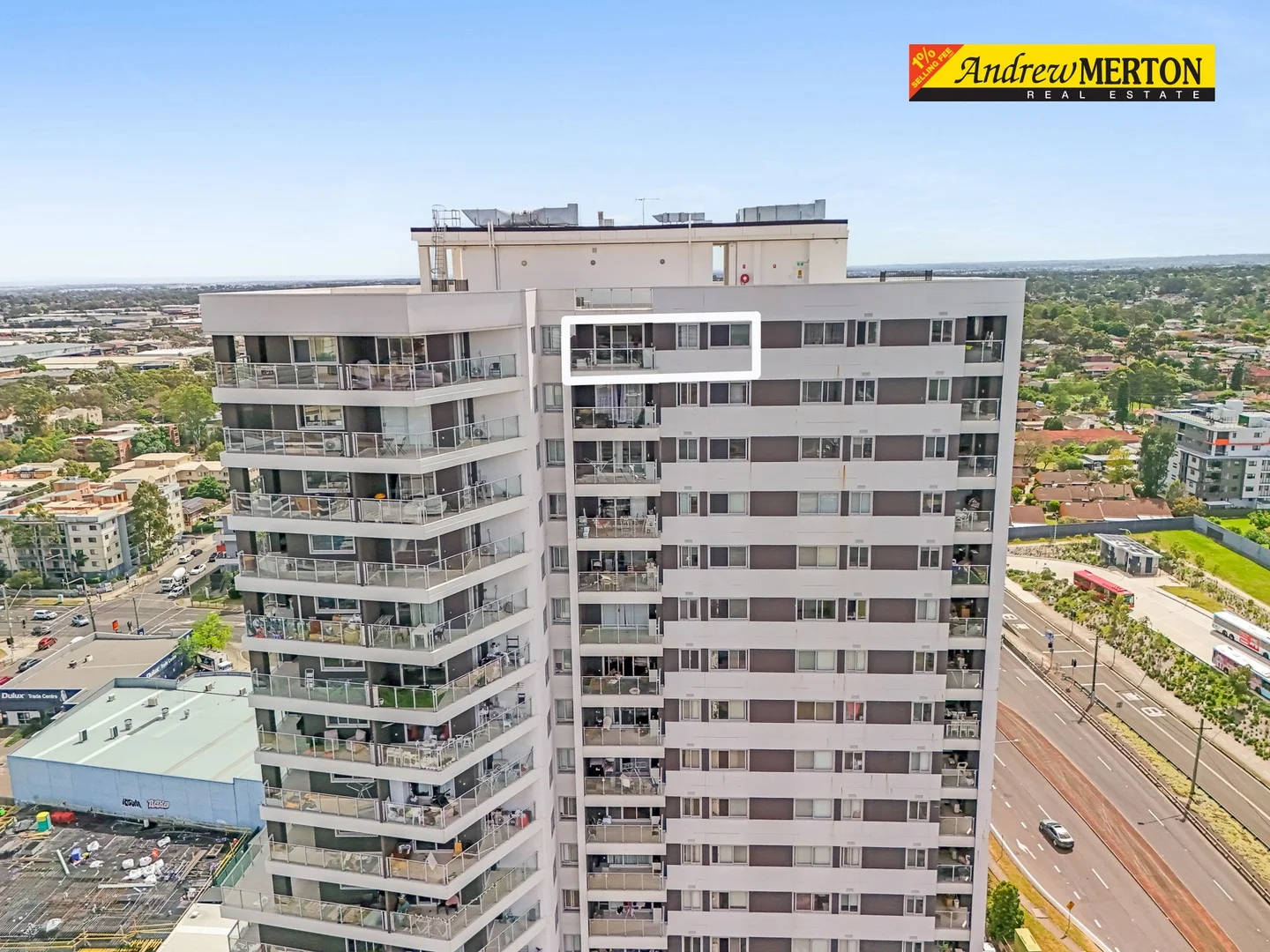 $399,900
Apartment / Unit / Flat
$399,900
Apartment / Unit / Flat
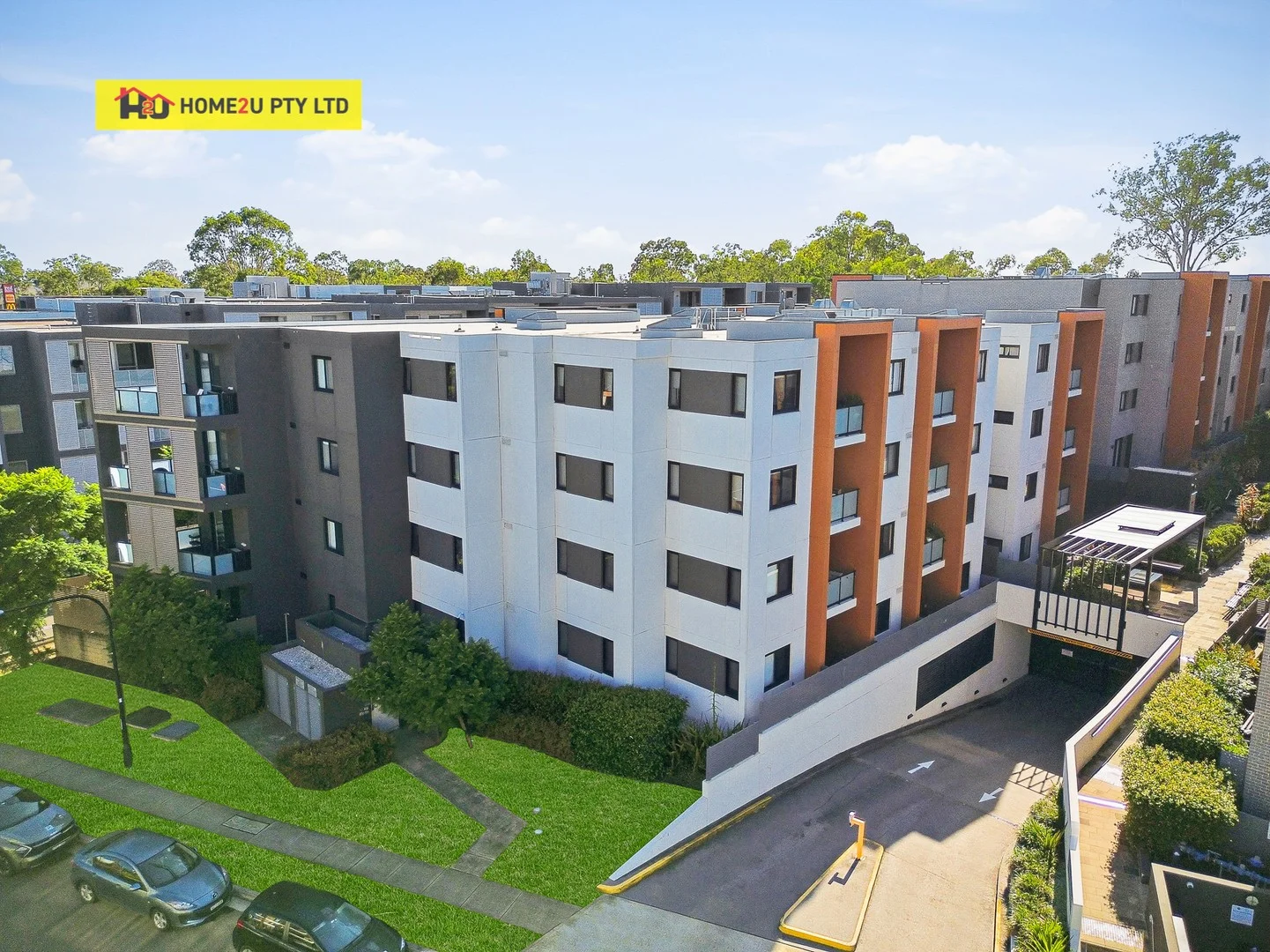 $750,000 - $780,000
Apartment / Unit / Flat
$750,000 - $780,000
Apartment / Unit / Flat


