Overview
## Overview (1–2 paragraphs max)
Muslim Girls Grammar School Granville is an independent private school for girls in Granville, NSW. It offers a faith-aware, values-driven education with a strong emphasis on academic achievement within a close-knit community. The school tends to be medium-sized, with class sizes typically in the low-to-mid 20s, fostering an atmosphere that is nurturing, inclusive, and academically focused.
The school aims to balance rigorous learning with pastoral care, supporting diverse learners and encouraging leadership, service, and personal growth in a respectful, supportive environment.
⸻
## Academics & Learning
- Academic strengths: English and STEM are core focus areas, with emphasis on literacy, numeracy, and problem-solving. Languages (including Arabic) are offered to develop global perspectives and communication skills.
- Special programs: Gifted and Talented pathways and accelerated learning options are available to appropriate students.
- NAPLAN trends: Over recent years, steady improvement in benchmark bands has been observed, with a growing proportion of students reaching higher NAPLAN bands.
- Student-teacher ratios: Generally strong with close to 1:12–1:15 in many year levels, supporting individualized guidance.
- Support for diverse learners: Dedicated EAL support and SEN/learning support services are available to assist students with diverse needs.
⸻
## Sports & Extracurricular Strengths
- Sports offered: Netball, basketball, soccer, athletics, swimming, and other local inter-school activities.
- Strong teams or achievements: Regular participation in inter-school competitions with opportunities to develop teamwork and competitive spirit.
- Music, arts, drama programs: Active music programs, choir and performing arts opportunities complement academic life.
- Clubs: Robotics, chess, coding, debating, and other interest-based clubs are available to broaden skills beyond the classroom.
- Partnerships: Local community programs and inter-school partnerships provide additional pathways for competitions and skill-building.
⸻
## Wellbeing & Pastoral Care
- Anti-bullying approach: Clear policies and proactive education promote a respectful, safe school culture.
- House system: A house structure supports peer mentoring, teamwork, and healthy competition.
- Counsellors / wellbeing officers: On-site wellbeing staff available to support emotional, social, and academic wellbeing.
- Transition support for new students: Orientation programs and buddy systems help new entrants settle in smoothly.
⸻
## Facilities
- Sports grounds: On-site or nearby facilities to support physical education and team sports.
- Libraries: Well-equipped library spaces for study, research, and quiet reading.
- Science labs: Modern science laboratories for practical experiments and inquiry learning.
- Music/performing arts centers: Dedicated spaces for concerts, drama, and rehearsals.
- Tech/innovation labs: Computers and fabrication/fab-lab resources to support digital learning and projects.
- Cafeteria: On-site canteen offering healthy meal options.
- Updated playgrounds: Safe outdoor spaces for recreation and break times.
⸻
## School Values & Community Culture
- School values / mission: Focus on respect, integrity, service, and academic excellence within a faith-informed framework.
- Leadership style: Collaborative and student-centered, with opportunities for student input on school life.
- Behaviour expectations: Clear conduct standards promoting courtesy, responsibility, and accountability.
- Community reputation: Known for a supportive family-like atmosphere and commitment to inclusive, faith-aligned education.
- Diversity & inclusion: Emphasis on respect for diverse backgrounds and equitable opportunities for all students.
⸻
## School Logistics & Daily Operations
- School hours: Typical daytime hours with variations by year level; routines support focus and well-being.
- Before/after school care: Available options to support families' schedules.
- Uniform requirements: Clear uniform guidelines; adherence encouraged to foster school identity.
- Transport (train/bus routes): Accessibility via local public transport and school-arranged or recommended bus routes; proximity to public transport is a consideration.
- Canteen availability: On-site canteen with reasonable options, including halal considerations.
- Fees (low/medium/high ranges): Fees are in the medium-to-high range for NSW independent schools; exact figures should be confirmed with the school’s current fee schedule.
⸻
## Enrolment & Admissions
11. What is the enrolment process and timeline?
- Submit an application with required documents, followed by a family interview or information session.
- Selection may include placement assessments and an interview to determine fit with the school’s programs.
- Offers are issued after the assessment/interview, with enrollment formalities completed by the family within the stated timeline.
- An initial deposit or enrollment agreement is typically part of confirming placement.
12. Is there a waiting list, and how does it work?
- Yes, a waiting list may apply when intake is full. Priority often given to siblings and local applicants, with placement determined by date of inquiry/assessment and available spaces.
13. Are there any entry requirements, tests, or interviews?
- Entry usually involves an application, an assessment or placement test, and an interview to understand academic readiness and fit with the school community.
14. Does the school accept mid-year transfers?
- Mid-year transfers may be possible if space is available and the student satisfactorily completes any required assessments or interviews.
⸻
## Frequently Asked Questions
- Why Parents Choose This School?
- A values-driven, faith-friendly environment with a focus on academic achievement and pastoral care in a supportive girls-only setting.
- What type of student thrives at this school?
- Students who value a close-knit community, structured learning, and opportunities to engage in both academics and extracurriculars within a respectful environment.
- What opportunities are available for students to extend their skills (academics, sports, arts)?
- Gifted and Talented pathways, accelerated learning options, clubs (robotics, coding, debating), sports participation, and music/theatre programs.
- How does the school communicate with parents?
- Regular newsletters, parent-teacher meetings, digital portals for assignments and notices, and timely updates from administration and teachers.
- What is the school’s approach to teaching and learning?
- A balanced approach combining strong literacy and numeracy foundations with inquiry-based learning, technology integration, and real-world applications.
- How does the school support students who need extra academic help?
- EAL and SEN support, targeted learning assistance, and access to tutoring or remediation programs as needed.
- What support is available for academic challenges?
- On-site support from learning support staff, counselors, and teachers to develop individualized plans and monitor progress.
- How does the school communicate with parents? (Repeated)
- See above: regular updates via portals, meetings, and newsletters; responsive staff.
- What are the class sizes and how much individual attention do students receive?
- Class sizes are generally in the low-to-mid 20s, with student-teacher ratios around 1:12 to 1:15 for more personalized guidance.
- What extracurricular and sports opportunities are available?
- A broad range including netball, basketball, soccer, athletics, swimming, robotics, chess, coding, debating, music and drama programs.
- What facilities does the school offer (sports, science, arts)?
- Modern libraries, science labs, music/performing arts spaces, tech/innovation labs, on-site canteen, and updated play areas.
- What is the school’s approach to technology and digital learning?
- Integration of digital tools to support learning, with computer labs and online platforms for assignments and collaboration.
- What transport and accessibility options are available?
- Access via local bus/train routes and school guidance on transport options; consider proximity to public transport when planning visits.
- What are typical school fees or additional costs?
- Fees fall into the medium-to-high range for NSW independent schools; confirm current figures with the school.
⸻
## Short Pros & Cons list
Pros
- Independent, faith-informed environment focused on academics and wellbeing
- Nurturing, inclusive culture with strong pastoral care
- Balanced emphasis on academics, sports, arts, and leadership
- Small-to-medium class sizes enabling more individual attention
- Accessible support for EAL and students with diverse learning needs
Cons
- Fees are in the medium-to-high range for NSW independent schooling
- Religious affiliation may not align with every family’s worldview
- Limited to girls; not suitable for families seeking co-educational options
- Transport and commuter considerations may influence weekday logistics for some families
⸻











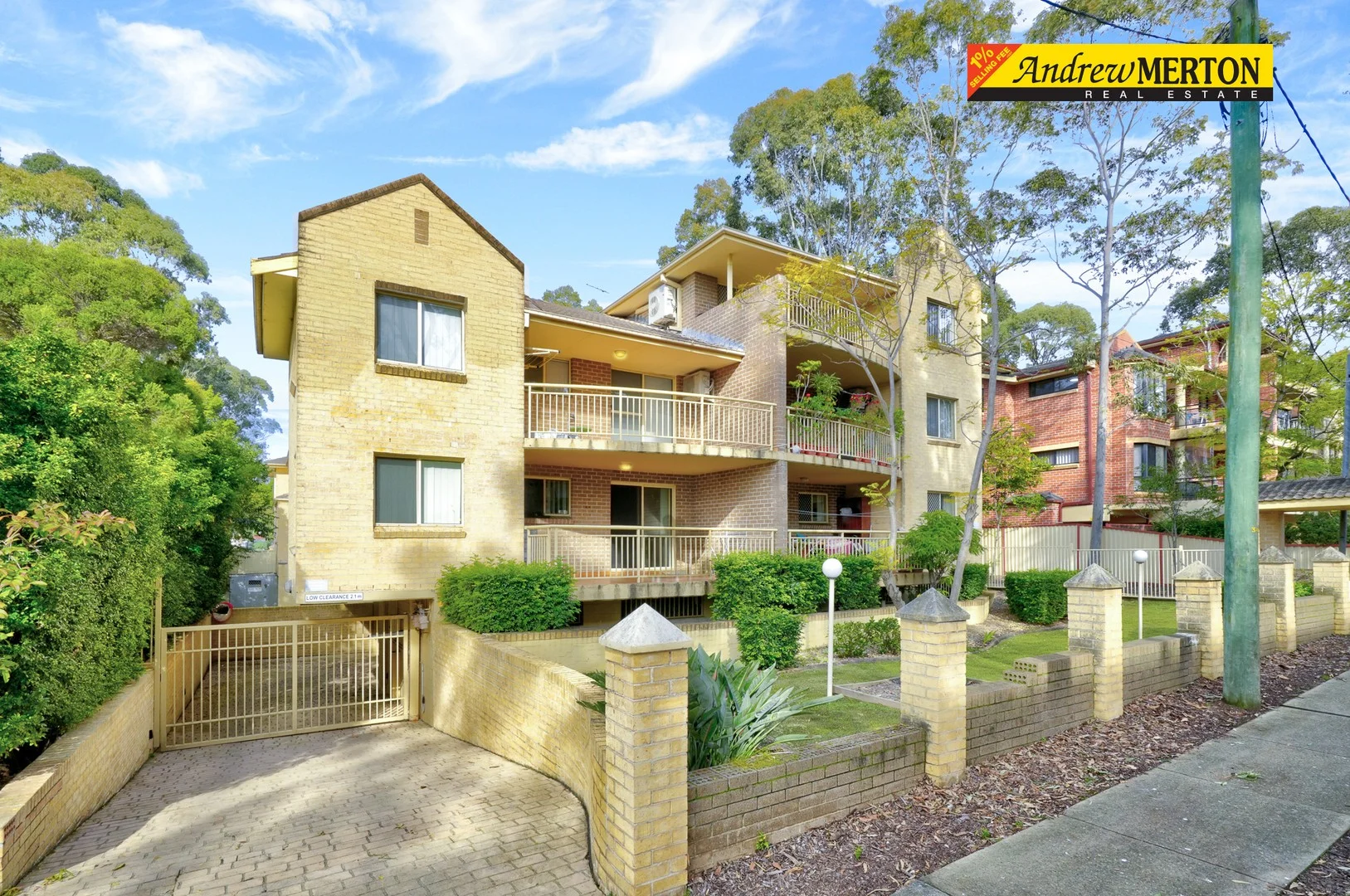 $530,000
Apartment / Unit / Flat
$530,000
Apartment / Unit / Flat
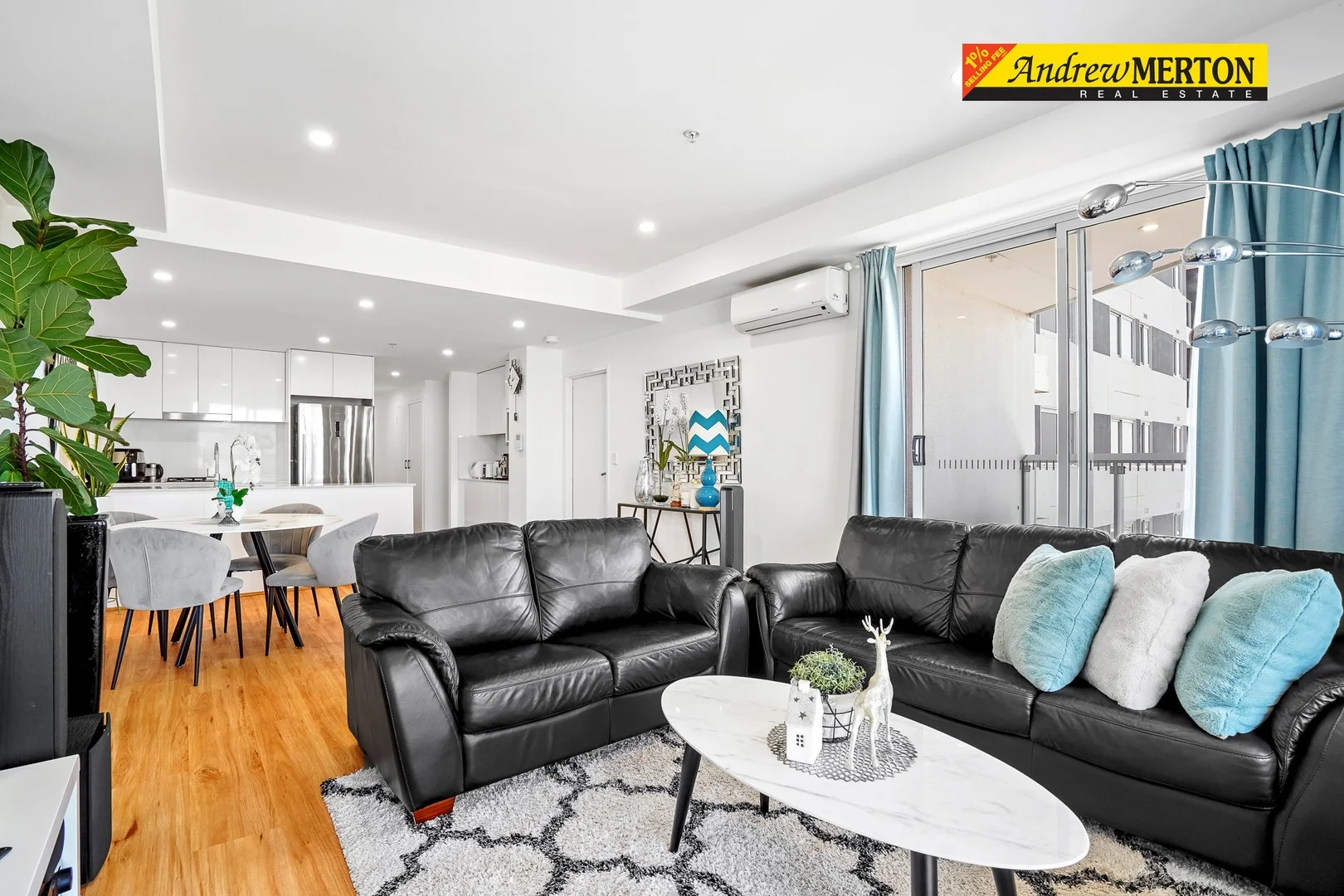 $475,000
Apartment / Unit / Flat
$475,000
Apartment / Unit / Flat
 $399,900
Apartment / Unit / Flat
$399,900
Apartment / Unit / Flat