Overview
### Overview
Northside Montessori School is an independent private school following the Montessori approach, designed to nurture curiosity and independence from early years through primary and into adolescence. The school tends to be small to medium in size, with modest class sizes that support individualized learning. The atmosphere is typically nurturing and inclusive, emphasising respectful relationships, hands-on discovery, and a calm, student-centered culture that allows children to progress at their own pace.
Classrooms are structured to encourage purposeful activity, concentration, and self-direction, blending Montessori materials with age-appropriate literacy, numeracy, and inquiry-based learning. The school strives to create a supportive community where every student can develop confidence, collaboration skills, and a lifelong love of learning.
⸻
### Academics & Learning
- Academic strengths: The Montessori approach emphasises literacy and numeracy foundations through hands-on, multisensory materials, alongside inquiry-based science and practical life skills. Students typically develop strong observation and critical thinking abilities, with an emphasis on independent learning, problem-solving, and creativity.
- Special programs: The school is likely to run Montessori pedagogy across key learning stages, with opportunities for individualised learning plans and rich experiential activities. Some years may offer pathways or activities that support gifted/talented learners within the Montessori framework.
- NAPLAN / Ofsted trends: In NSW Montessori settings, progress is often tracked through ongoing teacher assessments, portfolios, and demonstrations of understanding rather than purely test-based results; trends generally show steady development in literacy and numeracy as children mature, with portfolios and demonstrations complemented by formal assessments where applicable.
- Student-teacher ratios: Typical ratios are low to moderate, often around 1:8 to 1:15 in primary cohorts, enabling more individualized attention and scaffolded learning experiences.
- Support for diverse learners: Strong emphasis on inclusive education, with support for diverse learners through EAL programs, SEN support where required, and adjustments aligned with individual learning plans.
⸻
### Sports & Extracurricular Strengths
- Sports offered: A range of core school sports is usually available, including team sports (soccer, basketball, netball) and individual activities (swimming, athletics) alongside daily physical education.
- Strong teams or achievements: Schools with a Montessori approach often encourage broad participation and teamwork; competitive achievements vary by year and cohort.
- Music, arts, drama programs: There is typically a robust arts program, with music and drama opportunities integrated into the timetable and performance events.
- Clubs: Robotics, chess, coding, debating, and other STEAM or debate-oriented clubs are commonly offered to extend inquiry, problem-solving, and leadership skills.
- Partnerships: Local community clubs, sports academies, and competitions are often pursued to broaden opportunities for students in areas such as science fairs, robotics competitions, and inter-school events.
⸻
### Wellbeing & Pastoral Care
- Anti-bullying approach: A clear anti-bullying policy and proactive pastoral care framework are standard, with emphasis on respectful communication, safeguarding, and inclusive behaviour.
- House system: A house or team structure is frequently used to foster community, belonging, and healthy competition across grades.
- Counsellors / wellbeing officers: Access to school counsellors or wellbeing staff supports students’ emotional health, resilience, and coping strategies.
- Transition support for new students: Structured induction, buddy programs, and targeted orientation help ease transitions for new arrivals and students moving between stages.
⸻
### Facilities
- Sports grounds: On-site or nearby outdoor spaces for games and fitness activities.
- Libraries: Well-stocked libraries supporting reading development and research skills.
- Science labs: Age-appropriate science spaces for hands-on experiments and inquiry.
- Music/performing arts centers: Dedicated spaces or rooms for music, drama, and performances.
- Tech/innovation labs: Modern spaces for coding, robotics, and digital projects.
- Cafeteria: On-site catering or canteen facilities supporting healthy meal options.
- Updated playgrounds: Safe, engaging play areas that stimulate outdoor exploration and physical development.
- Montessori learning environments: Classrooms designed with Montessori materials and prepared environments to support independent, exploratory learning.
⸻
### School Values & Community Culture
- School values / mission: A focus on respect, responsibility, curiosity, and collaboration within a student-centered, community-oriented framework.
- Leadership style: Leadership tends to be collaborative and service-oriented, often involving student input through councils or committees and centred on creating a positive school climate.
- Behaviour expectations: Clear guidelines emphasizing kindness, self-discipline, and constructive conflict resolution; emphasis on intrinsic motivation and self-regulation.
- Community reputation: A close-knit, family-like community with strong parent involvement and a culture of mutual support.
- Diversity & inclusion: Commitment to inclusive education, celebrating diverse backgrounds, abilities, and talents, with supports in place to accommodate different learners.
⸻
### School Logistics & Daily Operations
- School hours: Typically a standard day starting mid-morning to early afternoon, with variations by year level; before/after care commonly available.
- Before/after school care: Available in many cases, sometimes with additional fees.
- Uniform requirements: Uniforms or dress code consistent with independent/private school standards.
- Transport (train/bus routes): Access to regional bus routes or school-organised transport where available; details depend on location and partnerships.
- Canteen availability: On-site canteen or lunch facilities with varied menu options.
- Fees (low/medium/high ranges): Fees are usually in the medium-to-high range for private Montessori schools, with additional costs for excursions, camps, or specialist programs.
⸻
### Enrolment & Admissions
11. What is the enrolment process and timeline?
- Applications are typically submitted online with supporting documentation (birth certificate, immunisation records, proof of address). There may be an application or enrolment fee. The process often includes an initial family interview and a student observation or readiness assessment, followed by a placement decision. The overall timeline can range from several months to a year depending on vacancies and cohort sizes.
12. Is there a waiting list, and how does it work?
- Yes, most private Montessori schools operate a waiting list. Priority may be given to siblings or local families, with places offered in order of application date and depending on availability. The wait can vary significantly by year and year level.
13. Are there any entry requirements, tests, or interviews?
- Expect a family interview and a student observation or readiness assessment. Some years may include age-appropriate literacy/numeracy checks to gauge developmental readiness. Immunisation records and other standard health information are typically required.
14. Does the school accept mid-year transfers?
- Mid-year transfers may be possible if there are vacancies and space in the appropriate year level. The school will review transcripts, attendance records, and readiness for the Montessori environment before confirming a transfer.
⸻
### Frequently Asked Questions
- Why Parents Choose This School?
Parents often choose a Montessori approach for its emphasis on independence, hands-on learning, and a nurturing environment that supports individual pace and curiosity.
- What type of student thrives at this school?
Students who enjoy active, hands-on learning, value collaboration, and respond well to a calm, prepared environment typically thrive.
- What opportunities are available for students to extend their skills (academics, sports, arts)?
A mix of enriched literacy/numeracy activities, STEM and arts clubs, music/drama programs, and competitive or collaborative sporting opportunities.
- How does the school communicate with parents?
Regular updates through newsletters, parent-teacher meetings, online portals, and open events are common.
- What is the school’s approach to teaching and learning?
The Montessori approach emphasizes student-led discovery within a prepared environment, guided by trained teachers who scaffold learning and encourage independence.
- How does the school support students who need extra academic help?
Individualised learning plans, targeted support within the classroom, and access to specialists or counsellors as needed.
- What support is available for academic challenges?
Additional tutoring or intervention within the school program, along with ongoing progress monitoring and parent collaboration.
- How does the school communicate with parents?
See above; ongoing, transparent communication is typically prioritized.
- What are the class sizes and how much individual attention do students receive?
Class sizes are small to medium with a strong focus on individualized attention through low student-teacher ratios and differentiated activities.
- What extracurricular and sports opportunities are available?
A range of sports, arts, music, drama, robotics, coding, chess, and debating clubs, with opportunities to participate in local competitions and events.
- What facilities does the school offer (sports, science, arts)?
Facilities include sports grounds, libraries, science labs, performing arts spaces, tech/innovation labs, a canteen, and well-designed Montessori learning spaces.
- What is the school’s approach to technology and digital learning?
Technology is integrated for age-appropriate learning, coding, and digital literacy, with emphasis on hands-on exploration alongside responsible use.
- What transport and accessibility options are available?
Transport options often include local bus routes or school-arranged transport where available; accessibility details depend on the campus location.
- What are the typical school fees or additional costs?
Fees are typically in the private school range, with additional costs for trips, activities, uniforms, and optional programs.
⸻
### Short Pros & Cons list
- Pros:
- Montessori philosophy supports independence, curiosity, and personalised learning.
- Small to medium class sizes enable individualized attention.
- Strong emphasis on wellbeing, inclusivity, and community.
- Broad range of clubs, arts, and sports to extend learning.
- Cons:
- Private school fees; ongoing costs beyond tuition may apply.
- Transition to a more traditional assessment framework may require adjustments for some students.
- Availability of places can lead to waitlists, especially for popular year levels.
- The Montessori environment and pacing may require parent engagement and alignment with school practices.
⸻








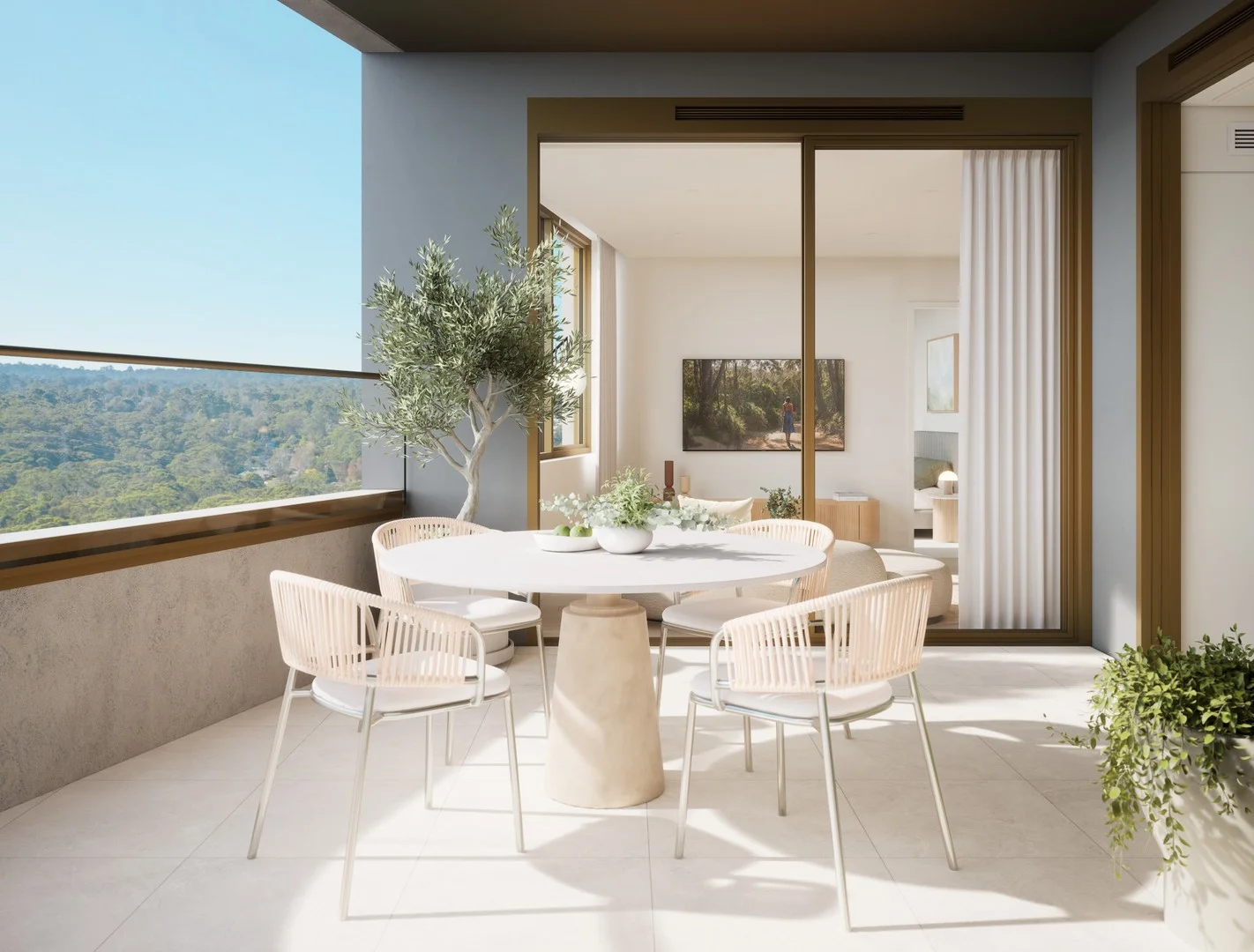 $1,525,000
Apartment / Unit / Flat
$1,525,000
Apartment / Unit / Flat
 $36,000,000 - $39,500,000
Vacant Land
$36,000,000 - $39,500,000
Vacant Land
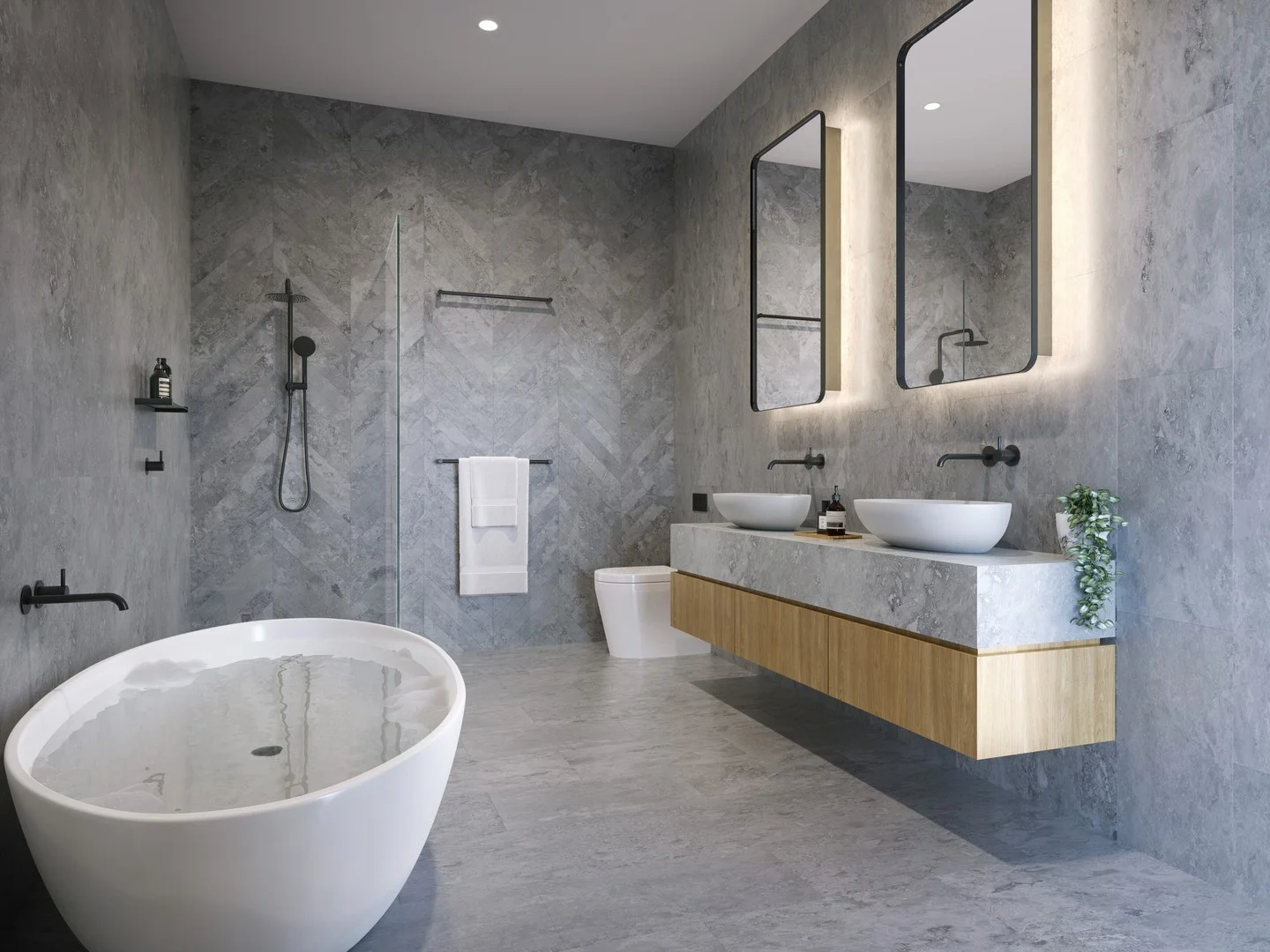 $2,824,000
Apartment / Unit / Flat
$2,824,000
Apartment / Unit / Flat


