Overview
## 1. Overview
Our Lady of Fatima Catholic Primary School, Kingsgrove is a Catholic, co-educational primary school that emphasises a faith-based learning community. The school typically serves a small to medium cohort, with class sizes that support close teacher-student interaction and personalised learning.
The atmosphere is generally nurturing and inclusive, focusing on values-based education, strong community links, and academic development. The school aims to balance religious formation with quality teaching, offering a welcoming environment for families from diverse backgrounds.
---
## 2. Academics & Learning
- Academic strengths: Literacy and numeracy are foundational priorities, with a focus on English, mathematics, and religious education. There is attention to STEM concepts through integrated learning and practical activities.
- Special programs: Possible access to gifted and talented pathways and opportunities for accelerated learning within the primary years. EAL/D support is commonly available for students who need language assistance.
- NAPLAN / trends: NSW public measures are typically monitored for literacy and numeracy progress; schools often report upward or stabilising trends in student outcomes over recent years.
- Student-teacher ratios: Class sizes support meaningful instruction, with student-teacher ratios commonly in the low-to-mid range for primary settings (varies by year level).
- Support for diverse learners: Programs and staffing to support diverse learners, including EAL/D support and targeted SEN planning where needed.
---
## 3. Sports & Extracurricular Strengths
- Sports offered: A range of team and individual sports may include soccer, AFL/RL-style football, basketball, cricket, and athletics, with emphasis on participation, teamwork, and fair play.
- Strong teams or achievements: The school often fields representative teams for interschool events and diocesan competitions; achievements are celebrated as part of a broad participation culture.
- Music, arts, drama: Involvement in music and performing arts is encouraged, with opportunities such as school choirs, bands, or drama activities.
- Clubs: Robotics, coding, chess, debating, and other clubs commonly run to develop critical thinking and problem-solving skills.
- Partnerships: Connections with local sporting clubs and diocesan competitions provide extra-curricular pathways and additional opportunities for competition and growth.
---
## 4. Wellbeing & Pastoral Care
- Anti-bullying approach: A proactive, inclusive culture supports respectful relationships, with clear expectations and reporting processes.
- House system: A house structure often promotes belonging, leadership, and healthy competition across year levels.
- Counsellors / wellbeing officers: Access to wellbeing staff or school counselors to support students’ social, emotional, and mental health needs.
- Transition support: Programs to welcome new students, including buddy systems, orientation activities, and staff assistance during transition periods.
---
## 5. Facilities
- Sports grounds: Dedicated outdoor spaces for physical education and sports.
- Libraries: A library for reading, research, and literacy activities.
- Science labs: Facilities equipped for hands-on science learning and experiments.
- Music/performing arts centers: Space and rooms for music practice, drama, and performances.
- Tech/innovation labs: Access to computer labs and technology-enhanced learning resources.
- Cafeteria: On-site canteen or food provision supporting student nutrition.
- Updated playgrounds: Safe, age-appropriate play areas and outdoor learning spaces.
---
## 6. School Values & Community Culture
- School values / mission: A Catholic values framework focusing on respect, compassion, service, and integrity within daily learning.
- Leadership style: Leadership tends to be collaborative and student-centred, encouraging student voice within the school community.
- Behaviour expectations: Positive behaviour support with clear guidelines, rewards, and restorative approaches to discipline.
- Community reputation: Seen as a family-friendly school with active parent engagement and a supportive parish connection.
- Diversity & inclusion: Welcomes students from diverse backgrounds and promotes inclusive practices across curriculum and activities.
---
## 7. School Logistics & Daily Operations
- School hours: Typically a standard primary schedule (start mid-morning to mid-afternoon) with specified breaks.
- Before/after school care: Often offered through an OSHC provider or school-wide programs to accommodate families’ work schedules.
- Uniform requirements: School uniform policy in place, with guidance on everyday and formal wear.
- Transport (train/bus routes): Access to local bus routes and public transport options; specifics vary by year level and family location.
- Canteen availability: Canteen or lunch services available to students.
- Fees (low/medium/high ranges): Catholic primary schools generally have moderate fees; exact amounts vary by grade and year. Check current school materials for precise figures.
---
## 8. Enrolment & Admissions
### 11. What is the enrolment process and timeline?
- Typically begins with an expression of interest or application, followed by submission of required documentation (birth certificates, immunisation records, proof of address, etc.). The timeline often includes a closing date for applications, shortlists, and notification of offers within a set admission cycle. Interviews or family information sessions may be part of the process.
### 12. Is there a waiting list, and how does it work?
- Many Catholic primary schools maintain a waiting list when applications exceed places. The list is usually prioritised by criteria such as parish affiliation, sibling attendance, and application date. Families can expect ongoing communication about waitlist status and potential vacancies.
### 13. Are there any entry requirements, tests, or interviews?
- Entry may involve an interview or information session to understand the student and family context. Some schools may include a brief assessment or clarify readiness in core areas, but exact requirements vary by school year and intake.
### 14. Does the school accept mid-year transfers?
- Mid-year transfers are sometimes possible if there are vacant places and appropriate placement can be found. Availability depends on current enrolment, year level, and suitability of the applicant.
---
## 9. Frequently Asked Questions
- Why Parents Choose This School?
- A faith-based, values-driven environment with a focus on community, supportive staff, and a well-rounded education that balances academics, wellbeing, and extracurricular opportunities.
- What type of student thrives at this school?
- Students who thrive in a close-knit, inclusive Catholic community with a willingness to participate in both academics and co-curricular activities.
- What opportunities are available for students to extend their skills (academics, sports, arts)?
- Access to advanced literacy/numeracy initiatives, clubs like robotics and coding, a variety of sports and performing arts programs, and opportunities to participate in interschool competitions.
- How does the school communicate with parents?
- Regular newsletters, parent-teacher meetings, digital portals for updates on student progress and school events, with opportunities for parent involvement in community activities.
- What is the school’s approach to teaching and learning?
- A balanced approach combining Catholic values with evidence-based pedagogy, differentiated instruction, and opportunities for hands-on learning.
- How does the school support students who need extra academic help?
- Targeted literacy and numeracy support, EAL/D assistance, and access to specialist staff or programs to address diverse learning needs.
- What support is available for academic challenges?
- Individual or small-group interventions, progress monitoring, and collaboration with families to tailor support plans.
- How does the school communicate with parents? (Repeated)
- See above: regular updates through multiple channels; parent-teacher conferences and open lines of communication with teachers and leaders.
- What are the class sizes and how much individual attention do students receive?
- Class sizes are designed to be manageable for personalized attention, with teacher-led instruction complemented by small-group support as needed.
- What extracurricular and sports opportunities are available?
- A range of sports, music and drama activities, and clubs such as robotics, coding, chess, and debating, designed to appeal to diverse interests.
- What facilities does the school offer (sports, science, arts)?
- Sports grounds, libraries, science labs, music/theatre spaces, tech/innovation labs, canteen, and modern playgrounds.
- What is the school’s approach to technology and digital learning?
- Integration of age-appropriate technology in learning, with emphasis on digital literacy, responsible use, and hands-on applied projects.
- What transport and accessibility options are available?
- Access to public transport options and local school routes; information on accessibility and drop-off/pick-up arrangements can be provided by the school.
- What are the typical school fees or additional costs?
- Fees are typically described as moderate within the context of NSW Catholic primary schools; exact amounts vary by year level and activity costs.
---
## 10. Short Pros & Cons list
- Pros
- Strong sense of community and values-based education
- Supportive pastoral care and wellbeing resources
- Broad range of academic, sporting, and arts opportunities
- Inclusive approach with attention to diverse learners
- Active parent and school partnership culture
- Cons
- Smaller school size may mean fewer specialised facilities than larger schools
- Availability of places can be limited; potential waiting lists
- Exact fee levels depend on year level and programs; verify current costs
Note: The information above provides a general guide. For precise enrolment details, program offerings, and current policies, please contact the school directly or refer to their official enrolment materials.










 $665,000
Apartment / Unit / Flat
$665,000
Apartment / Unit / Flat
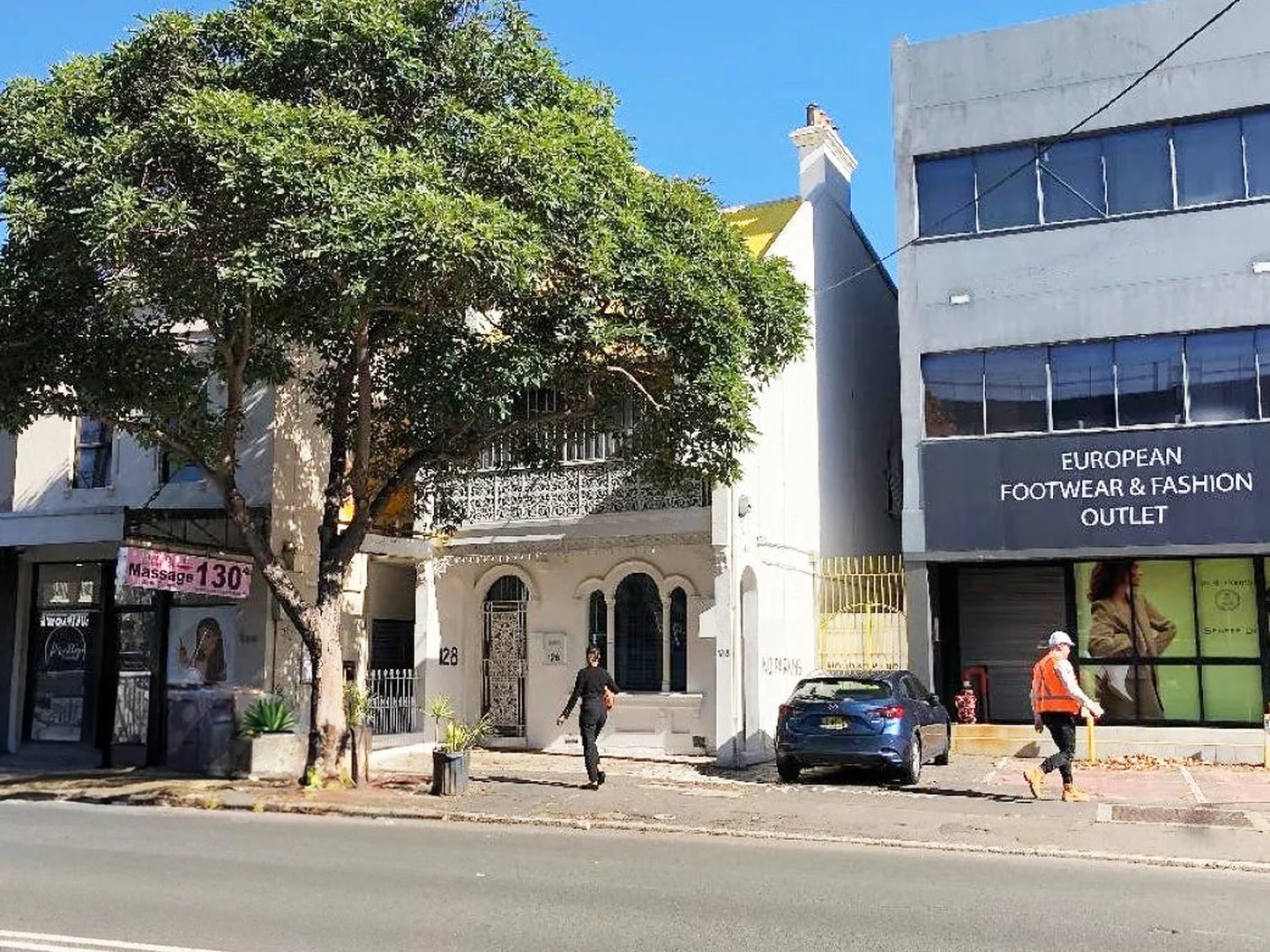 $3,900,000
House
$3,900,000
House
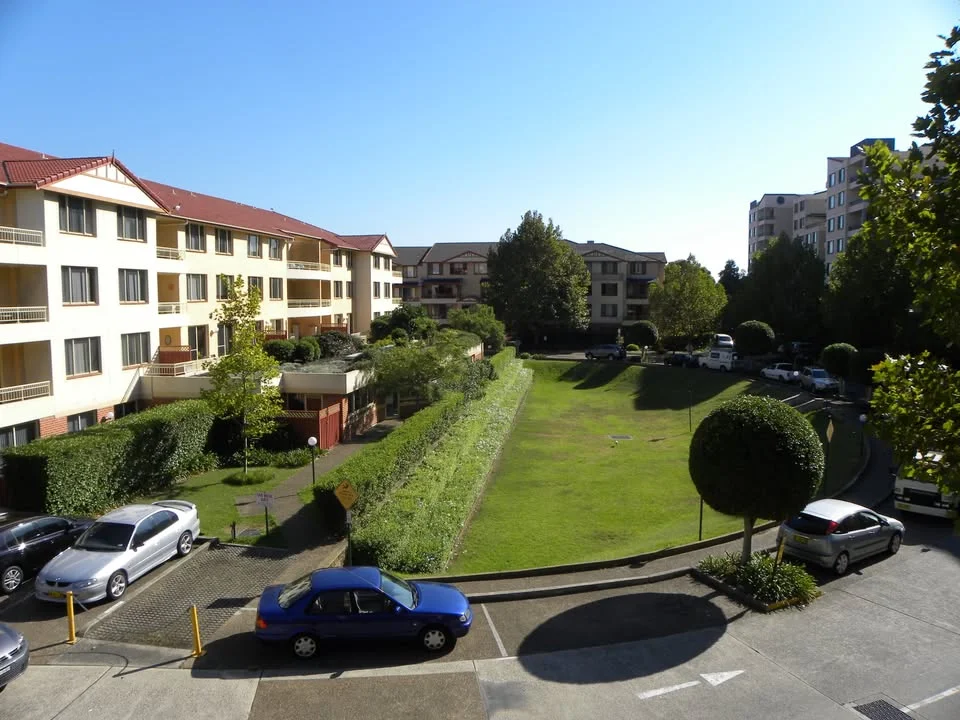 $990
Apartment / Unit / Flat
$990
Apartment / Unit / Flat
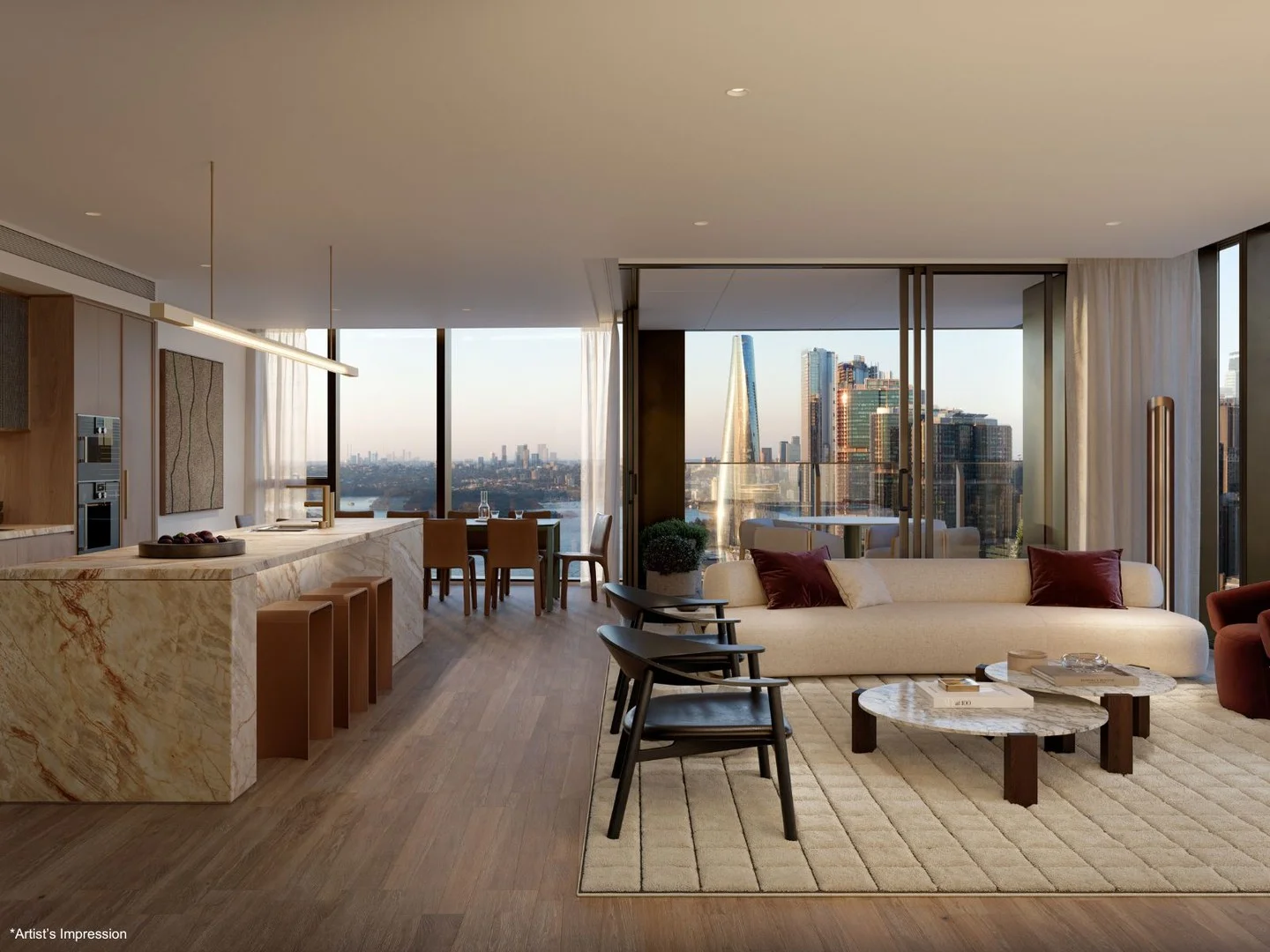 $12,980,000
propertyType.NEW APARTMENTS / OFF THE PLAN
$12,980,000
propertyType.NEW APARTMENTS / OFF THE PLAN
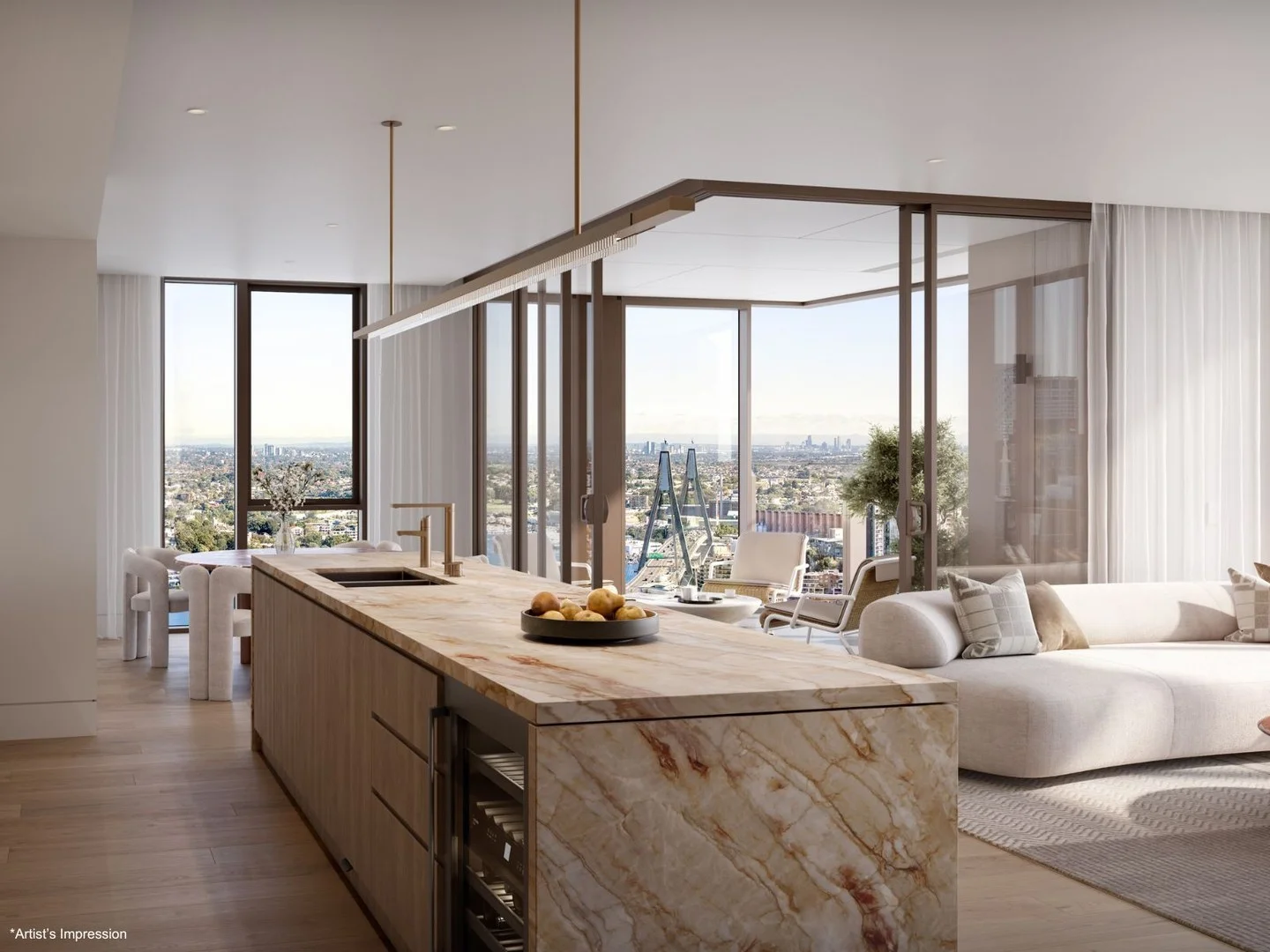 $9,020,000
propertyType.NEW APARTMENTS / OFF THE PLAN
$9,020,000
propertyType.NEW APARTMENTS / OFF THE PLAN
 $8,630,000
propertyType.NEW APARTMENTS / OFF THE PLAN
$8,630,000
propertyType.NEW APARTMENTS / OFF THE PLAN
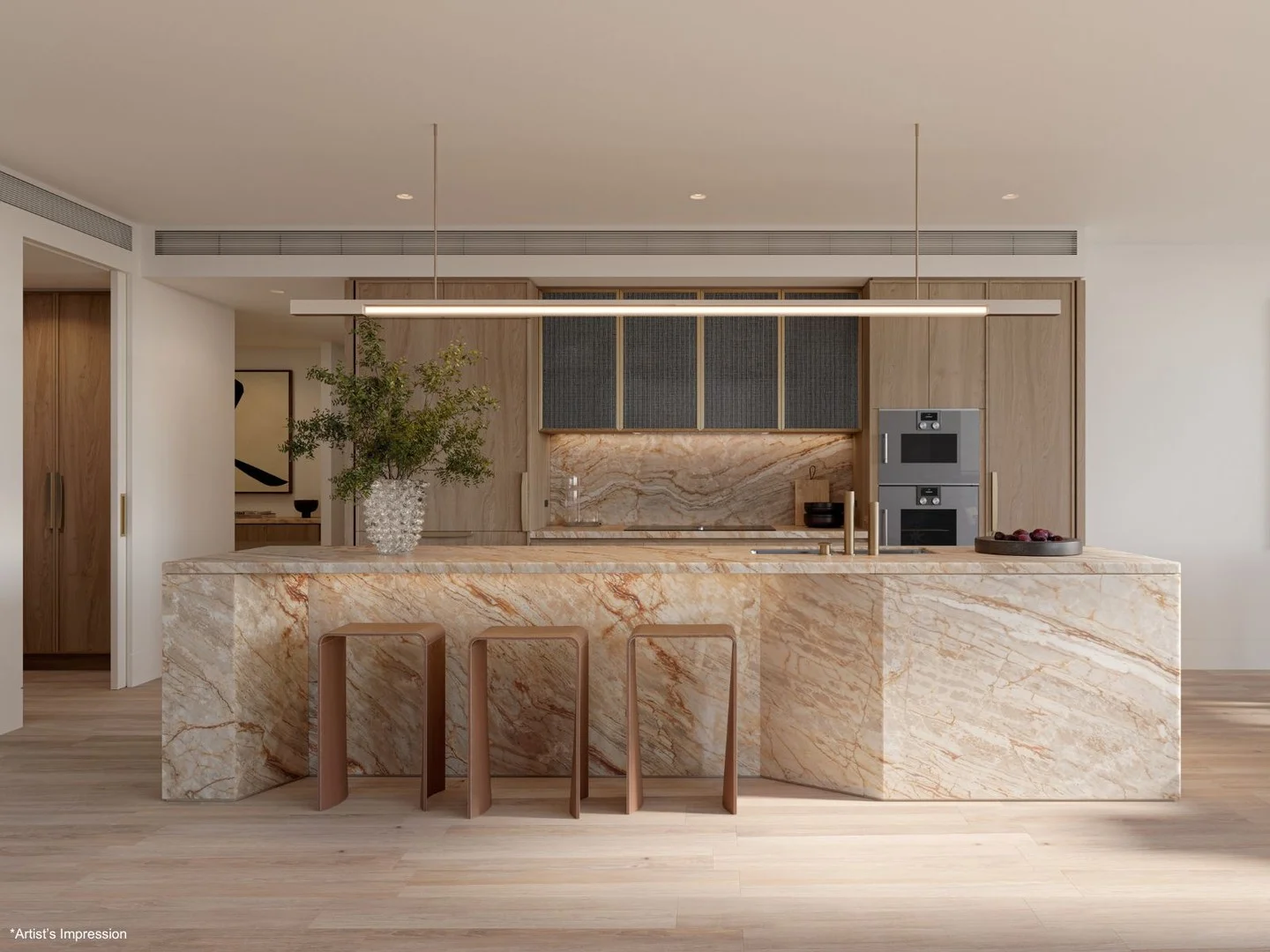 $6,225,000
propertyType.NEW APARTMENTS / OFF THE PLAN
$6,225,000
propertyType.NEW APARTMENTS / OFF THE PLAN
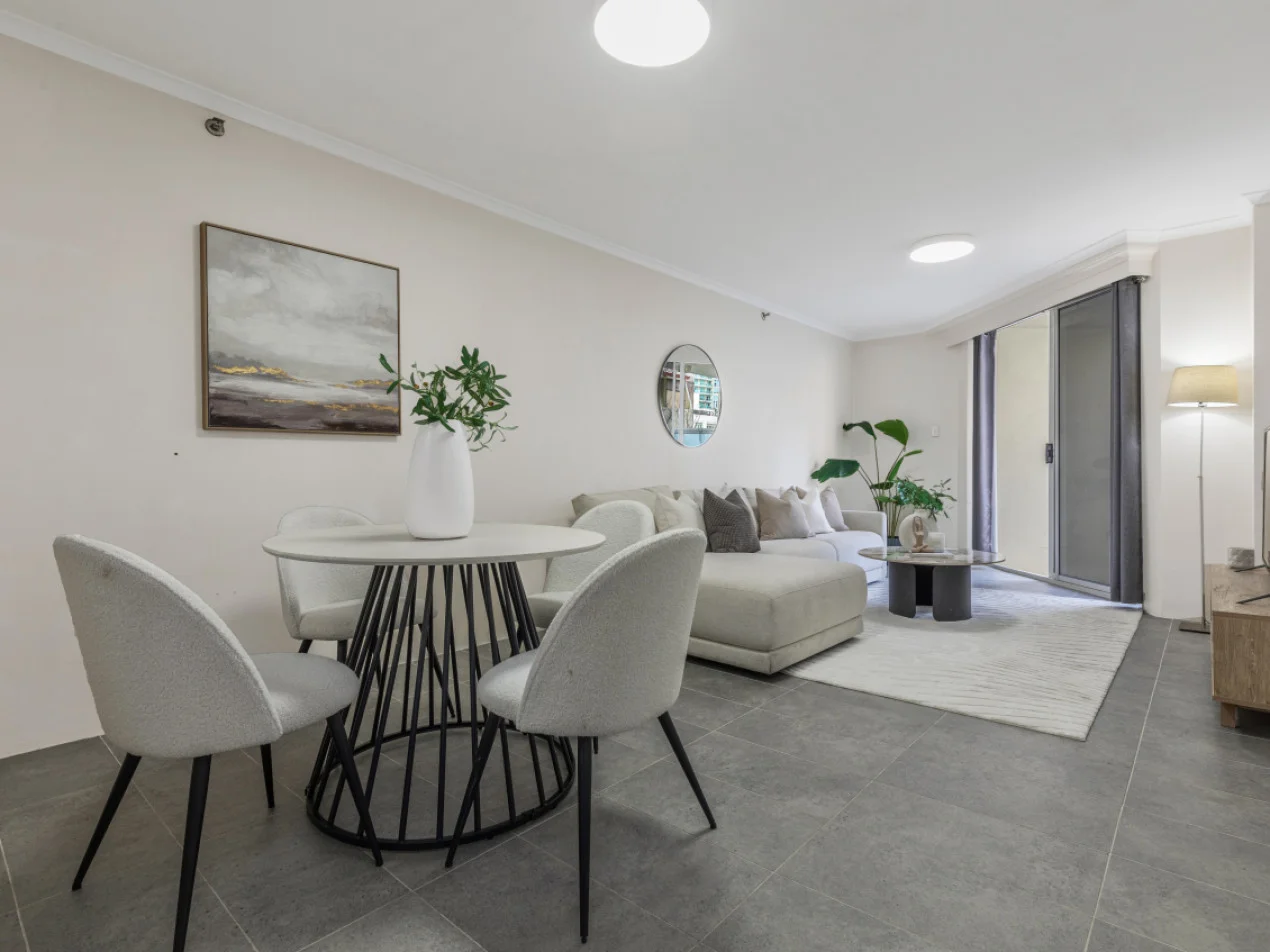 $640,000 - $675,000
Apartment / Unit / Flat
$640,000 - $675,000
Apartment / Unit / Flat
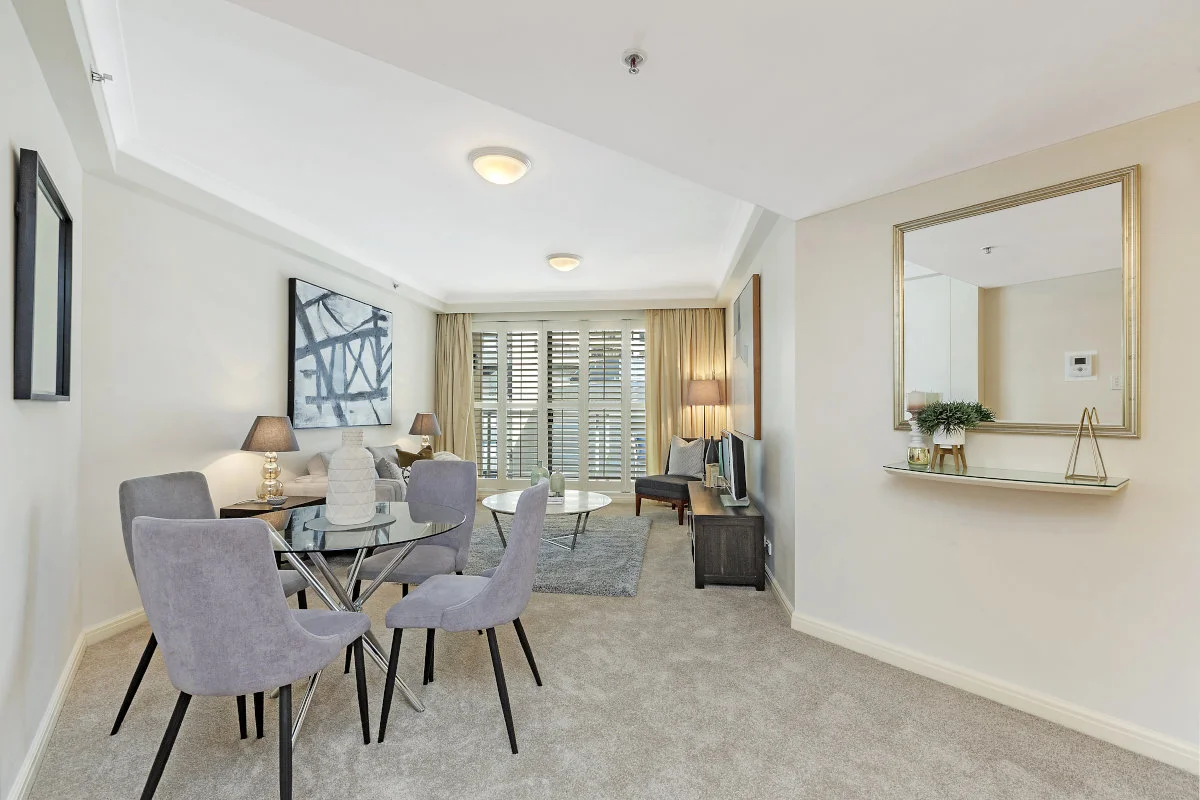 $660,000 - $725,000
Apartment / Unit / Flat
$660,000 - $725,000
Apartment / Unit / Flat


