## 1. Overview
Our Lady of Mercy College Parramatta is a Catholic independent girls’ secondary school serving the Parramatta area. As a faith-based, community-focused college, it emphasises values, academic growth and well-being within a supportive environment. The school tends to be described as a medium-to-large campus with active student life, a nurturing culture and a strong sense of belonging.
Class sizes are typically in the mid-range for NSW independent schools, allowing teachers to know students well and provide individual attention. The atmosphere combines a respectful, inclusive culture with a clear academic focus, encouraging leadership, service and participation across a broad range of interests.
---
## 2. Academics & Learning
- Academic strengths: The college places emphasis on core disciplines such as English and Mathematics, with solid strength in Science and Humanities, alongside opportunities to pursue leadership and languages. A well-rounded curriculum supports both university pathways and broader skills development.
- Special programs: It offers programs common to NSW Catholic schools, including HSC preparation and opportunities for accelerated study or gifted and talented pathways where appropriate. The school also supports leadership development and service learning.
- NAPLAN trends: Historically, the school showcases steady literacy and numeracy performance with positive trends over time, reflecting ongoing program refinement and targeted support.
- Student-teacher ratios: Typical NSW Catholic secondary schools in this category aim for moderate ratios that enable individual attention; the college emphasises access to teachers for guidance and feedback.
- Support for diverse learners: Strong support structures are in place, including assistance for EAL (English as an Additional Language) students and targeted learning support for SEN (Special Educational Needs), ensuring inclusive learning pathways.
---
## 3. Sports & Extracurricular Strengths
- Sports offered: The college provides a range of traditional team and individual sports typical of NSW schools, including basketball, netball, soccer, athletics, swimming and cricket, among others.
- Strong teams or achievements: Teams compete in inter-school events and state-level competitions, with a focus on teamwork, resilience and fair play.
- Music, arts, drama programs: A robust music program supports ensembles and performance opportunities; drama productions and arts activities are commonly available.
- Clubs: Robotics, coding, chess and debating are among the clubs, along with other subject-based or interest-based groups.
- Partnerships: Students may engage with local community clubs, sporting associations and external competitions to extend opportunities beyond the campus.
---
## 4. Wellbeing & Pastoral Care
- Anti-bullying approach: The college maintains a clear anti-bullying policy with proactive welfare practices and student safeguarding.
- House system: A house-based pastoral care framework provides community, belonging and regular opportunities for leadership and mentorship.
- Counsellors / wellbeing officers: On-site wellbeing staff and school counsellors support student mental health, study planning and transition needs.
- Transition support for new students: Orientation programs, buddy systems and targeted onboarding help new students settle into the school environment smoothly.
---
## 5. Facilities
- Sports grounds
- Libraries
- Science labs
- Music/performing arts centers
- Tech/innovation labs
- Cafeteria
- Updated playgrounds
The campus is designed to be visually engaging and functional, with spaces that support hands-on learning, collaboration and creative expression.
---
## 6. School Values & Community Culture
- School values / mission: The college is guided by Mercy values — compassion, justice, service and community, integrated into daily life and learning.
- Leadership style: Leadership opportunities are available at student and staff levels, promoting responsibility, initiative and ethical action.
- Behaviour expectations: Clear conduct standards align with the school’s values, emphasising respect, integrity and accountability.
- Community reputation: The school is known for its supportive Catholic community connection, strong family engagement and active alumni networks.
- Diversity & inclusion: The college strives for an inclusive culture that recognises and welcomes diverse backgrounds and perspectives.
---
## 7. School Logistics & Daily Operations
- School hours: Follows the standard NSW secondary timetable; days typically run through the morning and afternoon with breaks in between.
- Before/after school care: Some level of before/after school care or supervision is often available; details are provided by the school.
- Uniform requirements: Uniforms are required and are an expected part of daily school life; specifics are outlined in the school’s uniform policy.
- Transport (train/bus routes): Accessibility includes options via local public transport and bus services; families often use nearby train/bus routes to reach Parramatta.
- Canteen availability: A canteen or café-style facility usually operates on campus with a range of meal and snack options.
- Fees (low/medium/high ranges): Fees are in the mid-to-high range relative to NSW Catholic independent high schools, reflecting private schooling in the area.
---
## 8. Enrolment & Admissions
11. What is the enrolment process and timeline?
- Families typically submit an enrolment application with supporting documents, attend information/open days if offered, and follow a timeline published by the school that leads to offers for Year 7 (and other year levels where applicable). The process often includes interviews and may involve submissions of academic records or references.
12. Is there a waiting list, and how does it work?
- Waiting lists are common; offers are made based on vacancy, order of waitlist placement, Catholic education criteria, and any siblings or priority considerations the school may apply.
13. Are there any entry requirements, tests, or interviews?
- Entry commonly involves an interview and may include relevant assessments or documentation to assess readiness and fit with the school’s program, particularly for Year 7 intake and other entry points.
14. Does the school accept mid-year transfers?
- Mid-year transfers are sometimes possible, subject to vacancy and a smooth transition assessment; families should contact the school early to discuss availability and requirements.
---
## 9. Frequently Asked Questions
- Why Parents Choose This School?
- A values-based Catholic education with a supportive community, balanced academics, strong wellbeing support and a range of enrichment opportunities.
- What type of student thrives at this school?
- Students who are motivated, engaged in service or leadership, value community and seek a well-rounded education with opportunities across academics, arts and sport.
- What opportunities are available for students to extend their skills (academics, sports, arts)?
- Enrichment in STEM, English and humanities; leadership programs; competitive sports teams; music ensembles; drama and arts; robotics, coding and debating clubs.
- How does the school communicate with parents?
- Through newsletters, email, parent portals and scheduled meetings; proactive updates on student progress and school events.
- What is the school’s approach to teaching and learning?
- A student-centered approach with differentiation, regular assessment and a blend of traditional and digital learning tools to support a range of learners.
- How does the school support students who need extra academic help?
- Access to learning support staff, EAL assistance and targeted interventions or tutoring where needed.
- What support is available for academic challenges?
- Individual or small-group support, study skills coaching and teacher-led strategies to help students improve in specific areas.
- How does the school communicate with parents?
- See above: newsletters, portals, emails and parent-teacher conversations; emphasis on timely, transparent communication.
- What are the class sizes and how much individual attention do students receive?
- Class sizes are mid-range for NSW independent schools, with teachers available to provide individual guidance and small-group support as part of the learning approach.
- What extracurricular and sports opportunities are available?
- A broad menu including team sports (basketball, netball, soccer, etc.), athletics and swimming, plus clubs in robotics, coding, chess, debating and more.
- What facilities does the school offer (sports, science, arts)?
- Comprehensive facilities across sports grounds, libraries, science labs, music/performing arts spaces, tech/innovation labs and student-centred learning areas.
- What is the school’s approach to technology and digital learning?
- Integration of digital learning tools and platforms to support interactive lessons, research, collaboration and independent study.
- What transport and accessibility options are available?
- Access via local public transport with nearby bus routes and train connections; facilities designed to be accessible for students.
- What are the typical school fees or additional costs?
- Fees are in the mid-to-high range for NSW private Catholic schools, with typical costs including tuition, uniform and some activity fees.
---
## 10. Short Pros & Cons list
- Pros
- Catholic independent education with a values-driven culture
- Strong academic focus with supportive learning environment
- Well-being, pastoral care and transition support
- Broad range of extracurriculum opportunities (sports, arts, clubs)
- Comprehensive facilities and resources
- Cons
- Fees are higher than public options
- Competitive environments may not suit every learner
- Enrolment demand can mean waiting lists for some year levels
- Transport options depend on local routes and may require planning

 Free
Free











 $36,000,000 - $39,500,000
Vacant Land
$36,000,000 - $39,500,000
Vacant Land
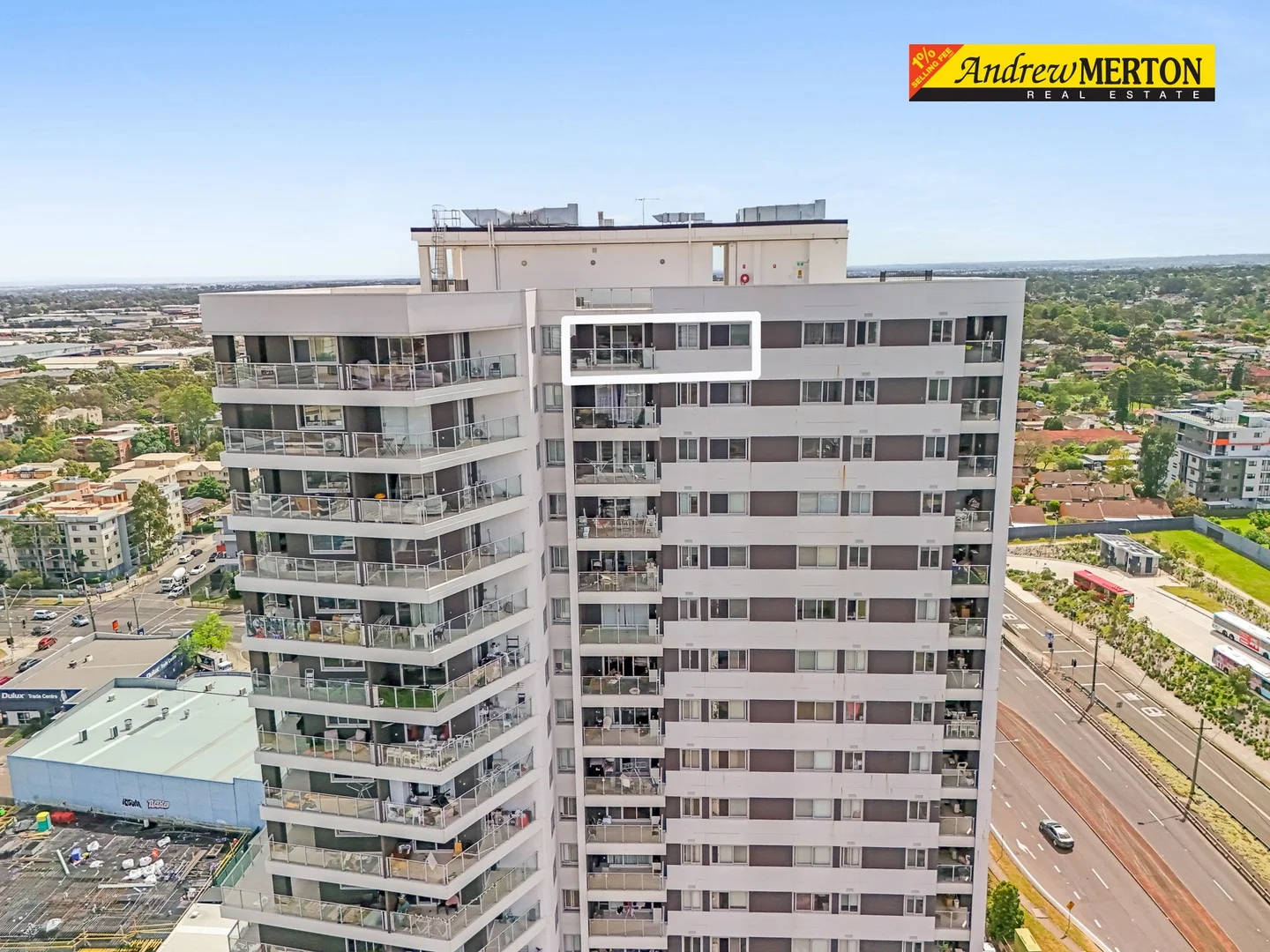 $399,900
Apartment / Unit / Flat
$399,900
Apartment / Unit / Flat
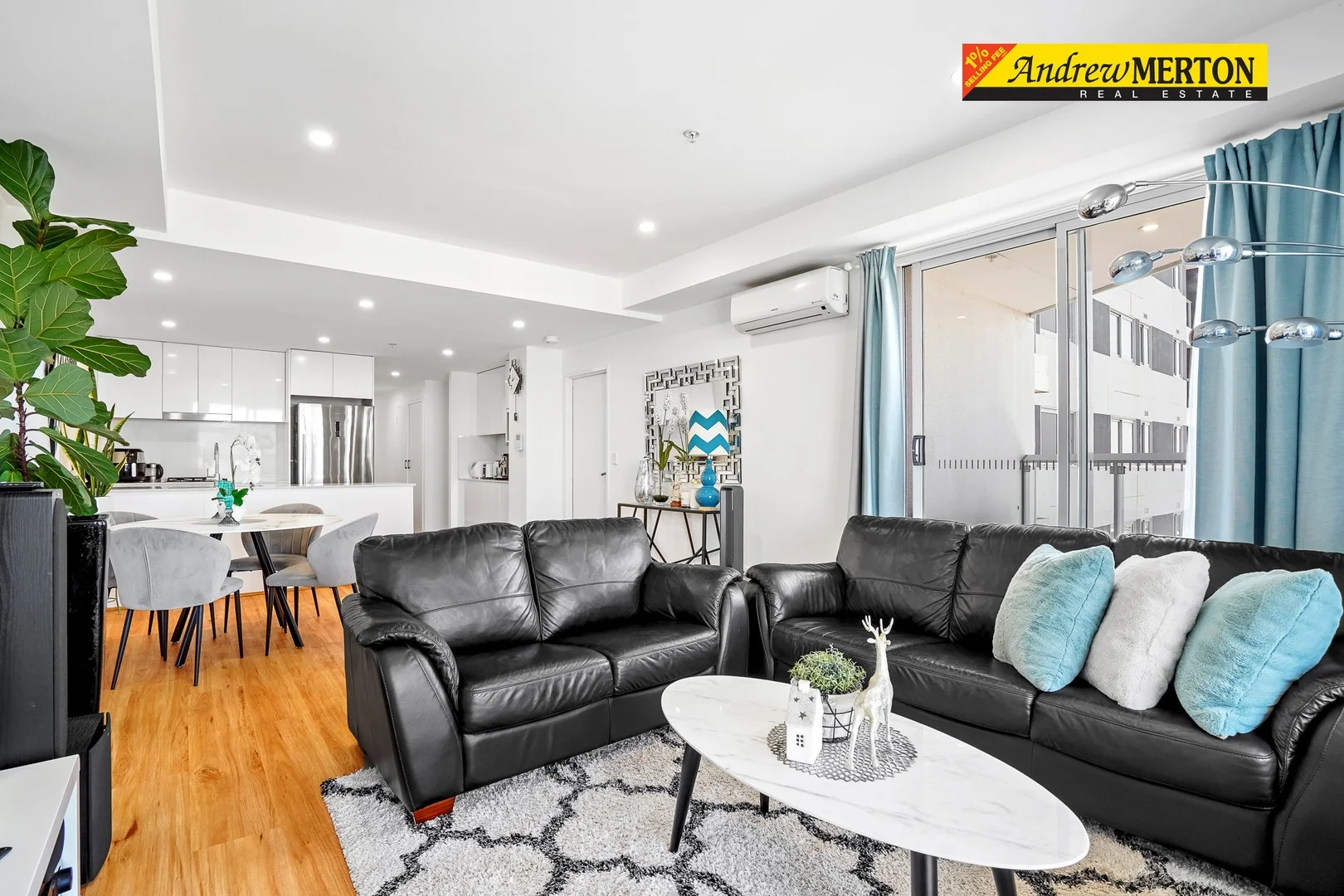 $450,000 - $470,000
Apartment / Unit / Flat
$450,000 - $470,000
Apartment / Unit / Flat
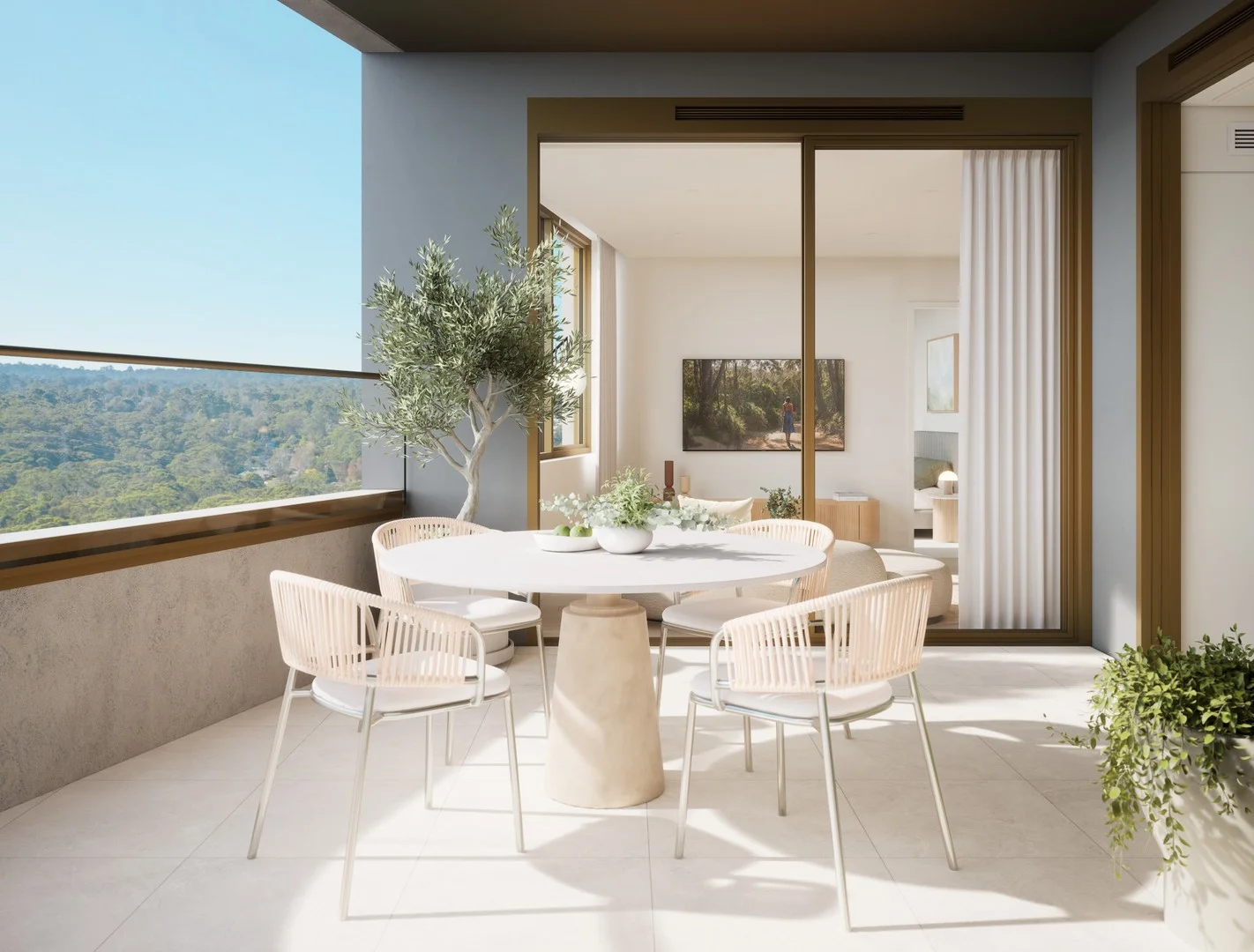 $1,525,000
Apartment / Unit / Flat
$1,525,000
Apartment / Unit / Flat


