Overview
## 1. Overview
Our Lady of Mt Carmel Catholic Primary School, Mt Pritchard is a Catholic primary school serving families seeking faith-based education from Kindergarten through Year 6. The school emphasises(values-driven learning, community, and service) within a supportive, nurturing environment.
Size-wise, the school is medium-sized with class sizes typically in the low-to-mid 20s. The atmosphere is welcoming and inclusive, prioritising strong teacher-student relationships, faith-based learning, and a sense of belonging for families and students alike.
## 2. Academics & Learning
- Academic strengths: English and Literacy, Mathematics, Religious Education, and STEM/digital learning are core focuses, with a clear emphasis on building foundational skills and critical thinking.
- Special programs: Gifted and Talented opportunities and enrichment activities, alongside targeted learning supports for students who need extra help. Access to reading/early literacy interventions and digital learning initiatives are commonly available.
- NAPLAN / trends: Publicly available data varies by year; typical trends in NSW Catholic primary settings show stability or gradual improvement in reading and numeracy with performance often aligning with or above state averages. For the latest trends, consult the school’s published results.
- Student-teacher ratios: Generally around 1:20 to 1:25, depending on year level and class structure.
- Support for diverse learners: Strong EAL/D support and inclusive education programs; targeted assistance for students with additional learning needs and regular collaboration with families to tailor support.
## 3. Sports & Extracurricular Strengths
- Sports offered: Football (soccer), rugby league, netball, basketball, cricket, athletics, and other school-based physical activities are commonly available.
- Strong teams or achievements: Active participation in local inter-school and diocese-level events; opportunities for travel to regional competitions through school sports programs.
- Music, arts, drama: School choir, instrumental music programs, and annual or biannual drama/performing arts productions; opportunities to participate in school concerts.
- Clubs: Robotics, coding, chess, debating, and other STEM or literacy clubs are typically offered to extend student interests.
- Partnerships: Engagement with local clubs and community groups, as well as diocesan sport and arts events, providing broader opportunities beyond the classroom.
## 4. Wellbeing & Pastoral Care
- Anti-bullying approach: Clear anti-bullying policies with a focus on a positive school climate, restorative practices, and student-led buddy programs to foster inclusion.
- House system: A house-based system to encourage teamwork, leadership, and healthy competition in a supportive context.
- Counsellors / wellbeing officers: A wellbeing team or school counsellor is available to support student emotional health and resilience.
- Transition support for new students: Orientation activities, buddy programs, and targeted transition support to help new students settle in smoothly.
## 5. Facilities
- Sports grounds: On-site playing fields or courts suitable for a range of sports.
- Libraries: A central library with resources to support reading and inquiry.
- Science labs: Functional science spaces to support hands-on experiments and STEM activities.
- Music/performing arts centers: Space for music practice, rehearsals, and performances.
- Tech/innovation labs: Computing or digital learning spaces to support coding and technology-led learning.
- Canteen: On-site canteen offering healthy meal and snack options.
- Updated playgrounds: Modern play spaces that support active play and exploration.
## 6. School Values & Community Culture
- School values / mission: A faith-based mission emphasising Catholic values such as faith, service, respect, responsibility, and compassion within daily learning.
- Leadership style: Collaborative and inclusive, with opportunities for student voice and leadership roles; strong partnership with families and parish.
- Behaviour expectations: Clear codes of conduct and expectations around respectful behaviour, with restorative approaches to resolve conflicts.
- Community reputation: Known for a warm, supportive community with active family involvement and strong parish connections.
- Diversity & inclusion: Welcoming environment for families from diverse backgrounds; inclusive practices are embedded in daily routines and support services.
## 7. School Logistics & Daily Operations
- School hours: Typical school day runs during standard daytime hours with a clear start and finish; before/after school care options are often available.
- Before/after school care: Usually offered, providing supervision and activities outside regular school hours.
- Uniform requirements: School uniform is required; sports uniform for physical education days; sun-safe hats and seasonal variations as per policy.
- Transport (train/bus routes): Bus services and local transport routes commonly used by families; information available through the school and local transport authorities.
- Canteen availability: On-site canteen or cafeteria providing everyday meal options and healthy choices.
- Fees (low/medium/high ranges): Fees are typical of Catholic primary settings with a disclosed range; exact amounts vary by year and program, so please verify with the school.
## 8. Enrolment & Admissions
11. What is the enrolment process and timeline?
- Submit an online or in-person application by the school’s stated deadline.
- Provide required documents (birth certificate, immunisation records, baptism or parish details if applicable, parent/guardian details).
- Attend information sessions or open days if offered, and participate in any requested interviews or informal chats.
- Receive offer notifications according to the school’s timeline; confirm acceptance by the stated date.
- Complete any required onboarding steps and family orientation.
12. Is there a waiting list, and how does it work?
- Some intake years may have a waiting list depending on space. Priority often goes to parishioners or siblings; the school will outline the order and process for waitlisted applicants and expected wait times.
13. Are there any entry requirements, tests, or interviews?
- Primary entry generally does not require formal entrance testing, but there may be a short information session or interview to understand fit and needs. Baptism or parish verification may be requested by some Catholic schools; this varies by school policy.
14. Does the school accept mid-year transfers?
- Mid-year transfers are possible if there is space. Families should contact the school early to discuss availability and the required documentation for a transfer.
## 9. Frequently Asked Questions
- Why Parents Choose This School?
- A faith-based environment that emphasises values, community, and holistic development; supportive teachers; involvement in school life beyond academics.
- What type of student thrives at this school?
- Students who value community, service, faith-integrated learning, and participation in a range of academic, sporting, and arts activities.
- What opportunities are available for students to extend their skills (academics, sports, arts)?
- Enrichment programs, gifted and talented activities, clubs (robotics, coding, chess, debating), sport teams, arts performances, and music programs.
- How does the school communicate with parents?
- Regular newsletters, email updates, parent-teacher meetings, school portals or apps, and information evenings or community events.
- What is the school’s approach to teaching and learning?
- A balanced approach combining Catholic values with contemporary pedagogy, a focus on literacy and numeracy, hands-on learning in STEM, and inclusive practices.
- How does the school support students who need extra academic help?
- Targeted interventions, small-group or one-on-one support, EAL/D assistance, and coordination with families to tailor learning plans.
- What support is available for academic challenges?
- Structured learning support, specialist staff where possible, and monitoring to ensure timely responses to difficulties.
- How does the school communicate with parents?
- See above; ongoing updates through multiple channels, with opportunities for direct conversations at parent-teacher meetings.
- What are the class sizes and how much individual attention do students receive?
- Class sizes are in the low-to-mid 20s, allowing for regular teacher-student interaction and targeted support within the classroom.
- What extracurricular and sports opportunities are available?
- A broad range of sports (soccer, rugby league, netball, basketball, etc.), plus clubs in robotics, coding, chess, debating, music, and drama.
- What facilities does the school offer (sports, science, arts)?
- Sports grounds, a library, science labs, music/performing arts spaces, tech/innovation labs, canteen, and modern playgrounds.
- What is the school’s approach to technology and digital learning?
- Integration of digital tools and coding into learning; access to computer/tech spaces and age-appropriate devices to support contemporary learning.
- What transport and accessibility options are available?
- Local bus routes and public transport connections; accessibility considerations as part of the school’s planning.
- What are the typical school fees or additional costs?
- Fees exist as part of the Catholic school model; exact amounts vary by year and program. Contact the school for a current fee schedule.
## 10. Short Pros & Cons list
- Pros
- Catholic, faith-based education with a values-driven culture.
- Supportive, inclusive community and strong sense of belonging.
- Balanced focus on academics, sport, arts, and technology.
- Wide range of extracurricular activities and clubs.
- Active wellbeing and pastoral support; transitional assistance for new students.
- Cons
- As a popular Catholic school, there can be competition for enrolment and waitlists.
- Fees and associated costs apply; families should review current fee schedules.
- Strong faith-based environment may not align with every family’s preferences.
- Transport access may depend on local routes and availability.











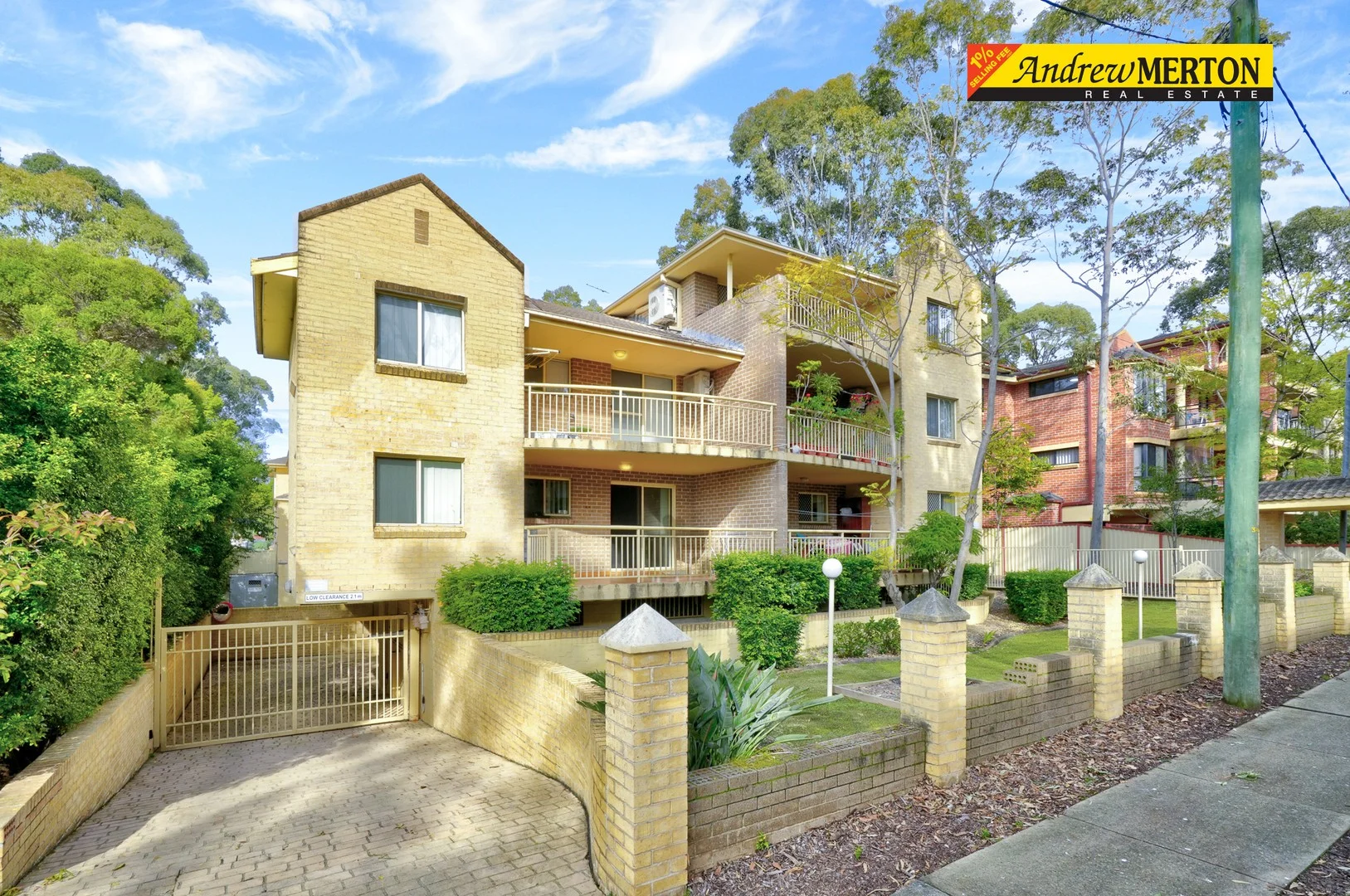 $530,000
Apartment / Unit / Flat
$530,000
Apartment / Unit / Flat
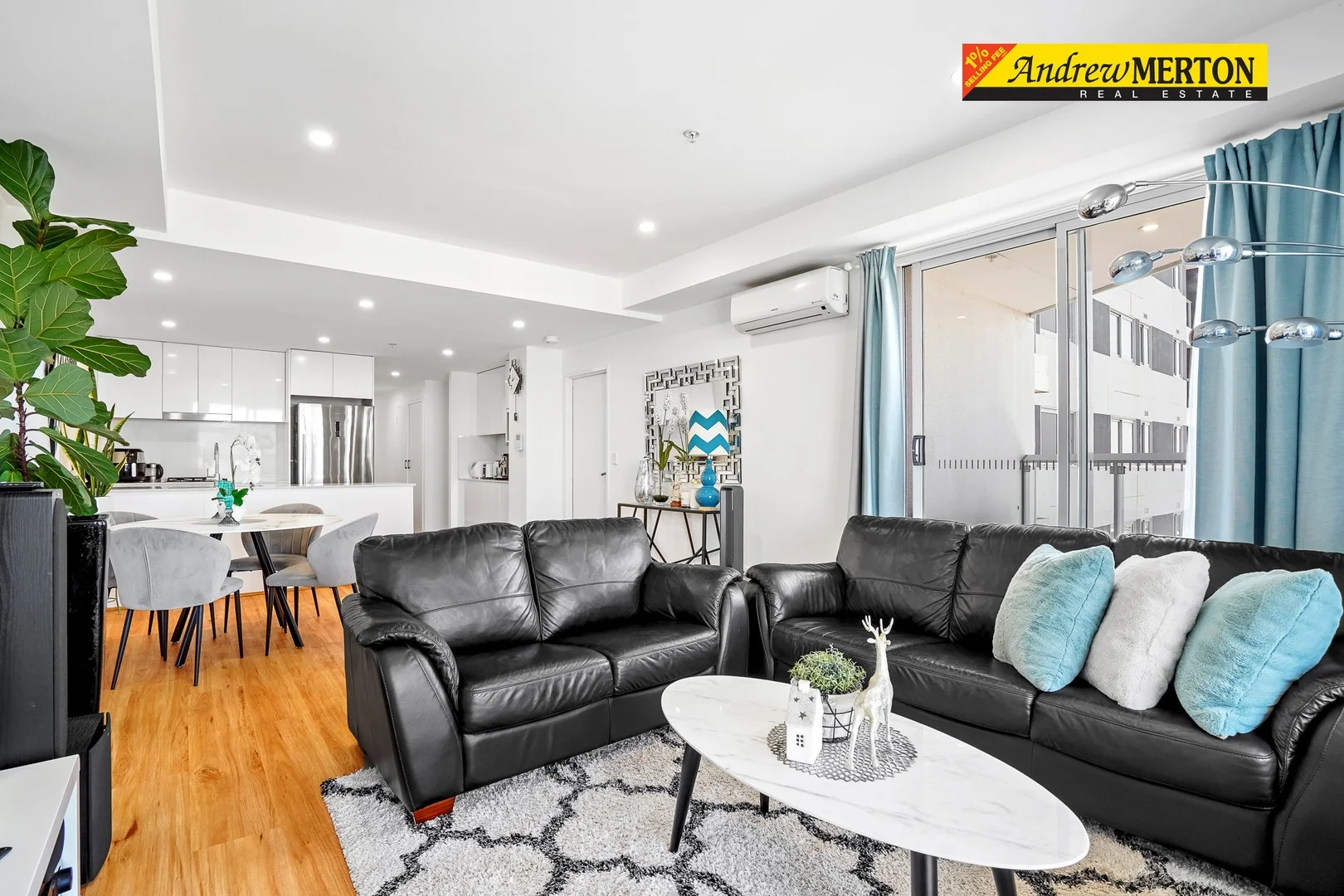 $475,000
Apartment / Unit / Flat
$475,000
Apartment / Unit / Flat
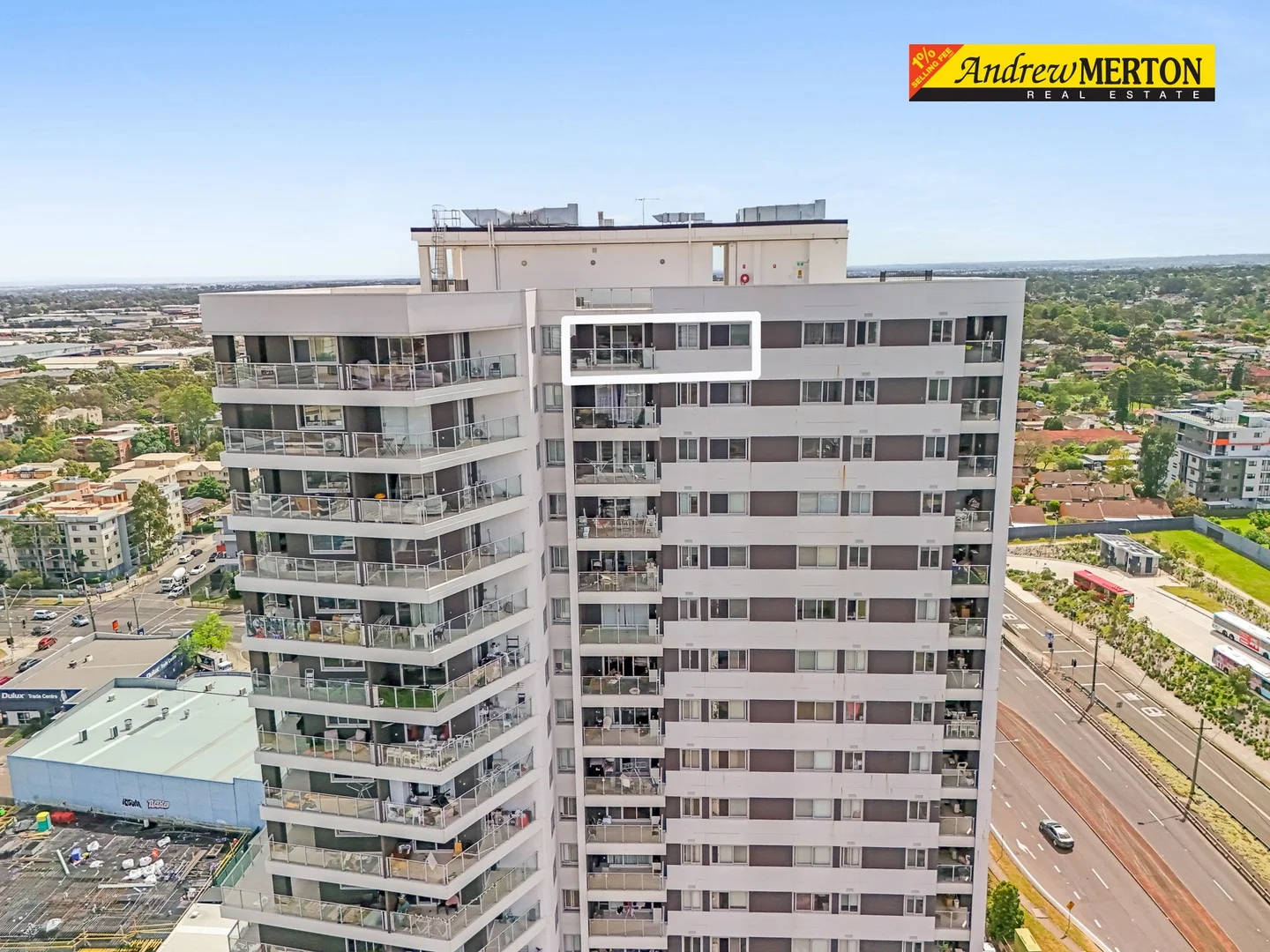 $399,900
Apartment / Unit / Flat
$399,900
Apartment / Unit / Flat


