Overview
## 1. Overview
Pal Buddhist School is an independent Buddhist school serving families in Canley Vale, NSW. It is a medium-sized campus that emphasizes a values-based education, mindfulness, and personal growth alongside academics. Class sizes are designed to support individual attention and collaborative learning, fostering an atmosphere that is nurturing, inclusive, and academically focused.
The school aims to balance scholastic achievement with ethical development, community service, and respect for diverse backgrounds. The culture supports students to explore their interests, develop leadership and resilience, and learn in a respectful, supportive environment.
## 2. Academics & Learning
- Academic strengths: Core literacy and numeracy with an emphasis on critical thinking, character education, and mindfulness-informed learning. Strong integration of ethical perspectives across subjects.
- Special programs: Gifted and Talented pathways and opportunities for enriched learning; mindfulness and well-being initiatives; language studies or cultural programs aligned with the Buddhist school ethos.
- NAPLAN / Ofsted trends: Trends are aimed at steady improvement and growth in key literacy and numeracy skills, with a focus on sustained progress over time.
- Student-teacher ratios: Typical ratios designed to support engaged learning and individual feedback (e.g., around 1:12–1:18, subject to year level).
- Support for diverse learners: EAL support, SEN-inclusive strategies, alongside access to pastoral support and counseling to help students succeed academically and personally.
## 3. Sports & Extracurricular Strengths
- Sports offered: A range of team and individual sports, including soccer, basketball, cricket, athletics, and other inter-school competition activities.
- Strong teams or achievements: Competitive inter-school teams with emphasis on teamwork, discipline, and sportsmanship.
- Music, arts, drama programs: Commitment to arts education with opportunities in music, drama, and visual arts as part of a well-rounded program.
- Clubs: Robotics, chess, coding, debating, and other inquiry-based and STEM-focused clubs to extend learning beyond the classroom.
- Partnerships: Connections with local clubs, academies, or competitions that provide extra pathways for competition and skill development.
## 4. Wellbeing & Pastoral Care
- Anti-bullying approach: Clear policies, restorative practices, and a proactive culture that promotes respect and safety for every student.
- House system: A house system to foster community, healthy competition, leadership, and belonging.
- Counsellors / wellbeing officers: Access to school-based counsellors or wellbeing staff to support mental health, transition, and personal development.
- Transition support for new students: Orientation programs, buddy systems, and targeted induction to help new students settle in smoothly.
## 5. Facilities
- Sports grounds: On-site playing fields or courts to support physical education and team sports.
- Libraries: Well-stocked library with study spaces for groups and individual reading.
- Science labs: Modern science laboratories for practical experiments and STEM activities.
- Music/performing arts centers: Dedicated spaces for music rehearsal, drama, and performance.
- Tech/innovation labs: Technology rooms or makerspaces for coding, robotics, and hands-on projects.
- Cafeteria: On-site dining or canteen facilities for students.
- Updated playgrounds: Safe, accessible play areas and outdoor learning spaces.
## 6. School Values & Community Culture
- School values / mission: A mission grounded in Buddhist principles such as compassion, integrity, mindfulness, and service, integrated with a rigorous academic program.
- Leadership style: Inclusive and service-oriented leadership that encourages student voice, responsibility, and positive role modeling.
- Behaviour expectations: Clear codes of conduct emphasizing respect, empathy, and accountability across classrooms and campus.
- Community reputation: Built on trust, consistent pastoral care, and a reputation for a welcoming, family-friendly environment.
- Diversity & inclusion: Emphasis on welcoming students from diverse backgrounds and ensuring accessible programs for all.
## 7. School Logistics & Daily Operations
- School hours: Typical start and finish times aligned with NSW schedules; curriculum days may vary.
- Before/after school care: Availability of extended care or supervision before or after school may be offered on campus.
- Uniform requirements: Clear uniform policy with guidance on acceptable attire for daily wear and special events.
- Transport (train/bus routes): Access to public transport options and bus routes; school may facilitate information on convenient travel options.
- Canteen availability: On-site canteen or arrangements for meals and snacks during the day.
- Fees (low/medium/high ranges): Fees are indicative of a private/independent school; actual costs vary by year level and program, with transparent payment schedules.
## 8. Enrolment & Admissions
11. What is the enrolment process and timeline?
- Prospective families typically begin with an expression of interest, followed by an application, submission of required documentation, and a timetable for interviews or assessments. Notification of decisions is provided within a stated timeframe, with any deposit or acceptance steps outlined.
12. Is there a waiting list, and how does it work?
- Many independent schools maintain a waiting list if spaces are full. The process usually involves ranking by date of expression of interest, readiness for entry, and any priority considerations defined by the school.
13. Are there any entry requirements, tests, or interviews?
- Entry often includes an interview or family meeting, and may include academic or psychosocial elements to understand fit with the school’s values and learning approach. Some programs may have age-appropriate assessments.
14. Does the school accept mid-year transfers?
- Mid-year transfers may be possible depending on space, program availability, and the school’s assessment of fit. An application and relevant documentation are typically required.
## 9. Frequently Asked Questions
- Why Parents Choose This School?
- Families often choose for a values-based, supportive environment that balances academic rigor with wellbeing and character development.
- What type of student thrives at this school?
- Students who value community, mindfulness, and a balanced approach to learning, with curiosity and empathy, tend to thrive.
- What opportunities are available for students to extend their skills (academics, sports, arts)?
- Enrichment through gifted pathways, clubs (robotics, coding, debating), arts programs, and competitive sports, plus leadership and service opportunities.
- How does the school communicate with parents?
- Regular updates through newsletters, portals, parent-teacher meetings, and open communication channels with teachers and support staff.
- What is the school’s approach to teaching and learning?
- A student-centered, inquiry-based approach with integration of mindfulness and ethical reflections into the curriculum.
- How does the school support students who need extra academic help?
- Targeted tutoring, small-group support, accommodations within the classroom, and access to pastoral care.
- What support is available for academic challenges?
- Academic advising, time management guidance, and parent partnerships to monitor progress and provide resources.
- How does the school communicate with parents? (repeat)
- See above: newsletters, portals, meetings, and direct staff contact.
- What are the class sizes and how much individual attention do students receive?
- Class sizes are designed to enable interaction and feedback; individual attention is provided through targeted supports and teacher availability.
- What extracurricular and sports opportunities are available?
- A range of sports, clubs (robotics, chess, coding, debating) and arts programs to complement classroom learning.
- What facilities does the school offer (sports, science, arts)?
- Facilities include sports grounds, libraries, science labs, performing arts spaces, and technology labs.
- What is the school’s approach to technology and digital learning?
- Emphasis on responsible use of technology, digital literacy, and integrating technology to support inquiry and project-based learning.
- What transport and accessibility options are available?
- Access to public transport routes and school-supported information for convenient travel; accessibility considerations are part of campus planning.
- What are the typical school fees or additional costs?
- Fees vary by program and year level; families are given a clear breakdown of tuition, levies, and any additional costs.
## 10. Short Pros & Cons list
- Pros
- Values-based education with emphasis on mindfulness and ethics
- Supportive, inclusive community and pastoral care
- Balanced focus on academics, arts, and sports
- Small to medium class sizes enabling attention and participation
- Range of enrichment clubs and activities
- Cons
- Independent/private school fees may be higher than public options
- Enrolment could involve competitive entry and potential waiting lists
- Availability of specific programs may vary by year level
- Transport options depend on location and demand
- Campus facilities and offerings may evolve, requiring families to stay updated on changes










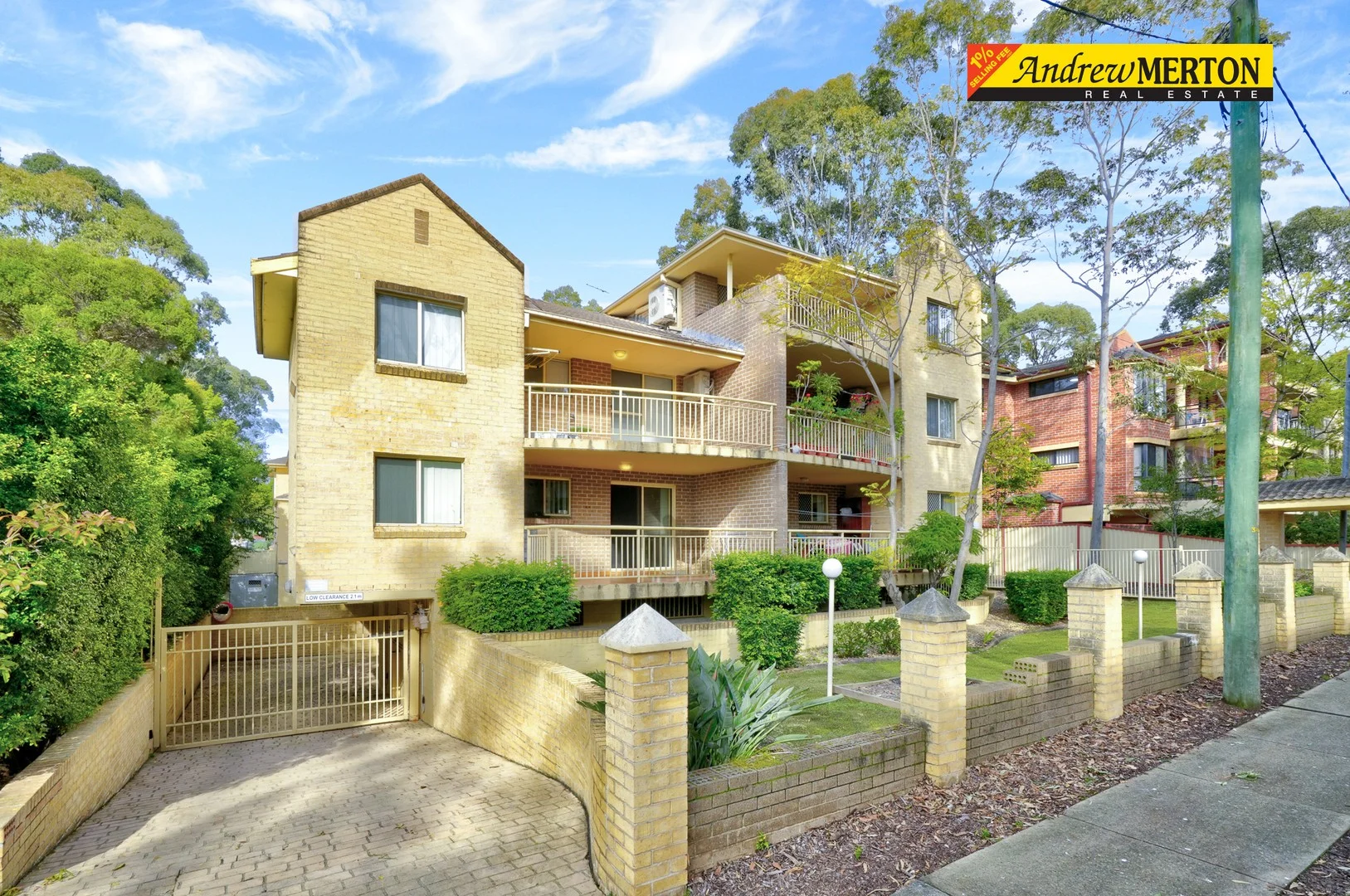 $530,000
Apartment / Unit / Flat
$530,000
Apartment / Unit / Flat
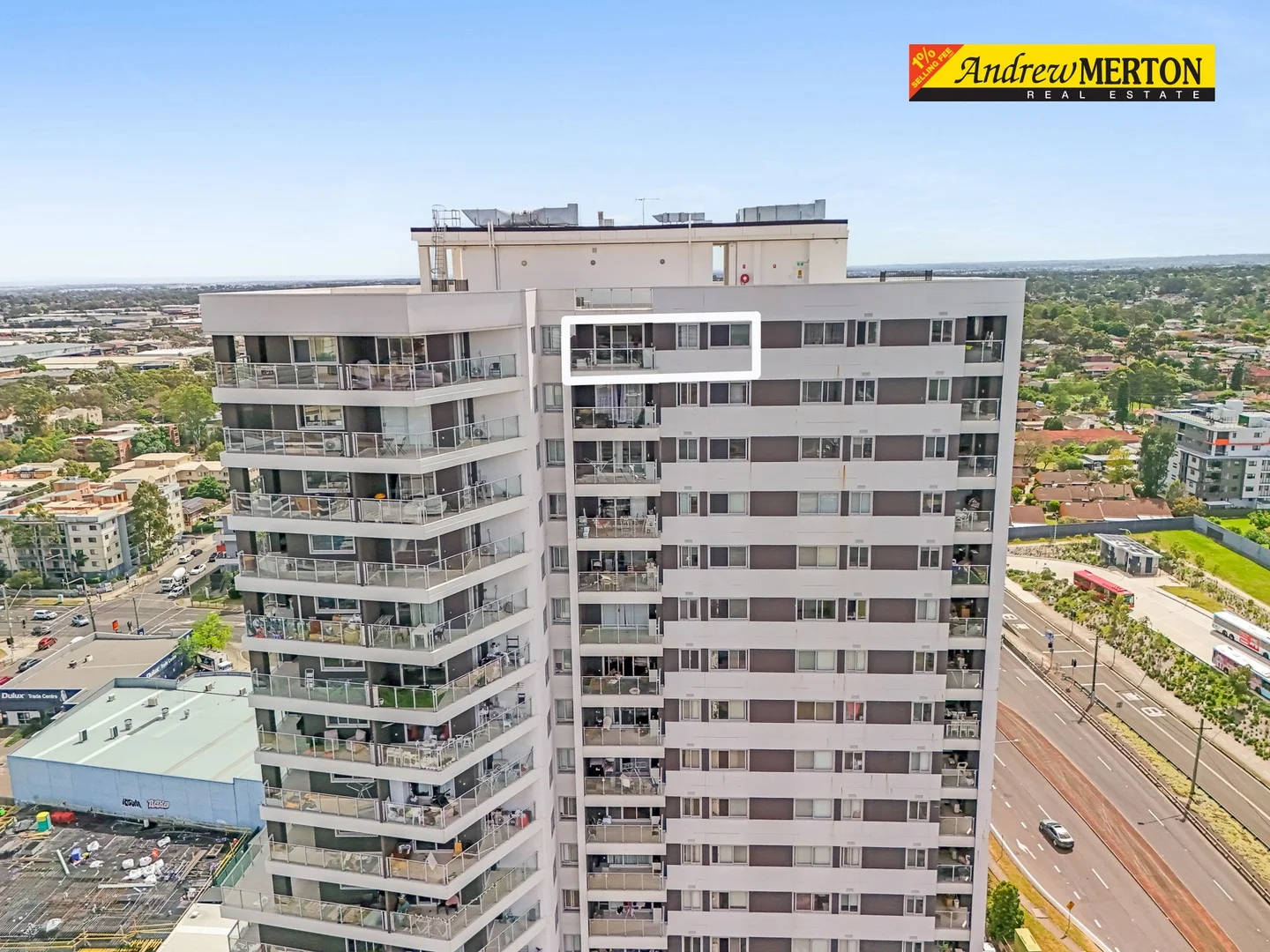 $399,900
Apartment / Unit / Flat
$399,900
Apartment / Unit / Flat
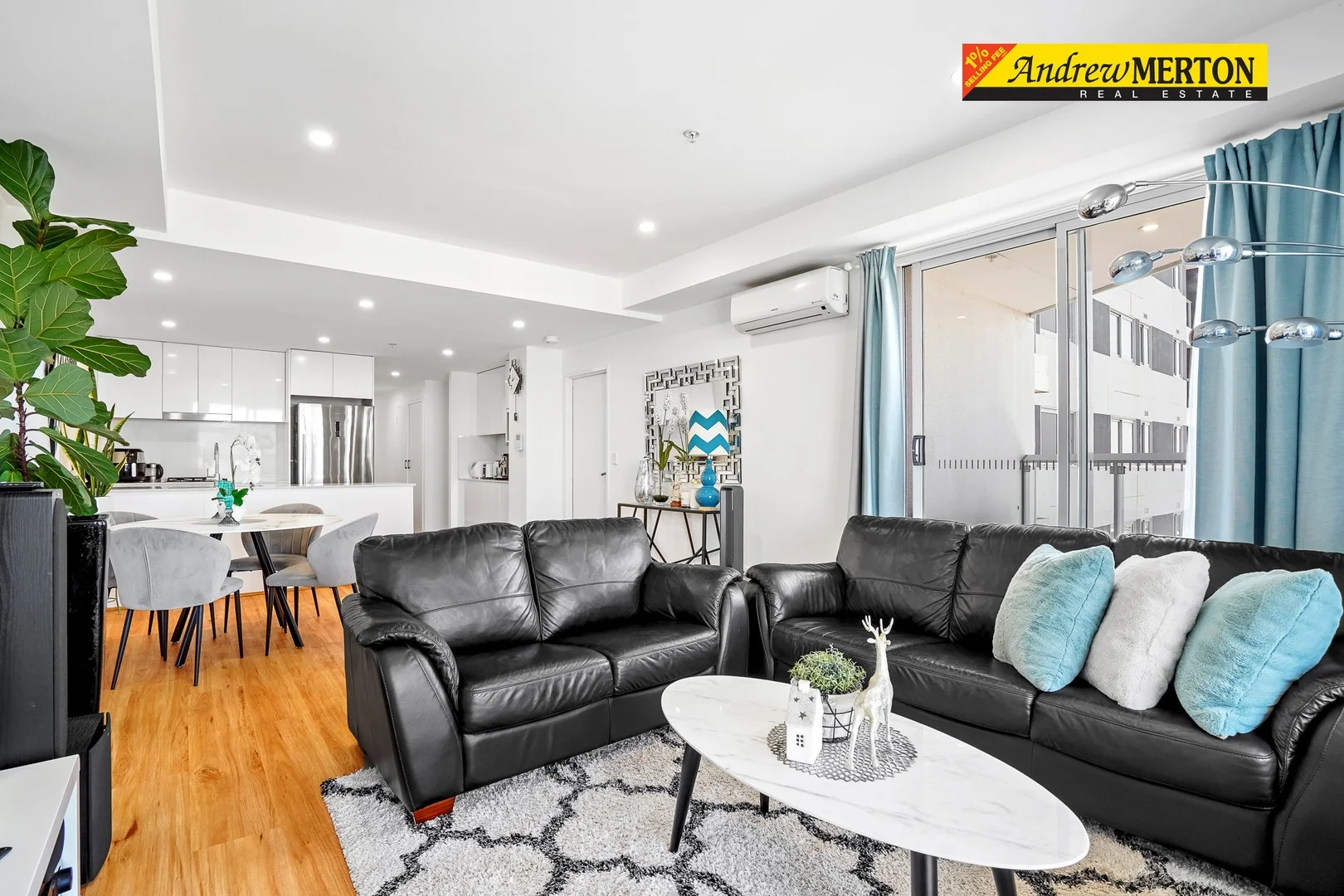 $475,000
Apartment / Unit / Flat
$475,000
Apartment / Unit / Flat


