Overview
Para Hills High School is a public secondary school serving the Para Hills West community. The school emphasises a balanced approach to academics and wellbeing, with a focus on creating an inclusive, supportive environment where students can grow across academic, sporting and arts pursuits. Typical class sizes sit in the mid-range for public high schools, fostering a sense of belonging while allowing for individual attention and teacher support. The atmosphere is generally nurturing and community-oriented, with opportunities for students to participate in a wide range of co-curricular activities.
Academics & Learning
- Academic strengths: The school places emphasis on core areas such as English and STEM-related subjects, with opportunities for leadership development and language study as part of the curriculum.
- Special programs: Gifted and Talented initiatives, pathways through SACE, and vocational/industry-linked options may be available to students seeking accelerated or specialized learning experiences.
- Support for diverse learners: EAL and SEN support are typically available, with access to learning support staff and targeted programs as needed.
- Sports offered: A broad range of inter-school sports is typically available, with participation in regional competitions (e.g., SAPSASA) and school teams across several sports.
- Strong teams or achievements: Regular involvement in regional competitions and school level championships; emphasis on teamwork, discipline and sportsmanship.
- Music, arts, drama programs: Active music and performing arts programs with opportunities to perform in school productions and concerts.
- Clubs: Robotics, coding, chess, debating, and other clubs common in many SA public high schools.
- Partnerships: Connections with local community clubs and sports academies, plus participation in regional competitions and showcases.
Wellbeing & Pastoral Care
- Anti-bullying approach: Clear anti-bullying policies and programs, with a focus on respectful behaviour and student safety.
- House system: A house or pastoral structure to foster belonging, teamwork and healthy competition.
- Counsellors / wellbeing officers: Access to school counsellors and wellbeing staff to support students’ emotional and social needs.
- Transition support: Orientation programs and transition activities for new students to help them settle in, make friends and understand routines.
Facilities
- Sports grounds: On-site sports facilities supporting a range of physical education activities.
- Libraries: Central library space for reading, research and study.
- Science labs: Well-equipped laboratories for chemistry, biology, physics and general science.
- Music/performing arts centers: Spaces for music rehearsals, concerts and drama productions.
- Tech/innovation labs: Dedicated spaces for technology, coding and project-based learning.
- Cafeteria: On-site canteen or cafeteria providing meals and snacks.
- Updated playgrounds: Play spaces and outdoor areas for recreation and socialising.
- School values / mission: A focus on respect, responsibility, integrity and excellence, with an emphasis on character development and community contribution.
- Leadership style: Collaborative and student-inclusive, with opportunities for student voice and leadership roles.
- Behaviour expectations: Clear codes of conduct with positive behaviour supports and consistent reinforcement.
- Community reputation: Generally well-regarded within the local community for a supportive school environment and active family engagement.
- Diversity & inclusion: Commitment to inclusive practices and support for students from diverse backgrounds.
School Logistics & Daily Operations
- School hours: Typical day runs from morning to afternoon with start and finish times aligned to the SA public school timetable.
- Before/after school care: After-school care or supervision arrangements may be available via OSHC or school programs.
- Uniform requirements: School uniform is required, with details on approved items provided by the school.
- Transport: Access via bus routes and public transport; information on routes and drop-off points is usually available through the local transport authority or school.
- Canteen availability: On-site canteen or lunch facilities are available.
- Fees: Public school with low to moderate voluntary contributions or materials costs; specifics vary by year level and activity.
Enrolment & Admissions
- What is the enrolment process and timeline?
- Check catchment eligibility and eligibility documents (birth certificate, immunisation records, proof of address as required).
- Complete the enrolment form and submit supporting documents.
- Provide any required academic records and immunisation evidence.
- You may be invited to an interview or information session; there is typically a transition/orientation process for new enrolments.
- Is there a waiting list, and how does it work?
- Some years may operate with a waiting list depending on capacity and catchment rules. Applications are usually considered in order of priority (e.g., catchment status) and available places.
- Are there any entry requirements, tests, or interviews?
- Public high schools in SA typically do not require entrance exams; some schools may request interviews or information sessions, particularly for out-of-catchment applicants or special programs.
- Does the school accept mid-year transfers?
- Yes, mid-year transfers can be considered subject to space and administration processes; availability and timing will affect provisional placement.
Frequently Asked Questions
- Why Parents Choose This School?
- A supportive, inclusive environment with a focus on academic growth, wellbeing and community involvement.
- What type of student thrives at this school?
- Students who are motivated, collaborative and engaged in academics, sports or the arts; a school suited to a range of learners with strong inclusion practices.
- What opportunities are available for students to extend their skills (academics, sports, arts)?
- Access to advanced or specialist programs, VET pathways, leadership opportunities, sports teams, arts productions, and a variety of clubs (robotics, coding, debate, chess).
- How does the school communicate with parents?
- Through newsletters, emails, SMS, school portals and opportunities to meet with teachers or the principal; regular updates on events and student progress.
- What is the school’s approach to teaching and learning?
- Student-centred learning with a mix of teacher-led instruction, project-based tasks and technology-enabled activities; emphasis on literacy and numeracy development.
- How does the school support students who need extra academic help?
- Learning support services, targeted interventions, tutoring or in-class differentiation, EAL and SEN supports as needed.
- What support is available for academic challenges?
- Access to counselling, learning support staff, and tailored plans to help students stay on track and build skills.
- How does the school communicate with parents?
- See above; ongoing updates and accessible channels for parent inquiries and feedback.
- What extracurricular and sports opportunities are available?
- A wide range of sports, music and arts programs, and clubs such as robotics, coding, chess and debating; participation in regional competitions is common.
- What facilities does the school offer (sports, science, arts)?
- Comprehensive facilities including sports grounds, libraries, science labs, music/performing arts spaces, tech/innovation labs and a canteen.
- What is the school’s approach to technology and digital learning?
- Integration of digital learning tools and devices to support teaching and independent study; opportunities for students to engage with technology across subjects.
- What transport and accessibility options are available?
- Public transport options (bus routes) and accessible facilities; details typically available from the school or local transport provider.
- What are the typical school fees or additional costs?
- As a public school, costs are generally modest with possible fees for materials, activities or optional programs; uniform costs apply.
Short Pros & Cons list
- Supportive, inclusive culture with focus on student wellbeing and community.
- Broad range of academic, sports and arts opportunities.
- Access to diverse clubs and pathways (including STEM and leadership).
- Active parent involvement and strong community ties.
- Large enough to feel busy at times; occasional waitlists for popular programs.
- Transport options depend on location and route; some families may need to rely on bus schedules.
- Public school fees are lower, but there may be costs for materials, uniforms and optional activities.
 Free
Free








 $545,000
Apartment / Unit / Flat
$545,000
Apartment / Unit / Flat
 $557,000
Apartment / Unit / Flat
$557,000
Apartment / Unit / Flat
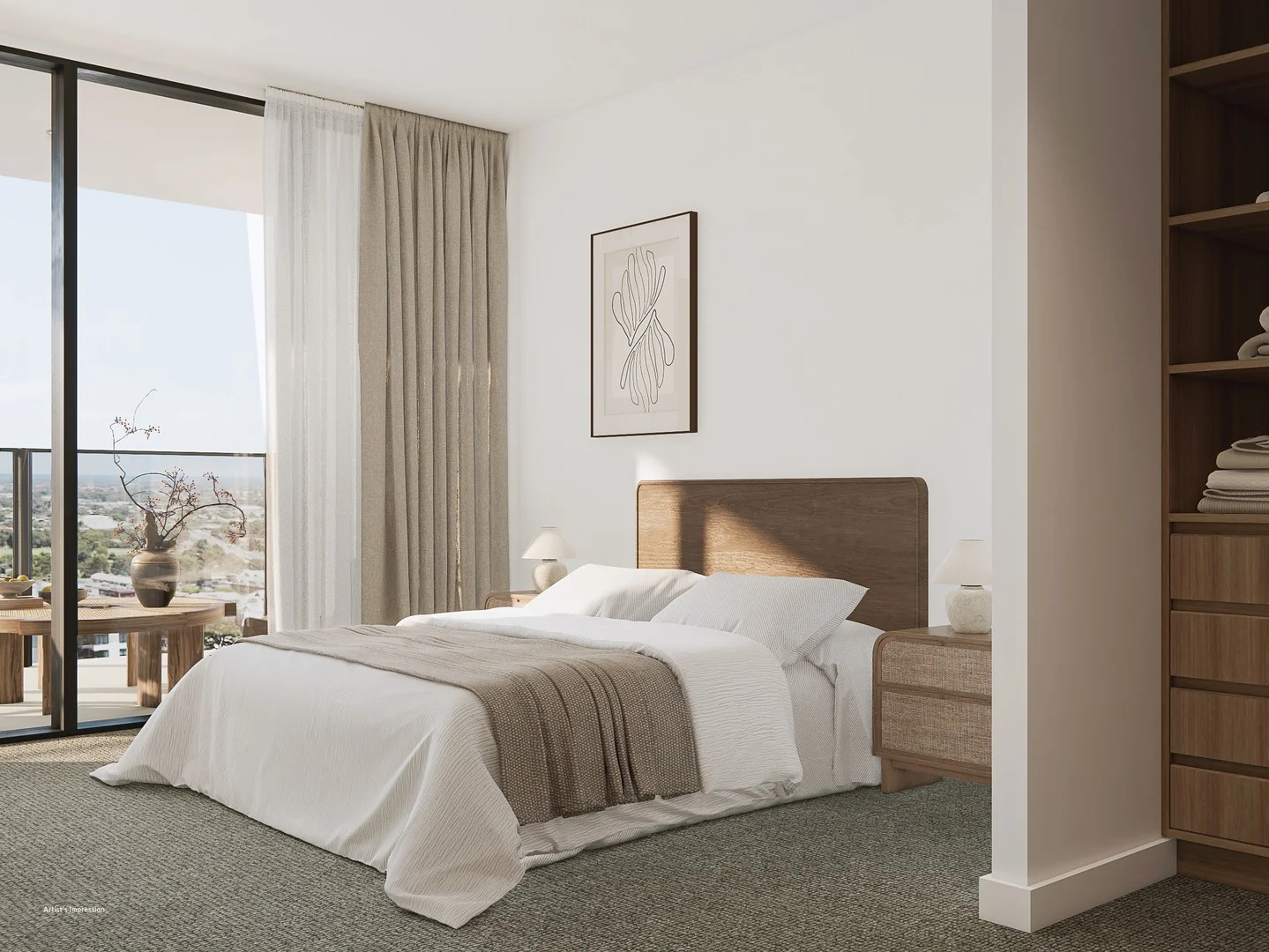 $935,000
Apartment / Unit / Flat
$935,000
Apartment / Unit / Flat
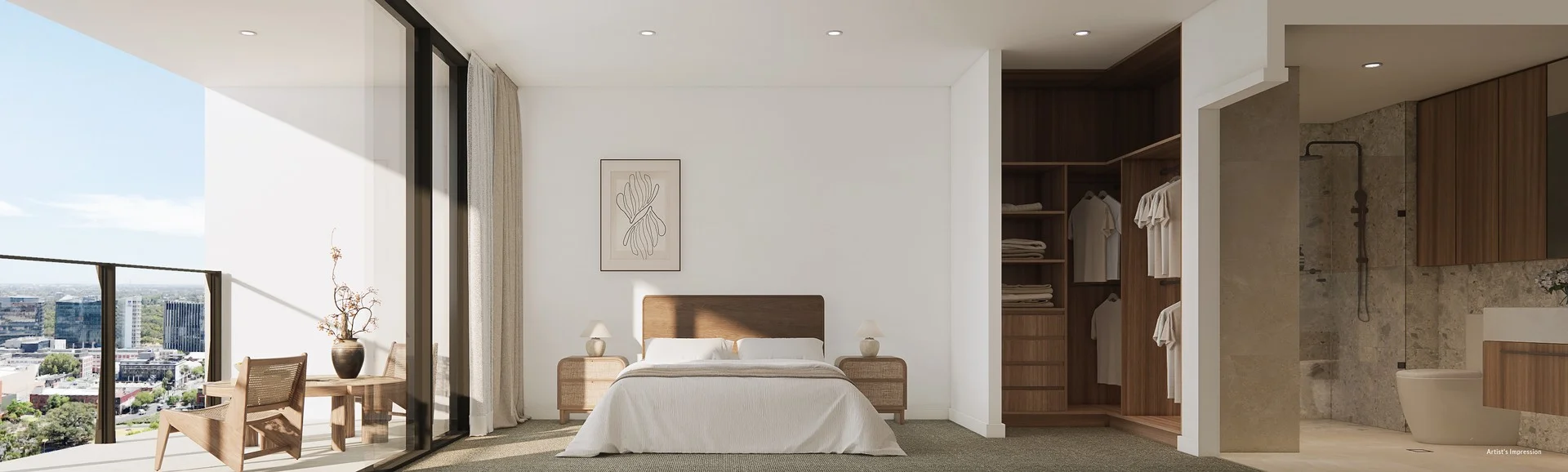 $1,056,000
Apartment / Unit / Flat
$1,056,000
Apartment / Unit / Flat
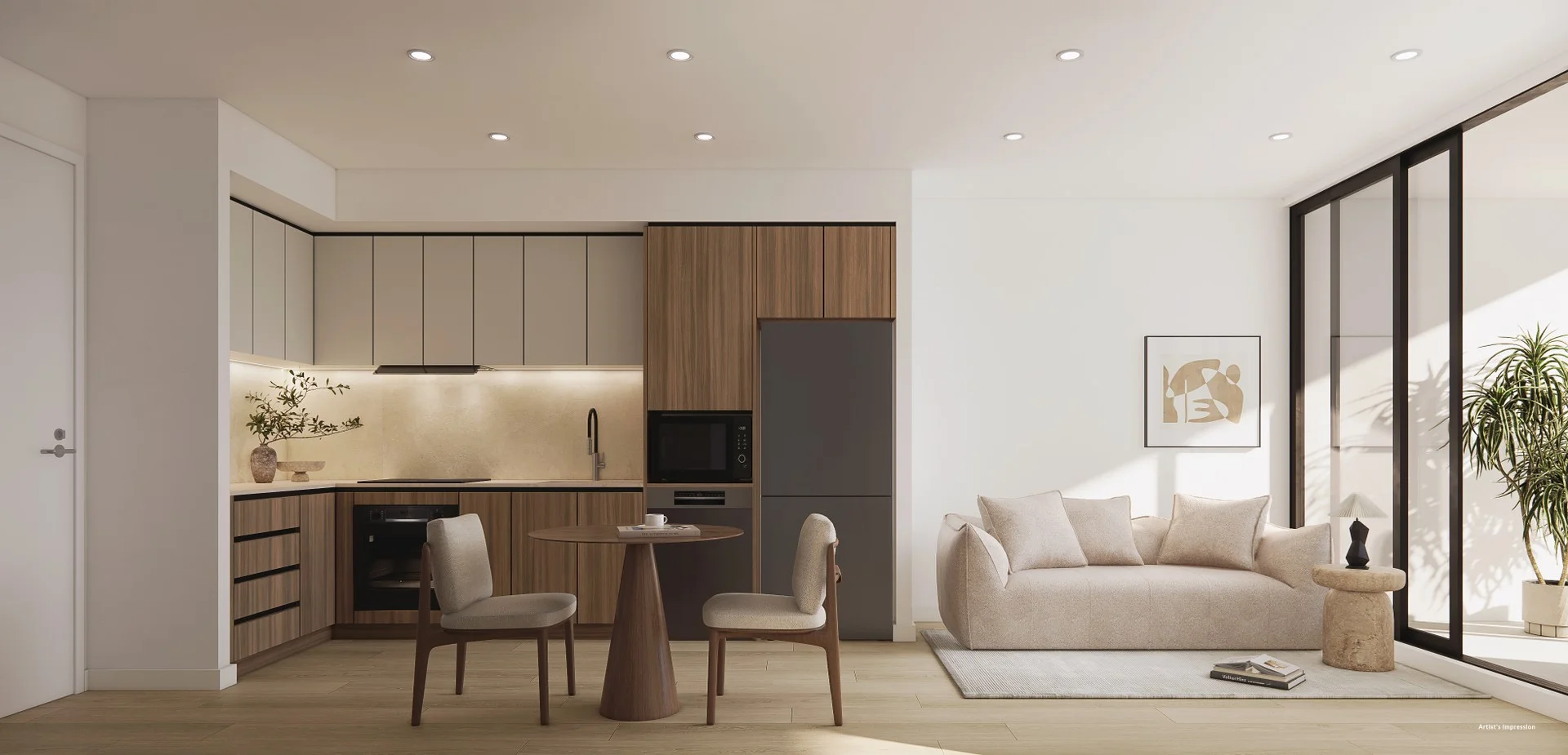 $588,000
Apartment / Unit / Flat
$588,000
Apartment / Unit / Flat


