Overview
## 1. Overview (1–2 paragraphs max)
Prairiewood High School is a public government high school serving students in the Prairiewood area. It typically operates as a medium-sized NSW high school, with class sizes around the mid-20s to support effective teaching and learning. The school fosters an inclusive and supportive atmosphere that balances academic effort with sport, arts, and community involvement.
The culture emphasises respect, diversity, and opportunity. Students are encouraged to engage across a range of subjects and activities, building a well-rounded school experience that supports personal growth and achievement.
⸻
## 2. Academics & Learning
- Academic strengths: The school highlights strengths in STEM and English, with programs to develop reading, writing, and numeracy skills. Leadership development and language study are supported to broaden student pathways.
- Special programs: Gifted and Talented initiatives, accelerated learning opportunities, and Vocational Education and Training (VET) pathways are typically offered to cater for diverse learner needs. HSC pathways and college-prep options are available within NSW frameworks.
- NAPLAN trends: NSW Department of Education data is used to monitor trends. The school focuses on targeted literacy and numeracy improvements, with aims to show steady progression across key NAPLAN areas over time.
- Student-teacher ratios: The school generally maintains approachable class sizes and thoughtful student-teacher ratios (roughly in the mid-teens to low-20s for many classes) to support student learning and teacher access.
- Support for diverse learners: Strong support for EAL (English as an Additional Language) students, as well as additional learning support through Learning Support Officers (LSOs) and tailored plans for students with special needs.
⸻
## 3. Sports & Extracurricular Strengths
- Sports offered: A broad range including rugby league, football (soccer), basketball, netball, cricket, tennis, athletics, and swimming are typically available, with opportunities to represent the school in local and regional competitions.
- Strong teams or achievements: Active participation in district and regional sports programs with competitive teams across multiple disciplines.
- Music, arts, drama programs: School ensembles, choir, band, drama productions, and opportunities to engage in performing arts.
- Clubs: Robotics, chess, coding, debating, and other interest clubs help students pursue passions beyond the classroom.
- Partnerships: Collaboration with local sports academies, community clubs, and inter-school competitions to extend learning and competition opportunities.
⸻
## 4. Wellbeing & Pastoral Care
- Anti-bullying approach: A clear anti-bullying policy and programs to promote respectful relationships, with student voice and wellbeing considerations integrated into daily life.
- House system: A house-based structure to support belonging, friendly competition, and peer support (common in NSW schools).
- Counsellors / wellbeing officers: Access to school counsellors or wellbeing staff who provide support for social, emotional, and mental health needs.
- Transition support for new students: Orientation programs, buddy systems, and pastoral care to help newcomers settle into the school culture and routines.
⸻
## 5. Facilities
- Sports grounds: On-site sports fields or courts for a variety of activities.
- Libraries: A library facility to support independent reading, research, and study.
- Science labs: Modern science laboratories for biology, chemistry, physics, and experiments.
- Music/performing arts centers: Spaces for music ensembles, drama, and rehearsals.
- Tech/innovation labs: Computer labs or makerspaces to support digital learning, coding, and project work.
- Cafeteria: On-site canteen or cafeteria offering meals and snacks.
- Updated playgrounds: Well-maintained outdoor spaces for recreation and informal learning.
⸻
## 6. School Values & Community Culture
- School values / mission: A defined set of values focused on respect, integrity, inclusion, and achievement; a mission to prepare students for post-school pathways.
- Leadership style: A collaborative, student-centered leadership approach with opportunities for student voice in committees and activities.
- Behaviour expectations: Clear codes of conduct emphasizing respectful behaviour, responsibility, and safety.
- Community reputation: A positive reputation for inclusivity, family engagement, and steady academic and co-curricular opportunities.
- Diversity & inclusion: Commitment to supporting students from diverse backgrounds and ensuring access to programs and supports for all.
⸻
## 7. School Logistics & Daily Operations
- School hours: Typical school day runs from morning to afternoon (e.g., around 9:00 am–3:15 pm), with bells and supervised study times.
- Before/after school care: Availability may be through school-supported programs or external providers; inquire locally for current options.
- Uniform requirements: School uniform is typically mandatory, with guidelines for everyday wear and sports/representative uniforms.
- Transport (train/bus routes): Access to public transport options (bus routes or nearby train stations) and safe drop-off/pick-up arrangements.
- Canteen availability: On-site canteen or cafeteria offering a range of meal options and snacks.
- Fees (low/medium/high ranges): Being a public school, fees are generally modest, including voluntary contributions, subject fees, and uniform costs. Check the school’s current schedule for exact amounts.
⸻
## 8. Enrolment & Admissions
11. What is the enrolment process and timeline?
- Submit an enrolment application through the NSW DoE process for public high schools.
- Provide required documents (proof of identity, immunisation records, address details, and previous school records if available).
- You may need to complete local catchment considerations; some timelines are determined by the school and Department of Education calendars.
- After submission, the school will contact you with next steps, interview or orientation details if relevant, and a place offer if available.
12. Is there a waiting list, and how does it work?
- There can be a waiting list for non-catchment applicants or in peak enrolment periods.
- Waiting lists are typically managed by catchment priority, date of application, and space availability.
- You’ll be notified of your place status and any required steps if you’re on the waiting list.
13. Are there any entry requirements, tests, or interviews?
- Most NSW public high schools do not require entry tests for standard intake.
- There may be an interview or brief discussion for special programs (e.g., Gifted & Talented pathways or if applying for out-of-area enrolment during selective periods).
- You will need to provide proof of address and eligibility documentation as part of the enrolment process.
14. Does the school accept mid-year transfers?
- Mid-year transfers can be possible if there is space and appropriate documentation.
- Transfer requests typically require confirmation of enrolment at the new school’s intake and clearance from your previous school, along with subject and timetable considerations.
⸻
## 9. Frequently Asked Questions
- Why Parents Choose This School?
- A welcoming, inclusive culture with a balance of strong academics and broad extracurriculars; accessible staff and supportive wellbeing programs.
- What type of student thrives at this school?
- Students who are motivated to engage across academics, sports, arts, and clubs; those who value community and positive relationships with peers and teachers.
- What opportunities are available for students to extend their skills (academics, sports, arts)?
- Advanced or gifted programs, VET pathways, STEM and language activities, sports teams, music and drama opportunities, robotics, coding, debating clubs, and regional competitions.
- How does the school communicate with parents?
- Regular updates via email, the school website or portal, newsletters, parent-teacher meetings, and targeted outreach for important notices.
- What is the school’s approach to teaching and learning?
- A student-centered approach with differentiation to meet diverse learning needs, emphasis on literacy and numeracy, and use of technology to support learning.
- How does the school support students who need extra academic help?
- Targeted literacy/numeracy support, learning support staff, EAL services, and tailored plans (LSOs and advisor support as needed).
- What support is available for academic challenges?
- Additional tutoring opportunities, access to guidance counselors, study skills sessions, and ongoing progress monitoring.
- How does the school communicate with parents? (duplicate)
- See above: regular updates, portals, newsletters, and meetings.
- What are the class sizes and how much individual attention do students receive?
- Class sizes are in the mid-20s range, with teacher availability for questions and additional support outside class time.
- What extracurricular and sports opportunities are available?
- A broad mix of sports, music and drama, robotics, coding, chess, debating, and inter-school competitions.
- What facilities does the school offer (sports, science, arts)?
- Sports grounds, library, science labs, music/performing arts spaces, tech/innovation labs, canteen, and updated outdoor spaces.
- What is the school’s approach to technology and digital learning?
- Integration of digital tools and resources to support learning, with access to computer labs and classroom technology.
- What transport and accessibility options are available?
- Access to local bus routes and nearby public transport; safe drop-off/pick-up arrangements and accessible facilities.
- What are the typical school fees or additional costs?
- Public school fees are generally modest (voluntary contributions and uniform costs); specific amounts vary by year and program.
⸻
## 10. Short Pros & Cons list
- Pros
- Inclusive culture with strong academic and extracurricular options.
- Broad range of sports, arts, and clubs to suit varied interests.
- Supportive wellbeing services and targeted learning assistance.
- Visible emphasis on literacy and numeracy improvement.
- Access to VET pathways and Gifted & Talented opportunities.
- Cons
- As a medium-sized public school, some programs may have waitlists during peak periods.
- Uniform requirements and some costs for uniforms and activities.
- Transport options depend on local routes and may require planning for after-school activities.
⸻









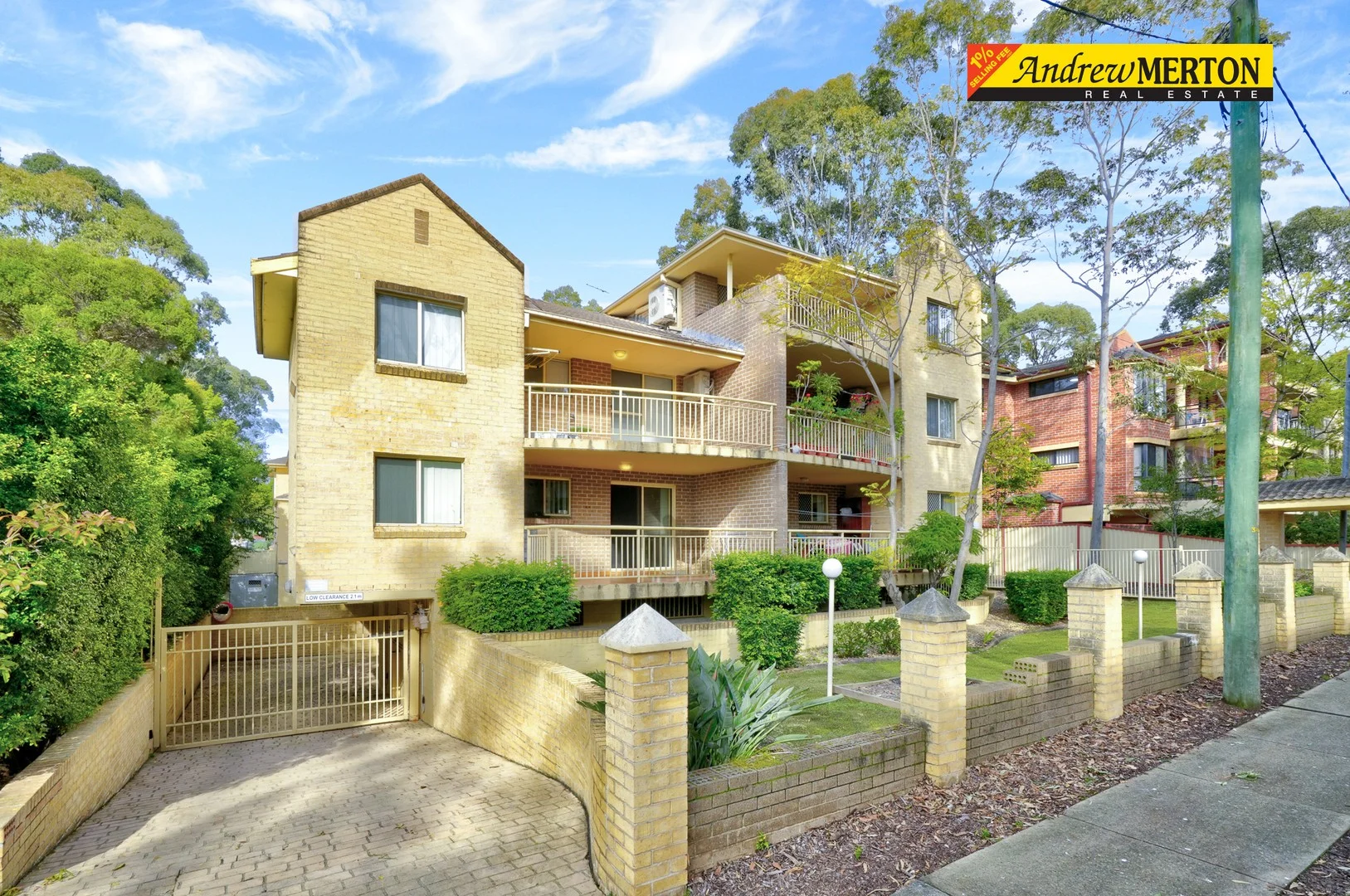 $530,000
Apartment / Unit / Flat
$530,000
Apartment / Unit / Flat
 $475,000
Apartment / Unit / Flat
$475,000
Apartment / Unit / Flat
 $399,900
Apartment / Unit / Flat
$399,900
Apartment / Unit / Flat


