## 1. Overview
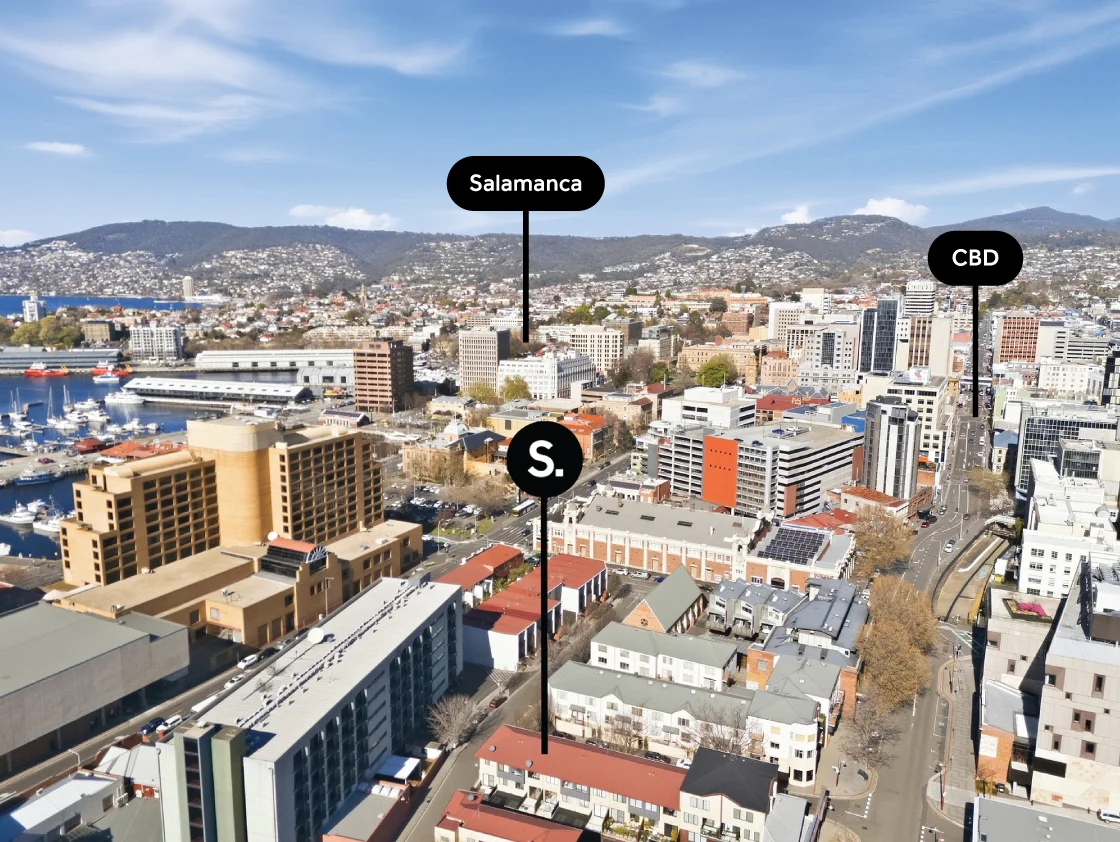
Princes Street Primary School is a public (government) primary school located in Sandy Bay, Tasmania. The school serves families in the local community with a warm, inclusive atmosphere that balances academic learning with social development. Classrooms are designed to be welcoming and collaborative, supporting students to grow as confident, curious learners.
Size-wise, the school is small-to-medium, offering a tight-knit community feel where students get plenty of teacher attention and opportunities to participate across a range of activities. Typical class sizes sit in a comfortable range that supports individualized support while encouraging group learning and teamwork.
⸻
## 2. Academics & Learning
- Academic strengths: strong focus on literacy and numeracy, with opportunities to develop STEM thinking and digital literacy across year levels.
- Special programs: enrichment opportunities embedded within the curriculum; differentiated tasks to challenge capable learners and support those who need extra help.
- NAPLAN / trends: positive, stable trends over recent years, with a clear emphasis on improving foundational skills and supporting growth in all year levels.
- Student-teacher ratios: favorable ratios typical of Tasmanian primary schools, enabling close student-teacher engagement and targeted feedback.
- Support for diverse learners: provision for EAL and SEN students, with access to additional support staff and targeted interventions as needed.
⸻
## 3. Sports & Extracurricular Strengths
- Sports offered: a range of team and individual sports through the year, with opportunities for inter-school events and local competitions.
- Strong teams or achievements: participation in regional events and school-wide team activities; a focus on teamwork, sportsmanship, and personal bests.
- Music, arts, drama programs: dedicated spaces and programs for music, performing arts, and visual arts; opportunities to participate in concerts and school showcases.
- Clubs: robotics, chess, coding, and debating available to extend interests beyond the core curriculum.
- Partnerships: connections with local clubs and community organizations to provide broader opportunities and competitions.
⸻
## 4. Wellbeing & Pastoral Care
- Anti-bullying approach: clear policies and restorative practices to promote respectful relationships and a safe learning environment.
- House system: house groups to build belonging, healthy competition, and leadership opportunities.
- Counsellors / wellbeing officers: access to student wellbeing staff to support social-emotional learning and individual needs.
- Transition support for new students: buddy programs, orientation activities, and targeted supports to ease the transition into school life.
⸻
## 5. Facilities
- Sports grounds: outdoor spaces for physical activity and recreational play.
- Libraries: a well-stocked library supporting reading for pleasure and research skills.
- Science labs: dedicated spaces for hands-on experiments and scientific inquiry.
- Music/performing arts centers: rooms and spaces for music and drama activities and performances.
- Tech/innovation labs: ICT-enabled areas to explore coding, robotics, and digital creativity.
- Cafeteria: on-site dining options supporting healthy choices.
- Updated playgrounds: safe, well-maintained outdoor play areas with varied equipment.
⸻
## 6. School Values & Community Culture
- School values / mission: emphasis on respect, curiosity, resilience, and inclusion as the foundation of daily learning.
- Leadership style: distributed leadership with opportunities for student voice and teacher collaboration; emphasis on collaborative problem-solving.
- Behaviour expectations: clear, consistent expectations aligned with the school values; positive behaviour supports in place.
- Community reputation: strong local involvement and a welcoming atmosphere for families and staff.
- Diversity & inclusion: inclusive culture that welcomes families from diverse backgrounds and supports equitable access to learning and participation.
⸻
## 7. School Logistics & Daily Operations
- School hours: typical day runs during standard hours with structure to support learning and activities.
- Before/after school care: available to families to support working schedules.
- Uniform requirements: school uniform policy in place.
- Transport (train/bus routes): accessible via local bus routes and established transport arrangements; options for families in the surrounding area.
- Canteen availability: canteen or snack provisions on certain days to support lunch and break-time needs.
- Fees (low/medium/high ranges): as a government school, contributions are modest and designed to be affordable for families.
⸻
## 8. Enrolment & Admissions
11. What is the enrolment process and timeline?
- Enrolment is managed through the school with the Department of Education process. Parents typically submit an enrolment form, provide required documents (proof of identity and local address where applicable), and participate in any transition planning activities. The timeline depends on the start term and space availability.
12. Is there a waiting list, and how does it work?
- Some years may have limited places, in which case a waiting list is managed by the school. Placement often follows enrolment priority rules and space availability, with families kept informed of their status and expected timelines.
13. Are there any entry requirements, tests, or interviews?
- Public primary schools generally do not require entrance tests. There may be brief information-sharing discussions or brief transition conversations to support a smooth start, especially for students with additional needs or for families new to the area.
14. Does the school accept mid-year transfers?
- Mid-year transfers are considered subject to space and the Department’s policies. Parents will need to provide relevant documentation and complete the standard transfer process if a place is available.
⸻
## 9. Frequently Ask Questions
- Why Parents Choose This School?
- A welcoming, inclusive environment with strong community engagement and a clear focus on foundational skills and wellbeing.
- What type of student thrives at this school?
- Curious, kind, and collaborative learners who respond well to a supportive, structured setting with opportunities to engage in a range of activities.
- What opportunities are available for students to extend their skills (academics, sports, arts)?
- Enrichment within core subjects, clubs (robotics, coding, chess, debating), sports, music and performing arts, and opportunities to participate in school/community events.
- How does the school communicate with parents?
- Regular updates through newsletters, email, parent portals, and scheduled meetings; open channels for feedback and enquiries.
- What is the school’s approach to teaching and learning?
- Student-centered learning with a focus on literacy, numeracy, critical thinking, collaboration, and digital literacy; emphasis on differentiation and inclusive practices.
- How does the school support students who need extra academic help?
- Targeted interventions, small-group or one-on-one support, and access to wellbeing and learning support staff.
- What support is available for academic challenges?
- Diagnostic assessments, input from teachers and specialists, and collaboration with families to tailor support plans.
- How does the school communicate with parents? (Repeat)
- See above: newsletters, digital platforms, and parent-teacher consultations.
- What are the class sizes and how much individual attention do students receive?
- Class sizes are kept to a manageable range for effective teaching; teachers provide regular feedback and opportunities for individual support within the classroom.
- What extracurricular and sports opportunities are available?
- A range of sports, plus clubs such as robotics, coding, chess, and debating; music and drama offerings complement academic programs.
- What facilities does the school offer (sports, science, arts)?
- Sports grounds, library, science labs, music/arts spaces, and modern ICT/technology facilities.
- What is the school’s approach to technology and digital learning?
- Integrated ICT across the curriculum with opportunities to develop coding, digital literacy, and responsible use of technology.
- What transport and accessibility options are available?
- Access via local bus routes with considerations for families; school facilities are designed with accessibility in mind.
- What are the typical school fees or additional costs?
- Voluntary contributions and common incidental costs; overall affordability aligned with government school expectations.
⸻
## 10. Short Pros & Cons list
- Pros
- Inclusive, community-focused environment with strong wellbeing supports.
- Good student-teacher ratios allowing personalized attention.
- Broad range of extracurriculars, including clubs and arts programs.
- Positive local reputation and opportunities for student leadership.
- Modern facilities and well-integrated technology.
- Cons
- Limited capacity in some year levels; potential wait times for new enrolments.
- As a public school, annual fee demand is lower, but voluntary contributions may apply.
- Extracurricular offerings are robust but may be subject to term schedules and staff availability.
⸻