1. Overview
Pymble Ladies’ College is an independent, girls’ day school offering a comprehensive K–12 education on Sydney’s Upper North Shore. As a long-established private school, it provides a broad academic program alongside extensive co-curricular opportunities, with a strong focus on leadership, service and personal development. Class sizes are typically in the low to mid-teens within the junior years and move to the low to mid-20s in senior years, supporting an intimate classroom environment within a large campus.
The atmosphere is known for being nurturing and inclusive, with a serious academic focus balanced by strong pastoral care, a vibrant arts and sports program, and a supportive community. The culture emphasises high expectations, resilience and collaboration, helping students develop confidence and a clear sense of who they want to become.
2. Academics & Learning
- Academic strengths: Strong emphasis on English, STEM, languages and leadership development; a well-rounded curriculum that supports inquiry, critical thinking and communication across year levels.
- Special programs: Gifted and Talented pathways, accelerated learning options for high-achieving students, and opportunities for senior students to engage in advanced study; International Baccalaureate Diploma Programme is available where offered, alongside traditional NSW senior pathways—check current prospectus for exact offerings.
- NAPLAN / trends: NAPLAN results historically reflect high achievement relative to state averages, with trends showing stable to improving performance in reading, writing and numeracy over recent years.
- Student-teacher ratios: Class sizes and student-teacher ratios are designed to enable meaningful interaction, with smaller groups in the junior years and supportive teacher-to-student ratios overall to facilitate personalised feedback and supervision.
- Support for diverse learners: Strong support for EAL and SEN learners, including targeted learning support, inclusive Education programs and access to specialist staff to adapt teaching approaches to individual needs.
3. Sports & Extracurricular Strengths
- Sports offered: A broad sport program typically includes netball, swimming, tennis, athletics, cross-country, basketball, soccer and other team and individual activities, with ongoing opportunities to compete at interschool and regional levels.
- Strong teams or achievements: The school often records notable results across multiple sports through interschool competitions and representative pathways, reflecting depth in its co-curricular sport program.
- Music, arts, drama programs: Comprehensive performing arts facilities and ensembles (choirs, orchestras, bands) along with drama productions and stage performances that provide regular opportunities for student involvement.
- Clubs: Robotics, coding, chess, debating and other academic/technology clubs are commonly available, alongside student leadership and service clubs.
- Partnerships: Connections with local academies, arts and sport organisations, and participation in local and state-wide competitions to extend opportunities beyond the campus.
4. Wellbeing & Pastoral Care
- Anti-bullying approach: Proactive and ongoing anti-bullying programs, clear policies and reporting mechanisms, with a strong emphasis on respect, inclusion and safe school culture.
- House system: A house-based pastoral framework that supports mentoring, events, and community-building across year levels.
- Counsellors / wellbeing officers: Access to school counsellors and wellbeing staff to support mental health, resilience, and personal development.
- Transition support for new students: Comprehensive orientation programs, buddy systems and transition support to help new students settle in smoothly and build connections quickly.
5. Facilities
- Sports grounds: Extensive on-site sports facilities and playing fields designed to support a wide range of athletic activities.
- Libraries: Well-resourced libraries supporting reading, research and study across year levels.
- Science labs: Modern science laboratories enabling practical experimentation across disciplines.
- Music/performing arts centers: Dedicated spaces for music ensembles, rehearsals and theatrical productions.
- Tech/innovation labs: Contemporary facilities for digital learning, coding, design and maker activities.
- Cafeteria: A canteen offering nutritious options and self-service facilities for students.
- Updated playgrounds: Child- and adolescent-friendly outdoor spaces that support active play and recreation.
6. School Values & Community Culture
- School values / mission: A mission centered on excellence, integrity, service and leadership, encouraging students to strive for personal best while contributing to the community.
- Leadership style: A collaborative, student-centred leadership approach that values student voice, teacher mentorship and student-led initiatives.
- Behaviour expectations: Clear standards of conduct, respectful interactions and responsibilities reflected in daily life and school rituals.
- Community reputation: Strong reputation within the independent school sector, long-standing ties with families and alumni, and active involvement in community service and events.
- Diversity & inclusion: Commitment to an inclusive environment that welcomes students from diverse backgrounds and supports equity in access to opportunities.
7. School Logistics & Daily Operations
- School hours: Typical school day runs during standard daytime hours with a structured timetable for lessons, breaks and activities.
- Before/after school care: On-site or affiliated care options are available to support working families.
- Uniform requirements: Full school uniform with seasonal variations; dress standards are clearly outlined and reinforced.
- Transport (train/bus routes): Access via local transport options including bus routes and train services from surrounding suburbs; some families use school transport arrangements.
- Canteen availability: Canteen or food outlet on site offering a range of meals and healthy options.
- Fees (low/medium/high ranges): Fees are positioned in the higher end of NSW independent school fees, reflecting comprehensive programs, facilities and services; exact figures vary by year and year level.
8. Enrolment & Admissions
11. What is the enrolment process and timeline?
- Start with an expression of interest and submission of the application form, followed by documentation (academic records, references).
- The school typically conducts assessments or interviews as part of the selection process, with music/drama auditions considered where relevant.
- A decision or offer is made after the assessments/interviews, with timelines varying by year level; may involve multiple stages and potential enrolment deposits to secure a place.
12. Is there a waiting list, and how does it work?
- There is often a waiting list for popular year levels; places are allocated based on availability, order of application, readiness of intake, and meeting enrolment criteria. Prospective families may be asked to re-confirm interest periodically.
13. Are there any entry requirements, tests, or interviews?
- Entry typically includes submission of academic records and references, plus an assessment or interview to evaluate academic fit and personal attributes. Music or drama entries may require auditions.
14. Does the school accept mid-year transfers?
- Mid-year transfers may be possible if there are vacancies and all entry requirements are met; timing and availability vary by year level and current enrolments.
9. Frequently Asked Questions
- Why Parents Choose This School?
- Parents choose for a combination of strong academics, holistic development, supportive pastoral care and a wide range of co-curricular opportunities that help girls develop leadership and service mindsets.
- What type of student thrives at this school?
- Students who are motivated, curious and eager to participate across academics, arts and sport tend to thrive, as the environment supports both achievement and personal growth.
- What opportunities are available for students to extend their skills (academics, sports, arts)?
- Enrichment pathways, gifted and talented programs, accelerated learning options, leadership opportunities, music and drama ensembles, competitive sport teams, robotics and debating clubs, and partnerships with external organisations.
- How does the school communicate with parents?
- Regular updates through digital portals, newsletters, parent-teacher meetings and targeted communications regarding student progress and events.
- What is the school’s approach to teaching and learning?
- A balanced approach combining rigorous academic standards with inquiry-based learning, collaboration, and emphasis on resilience, critical thinking and communication.
- How does the school support students who need extra academic help?
- Access to learning support, EAL/SEN assistance, targeted tutoring or intervention programs, and ongoing teacher collaboration to adapt instruction.
- What support is available for academic challenges?
- Individualised planning, additional tutoring options, and coordination with counsellors or learning support staff to address specific challenges.
- How does the school communicate with parents? (Repeated)
- See above: digital platforms, newsletters, meetings, and timely progress updates.
- What are the class sizes and how much individual attention do students receive?
- Class sizes are designed to be small to moderate, with teacher attention prioritised through structured feedback, targeted support and tutoring where needed.
- What extracurricular and sports opportunities are available?
- A wide range of sports (team and individual), arts, music ensembles, drama productions, and clubs such as robotics, coding, chess, debating, and leadership initiatives.
- What facilities does the school offer (sports, science, arts)?
- Comprehensive facilities including sports grounds, libraries, science laboratories, performing arts centers, technology and innovation labs, a canteen and modern outdoor spaces.
- What is the school’s approach to technology and digital learning?
- Integrated technology across the curriculum with opportunities for coding, digital literacy, and innovative learning platforms to complement traditional teaching.
- What transport and accessibility options are available?
- Bus services and train access nearby, with potential school transport arrangements; families may use public transport or car drop-off/pick-up as per school policy.
- What are the typical school fees or additional costs?
- Fees are positioned in the higher end of NSW independent schools, with additional costs for activities, excursions, uniforms and optional programs. Exact figures depend on year level and current policies.
10. Short Pros & Cons list
- Pros
- Strong academic results and supportive pastoral care
- Wide range of co-curricular activities across sport, arts and clubs
- Well-developed facilities and resources
- Focus on leadership, service and personal development
- Inclusive and community-minded culture
- Cons
- Higher tuition and associated costs
- Large school environment may feel less personalised for some students
- Competitive culture and expectations in some cohorts
- Travel or commuting considerations for families outside easy reach of the campus
If you’d like, I can tailor the content further to match more precise, current details from the school’s prospectus or recent communications, or adjust the tone to match a particular audience.









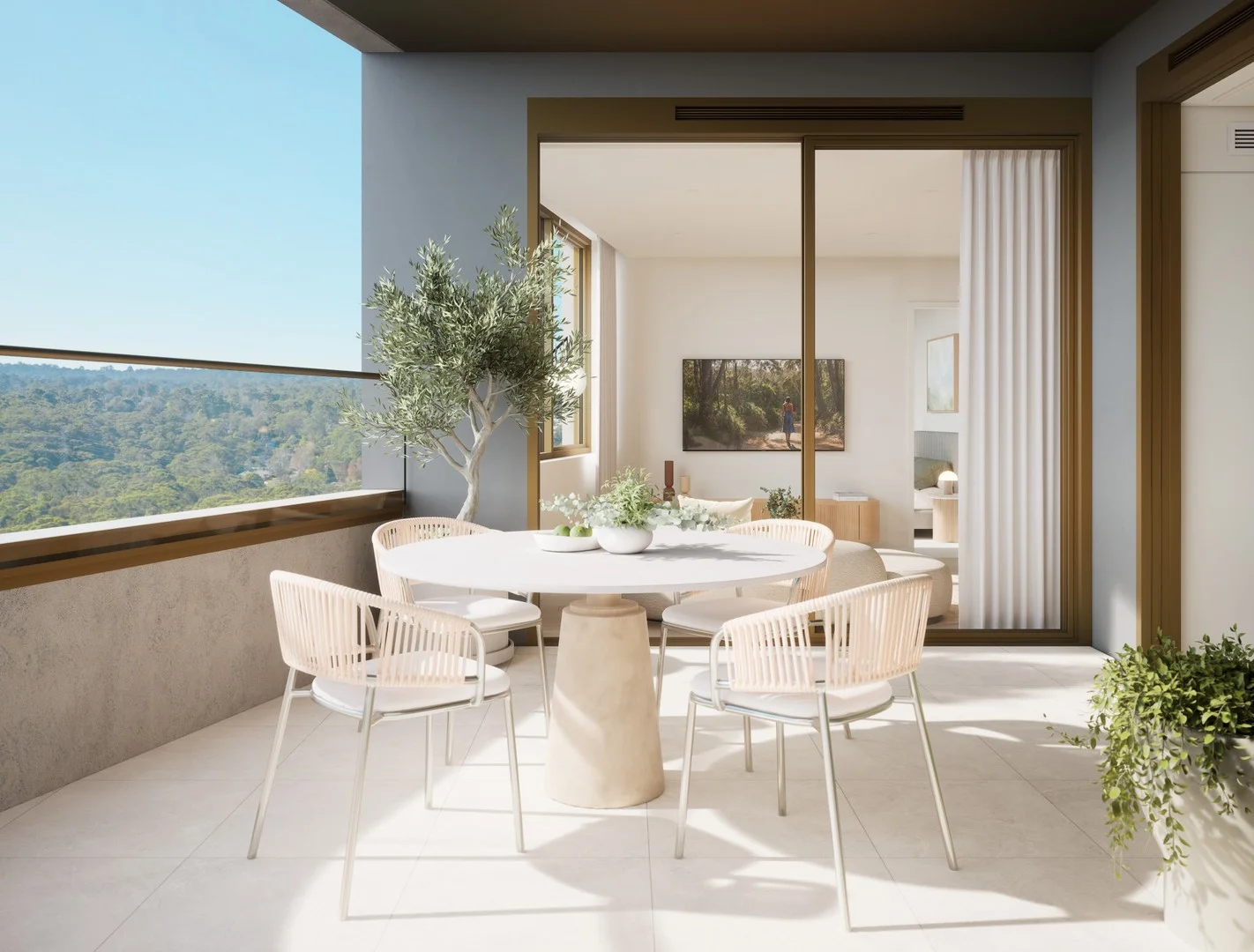 $1,525,000
Apartment / Unit / Flat
$1,525,000
Apartment / Unit / Flat
 $36,000,000 - $39,500,000
Vacant Land
$36,000,000 - $39,500,000
Vacant Land
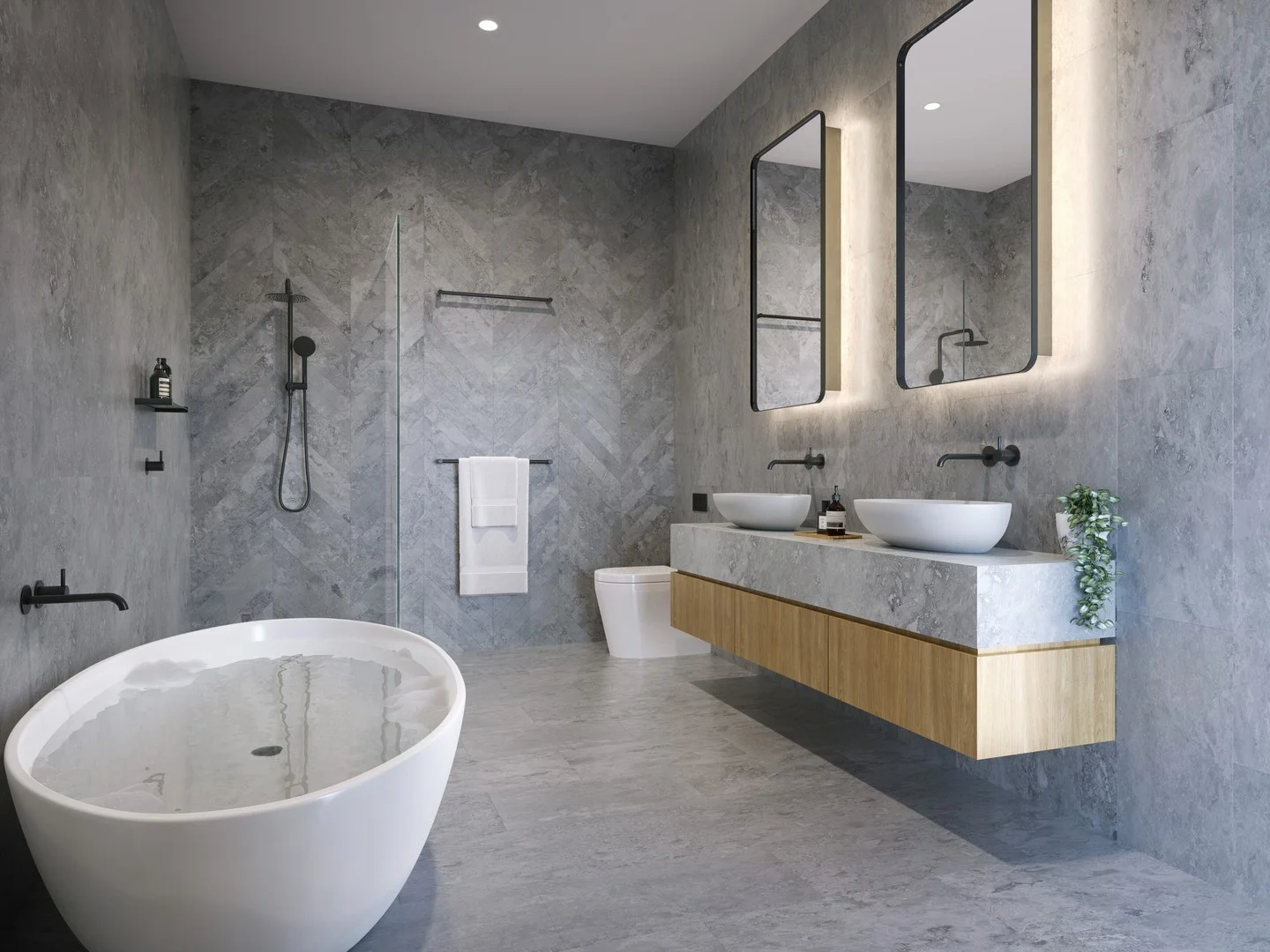 $2,824,000
Apartment / Unit / Flat
$2,824,000
Apartment / Unit / Flat
 $26,550,000
propertyType.NEW APARTMENTS / OFF THE PLAN
$26,550,000
propertyType.NEW APARTMENTS / OFF THE PLAN


