Overview
## 1. Overview
St Columba’s Catholic Primary School, Leichhardt is a Catholic, systemic primary school within the NSW education system. It offers a community-focused, faith-filled learning environment for families seeking a values-based education for their children.
Size and vibe are typically described as medium-scale with a welcoming, inclusive atmosphere. Class sizes are arranged to support meaningful student-teacher interactions, with an emphasis on nurturing each child’s academic, spiritual and social development.
## 2. Academics & Learning
- Academic strengths: Focus on strong literacy and numeracy foundations, integrated learning across subjects, and a values-based approach to learning. There is an emphasis on developing critical thinking, collaboration and problem-solving skills.
- Special programs: Catholic Education programs and school-based enrichment opportunities support gifted and talented learners and provide meaningful extension activities within the curriculum.
- NAPLAN trends: The school tracks NAPLAN performance to monitor progress and target improvements over time. Consistent efforts aim to lift reading, writing and numeracy outcomes.
- Student-teacher ratios: Class configurations are designed to maximise student engagement and individual attention, with teachers supported by additional staff where appropriate.
- Support for diverse learners: Robust support for diverse learners, including EAL language assistance and learning support for students with additional educational needs, designed to promote inclusive participation.
## 3. Sports & Extracurricular Strengths
- Sports offered: A range of team and individual sports relevant to primary-aged students are available, with opportunities to participate in inter-school events and local fixtures.
- Strong teams or achievements: School teams participate in local competitions and strive for development, teamwork and fair play.
- Music, arts, drama programs: Aibrations in music and performing arts are encouraged, with opportunities such as year-level performances and school concerts.
- Clubs: Robotics, coding, chess, debating and other enquiry-based clubs support curiosity and critical thinking.
- Partnerships: Collaborations with local community clubs and diocese-supported programs provide additional avenues for competition and skill development.
## 4. Wellbeing & Pastoral Care
- Anti-bullying approach: A proactive, whole-school approach promotesRespect, kindness and safety, with clear expectations and responsive support.
- House system: A house-based model supports belonging, friendly competition and student leadership across year levels.
- Counsellors / wellbeing officers: Access to wellbeing staff and school counsellors helps students manage social, emotional and personal development.
- Transition support for new students: Structured induction, buddy systems and targeted transition programs help new students settle in smoothly.
## 5. Facilities
- Sports grounds: On-site spaces support physical education and active lifestyle.
- Libraries: A library resource is available to support reading and research.
- Science labs: Dedicated spaces enable hands-on learning and inquiry in science.
- Music/performing arts centers: Facilities for music and drama activities enhance the arts program.
- Tech/innovation labs: Technology and digital learning spaces support modern learning.
- Cafeteria: On-site canteen or lunch facilities provide everyday meal options.
- Updated playgrounds: Safe, well-maintained outdoor play areas for recreation and social development.
## 6. School Values & Community Culture
- School values / mission: The school is grounded in Catholic faith, service to others and a commitment to holistic student development.
- Leadership style: Collaborative leadership with a focus on inclusivity, student voice and partnership with families.
- Behaviour expectations: Clear, positive behavioural guidelines aligned with school values and pastoral care.
- Community reputation: A trusted, faith-centered community known for supportive relationships among students, families and staff.
- Diversity & inclusion: A welcoming environment that respects and celebrates diverse backgrounds and abilities.
## 7. School Logistics & Daily Operations
- School hours: Typical primary school day structure with start and finish times that fit family routines.
- Before/after school care: Availability of supervision and care arrangements to support working families.
- Uniform requirements: Clear dress code aligned with school colours and guidelines.
- Transport (train/bus routes): Information about regional transport options and school pickup arrangements is available to families.
- Canteen availability: On-site or nearby canteen options for meals and snacks.
- Fees (low/medium/high ranges): Fees are structured to reflect NSW Catholic education funding, with information provided by the school to reflect current year specifics.
## 8. Enrolment & Admissions
11. What is the enrolment process and timeline?
- Applications are typically accepted for the upcoming school year within a published window. Families complete an application form and provide required documentation. The school communicates timelines, intake dates and any open house events.
12. Is there a waiting list, and how does it work?
- Many Catholic schools maintain a waitlist when applications exceed available places. Families may be notified of their position and any estimated wait times, with opportunities for prioritised placement based on parish and school policies.
13. Are there any entry requirements, tests, or interviews?
- Entry processes may include a discussion or interview to understand family and student needs, and alignment with the school’s faith-based ethos and values. Some years may require consideration of enrolment policy guidelines.
14. Does the school accept mid-year transfers?
- Mid-year transfer acceptances may be possible subject to space, alignment with enrolment policies and required documentation.
## 9. Frequently Asked Questions
- Why Parents Choose This School?
- A welcoming Catholic learning community that emphasises faith, relationships, academic growth and holistic development.
- What type of student thrives at this school?
- Students who value a supportive, faith-friendly environment, collaborative learning and active participation in school life.
- What opportunities are available for students to extend their skills (academics, sports, arts)?
- Strong literacy and numeracy focus, enrichment activities, performing arts opportunities, sports programs and a range of clubs.
- How does the school communicate with parents?
- Regular updates through newsletters, emails, the school app or portal, and parent-teacher meetings.
- What is the school’s approach to teaching and learning?
- A student-centered approach that blends core academic skills with faith-based values, inquiry and real-world application.
- How does the school support students who need extra academic help?
- Targeted learning support, EAL assistance and access to learning support staff to assist progress.
- What support is available for academic challenges?
- Additional coaching, differentiated instruction and collaboration with families to set goals and monitor progress.
- How does the school communicate with parents?
- See above: ongoing channels to keep families informed and engaged.
- What are the class sizes and how much individual attention do students receive?
- Class sizes are designed to enable meaningful teacher-student interaction, with targeted support where needed.
- What extracurricular and sports opportunities are available?
- A range of sports, music and performing arts, plus clubs such as robotics, coding, chess and debating.
- What facilities does the school offer (sports, science, arts)?
- Sports grounds, libraries, science labs, music/arts spaces, tech/innovation labs and dining facilities.
- What is the school’s approach to technology and digital learning?
- Integration of technology to support inquiry, collaboration and digital literacy within the curriculum.
- What transport and accessibility options are available?
- Transport options and accessibility details are provided by the school to assist families with planning.
- What are the typical school fees or additional costs?
- Fees are structured per NSW Catholic education guidelines; specific amounts are provided by the school for each intake year.
## 10. Short Pros & Cons list
- Pros
- Strong Catholic ethos and values-based education
- Supportive, inclusive community
- Focus on literacy and numeracy alongside holistic development
- Range of extracurriculars including sports, arts and clubs
- Small-to-medium class sizes designed for engagement
- Cons
- As a faith-based school, some families may prefer non-religious settings
- Availability of places may vary by intake year, with potential waitlists
- Transport and commute considerations may affect some families depending on location
- Specific programs and facilities may vary by year; check current year offerings
If you’d like, I can tailor the content with precise details (enrolment windows, current facilities, exact programs, and any recent achievements) once you provide or confirm the latest information from the school, or I can guide you on where to obtain those details.









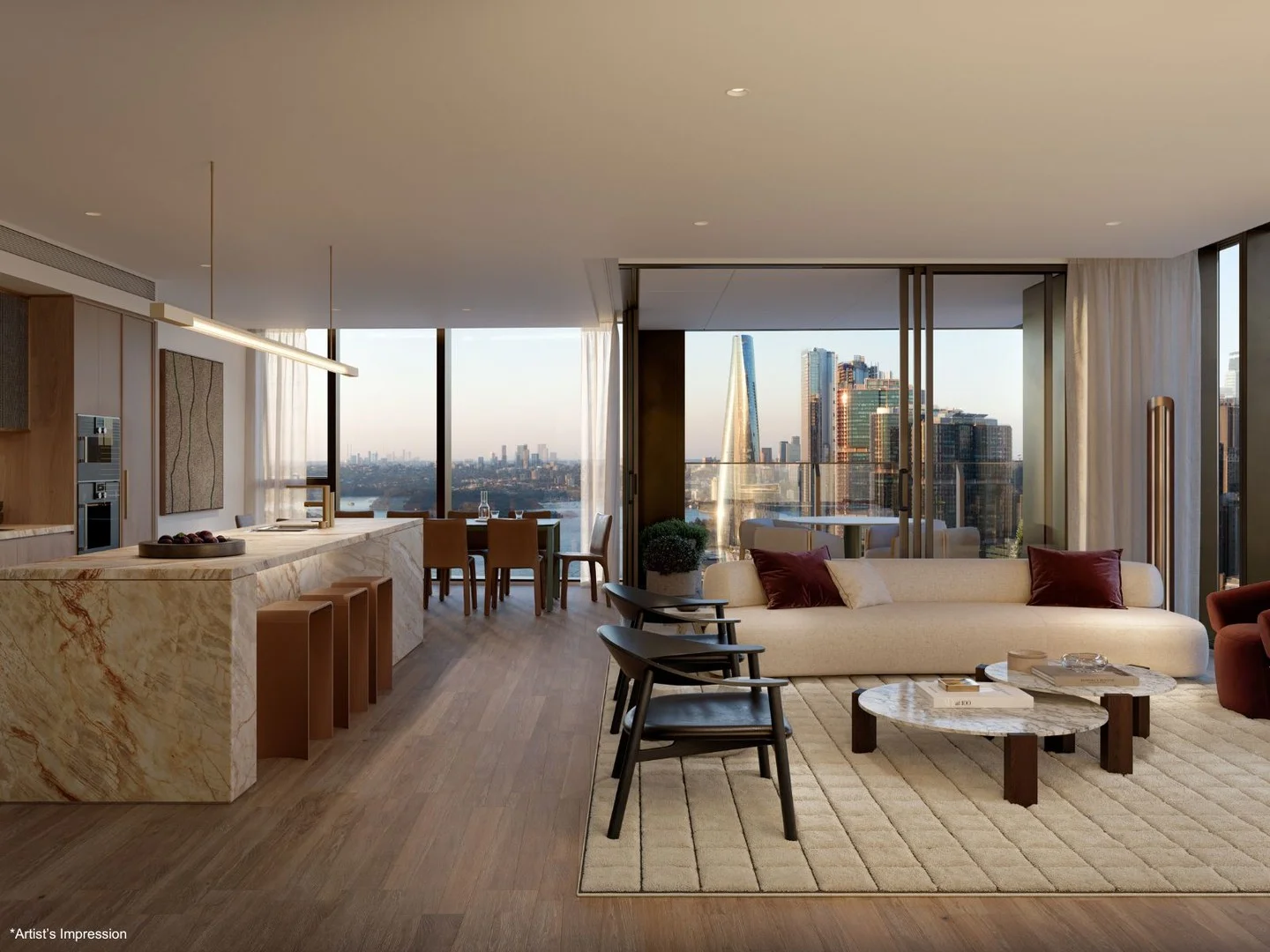 $12,980,000
propertyType.NEW APARTMENTS / OFF THE PLAN
$12,980,000
propertyType.NEW APARTMENTS / OFF THE PLAN
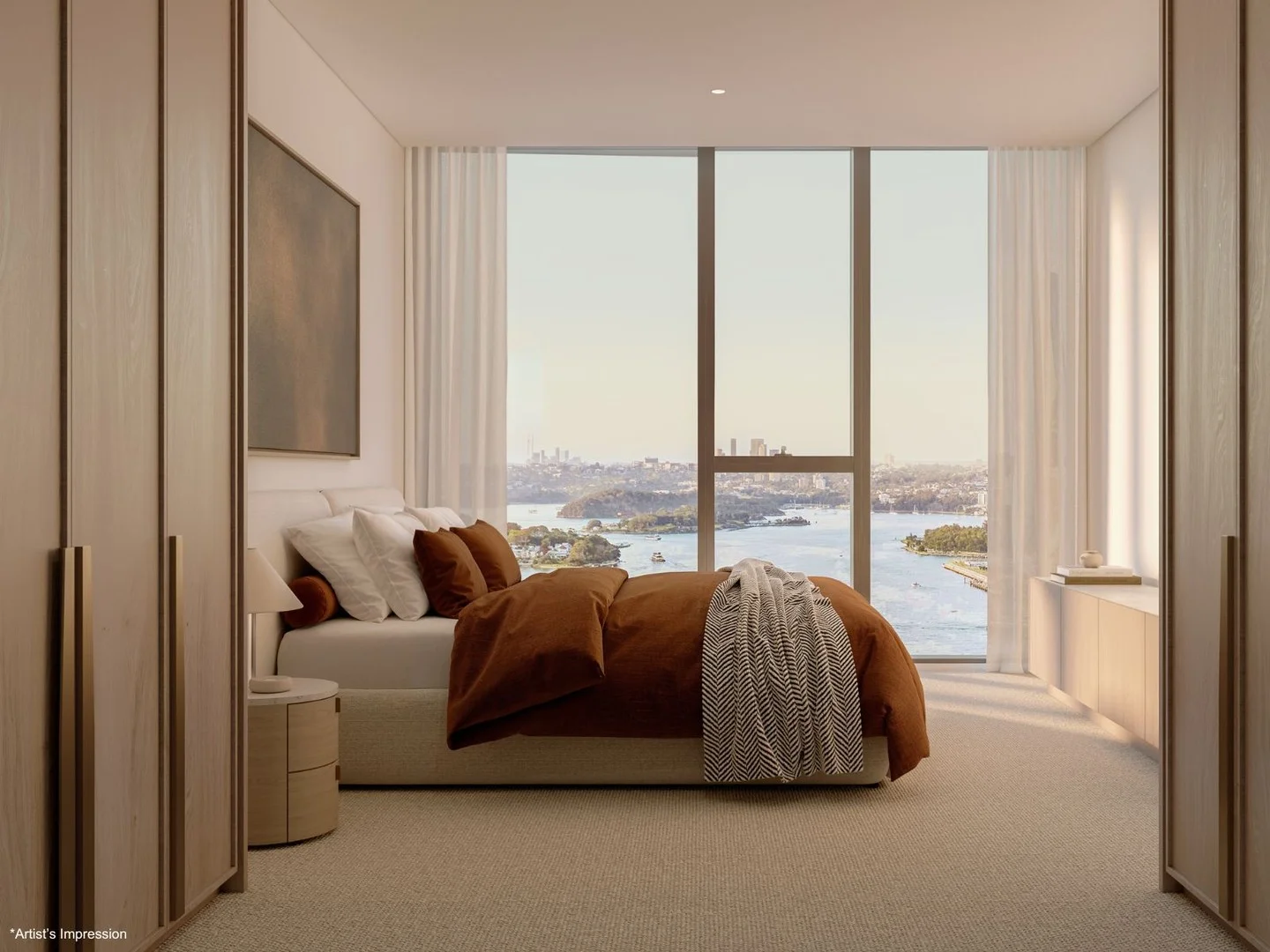 $8,630,000
propertyType.NEW APARTMENTS / OFF THE PLAN
$8,630,000
propertyType.NEW APARTMENTS / OFF THE PLAN
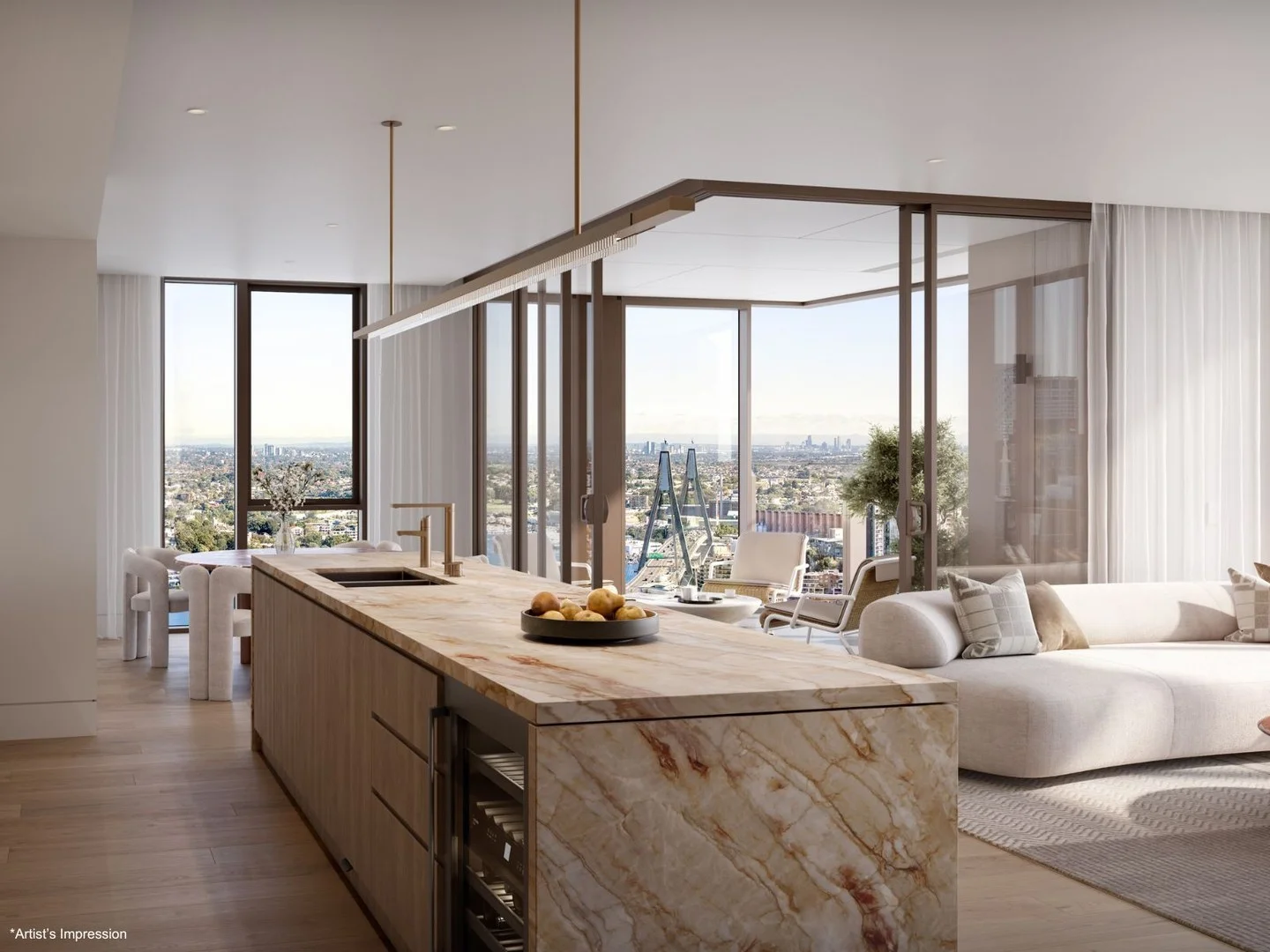 $9,020,000
propertyType.NEW APARTMENTS / OFF THE PLAN
$9,020,000
propertyType.NEW APARTMENTS / OFF THE PLAN
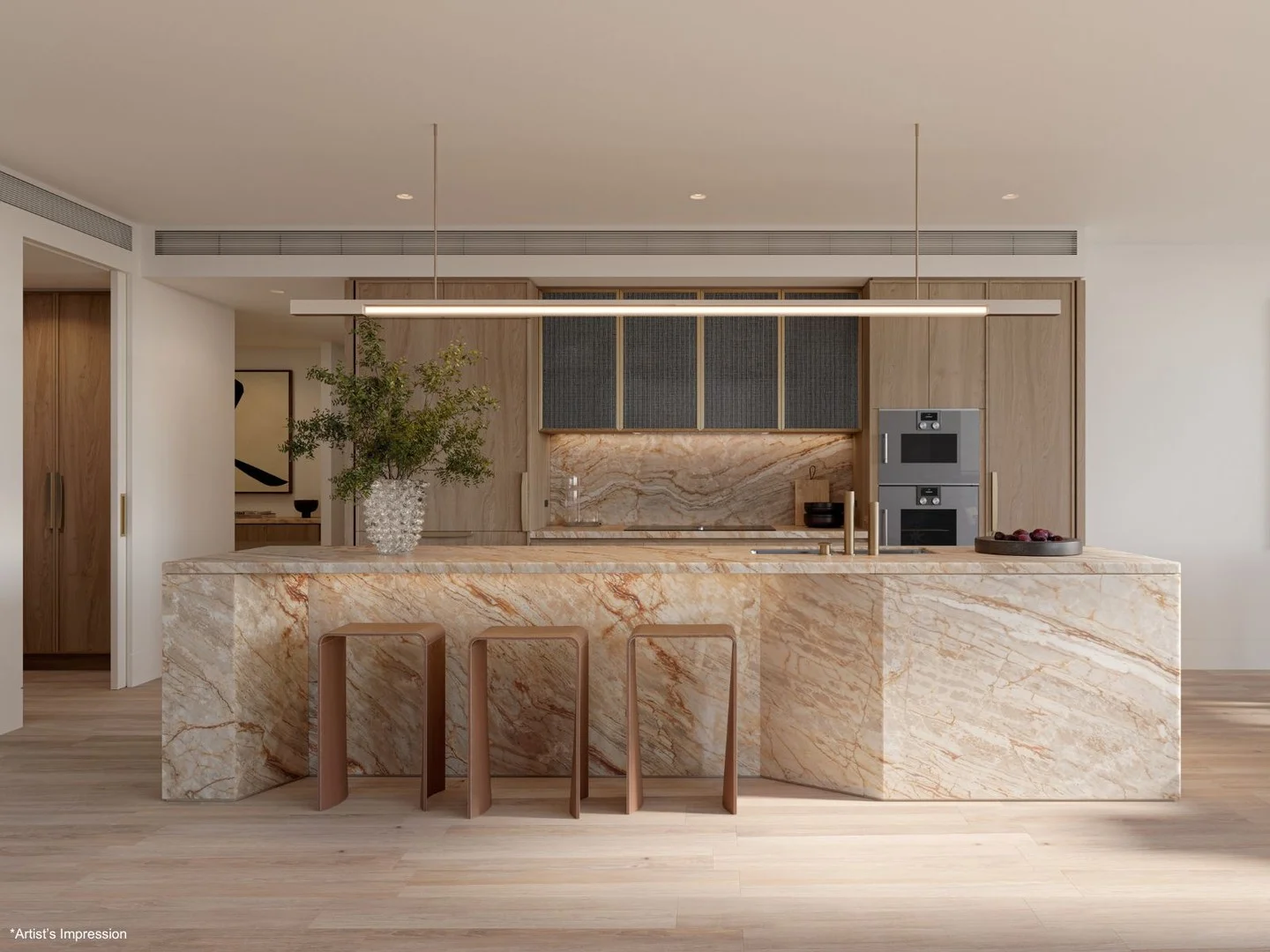 $6,225,000
propertyType.NEW APARTMENTS / OFF THE PLAN
$6,225,000
propertyType.NEW APARTMENTS / OFF THE PLAN
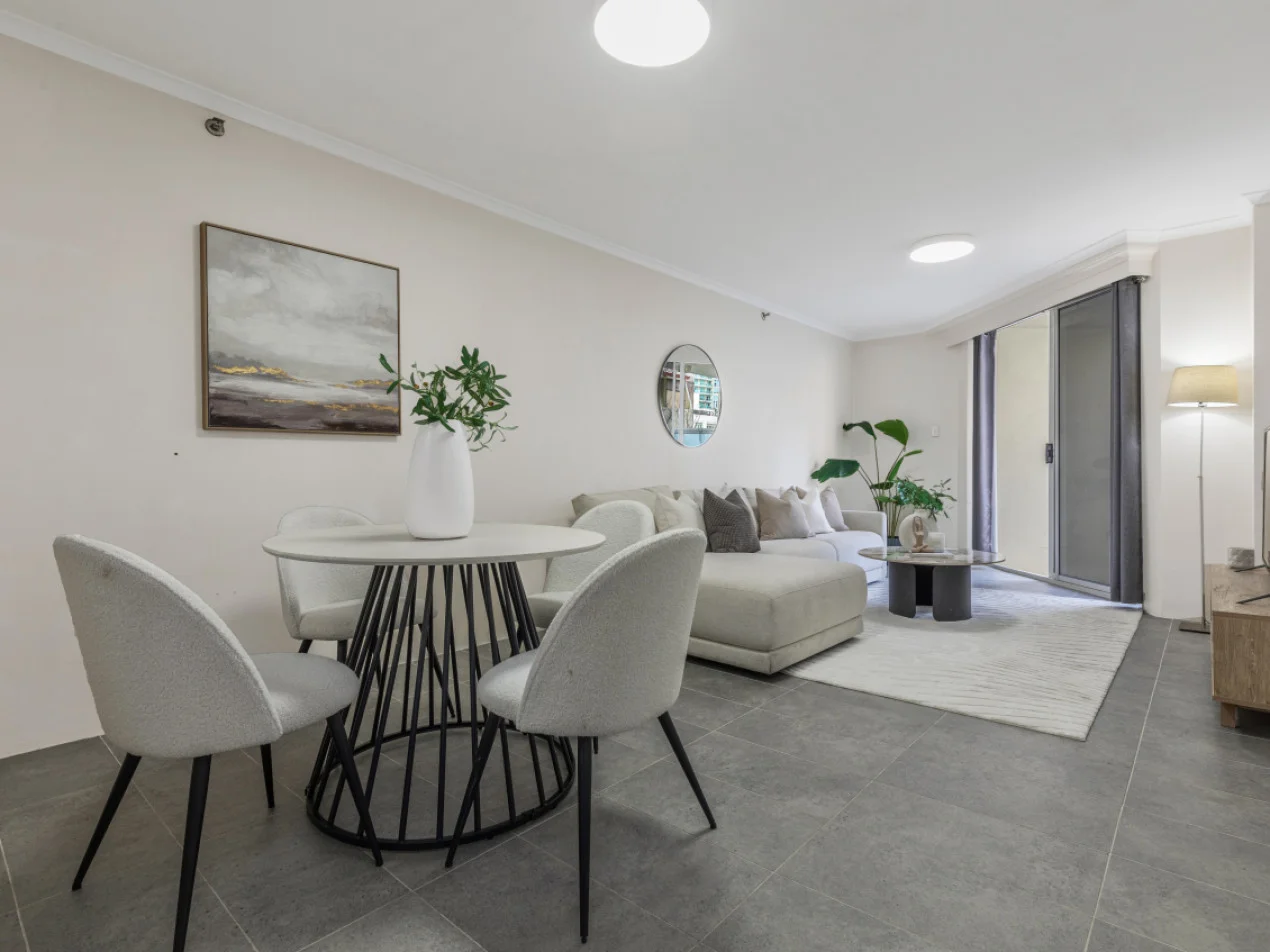 $640,000 - $675,000
Apartment / Unit / Flat
$640,000 - $675,000
Apartment / Unit / Flat
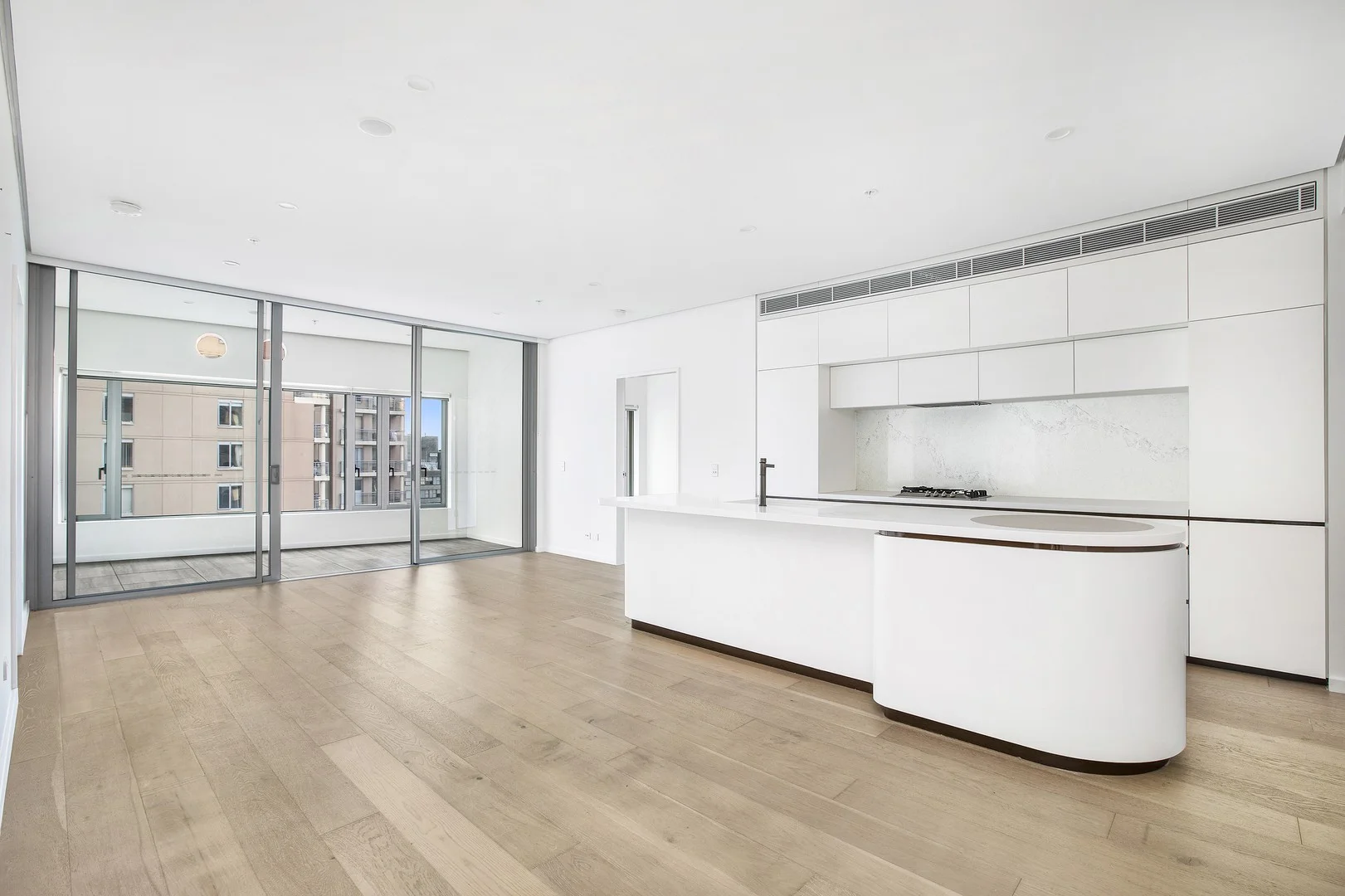 $2,250,000
Apartment / Unit / Flat
$2,250,000
Apartment / Unit / Flat
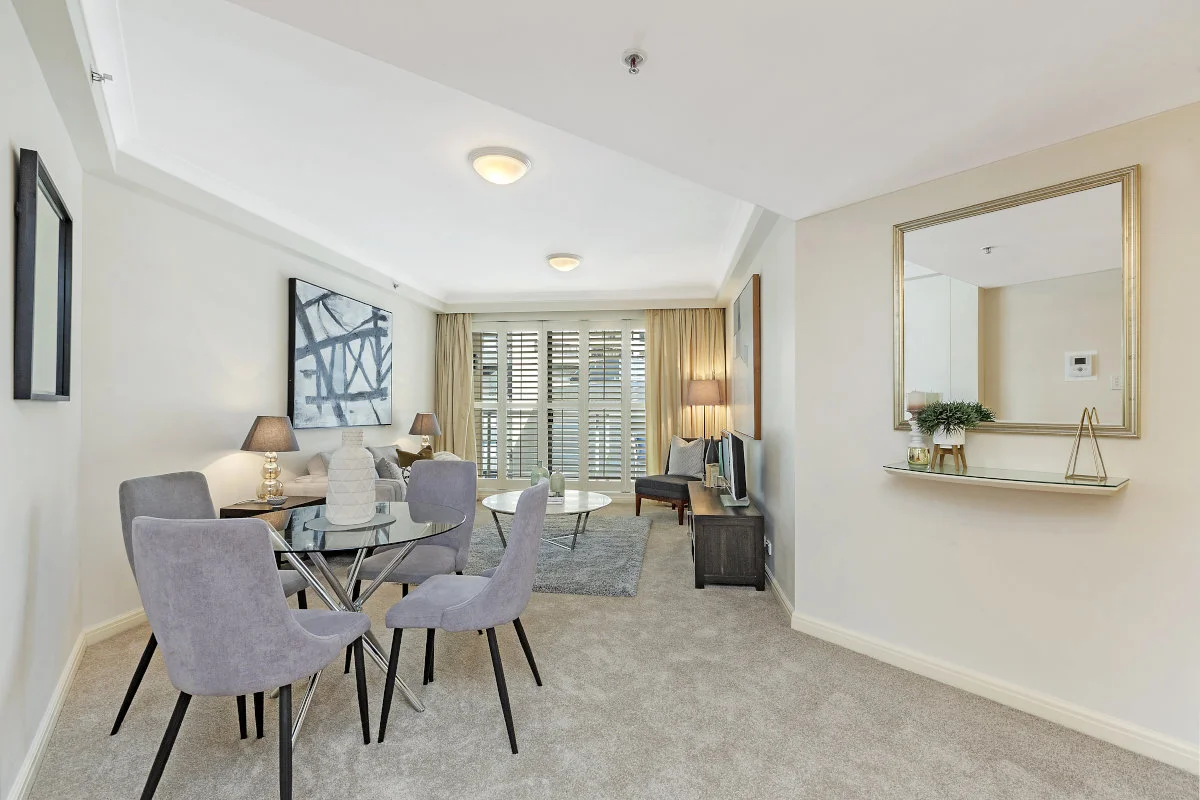 $660,000 - $725,000
Apartment / Unit / Flat
$660,000 - $725,000
Apartment / Unit / Flat
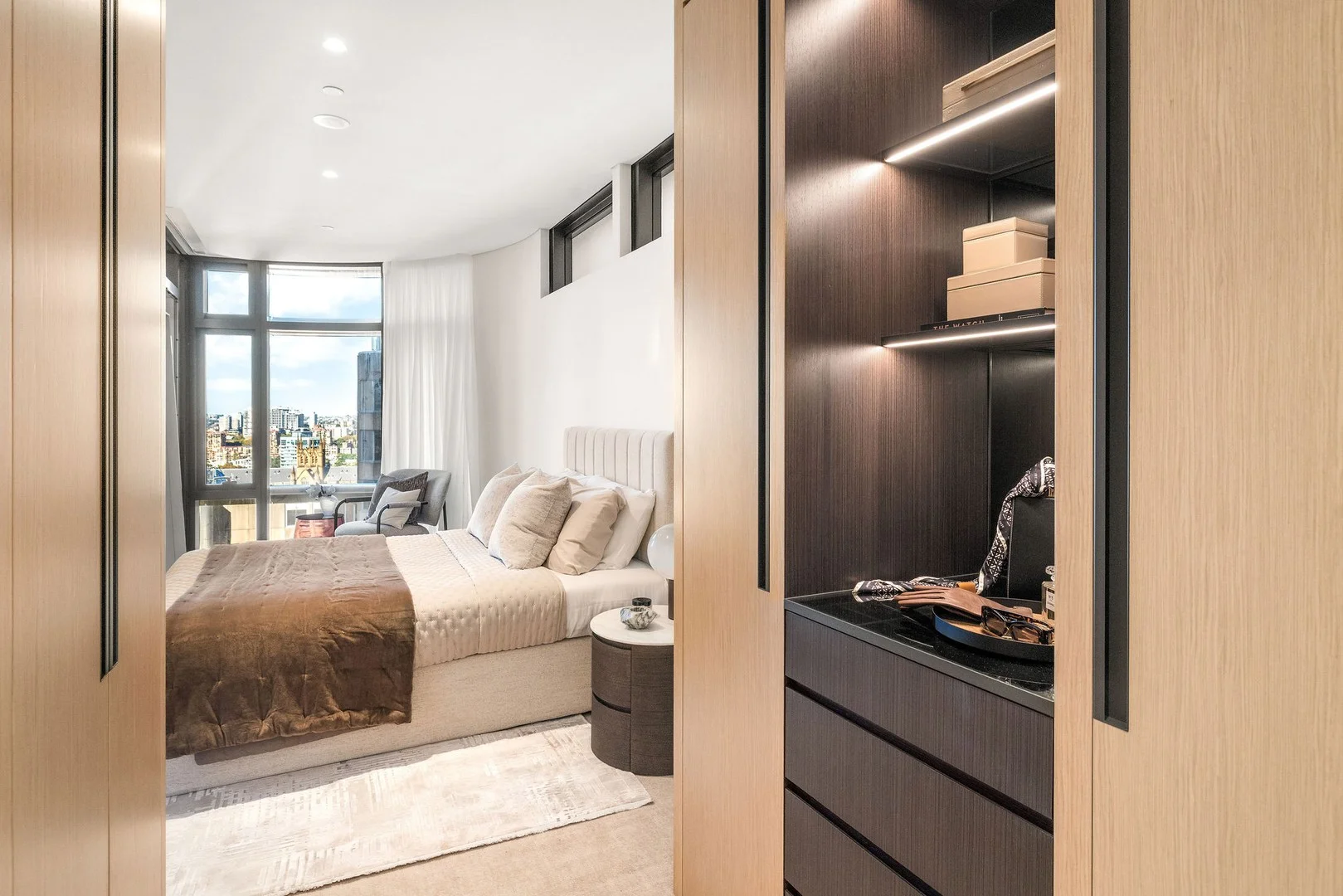 $2,745,000
propertyType.NEW APARTMENTS / OFF THE PLAN
$2,745,000
propertyType.NEW APARTMENTS / OFF THE PLAN
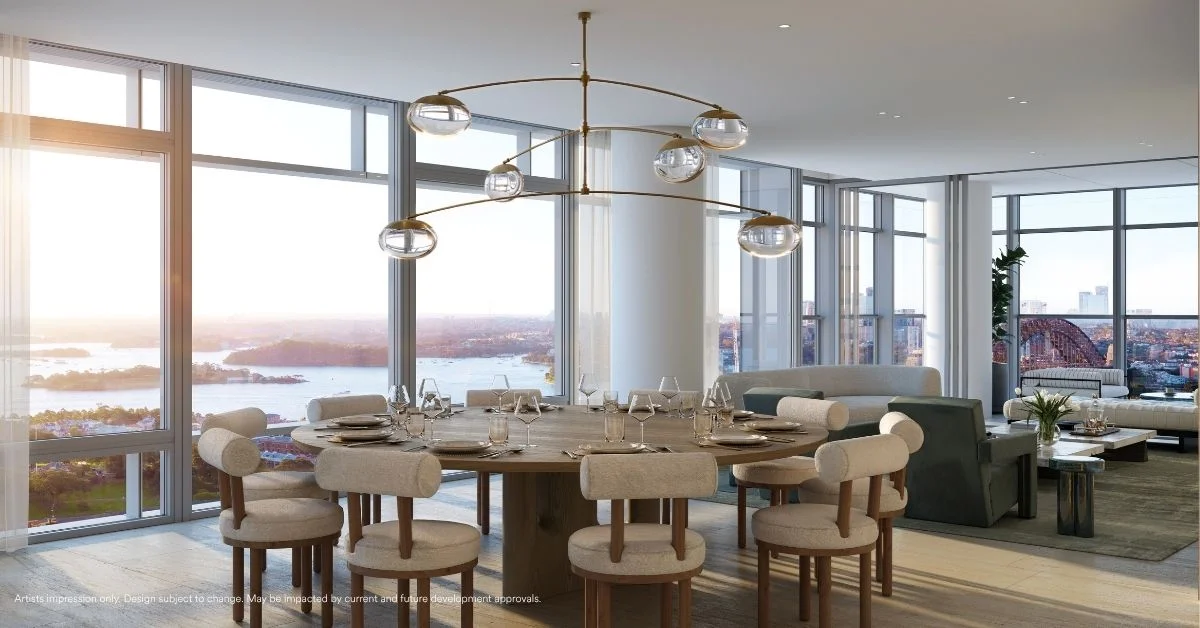 $26,550,000
propertyType.NEW APARTMENTS / OFF THE PLAN
$26,550,000
propertyType.NEW APARTMENTS / OFF THE PLAN