Overview
## 1. Overview
St Gertrude's Catholic Primary School, Smithfield is a Catholic, co-educational primary school that serves families in Smithfield and surrounding areas. As a systemic Catholic school, it aims to provide a faith-filled learning environment aligned with NSW syllabus requirements, supporting the holistic development of every child.
- School type: Catholic
- School size: Medium
- Class size: Typically around 20–28 students per class
- Atmosphere/culture: Nurturing, inclusive, faith-based, and community-minded
## 2. Academics & Learning
- Academic strengths: English, Mathematics, STEM concepts, Religious Education, and ICT integrated across the curriculum.
- Special programs: Access to Gifted and Talented opportunities where available; leadership development, faith formation, and enrichment activities integrated into learning.
- NAPLAN / trends: NSW NAPLAN data for the school typically shows steady performance with year-to-year trends reflecting cohorts; check the school’s published data for the latest trend information.
- Student-teacher ratios: Generally around 1:15 to 1:25, depending on year level and class load.
- Support for diverse learners: EAL/D (English as an Additional Language/Dialect) support, in-class differentiation, and targeted learning support for students with additional needs.
## 3. Sports & Extracurricular Strengths
- Sports offered: A range of team and individual sports common in NSW primary schools (e.g., soccer, netball, cricket, rugby league, athletics), with opportunities to participate in inter-school events.
- Strong teams or achievements: Participation in inter-school carnivals and local competitions; focus on teamwork, fair play, and skill development.
- Music, arts, drama programs: School ensembles, choir or musical opportunities, and drama/performing arts activities as part of the curriculum and extra-curricular offerings.
- Clubs: Robotics, coding, chess, debating, and other clubs designed to enrich learning beyond the classroom.
- Partnerships: Links with local community clubs, sporting associations, and parish activities to extend learning and competition opportunities.
## 4. Wellbeing & Pastoral Care
- Anti-bullying approach: Positive behaviour policies with restorative practices and structured anti-bullying education.
- House system: House-based activities and celebrations that promote teamwork and belonging.
- Counsellors / wellbeing officers: Access to school wellbeing staff or a dedicated counsellor to support students’ emotional and social development.
- Transition support for new students: Orientation programs, buddy systems, and transition materials to help new students settle in smoothly.
## 5. Facilities
- Sports grounds: On-site playing fields or courts suitable for a variety of sports.
- Libraries: Well-equipped library supporting reading and research.
- Science labs: Dedicated spaces for practical science exploration.
- Music/performing arts centers: Rooms or spaces for music practice and performances.
- Tech/innovation labs: Computer/computing or STEAM spaces to support technology learning.
- Cafeteria: On-site or nearby canteen facilities offering lunch options.
- Updated playgrounds: Well-maintained play areas for breaks and outdoor learning.
## 6. School Values & Community Culture
- School values / mission: Faith-centered values (such as respect, compassion, responsibility, and service) embedded across the school community.
- Leadership style: Collaborative and student-inclusive, with opportunities for student voice and leadership.
- Behaviour expectations: Clear codes of conduct emphasizing respect, responsibility, and positive relationships.
- Community reputation: Generally viewed as a supportive, faith-based community with active parent involvement.
- Diversity & inclusion: Welcomes families from diverse backgrounds with inclusive education practices.
## 7. School Logistics & Daily Operations
- School hours: Typical school day structure with a start in the morning and a mid-afternoon finish; lunch and break times scheduled.
- Before/after school care: Available in many NSW primary schools via school-based or external providers.
- Uniform requirements: Standard school uniform (and sports uniform on designated days); details provided at enrolment.
- Transport: Access to local bus routes and recommended drop-off/pick-up zones; proximity to public transport may be a factor for families.
- Canteen availability: Canteen or lunch program offering meals and snacks.
- Fees (low/medium/high ranges): Fees fall in the typical range for NSW Catholic primary schools; exact amounts vary by year and program and are published by the school annually.
## 8. Enrolment & Admissions
11. What is the enrolment process and timeline?
- Submit an enrolment application with the required documentation (birth certificate, immunisation records, proof of address, baptism certificate if applicable, and previous school reports if available).
- Attend information sessions or school tours if offered.
- Submit all documents by the school's stated deadlines; undergo any internal process for families (e.g., interviews or meetings).
- Offers are typically issued based on available places and any prioritisation policies (such as siblings or parish affiliations); final acceptance and orientation arrangements follow.
12. Is there a waiting list, and how does it work?
- Many Catholic primary schools maintain a waiting list when places are full. Placement often follows a priority framework (e.g., siblings, Catholic families, parish involvement, then general waitlist). The school will provide updates and expected timelines if you are on the list.
13. Are there any entry requirements, tests, or interviews?
- Primary-entry usually does not involve formal academic testing. An information session or brief interview may be offered; families may need to provide documentation (proof of address, immunisation records, baptism certificates) and previous school reports if applicable.
14. Does the school accept mid-year transfers?
- Mid-year transfers are possible subject to space and alignment with the school’s timetable and policies. Transfer paperwork from the current school and relevant academic and medical information may be required.
## 9. Frequently Asked Questions
- Why Parents Choose This School?
- Families often highlight a strong faith-based community, supportive pastoral care, and a focus on holistic development and values-based education.
- What type of student thrives at this school?
- Students who are engaged, respectful, curious, and committed to living their values typically thrive, with a supportive environment that encourages collaboration.
- What opportunities are available for students to extend their skills (academics, sports, arts)?
- Access to enriched learning experiences, sports programs, music and performing arts, coding/robotics clubs, debating, and leadership opportunities.
- How does the school communicate with parents?
- Regular newsletters, emails, a school app/portal, parent-teacher meetings, and updates via the school website or social channels.
- What is the school’s approach to teaching and learning?
- A NSW syllabus-aligned approach with differentiation to meet varied learning needs, emphasis on inquiry and hands-on learning, and integration of faith-based perspectives.
- How does the school support students who need extra academic help?
- In-class differentiation, targeted literacy/numeracy support, learning support staff, EAL/D assistance, and progress monitoring.
- What support is available for academic challenges?
- Additional tutoring or intervention programs, structured progress tracking, and collaboration with families to plan next steps.
- How does the school communicate with parents? (Repeated item)
- See above: newsletters, portals, emails, and scheduled meetings.
- What are the class sizes and how much individual attention do students receive?
- Class sizes are typically medium, with teacher-to-student ratios around 1:15 to 1:25, allowing for targeted instruction and small-group support.
- What extracurricular and sports opportunities are available?
- A broad range of sports, along with clubs such as robotics, coding, chess, and debating; arts, music, and drama programs complement the core curriculum.
- What facilities does the school offer (sports, science, arts)?
- Sports grounds, library, science labs, music/performing arts spaces, technology/innovation labs, and canteen facilities.
- What is the school’s approach to technology and digital learning?
- ICT is embedded across learning with dedicated technology spaces and digital citizenship education; use of devices and educational software to enhance learning.
- What transport and accessibility options are available?
- Local transport and bus options, convenient drop-off/pick-up arrangements, and accessible facilities as part of the school's operations.
- What are typical school fees or additional costs?
- School fees are in the moderate range for NSW Catholic primary schools; additional costs may include uniforms, excursions, and activity levies. Exact figures are published by the school each year.
## 10. Short Pros & Cons list
- Pros
- Strong Catholic values and faith-focused environment
- Holistic approach to education (academic, social, spiritual)
- Supportive wellbeing and pastoral care
- Moderate class sizes with opportunities for individual attention
- Broad range of extra-curriculars (sports, arts, clubs)
- Inclusive culture with emphasis on community and belonging
- Cons
- Fee-based school (relative to public options)
- Places can be limited; there may be waiting lists
- Availability of some specialised programs varies by year and cohort
- Transport options may depend on local routes and schedules
If you’d like, I can tailor this content further with specifics you provide (for example, exact class size ranges, current programs offered, or the latest enrolment timeline) or adjust the tone to align with a particular section of Aroundschools’ style.








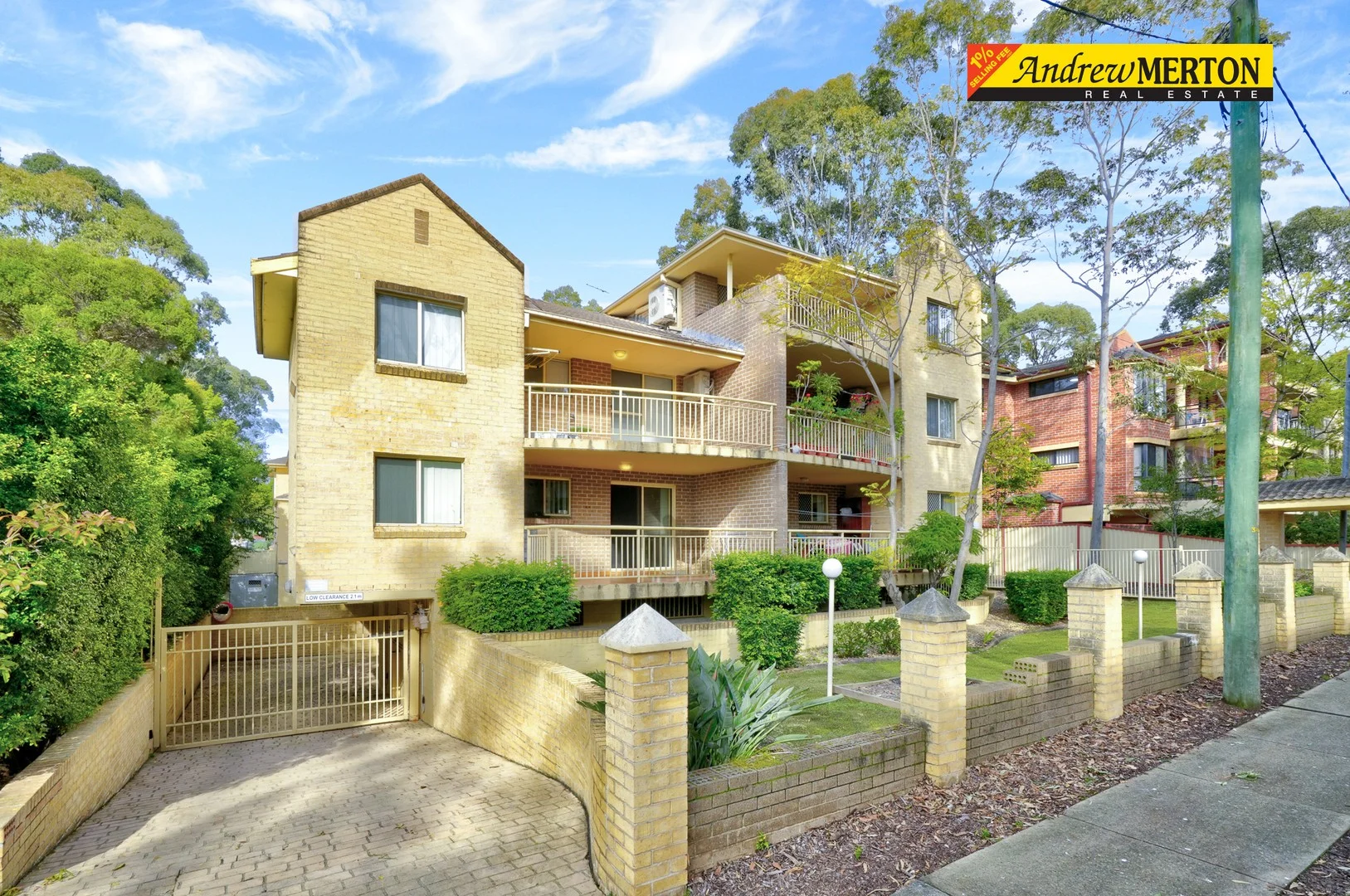 $530,000
Apartment / Unit / Flat
$530,000
Apartment / Unit / Flat
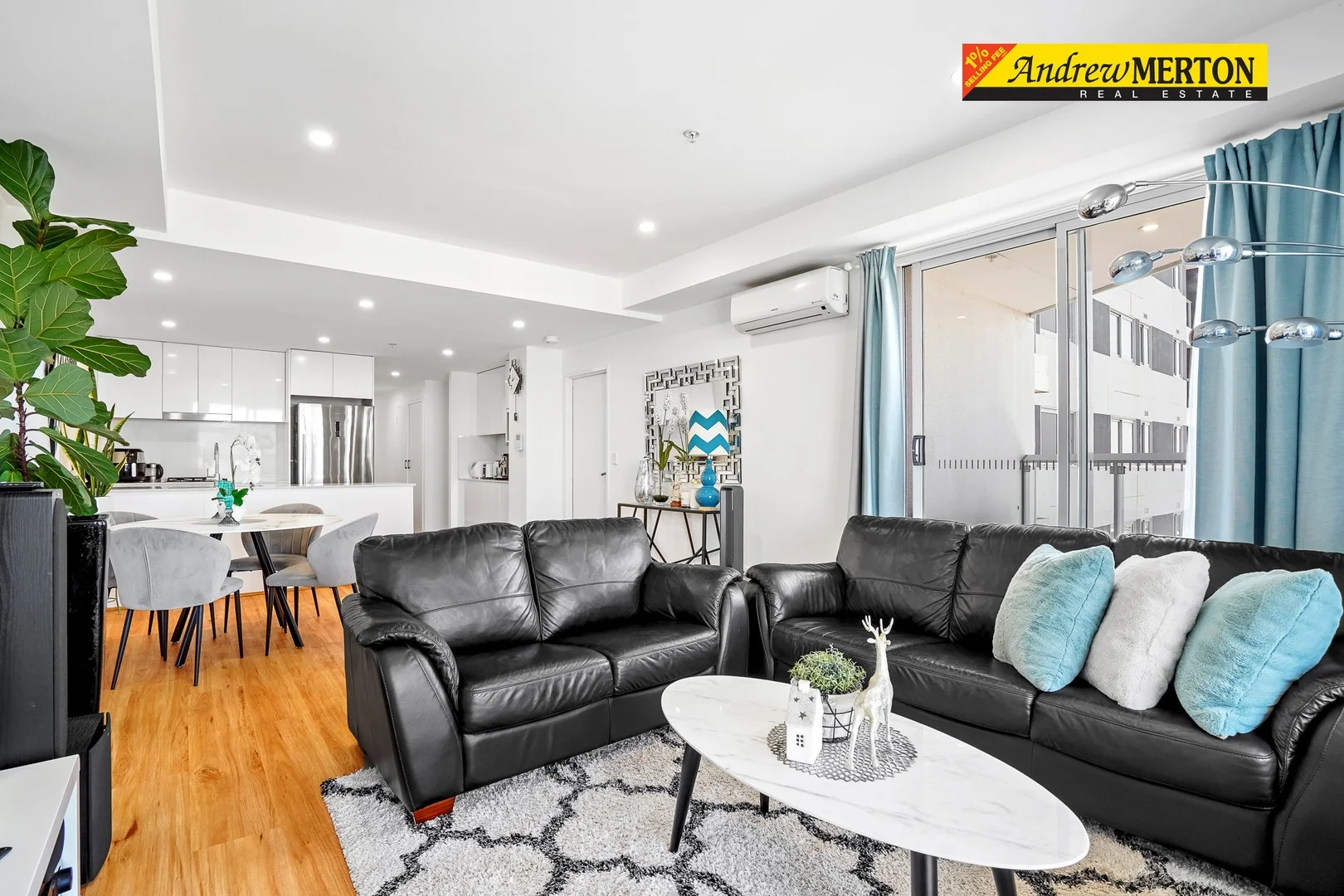 $475,000
Apartment / Unit / Flat
$475,000
Apartment / Unit / Flat
 $399,900
Apartment / Unit / Flat
$399,900
Apartment / Unit / Flat


