Overview
## 1. Overview
St Joseph’s Catholic Primary School, Oatley is a Catholic primary school serving families in and around Oatley. The school focuses on faith-informed education, values, and a supportive learning community where children are encouraged to grow academically, socially and spiritually.
As a small-to-medium Catholic school, class sizes are typically around 20–25 students, allowing teachers to know students well and tailor support. The atmosphere is nurturing and inclusive, with a strong sense of belonging, respect and community involvement.
⸻
## 2. Academics & Learning
- Academic strengths: Strong focus on English and literacy and numeracy, with opportunities in STEM-inspired learning and practical problem solving. Leadership development and student voice are encouraged, with expectations for high standards across all key learning areas. Languages may be offered depending on year level and staffing.
- Special programs: Differentiated learning supports, with means for enrichment and targeted interventions as needed. Some cohorts may have access to gifted or extension opportunities through school-based programs or Catholic Education frameworks.
- NAPLAN / trends: NSW NAPLAN trends are monitored to support continuous improvement. To view current trends for St Joseph’s Oatley, consult the latest school annual report or NSW NAPLAN reports; the school will share performance trajectories with families.
- Student-teacher ratios: Class sizes around 20–25 students with support staff where appropriate. Overall ratios align with NSW primary norms, offering regular teacher access and targeted assistance as needed.
- Support for diverse learners: Dedicated support for diverse learners, including EAL/D and learning support, with interventions and resource access for students requiring additional help.
⸻
## 3. Sports & Extracurricular Strengths
- Sports offered: Common primary-school offerings such as soccer, rugby league, basketball, cricket and athletics, with opportunities for swimming and other activities as part of physical education programs.
- Strong teams or achievements: Children participate in inter-school fixtures and diocesan events; achievements vary by year but participation and teamwork are encouraged.
- Music, arts, drama programs: Involvement in school music, choir or instrumental activities, as well as drama and school productions to showcase creativity.
- Clubs: Robotics, chess, coding, debating and other enrichment clubs are available to broaden interests and skills beyond the classroom.
- Partnerships: Connections with local clubs and sports associations for development, festivals or competitions, supporting pathways in sport and the arts.
⸻
## 4. Wellbeing & Pastoral Care
- Anti-bullying approach: Proactive anti-bullying policies and programs focused on prevention, respectful relationships and restorative practices where appropriate.
- House system: A house structure fosters belonging, teamwork and healthy peer collaboration across year levels.
- Counsellors / wellbeing officers: Access to school wellbeing staff or counsellors to support students’ social and emotional needs.
- Transition support for new students: Orientation programs, buddy systems, and transition visits to help new students settle in smoothly.
⸻
## 5. Facilities
- Sports grounds: Open spaces for PE and sport, with safe outdoor play areas.
- Libraries: On-site library supporting reading for pleasure and research.
- Science labs: Facilities to support hands-on science learning and experiments.
- Music/performing arts centers: Space for music education, rehearsals and performances.
- Tech/innovation labs: Computing or maker-space resources to support digital learning and project work.
- Cafeteria: On-site canteen or cafeteria offering healthy meal options.
- Updated playgrounds: Well-maintained play spaces designed for active, safe play.
⸻
## 6. School Values & Community Culture
- School values / mission: A faith-based mission emphasising respect, compassion, service, academic excellence and personal growth.
- Leadership style: Collaborative leadership with opportunities for student voice and leadership roles, supported by staff and parish community.
- Behaviour expectations: Clear expectations around respectful conduct, responsibility and service; consistent, positive behaviour support.
- Community reputation: Known locally for a welcoming, faith-filled, inclusive community that supports families and student development.
- Diversity & inclusion: Commitment to inclusive practices and welcoming families from diverse backgrounds.
⸻
## 7. School Logistics & Daily Operations
- School hours: Follows standard NSW primary school hours; the day typically includes morning and afternoon sessions with breaks.
- Before/after school care: OSCAR or school-based care options may be available to families before and after school hours.
- Uniform requirements: School uniform is required; details about uniform shop and expectations are provided by the school.
- Transport (train/bus routes): Access via local bus services and train stations; school may provide information about drop-off and pick-up arrangements.
- Canteen availability: Canteen or canteen services are available to provide meals and snacks.
- Fees (low/medium/high ranges): Fees are in the typical range for NSW Catholic primary schools, with standard levies, excursions and voluntary contributions; exact costs are provided by the school’s enrolment information.
⸻
## 8. Enrolment & Admissions
11. What is the enrolment process and timeline?
- Submit an enrolment application with required documents (birth certificate, immunisation details, proof of address, etc.).
- Families may be invited to an interview or discussion about the child’s needs and fit with the school community.
- Offers are issued in line with the school’s timelines; there may be priority considerations (e.g., parishioner status or sibling attendance).
12. Is there a waiting list, and how does it work?
- Waiting lists are common; placement often depends on space and considerations such as siblings or parish ties. Applications typically remain active for a period if space is not immediately available.
13. Are there any entry requirements, tests, or interviews?
- Interviews or discussions are common to understand the child’s needs and readiness. There are usually no separate entrance tests for primary-year intake, though readiness conversations may occur for Kindergarten.
14. Does the school accept mid-year transfers?
- Mid-year transfers are considered if space is available; families should contact the school to discuss availability and required documentation.
⸻
## 9. Frequently Asked Questions
- Why Parents Choose This School?
- A faith-based, values-driven environment with a nurturing community, strong pastoral care and a focus on both academic and personal growth.
- What type of student thrives at this school?
- Students who respond well to a supportive, inclusive community, value-based education and a balanced emphasis on academics, sport, arts and service.
- What opportunities are available for students to extend their skills (academics, sports, arts)?
- Enrichment in literacy and numeracy, leadership opportunities, sports teams, music/drama, and clubs such as robotics, chess, coding and debating.
- How does the school communicate with parents?
- Regular communications through newsletters, emails/parent portals, school app or notices, and parent-teacher interviews.
- What is the school’s approach to teaching and learning?
- A combination of explicit teaching, differentiated learning, inquiry-based activities and faith-informed learning, with a focus on student engagement and real-world application.
- How does the school support students who need extra academic help?
- Targeted interventions, learning support staff and EAL/D assistance, with pathways to differentiate instruction to meet individual needs.
- What support is available for academic challenges?
- Individualised support plans, small-group or in-class interventions and collaboration with families to monitor progress.
- How does the school communicate with parents? (Repeated)
- See above: newsletters, digital platforms, meetings and progress updates.
- What are the class sizes and how much individual attention do students receive?
- Class sizes typically around 20–25, with opportunities for individualised attention and teacher support during lessons and through targeted interventions.
- What extracurricular and sports opportunities are available?
- Sports programs (soccer, rugby league, basketball, cricket, athletics), arts and music activities, and clubs such as robotics, chess, coding and debating.
- What facilities does the school offer (sports, science, arts)?
- Access to sports grounds, a library, science labs, music/performing arts spaces, tech/innovation labs, a canteen and updated playgrounds.
- What is the school’s approach to technology and digital learning?
- Integration of digital learning tools and devices, with guided use and safety policies to support learning across subjects.
- What transport and accessibility options are available?
- Local bus and train links, with typical drop-off/pick-up arrangements and accessible pathways where possible.
- What are typical school fees or additional costs?
- Fees include standard levies, textbook costs, uniforms and excursion charges; exact amounts are provided by the enrolment package.
⸻
## 10. Short Pros & Cons list
- Pros
- Catholic, values-based education with a supportive, inclusive community.
- Small-to-medium class sizes enabling individual attention.
- Strong wellbeing and pastoral care, with a house system and student support.
- Broad range of extracurriculars, including sports, arts and clubs.
- Modern facilities supporting STEM, science, music and digital learning.
- Cons
- As a smaller school, travel or distance might be a consideration for families far from the campus.
- Fees and voluntary contributions are typical for Catholic schools and can add up with excursions and uniform costs.
- Availability of certain programs or languages may vary by year level or staffing; confirm current offerings with the school.
⸻
If you’d like, I can tailor these sections further with more specific details you’ve gathered from the school’s current enrolment information or annual reports.







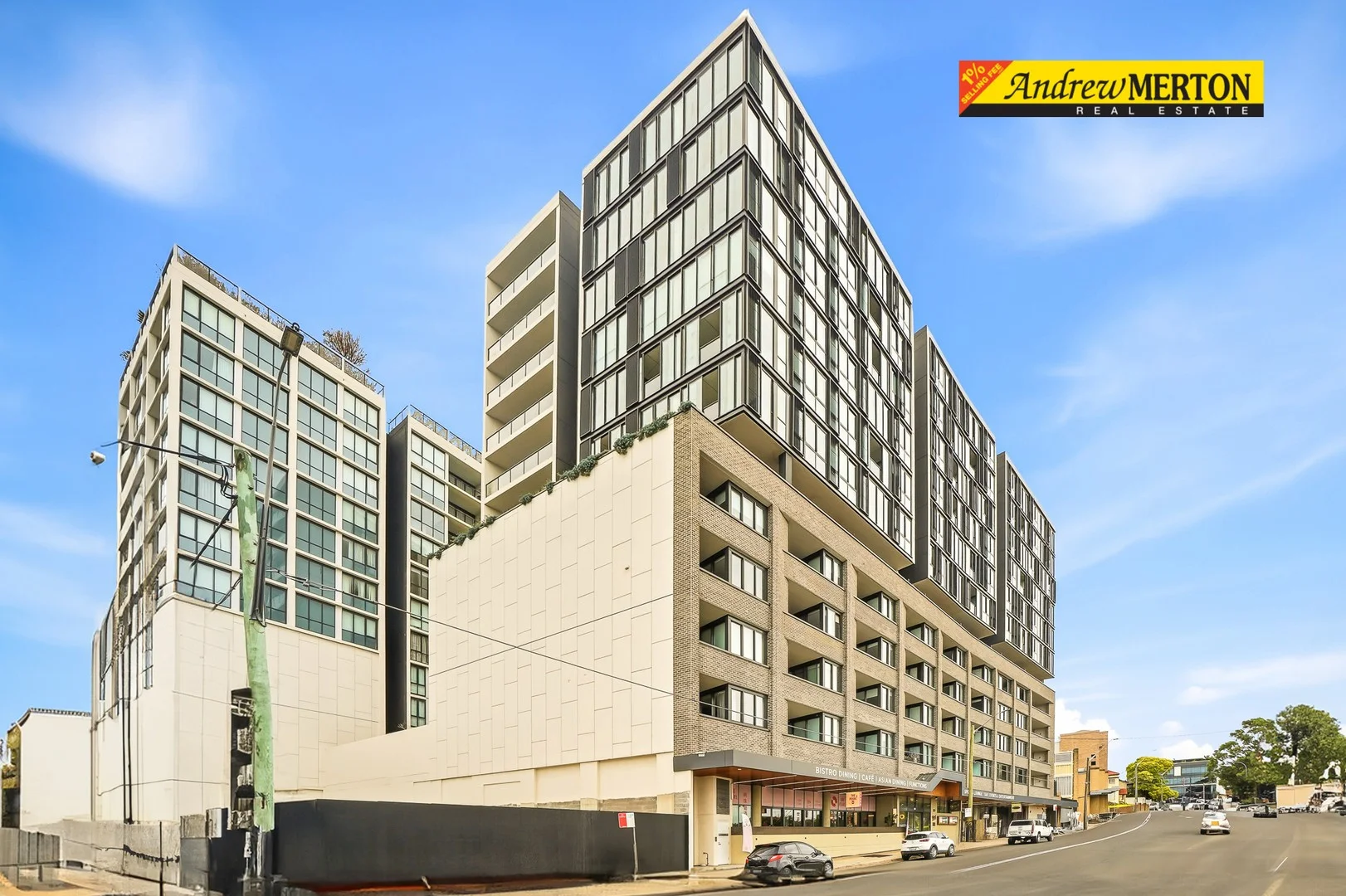 $699,000
Apartment / Unit / Flat
$699,000
Apartment / Unit / Flat
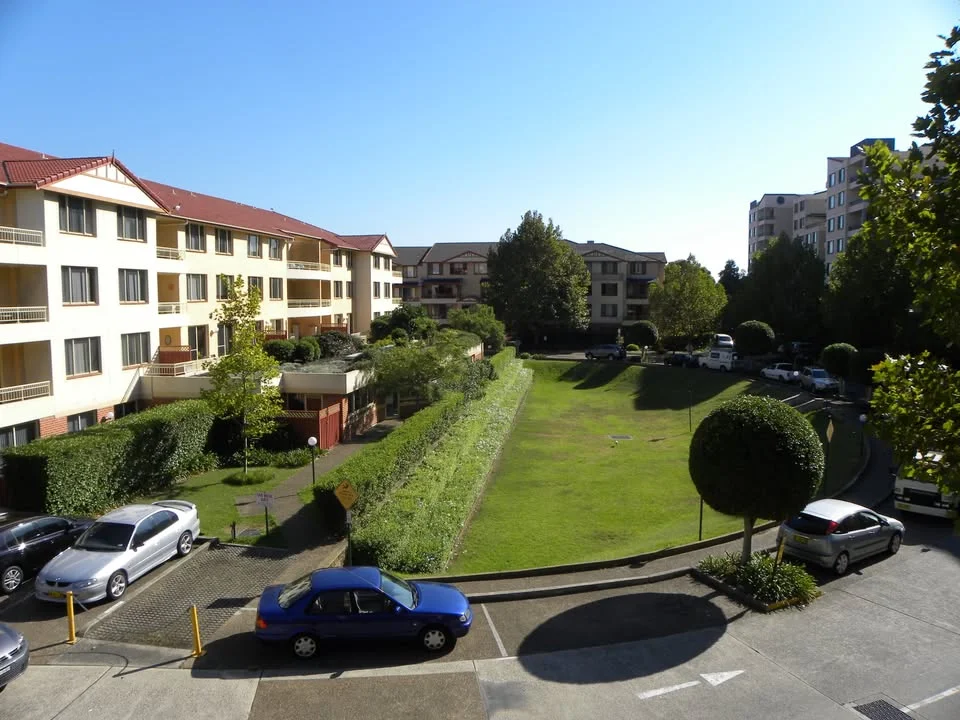 $990
Apartment / Unit / Flat
$990
Apartment / Unit / Flat
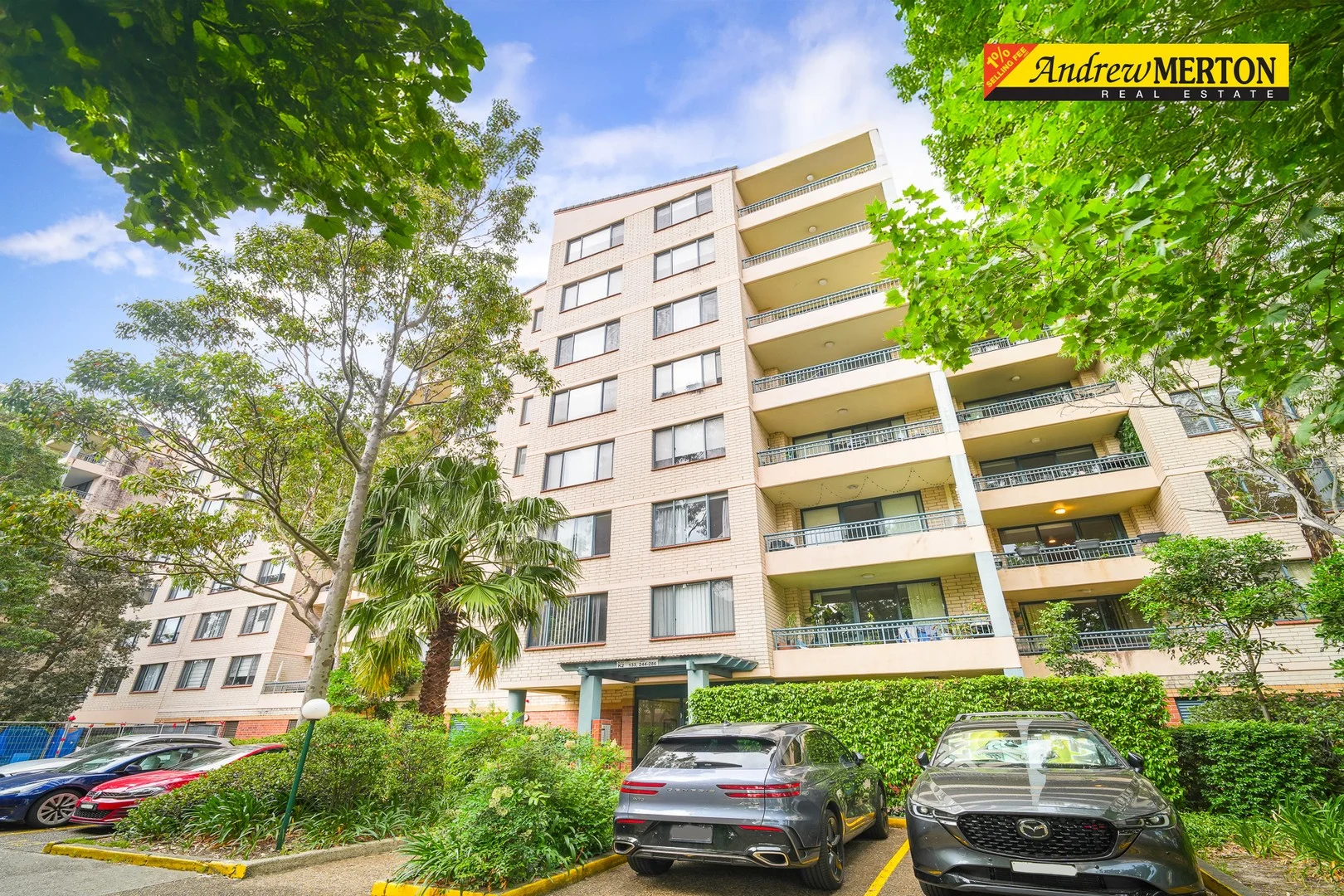 $933,000
Apartment / Unit / Flat
$933,000
Apartment / Unit / Flat


