Overview
## Overview
St Joseph’s Catholic Primary School, Riverwood is a Catholic systemic primary school in the Riverwood area, part of the NSW Catholic education system. It offers a co-educational learning environment for students in the primary years, aiming to blend faith formation with strong academic foundations.
- School type: Catholic
- School size: small to medium
- Class size: typically around 20–25 students per class
- Atmosphere/culture: nurturing, inclusive, faith-based, and community-focused
---
## Academics & Learning
- Academic strengths: strong emphasis on literacy and numeracy, with integrated religious education, creative arts, and a focus on developing foundational skills for lifelong learning. STEM concepts and digital literacy are often embedded in classroom activities.
- Special programs: regular religious education and sacramental preparation; opportunities for extension in core subjects; inclusion of coding/robotics and other digital technology experiences where offered.
- NAPLAN / trends: generally shows positive year-to-year trends with steady progress in reading, writing, and numeracy across cohorts (noting that individual results vary by year and cohort).
- Student-teacher ratios: typically around 1:12 to 1:20, with teachers supporting differentiated learning.
- Support for diverse learners: EAL support available; targeted assistance and accommodations for students with SEN where required; inclusive practices to help all learners participate.
---
## Sports & Extracurricular Strengths
- Sports offered: common primary-school programs such as soccer, basketball, netball, cricket, and athletics; swimming and tennis may be offered in season or via school programs.
- Strong teams or achievements: participation in local and diocesan interschool events; teams often compete in district competitions.
- Music, arts, drama programs: choir or Vocal/Music programs; opportunities in performing arts and school plays or drama groups.
- Clubs: robotics, chess, coding, debating, and other interest clubs commonly available or run as part of extracurricular offerings.
- Partnerships: connections with local clubs and diocesan activities; participation in regional or interschool events and competitions as opportunities arise.
Most parents skim this section, especially for boys aged 10–14, so the focus is on wide access to activities and supportive participation.
---
## Wellbeing & Pastoral Care
- Anti-bullying approach: clear policies and procedures, with emphasis on restorative practices and a respectful school culture.
- House system: commonly used to foster teamwork, mentorship, and school spirit across year levels.
- Counsellors / wellbeing officers: access to school-based support staff or wellbeing channels to assist students with social and emotional development.
- Transition support for new students: buddy programs, orientation activities, and targeted support to help new students settle in.
This section is designed to build trust with families by showing the school’s commitment to a caring, supportive environment.
---
## Facilities
- Sports grounds: outdoor play and sports spaces suitable for both P-6 activities.
- Libraries: on-site library with access to age-appropriate reading resources.
- Science labs: dedicated spaces for hands-on science learning.
- Music/performing arts centers: areas or rooms for music practice and theatre/drama activities.
- Tech/innovation labs: computer/IT resources and digital learning spaces.
- Cafeteria: student dining facilities or arrangements for meal programs.
- Updated playgrounds: age-appropriate play areas and outdoor learning spaces.
The facilities are presented in a simple, visual way to help parents picture daily life at the school.
---
## School Values & Community Culture
- School values / mission: faith-based education focusing on values such as respect, responsibility, service, and integrity; emphasis on forming character alongside academic growth.
- Leadership style: collaborative and inclusive, with student voice opportunities and supportive teacher leadership.
- Behaviour expectations: clear standards for conduct, consistent discipline aligned with restorative approaches.
- Community reputation: generally positive, with emphasis on welcoming families and fostering community involvement.
- Diversity & inclusion: inclusive environment that welcomes families from diverse backgrounds and fosters belonging.
---
## School Logistics & Daily Operations
- School hours: typical school day runs during standard primary hours; start and finish times may vary slightly by year level.
- Before/after school care: after-school care programs or family-friendly wrap-around care may be available.
- Uniform requirements: formal school uniform with possible sport/school activities gear on designated days; details provided by the school.
- Transport (train/bus routes): public transport options (buses or nearby train stations) used by families; pickup/drop-off routines may be organized by the school or local authorities.
- Canteen availability: school canteen or lunch program where offered; students may have access to meals/snacks.
- Fees (low/medium/high ranges): Catholic primary schools typically charge annual tuition/levies and additional costs for activities, uniforms, and excursions; exact amounts vary year to year.
---
## Enrolment & Admissions
11. What is the enrolment process and timeline?
- Inquiries are welcome year-round. Families typically attend information sessions or open day events, submit an application form, and provide required documents (birth certificate, immunisation records, proof of address, etc.). The school will confirm available places and communicate next steps within a defined timeline, with offers usually made for the upcoming year.
12. Is there a waiting list, and how does it work?
- Yes, most Catholic primary schools maintain a waiting list when places are limited. Allocation often considers age/grade needs, sibling priority, and space availability. Families on the waiting list are kept informed about status and expected timelines.
13. Are there any entry requirements, tests, or interviews?
- Entry typically involves a family interview or meeting with the principal or a member of the leadership team. There is usually no heavy academic testing; instead, the process focuses on suitability, readiness, and alignment with the school’s values. Documentation and immunisation status are commonly required.
14. Does the school accept mid-year transfers?
- Mid-year transfers can be accommodated if space is available. The process generally requires completing the normal enrolment paperwork, providing current school records, and arranging a transition plan to support the student’s entry mid-year.
---
## Frequently Asked Questions
- Why Parents Choose This School?
- A values-based Catholic education with a supportive, inclusive community and focus on holistic development for each child.
- What type of student thrives at this school?
- Students who respond well to a faith-informed, collaborative learning environment, with opportunities to participate in a broad range of academic, artistic, and sporting activities.
- What opportunities are available for students to extend their skills (academics, sports, arts)?
- Access to literacy/numeracy enhancement, STEM-related activities, arts and music programs, as well as sports teams and clubs like robotics, chess, coding, and debating.
- How does the school communicate with parents?
- Through newsletters, emails, a school portal or app, parent-teacher interviews, and regular updates about events and policies.
- What is the school’s approach to teaching and learning?
- Student-centered, differentiated instruction with a strong emphasis on core skills, integrated faith formation, and opportunities for collaboration and hands-on learning.
- How does the school support students who need extra academic help?
- Targeted small-group or in-class supports, EAL assistance, and access to learning support staff to meet individual learning needs.
- What support is available for academic challenges?
- Additional tutoring or targeted interventions, progress monitoring, and coordination with families to develop IEP-style supports when required.
- How does the school communicate with parents? (This appears twice in your list; see above for the general answer.)
- What are the class sizes and how much individual attention do students receive?
- Class sizes typically range around 20–25 students, with teachers differentiating instruction and providing targeted support to individuals and small groups.
- What extracurricular and sports opportunities are available?
- A range of sports, arts, music, and clubs such as robotics, chess, coding, debating, and participation in interschool competitions.
- What facilities does the school offer (sports, science, arts)?
- Sports grounds, library, science labs, music/performing arts spaces, tech/innovation labs, canteen, and updated playgrounds.
- What is the school’s approach to technology and digital learning?
- Integration of digital literacy and technology in learning, with access to devices or computer labs and opportunities for coding and ICT activities.
- What transport and accessibility options are available?
- Access to local bus routes and public transport options; arrangements may be available for drop-off/pick-up and accessibility considerations.
- What are the typical school fees or additional costs?
- Fees vary by year and program; families should expect standard tuition/levies, uniform costs, and potential charges for excursions or activities. Confirm exact figures with the school.
---
## Short Pros & Cons list
- Pros
- Catholic, values-based education with a nurturing and inclusive culture
- Strong emphasis on literacy, numeracy, and faith formation
- Wide range of extracurricular activities and clubs
- Support for diverse learners (EAL and SEN)
- Collaborative leadership and focus on student wellbeing
- Cons
- Possible waiting lists during peak intake periods
- Uniforms and activity fees can add to overall costs
- Specific programs and facilities may vary by year or cohort
- Transport options depend on family location and local services
If you’d like, I can tailor this content further with more precise details once you provide or confirm the exact figures and programs from the school’s official materials.







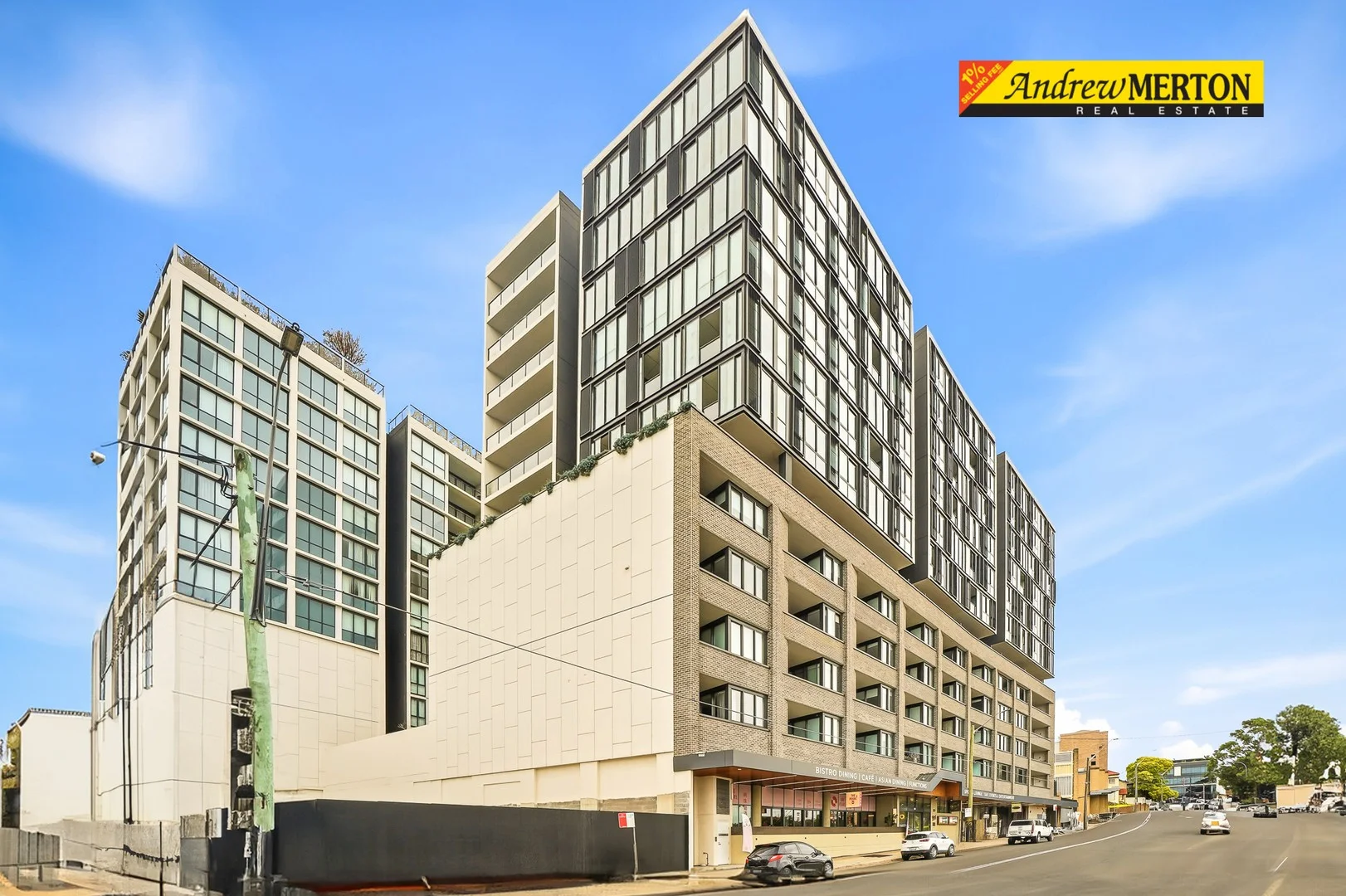 $665,000
Apartment / Unit / Flat
$665,000
Apartment / Unit / Flat
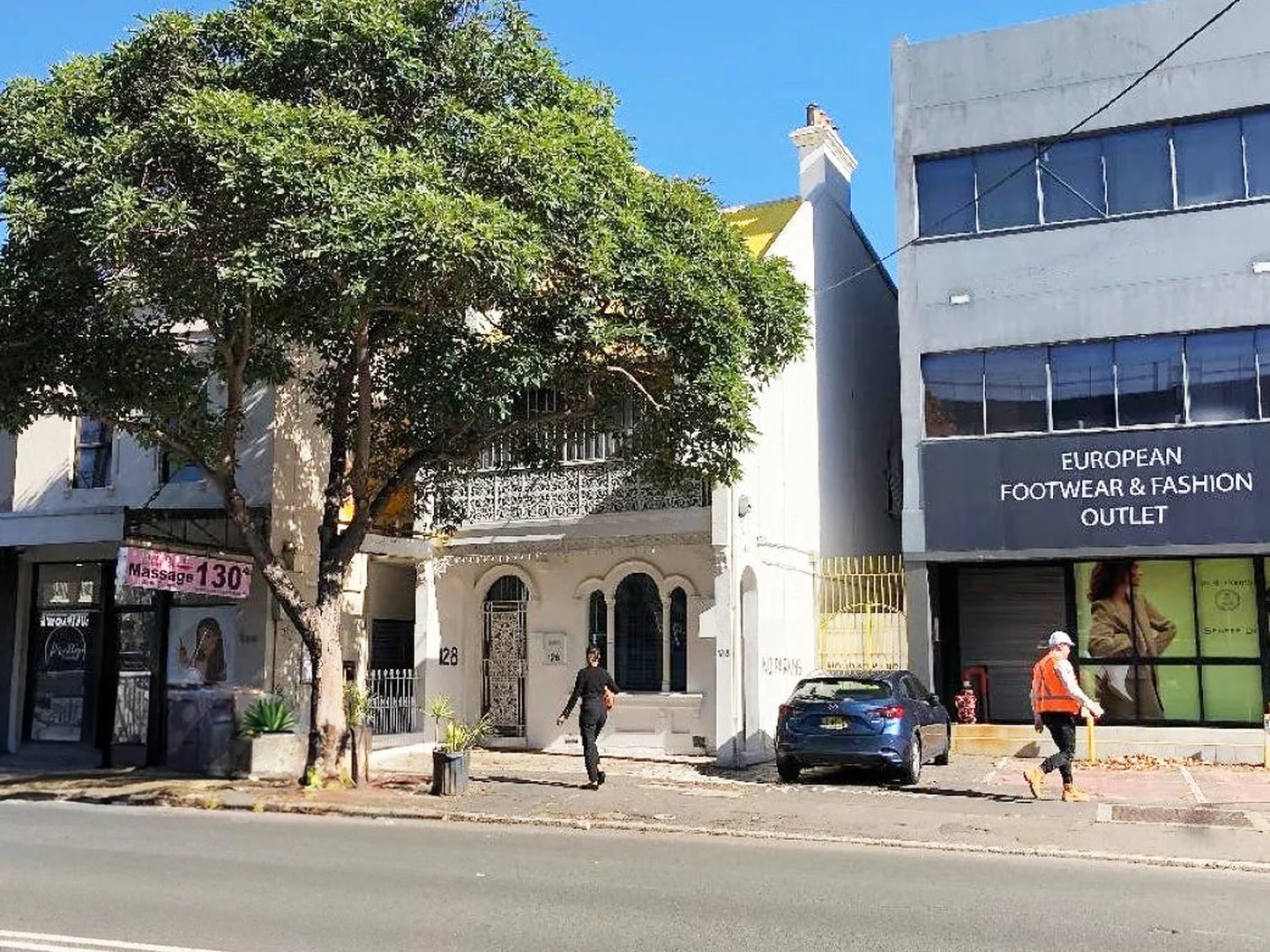 $3,900,000
House
$3,900,000
House
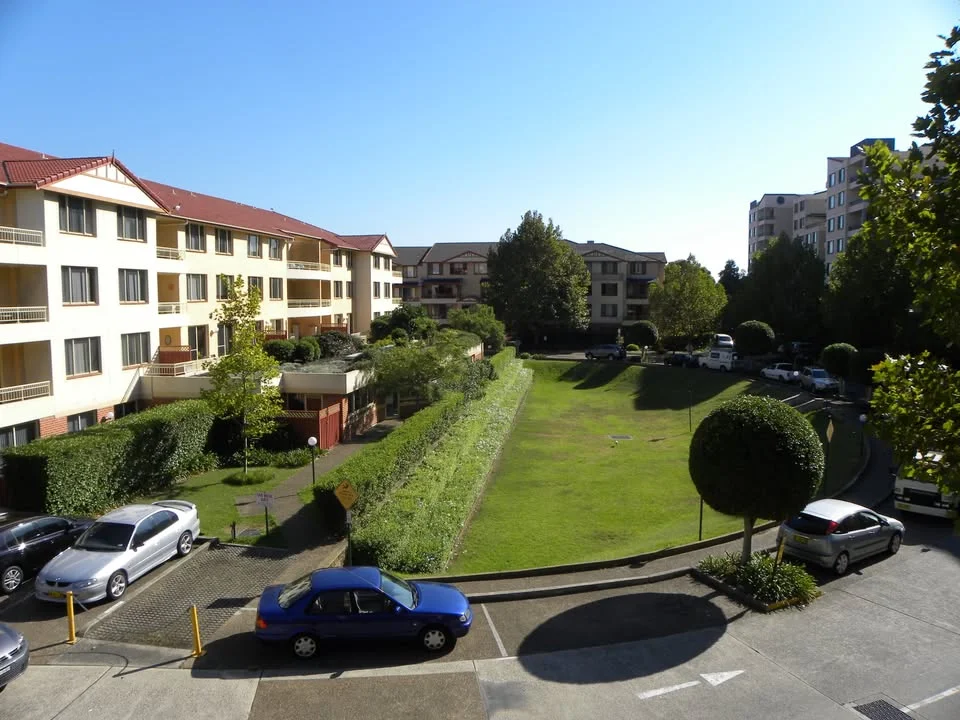 $990
Apartment / Unit / Flat
$990
Apartment / Unit / Flat
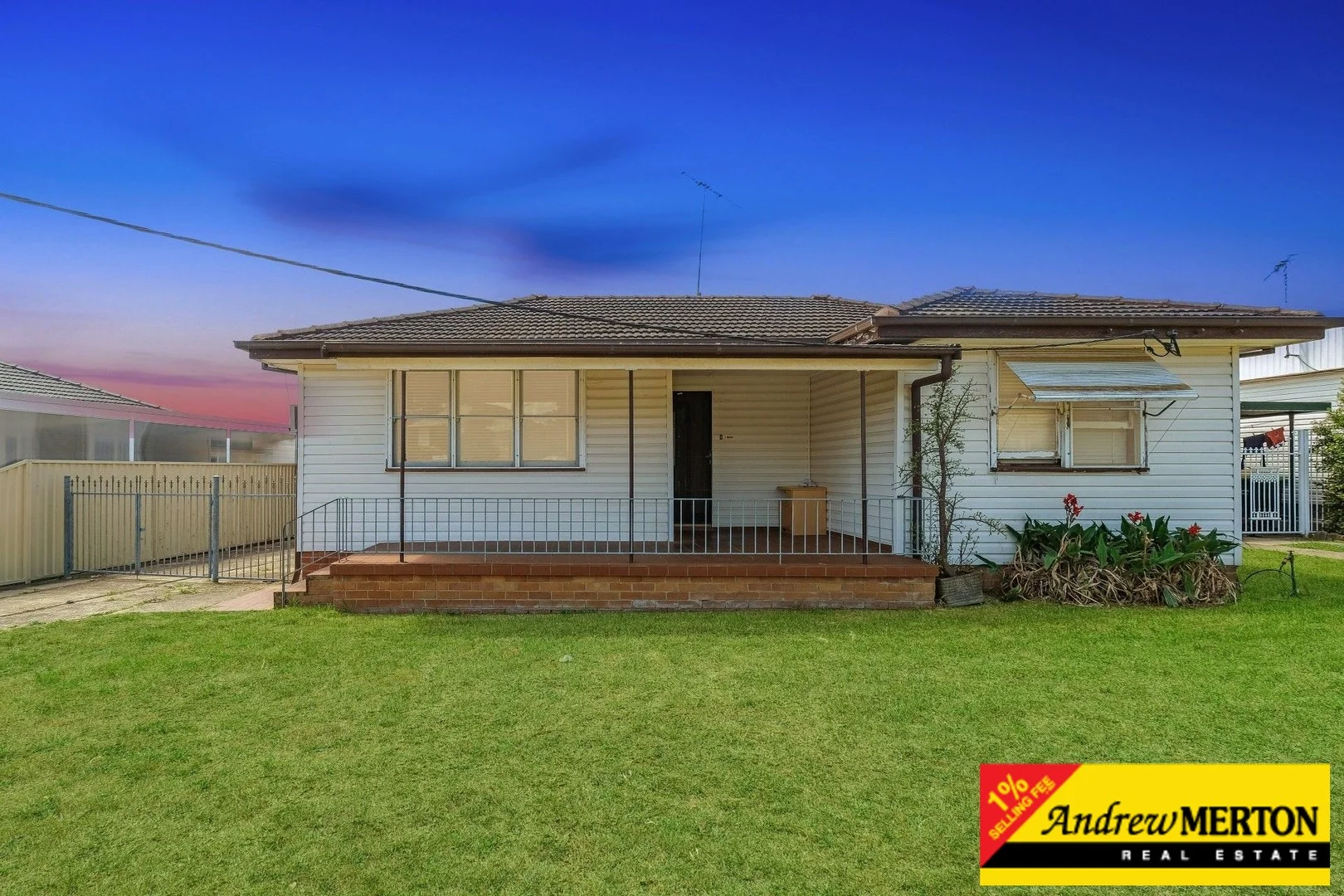 $1,092,500 - $1,201,750
House
$1,092,500 - $1,201,750
House


