## 1. Overview
St Joseph’s College, Hunters Hill is an independent Catholic day school for boys, known for its strong sense of community and academic progression. The college combines a tradition of values-based education with contemporary learning to prepare students for both tertiary study and responsible citizenship. The school fosters a nurturing, inclusive culture while maintaining a clear focus on academic achievement and character development.
The school is medium-sized, with class sizes typically around 20–24 students. The atmosphere balances academic rigor with pastoral care, encouraging curiosity, resilience, and teamwork across a diverse range of interests and activities.
⸻
## 2. Academics & Learning
- Academic strengths: STEM, English/literacy, leadership development, and language studies.
- Special programs: opportunities for accelerated learning and gifted/talented pathways; leadership programs and enrichment activities; HSC preparation and related extended coursework.
- NAPLAN trends: steady or improving performance in reading, writing and numeracy over recent years, reflecting consistent strengthening of foundational skills and higher-order thinking.
- Student-teacher ratios: typically favorable ratios (approximately 1:9 to 1:12), supporting more individualized attention.
- Support for diverse learners: EAL support for students whose first language is not English; SEN support and inclusive learning strategies available.
⸻
## 3. Sports & Extracurricular Strengths
- Sports offered: rugby, cricket, football (soccer), rowing, basketball, athletics, swimming, and aerobic/fitness programs; opportunities across winter and summer seasons.
- Strong teams or achievements: participation in regional competitions and school-wide sports programs with emphasis on teamwork, discipline, and improvement.
- Music, arts, drama programs: robust performing arts scene, with choirs, ensembles, drama productions, and music tuition options.
- Clubs: robotics, chess, coding, debating, and other academic/cultural clubs that encourage problem-solving and public speaking.
- Partnerships: connections with local clubs, youth sport bodies, and competitions to broaden exposure and competition pathways.
⸻
## 4. Wellbeing & Pastoral Care
- Anti-bullying approach: proactive, whole-school anti-bullying policies and programs, with clear reporting and support structures.
- House system: traditional house-based competition and mentoring to build belonging and leadership opportunities.
- Counsellors / wellbeing officers: access to school counsellors or wellbeing staff to support academic and emotional health.
- Transition support for new students: orientation programs, peer mentoring, and targeted support to ease transition into new year levels.
⸻
## 5. Facilities
- Sports grounds: well-maintained outdoor playing fields and courts.
- Libraries: resourced learning commons supporting reading, research, and collaboration.
- Science labs: modern laboratories for biology, chemistry, and physics practical work.
- Music/performing arts centers: spaces for rehearsals, performances, and music education.
- Tech/innovation labs: makerspaces or ICT labs supporting coding, robotics, and design work.
- Cafeteria: on-site dining facilities with catering options.
- Updated playgrounds: age-appropriate outdoor play and social spaces.
⸻
## 6. School Values & Community Culture
- School values / mission: emphasis on integrity, courage, service, and community; education for the whole person.
- Leadership style: student leadership opportunities, mentorship, and an emphasis on servant leadership and collaborative decision-making.
- Behaviour expectations: clear code of conduct focusing on respect, responsibility, and resilience.
- Community reputation: strong sense of tradition and reputation for fostering loyal alumni and active parent involvement.
- Diversity & inclusion: committed to welcoming students from diverse backgrounds and supporting inclusive participation in all activities.
⸻
## 7. School Logistics & Daily Operations
- School hours: typical school day structure with start and finish times aligned to NSW school calendars.
- Before/after school care: available or arranged through school programs or approved external providers.
- Uniform requirements: specified school uniforms with seasonal variations; clear guidelines for dress and grooming.
- Transport (train/bus routes): access to local transport options, with bus services and proximity to public transport routes.
- Canteen availability: on-site canteen or lunch facilities with daily meal options.
- Fees (low/medium/high ranges): fees fall in the mid-to-high range for private Catholic independent schooling; details provided by the school’s admissions office.
⸻
## 8. Enrolment & Admissions
11. What is the enrolment process and timeline?
- Initial inquiry and information session.
- Submission of applications with required documents (academic reports, references, and any specified Catholic community details).
- Entrance assessment or interview, plus family interview or appointment.
- Offer of places, confirmation of enrollment, and acceptance by families within the specified timeline.
- Orientation and commencement planning for new students.
12. Is there a waiting list, and how does it work?
- Yes, there is typically a waiting list. Priority for entry commonly includes siblings of current students and Catholic families; availability depends on year level and space.
13. Are there any entry requirements, tests, or interviews?
- Applicants usually undergo an entrance interview (and sometimes a written or online assessment) and may need to provide requested academic reports and references. A faith-related or community involvement element may be considered as part of the process.
14. Does the school accept mid-year transfers?
- Mid-year transfers are possible if there is space and alignment with the student’s current learning program; provides timely transition planning and supportive onboarding.
⸻
## 9. Frequently Asked Questions
- Why Parents Choose This School?
- A values-driven education for boys with strong academics, supportive pastoral care, and opportunities across sport, the arts, and leadership.
- What type of student thrives at this school?
- Motivated, curious students who value community, teamwork, and personal growth, and who respond well to a structured, supportive learning environment.
- What opportunities are available for students to extend their skills (academics, sports, arts)?
- Advanced coursework and accelerated pathways, competitive sports, performing arts, debating, robotics, coding, and leadership programs.
- How does the school communicate with parents?
- Regular updates through newsletters, parent portals, meeting nights, and structured parent-teacher conversations; active involvement through parent associations.
- What is the school's approach to teaching and learning?
- A balanced approach combining rigorous academic standards with inquiry-based learning, pastoral care, and real-world application.
- How does the school support students who need extra academic help?
- Targeted tutoring, SEN support plans, EAL assistance, and accessible teachers for small-group or one-on-one support.
- What support is available for academic challenges?
- Diagnostic reviews, tailored study plans, mentoring, and adjustments to learning strategies to help students overcome challenges.
- How does the school communicate with parents? (Note: see earlier item)
- See above; consistent channels include newsletters, portals, and parent-teacher meetings.
- What are the class sizes and how much individual attention do students receive?
- Class sizes around 20–24; favorable student-teacher ratios enable more personalized attention and targeted feedback.
- What extracurricular and sports opportunities are available?
- A wide range of sports (rugby, cricket, football, rowing, etc.), music and drama programs, and clubs such as robotics, chess, coding, and debating.
- What facilities does the school offer (sports, science, arts)?
- Comprehensive facilities including sports grounds, libraries, science labs, performing arts spaces, tech/innovation labs, and a canteen.
- What is the school's approach to technology and digital learning?
- Integration of digital tools and coding in learning, with age-appropriate online resources, cybersecurity awareness, and access to devices as part of the curriculum.
- What transport and accessibility options are available?
- Access to local transport options and school-arranged pathways; information on bus/train routes and accessibility is provided by the admissions team.
- What are the typical school fees or additional costs?
- Fees fall in the mid-to-high range for private Catholic schools; details are provided during the admissions process and can be discussed with the school.
⸻
## 10. Short Pros & Cons list
- Pros
- Independent Catholic education with a values-driven framework.
- Medium-sized school with approachable class sizes and strong pastoral care.
- Broad range of academics, sports, arts, and leadership opportunities.
- Supportive programs for diverse learners (EAL and SEN).
- Active co-curricular life with robotics, debating, music, and clubs.
- Cons
- Fees are in the mid-to-high range for private schools.
- As a single-sex school, may not suit families seeking co-educational environments.
- Limited information publicly available about every program; some details require direct inquiry with the school.
⸻









 $36,000,000 - $39,500,000
Vacant Land
$36,000,000 - $39,500,000
Vacant Land
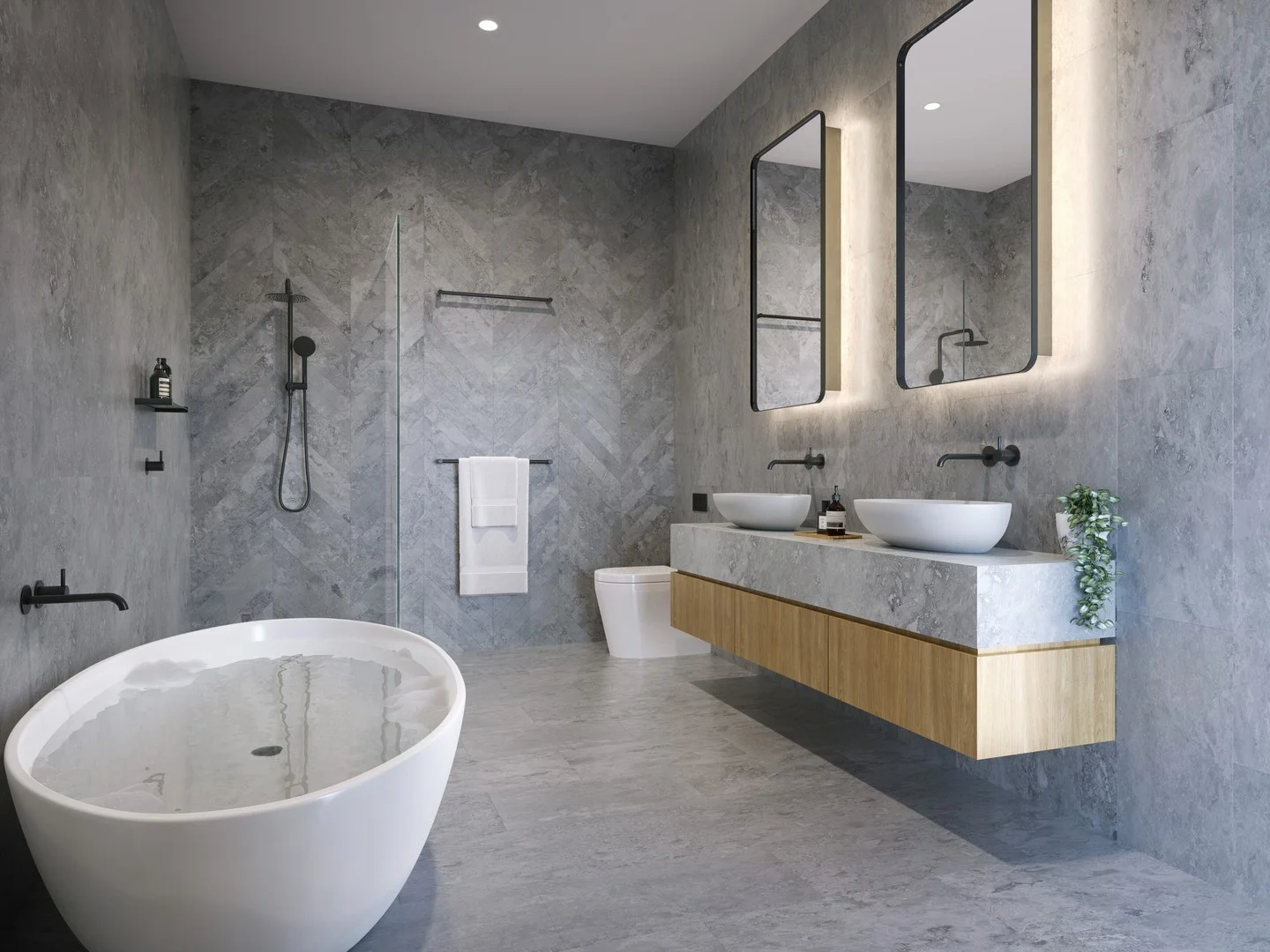 $2,824,000
Apartment / Unit / Flat
$2,824,000
Apartment / Unit / Flat
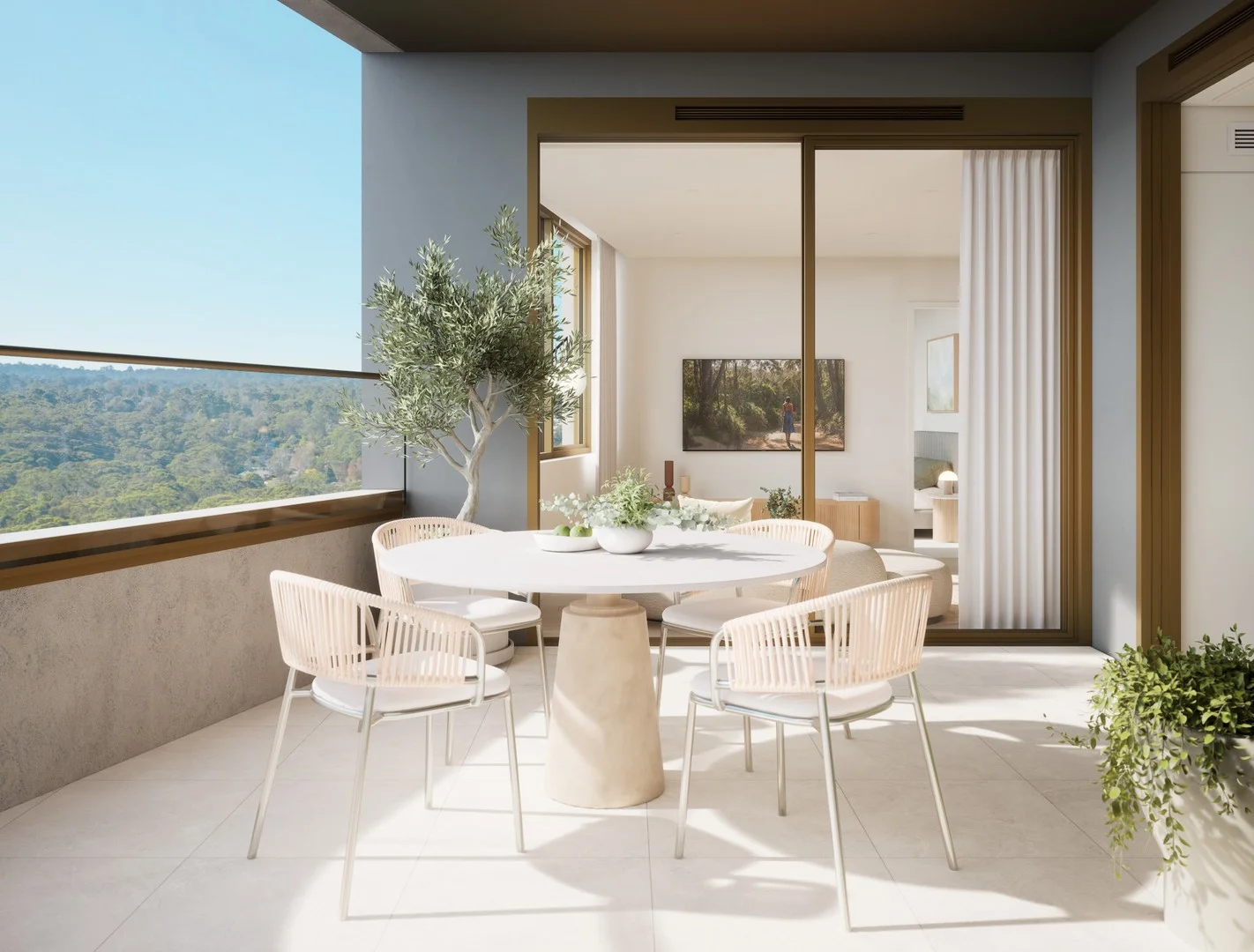 $1,525,000
Apartment / Unit / Flat
$1,525,000
Apartment / Unit / Flat
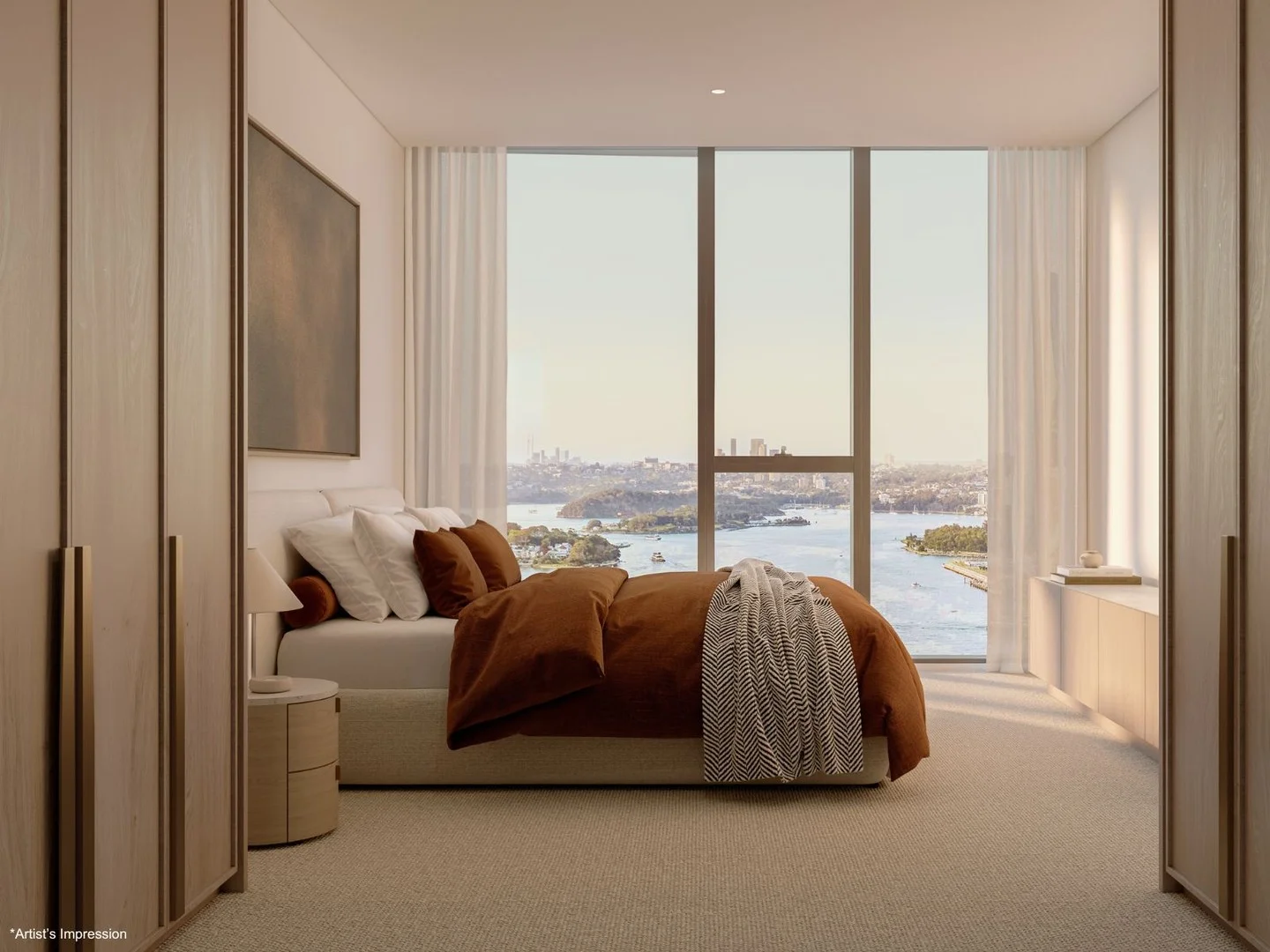 $8,630,000
propertyType.NEW APARTMENTS / OFF THE PLAN
$8,630,000
propertyType.NEW APARTMENTS / OFF THE PLAN
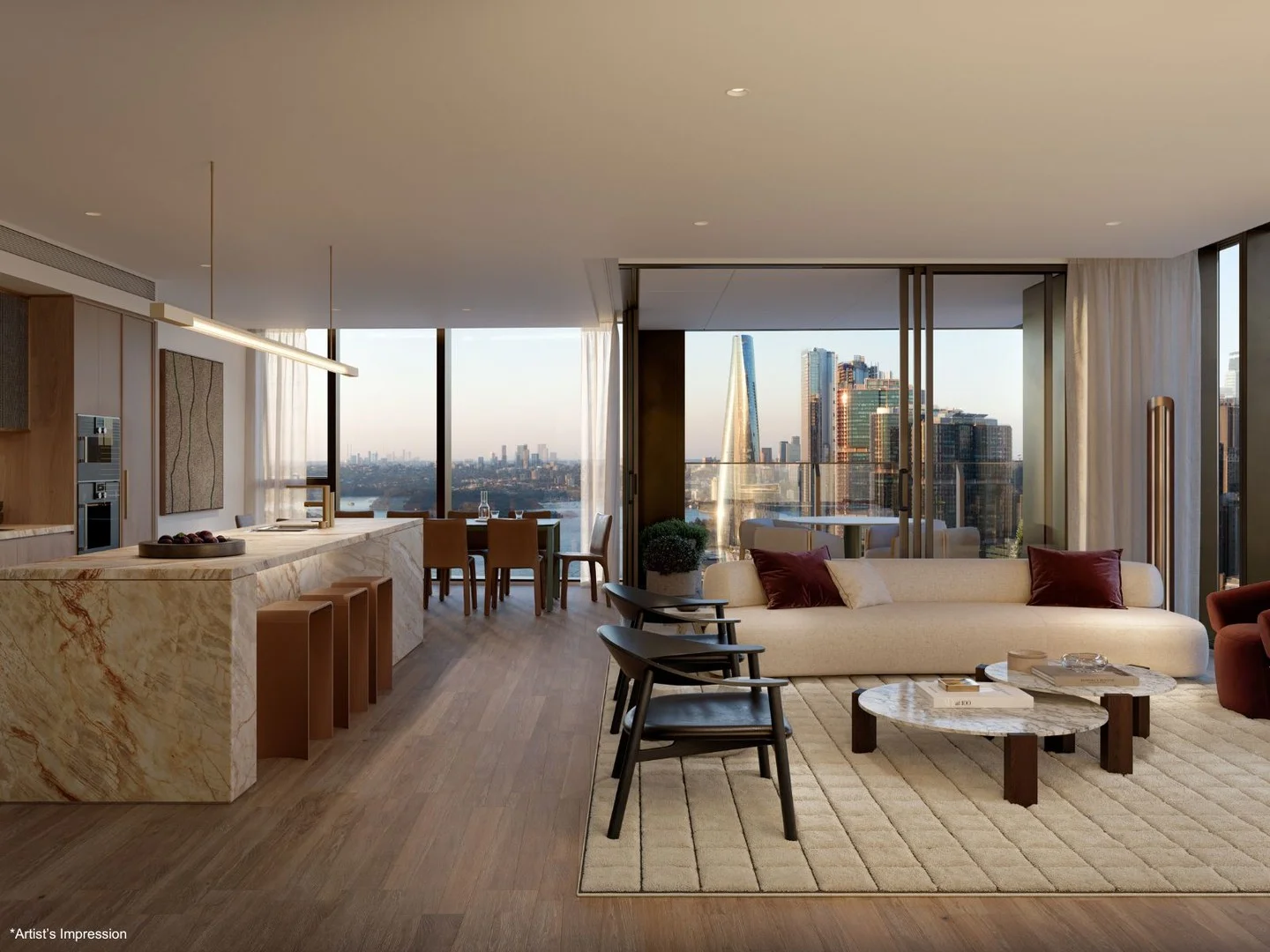 $12,980,000
propertyType.NEW APARTMENTS / OFF THE PLAN
$12,980,000
propertyType.NEW APARTMENTS / OFF THE PLAN
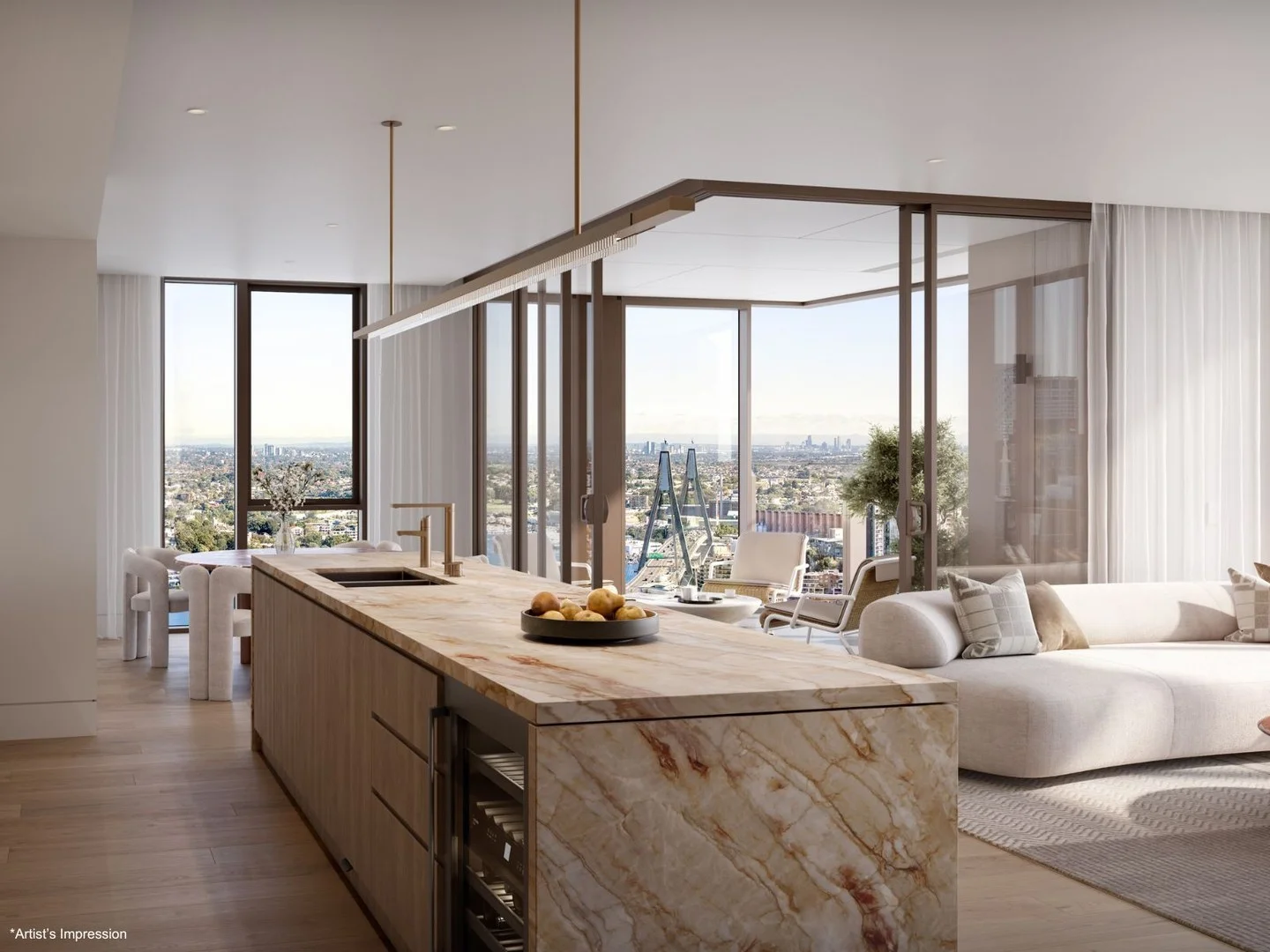 $9,020,000
propertyType.NEW APARTMENTS / OFF THE PLAN
$9,020,000
propertyType.NEW APARTMENTS / OFF THE PLAN
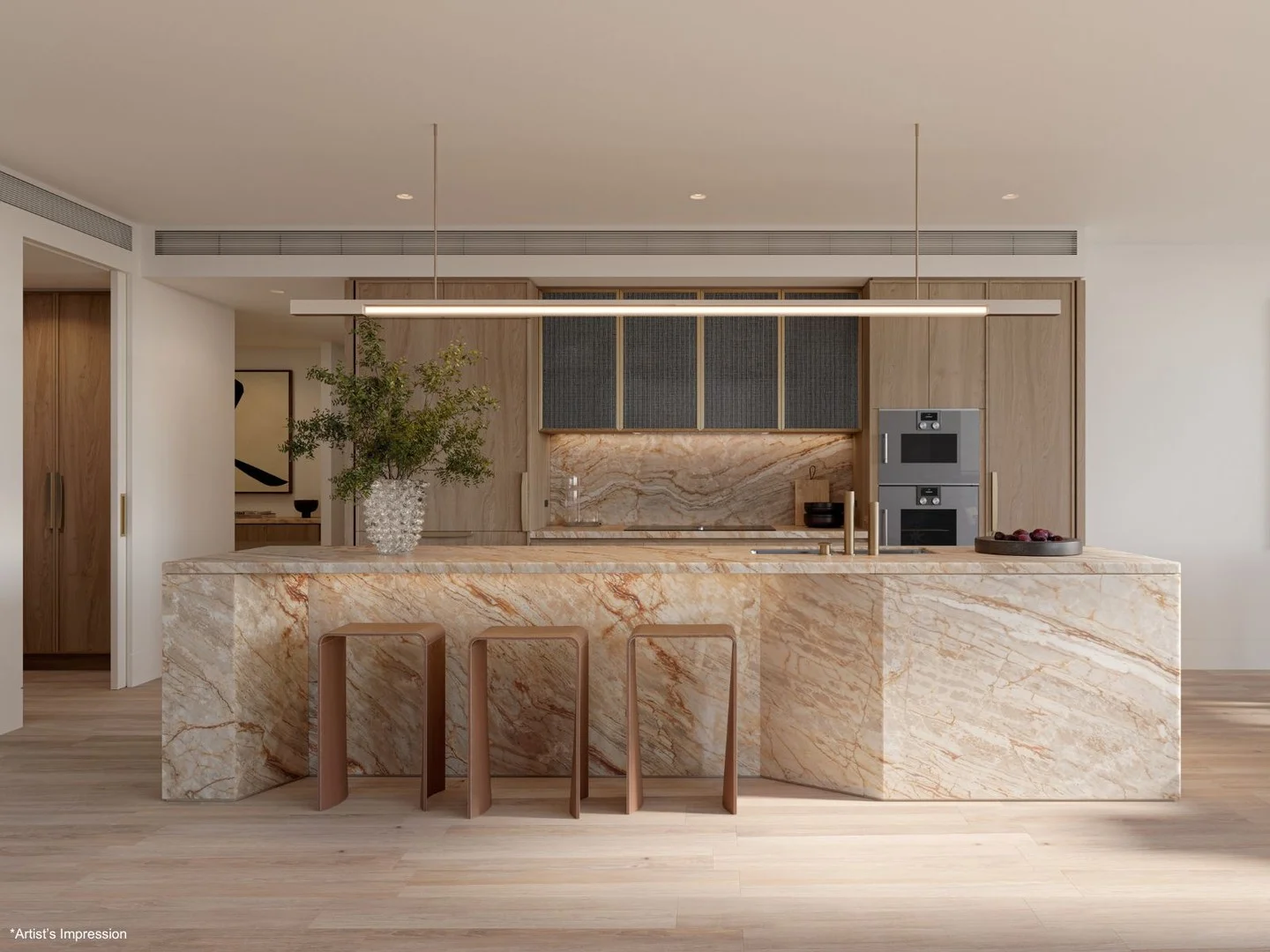 $6,225,000
propertyType.NEW APARTMENTS / OFF THE PLAN
$6,225,000
propertyType.NEW APARTMENTS / OFF THE PLAN
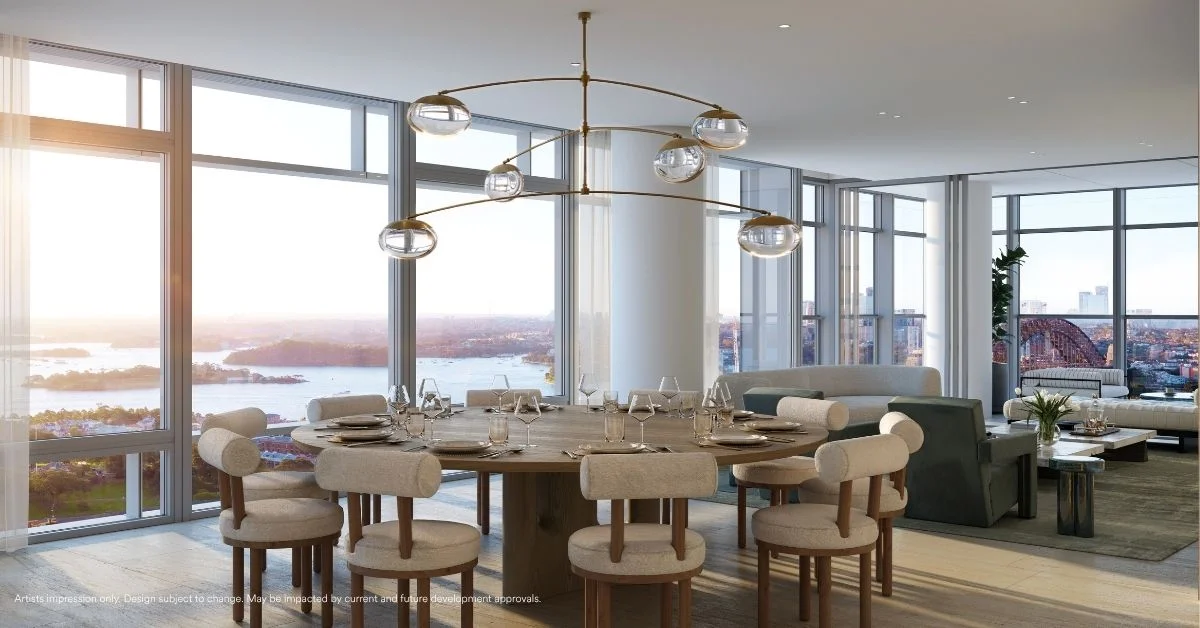 $26,550,000
propertyType.NEW APARTMENTS / OFF THE PLAN
$26,550,000
propertyType.NEW APARTMENTS / OFF THE PLAN
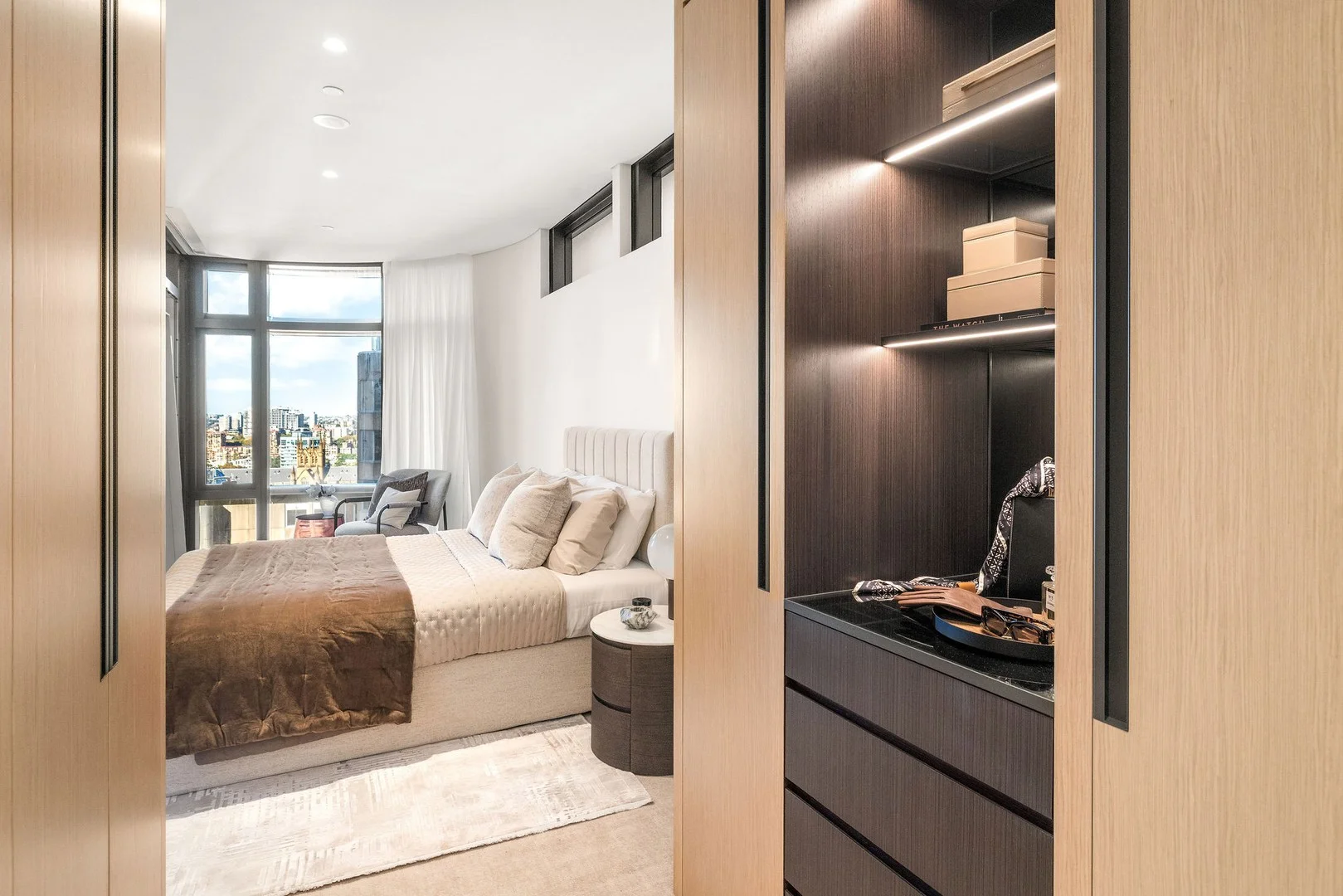 $2,745,000
propertyType.NEW APARTMENTS / OFF THE PLAN
$2,745,000
propertyType.NEW APARTMENTS / OFF THE PLAN


