Overview
## 1. Overview
St Mark’s Catholic Primary School in Drummoyne offers a faith-based primary education within a supportive, community-driven environment. As a Catholic school, it aims to foster academic growth alongside character formation, with a focus on service, respect, and inclusion. The school typically operates as a medium-sized community, with class sizes that provide opportunities for individual attention and personalized learning, in an atmosphere described as nurturing and inclusive.
The school emphasises strong partnerships between families, parish, and staff to support students’ academic progress and wellbeing. It seeks to balance faith formation with a well-rounded program that encourages participation in a broad range of learning experiences inside and outside the classroom.
## 2. Academics & Learning
- Academic strengths: core literacy and numeracy programs, integrated STEM activities, and a robust Religious Education component. The school also places emphasis on developing leadership, critical thinking, and strong literacy and language skills.
- Special programs: opportunities for enrichment and acceleration where appropriate, plus targeted support for students needing extra help. Inclusive practices support diverse learners and gifted/talented pathways may be available.
- NAPLAN / trends: schools typically track progress over time, aiming for steady improvement in key areas such as reading, writing, and numeracy. Look for the latest annual school report for current trend information.
- Student-teacher ratios: class sizes generally fall in the low-to-mid 20s, with a student-teacher ratio that supports small-group learning and individual attention.
- Support for diverse learners: dedicated EAL/D support where needed, plus SEN support and inclusive teaching approaches to help students with varying needs participate fully.
## 3. Sports & Extracurricular Strengths
- Sports offered: a range of team and individual sports across terms, including soccer, basketball, cricket, netball, and athletics, with opportunities for intra- and inter-school competition.
- Strong teams or achievements: active participation in local competitions and inter-school events, with emphasis on teamwork, sportspersonship, and personal development.
- Music, arts, drama programs: school music programs, choirs or ensembles, drama or theatre activities, and opportunities to perform in school productions.
- Clubs: robotics, chess, coding, debating, environmental or sustainability clubs, and other enrichment activities that run alongside the core curriculum.
- Partnerships: connections with local clubs, community organisations, and regional competitions to extend opportunities beyond the classroom.
## 4. Wellbeing & Pastoral Care
- Anti-bullying approach: clear policies and supportive practices, often including restorative approaches and ongoing wellbeing education.
- House system: a house structure that fosters belonging, peer support, and healthy competition across teams and activities.
- Counsellors / wellbeing officers: access to school wellbeing staff or counselling services to support students’ social and emotional needs.
- Transition support for new students: orientation activities, buddy systems, and targeted induction to help new students settle in smoothly.
## 5. Facilities
- Sports grounds: dedicated play and sports fields or courts for Physical Education and team sports.
- Libraries: well-stocked libraries with spaces for study, reading, and research.
- Science labs: age-appropriate science facilities to support hands-on experiments and inquiry-based learning.
- Music/performing arts centers: spaces for music, drama, and performances to enhance arts education.
- Tech/innovation labs: classrooms or labs focused on ICT, coding, robotics, and digital projects.
- Cafeteria: on-site dining facilities or canteen for daily meals and lunch orders.
- Updated playgrounds: modern, safe outdoor play areas and equipment.
## 6. School Values & Community Culture
- School values / mission: faith-informed education emphasising respect, service, integrity, and community.
- Leadership style: collaborative and communicative, with emphasis on teacher-student relationships and parent partnership.
- Behaviour expectations: clear codes of conduct with consistent expectations across year levels and supportive disciplinary approaches.
- Community reputation: strong links with the parish and local families, with active parent involvement and a supportive, welcoming culture.
- Diversity & inclusion: welcoming to families from diverse backgrounds, with inclusive practices and equitable access to learning opportunities.
## 7. School Logistics & Daily Operations
- School hours: typical daily schedule starts in the morning and finishes in the afternoon; exact times vary by year level and term.
- Before/after school care: options often available through on-site or nearby providers, with supervision before and after the school day.
- Uniform requirements: formal school uniform policy with specifics on daily wear and approved accessories.
- Transport: access via local bus routes and public transport; drop-off and pick-up zones established to support safe student movement.
- Canteen availability: on-site canteen or lunch-order system offering a range of meals and snacks.
- Fees: fees fall into a medium range for primary Catholic schools, covering tuition,levies, and activities; additional costs may include uniforms, excursions, and contributions.
## 8. Enrolment & Admissions
11. What is the enrolment process and timeline?
- Begin with an information session or school open day.
- Complete the online or paper enrolment application and submit required documents (birth certificate, immunisation details, proof of address, etc.).
- Attend information sessions or interviews as part of the process.
- Submit supporting documents and confirm your place by the specified deadline; deadlines vary by intake year.
12. Is there a waiting list, and how does it work?
- Many intakes operate with a waiting list when applications exceed available places.
- Priority for places can be given to local families, siblings of current students, parishioners, or other factors according to the school’s enrolment policy.
- Waiting list placement is typically determined by submission date and eligibility criteria.
13. Are there any entry requirements, tests, or interviews?
- Some schools conduct interviews or conversations with prospective families and students.
- Readiness conversations or assessments may occur to understand learning needs and to plan supports.
- Documentation (birth certificate, immunisations, residence proof, previous school records) is usually required.
14. Does the school accept mid-year transfers?
- Mid-year transfers are possible if vacancies exist and all enrolment requirements are met.
- Transfer requires submission of student records from the current school, as well as any local statutory or system requirements.
## 9. Frequently Asked Questions
- Why Parents Choose This School?
- A values-driven Catholic education, strong sense of community, supportive staff, and a holistic approach to learning that balances academics, faith, and wellbeing.
- What type of student thrives at this school?
- Students who are engaged in faith-based values, enjoy a collaborative learning environment, and participate in a broad range of academic, arts, and sports activities.
- What opportunities are available for students to extend their skills (academics, sports, arts)?
- Enrichment programs, leadership opportunities, after-school clubs (robotics, chess, coding, debating), music and drama, and competitive sports teams.
- How does the school communicate with parents?
- Regular newsletters, emails, school app or portal updates, parent-teacher interviews, and annual or termly reports.
- What is the school’s approach to teaching and learning?
- A balanced, student-centered approach that combines explicit teaching in literacy and numeracy with inquiry-based learning, faith formation, and differentiated instruction.
- How does the school support students who need extra academic help?
- Small-group tutoring or targeted support within the classroom, EAL/D assistance, and SEN support as part of inclusive teaching practices.
- What support is available for academic challenges?
- Early identification, tailored learning plans, teacher collaboration with specialist staff, and access to resources to help students meet their targets.
- How does the school communicate with parents?
- See above: multi-channel communication including newsletters, portals, and direct teacher contact.
- What are the class sizes and how much individual attention do students receive?
- Class sizes are typically in the low-to-mid 20s, with teachers able to provide targeted feedback and small-group activities to support individual learning needs.
- What extracurricular and sports opportunities are available?
- A range of sports across seasons, plus arts, music, drama, robotics, chess, coding, debating, and other clubs to broaden skills outside the classroom.
- What facilities does the school offer (sports, science, arts)?
- Sports grounds, libraries, science laboratories, music/performing arts spaces, ICT/tech labs, a canteen, and well-designed outdoor play areas.
- What is the school’s approach to technology and digital learning?
- Integrated ICT and digital learning across the curriculum, with safe and age-appropriate use of devices and online resources.
- What transport and accessibility options are available?
- Access to local bus routes and public transport; designated drop-off/pick-up zones; accessible facilities where applicable.
- What are the typical school fees or additional costs?
- Fees generally reflect a medium range for primary Catholic schools, with potential extras for uniforms, excursions, and optional activities.
## 10. Short Pros & Cons list
Pros
- Faith-based education with a strong sense of community and values
- Supportive and approachable staff
- Broad academic program balanced with arts, sports, and wellbeing
- Inclusive environment with support for diverse learners
- Engaged parent involvement and parish connections
Cons / Considerations
- Class sizes in the low-to-mid 20s; high demand can lead to waiting lists
- Fees and optional costs beyond tuition may vary by year and activity
- Availability of certain programs or enrichment opportunities may depend on staffing and enrolment levels
- Transport and commute considerations for families living farther away
- Details such as exact start times, uniform specifics, and current extracurricular offerings can change; verify with the school for the latest information








 $12,980,000
propertyType.NEW APARTMENTS / OFF THE PLAN
$12,980,000
propertyType.NEW APARTMENTS / OFF THE PLAN
 $8,630,000
propertyType.NEW APARTMENTS / OFF THE PLAN
$8,630,000
propertyType.NEW APARTMENTS / OFF THE PLAN
 $6,225,000
propertyType.NEW APARTMENTS / OFF THE PLAN
$6,225,000
propertyType.NEW APARTMENTS / OFF THE PLAN
 $9,020,000
propertyType.NEW APARTMENTS / OFF THE PLAN
$9,020,000
propertyType.NEW APARTMENTS / OFF THE PLAN
 $26,550,000
propertyType.NEW APARTMENTS / OFF THE PLAN
$26,550,000
propertyType.NEW APARTMENTS / OFF THE PLAN
 $2,824,000
Apartment / Unit / Flat
$2,824,000
Apartment / Unit / Flat
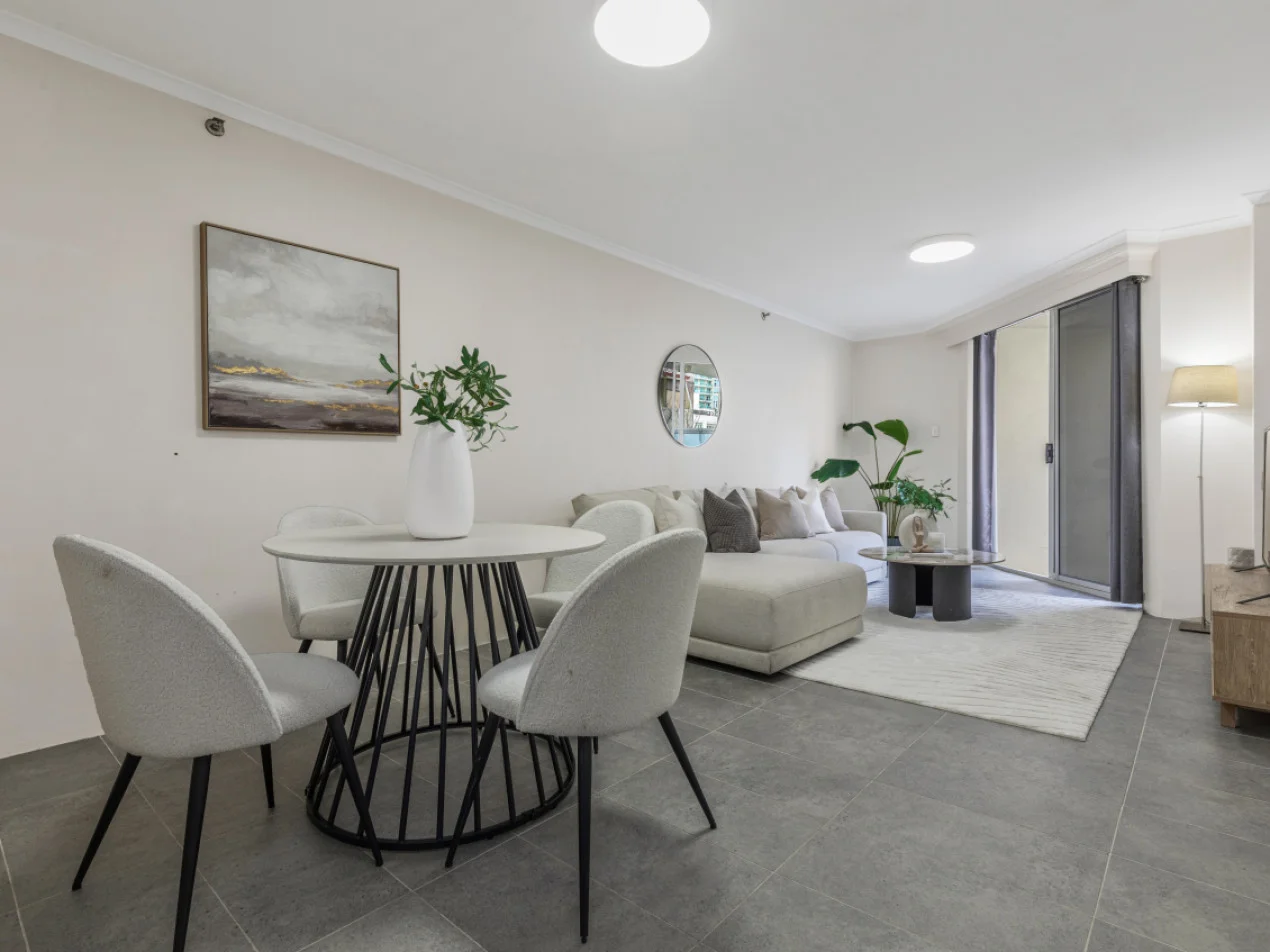 $640,000 - $675,000
Apartment / Unit / Flat
$640,000 - $675,000
Apartment / Unit / Flat
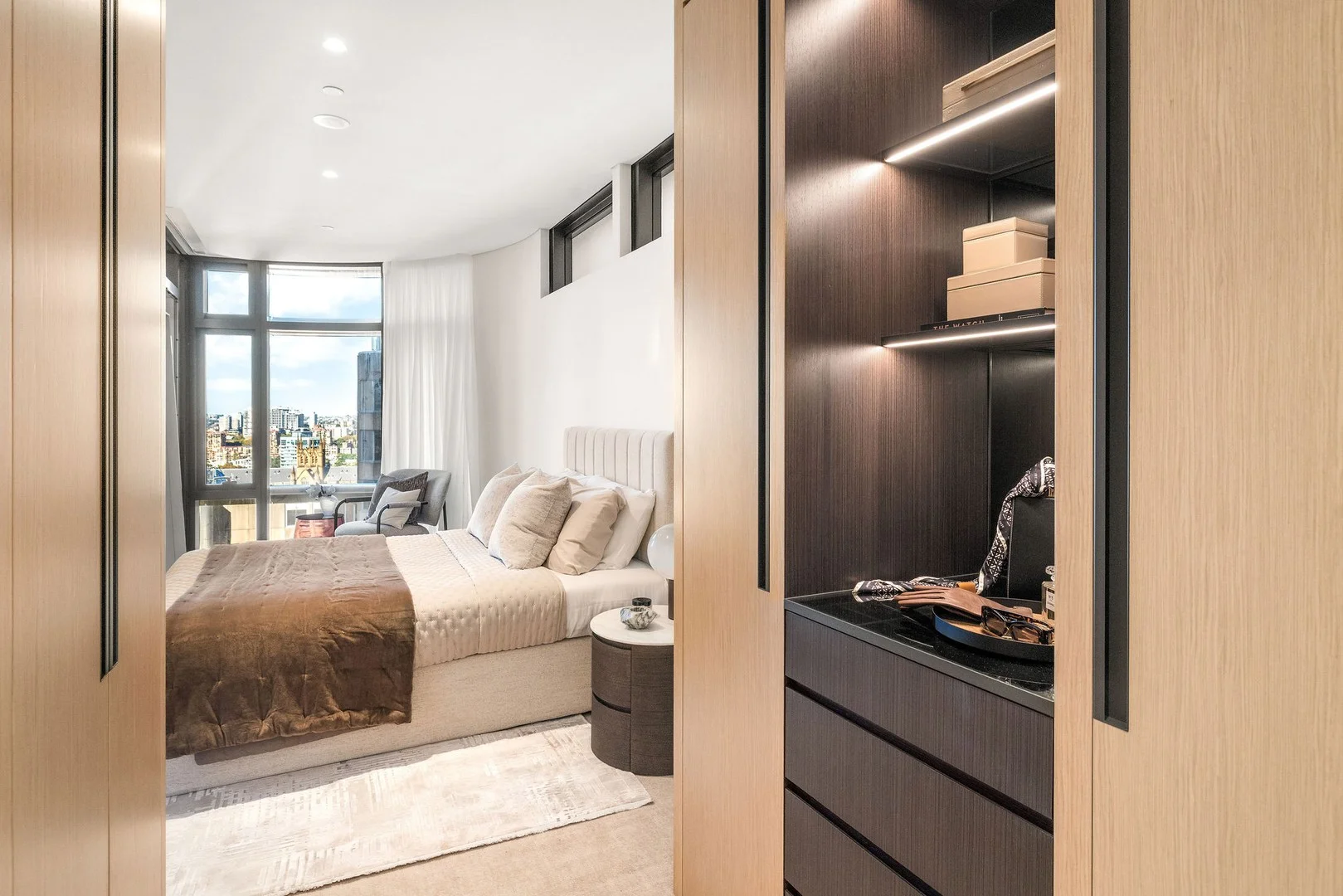 $2,745,000
propertyType.NEW APARTMENTS / OFF THE PLAN
$2,745,000
propertyType.NEW APARTMENTS / OFF THE PLAN
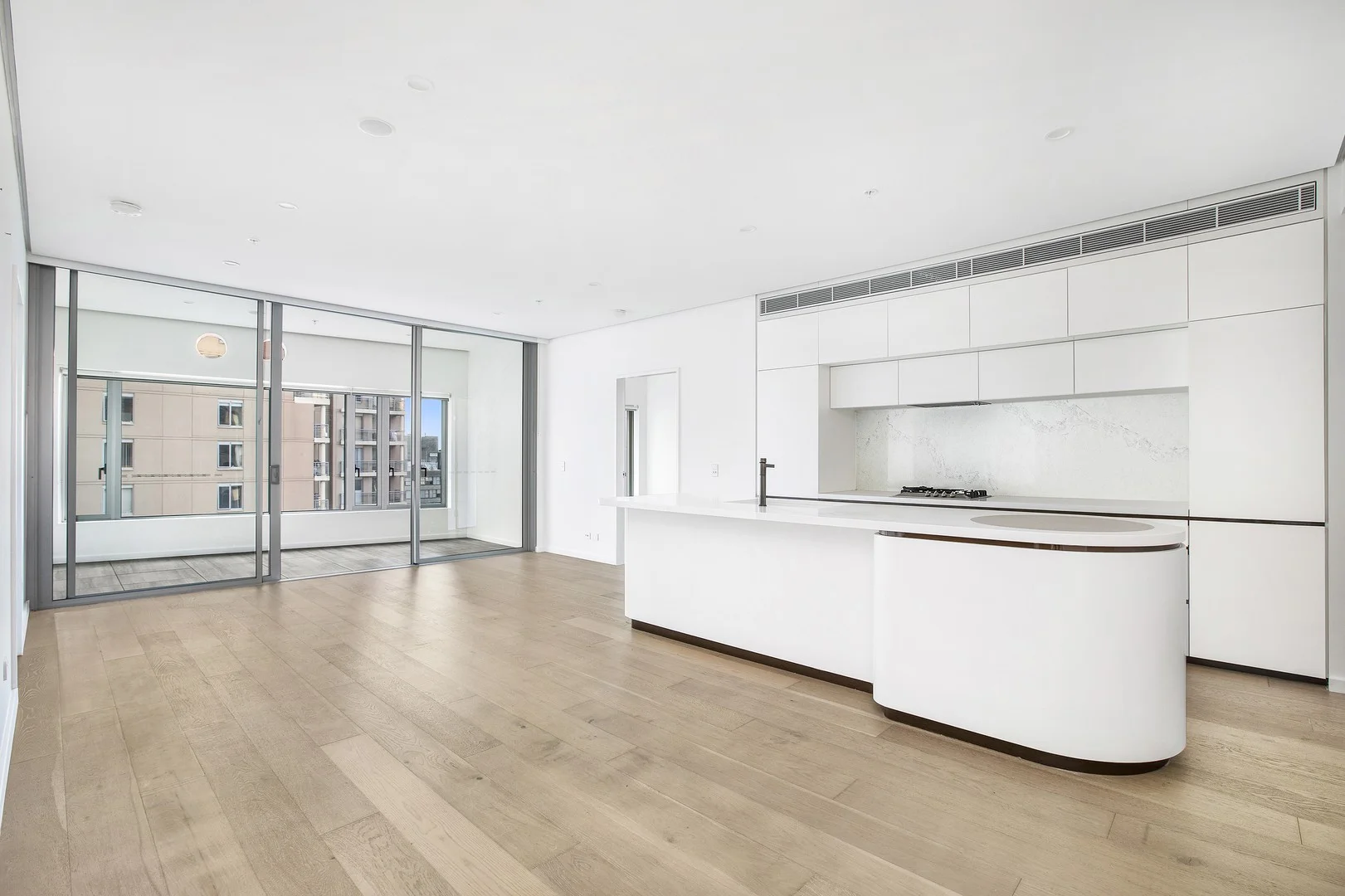 $2,250,000
Apartment / Unit / Flat
$2,250,000
Apartment / Unit / Flat