Overview
## Overview
St Mel’s Catholic Primary School, Campsie is a Catholic co-educational primary school offering a faith-based learning community in Campsie, NSW. The school focuses on nurturing the whole child within a supportive, inclusive environment and aims to develop strong academic foundations alongside values-based learning.
The school is a medium-sized community with class sizes typically in the low-to-mid 20s. The atmosphere emphasises care, cooperation, and active participation in both academic and faith-based activities, creating a balanced environment where students can grow socially, emotionally, and academically.
⸻
## Academics & Learning
- Academic strengths: Literacy and numeracy foundations, with a strong emphasis on Religious Education and values-based learning. Digital literacy and critical thinking are integrated across key learning areas.
- Special programs: Leadership opportunities, opportunities for gifted and talented learners, and targeted support for diverse learners (including EAL and SEN supports) to help students reach individual potential.
- NAPLAN / trends: NSW primary schools commonly show steady improvement in literacy and numeracy outcomes over time; Catholic schools often report consistent progress in reading, writing, and numeracy alongside school-based improvement initiatives.
- Student-teacher ratios: Typically around 1:20 to 1:23, supporting more personalised attention in classrooms.
- Support for diverse learners: Dedicated supports for EAL students and students with additional learning needs, including teacher aides and inclusive education plans where applicable.
⸻
## Sports & Extracurricular Strengths
- Sports offered: Soccer, netball, rugby league, cricket, athletics, and other school sport activities reflective of NSW patterns.
- Strong teams or achievements: Participation in local and district-level competition options; emphasis on teamwork, fair play, and skill development.
- Music, arts, drama: School ensembles and performing arts experiences; regular music sessions, choir, and opportunities to participate in school productions.
- Clubs: Robotics, chess, coding, debating, and other interest-based clubs to support inquiry and critical thinking.
- Partnerships: Collaboration with local clubs, diocesan activities, and community events to enhance opportunities beyond the classroom.
⸻
## Wellbeing & Pastoral Care
- Anti-bullying approach: Clear policies and proactive programs to promote respectful behaviour, students’ well-being, and a safe school culture.
- House system: A house-based framework that supports pastoral care, leadership opportunities, and a sense of belonging.
- Counsellors / wellbeing officers: Access to wellbeing staff to support social-emotional development, anxiety management, and resilience.
- Transition support for new students: Orientation activities, buddy systems, and targeted transition support to help new students settle in smoothly.
⸻
## Facilities
- Sports grounds: Accessible fields and courts supporting outdoor physical education and sport.
- Libraries: A library space that supports reading for pleasure and research.
- Science labs: Dedicated spaces for hands-on science activities.
- Music/performing arts centers: Areas for music education, rehearsals, and performances.
- Tech/innovation labs: Facilities to support digital learning, coding, and project work.
- Cafeteria: On-site canteen for recess and lunch periods.
- Updated playgrounds: Well-designed outdoor play areas to encourage active play and social interaction.
⸻
## School Values & Community Culture
- School values / mission: Catholic faith-informed mission emphasising service, respect, responsibility, and community.
- Leadership style: Collaborative and servant-leadership approaches that involve student voices in appropriate leadership roles.
- Behaviour expectations: Clear expectations aligned with school values, consistent routines, and positive reinforcement.
- Community reputation: Strong parish and local community connections, with families encouraged to engage in school life.
- Diversity & inclusion: Commitment to a welcoming environment that respects cultural and individual differences and supports inclusive education.
⸻
## School Logistics & Daily Operations
- School hours: Typical daytime schedule with start and finish times aligned to NSW primary school norms.
- Before/after school care: Availability of before and after school care options or programs.
- Uniform requirements: Regular school uniform with seasonal options; clear guidelines for formal and sports uniforms.
- Transport (train/bus routes): Access to local bus services and proximity to public transport; school may provide guidance on efficient routes for families.
- Canteen availability: On-site canteen or cafeteria services during breaks.
- Fees (low/medium/high ranges): Fees are in the moderate range for NSW Catholic primary schools, with potential family discounts or parish-related subsidies; additional costs are typically for excursions and some activities.
⸻
## Enrolment & Admissions
11. What is the enrolment process and timeline?
- Check catchment or eligibility, prepare required documents (proof of identity, baptism certificate or parish reference where applicable, academic records if transferring), submit an online or paper application, and participate in any information sessions or interviews. Offers are made in line with the school’s intake timeline, with orientation for new families prior to the start of the school year or term.
12. Is there a waiting list, and how does it work?
- Many Catholic primary schools operate with a waitlist in busy intake years. The waitlist is typically managed by order of application, sibling status, parish connections, and available vacancies. Families on the list are contacted if a place becomes available.
13. Are there any entry requirements, tests, or interviews?
- Admissions often involve an interview or information session, and may require documents such as baptism certificates and parish references. Formal entrance exams for primary year levels are not common; assessment is usually around readiness and fit with the school’s programs and culture.
14. Does the school accept mid-year transfers?
- Yes, mid-year transfers are often accommodated if there are vacancies, subject to meeting enrolment criteria and coordinating with the school to ensure a smooth transition for the student.
⸻
## Frequently Asked Questions
- Why Parents Choose This School?
- A values-based Catholic education in a nurturing, inclusive environment with strong pastoral care and a focus on community.
- What type of student thrives at this school?
- Students who respond well to a supportive, faith-informed culture, collaborative learning, and opportunities to contribute to school life through leadership and service.
- What opportunities are available for students to extend their skills (academics, sports, arts)?
- Access to leadership roles, enrichment programs, clubs (robotics, coding, debating), arts and music programs, and a range of sports and competitive opportunities.
- How does the school communicate with parents?
- Regular newsletters, digital platforms for updates and assignments, parent-teacher meetings, and open channels with class teachers and the leadership team.
- What is the school’s approach to teaching and learning?
- A balanced approach combining strong literacy and numeracy instruction with faith-based education, project-based learning, and opportunities for inquiry and collaboration.
- How does the school support students who need extra academic help?
- Targeted support through classroom differentiation, specialist staff for EAL and SEN, and access to teacher aides and small-group interventions.
- What support is available for academic challenges?
- Early identification, individualized support plans, and close collaboration with families to monitor progress and adapt strategies.
- How does the school communicate with parents? (Duplicate)
- See above: regular posts, digital platforms, and scheduled meetings.
- What are the class sizes and how much individual attention do students receive?
- Class sizes typically around 20–25 students, with a focus on providing opportunities for individual feedback and teacher support.
- What extracurricular and sports opportunities are available?
- A range of sports (soccer, netball, rugby league, cricket), and clubs such as robotics, chess, coding, debating, plus music and arts programs.
- What facilities does the school offer (sports, science, arts)?
- Sports grounds, library, science labs, music/performing arts spaces, tech/innovation labs, canteen, and updated playgrounds.
- What is the school’s approach to technology and digital learning?
- Integrated digital literacy across the curriculum, use of devices and online resources to support learning, and age-appropriate technology practices.
- What transport and accessibility options are available?
- Local transport options (bus/train) guidance for families; proximity to public transport and safe drop-off/pick-up arrangements.
- What are the typical school fees or additional costs?
- Fees are in the moderate range for NSW Catholic primary schools; there may be additional costs for excursions, books, uniforms, and optional activities.
⸻
## Short Pros & Cons list
- Pros
- Catholic ethos with a values-based, nurturing learning environment
- Medium-sized community enabling some personalised attention
- Strong pastoral care and focus on well-being
- Broad range of clubs, sports, arts, and leadership opportunities
- Inclusive approach with support for diverse learners
- Cons
- Like many private/Catholic schools, fees are applicable and may be a consideration for some families
- Transport options may require reliance on local routes or adjustments for some families
- Availability of mid-year places depends on vacancies and the year level
⸻
Note: Enrolment specifics, facilities, and programs can vary by year and intake. For the most accurate details, please contact the school admissions team to confirm current offerings, timings, and requirements.






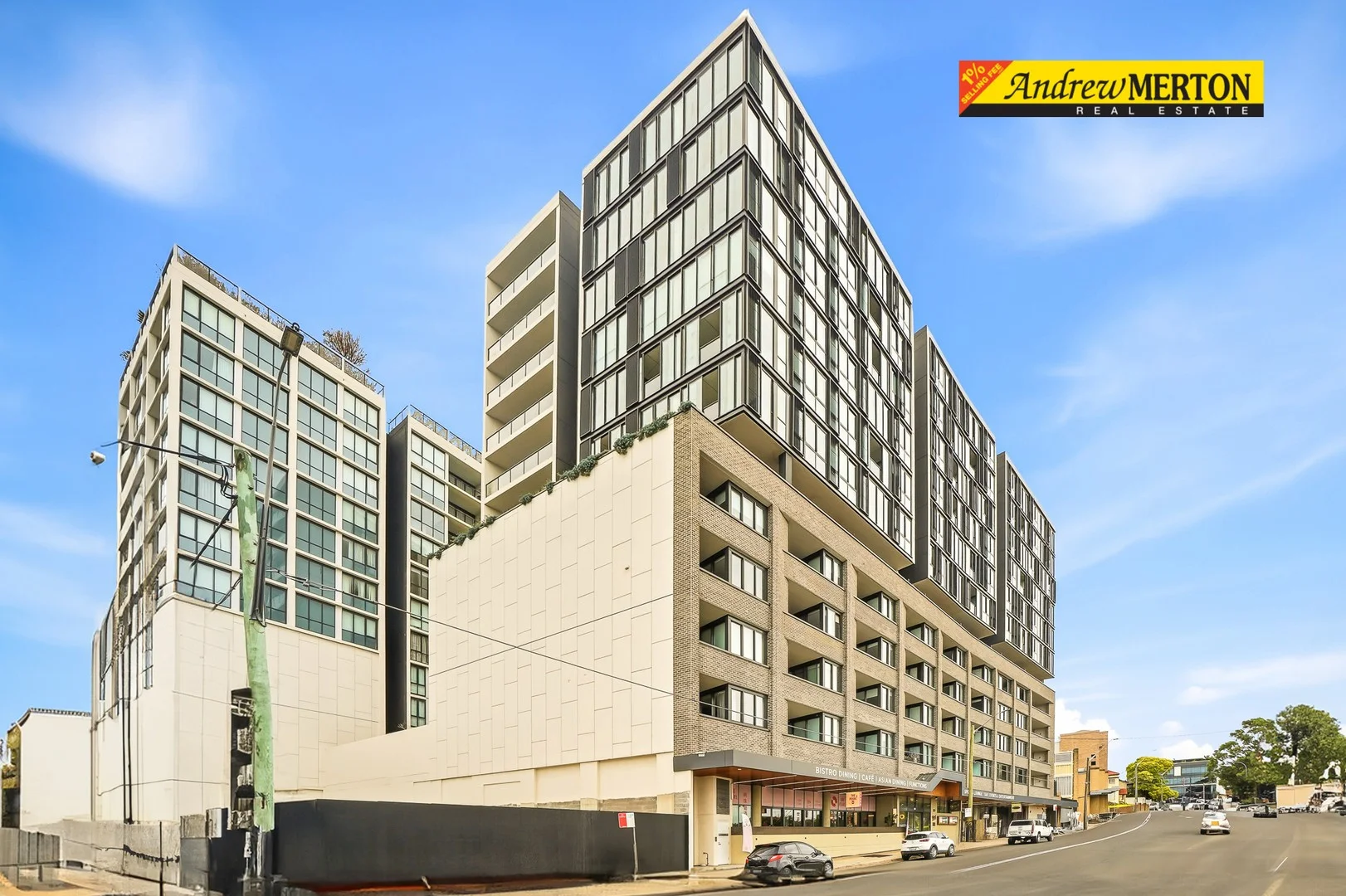 $665,000
Apartment / Unit / Flat
$665,000
Apartment / Unit / Flat
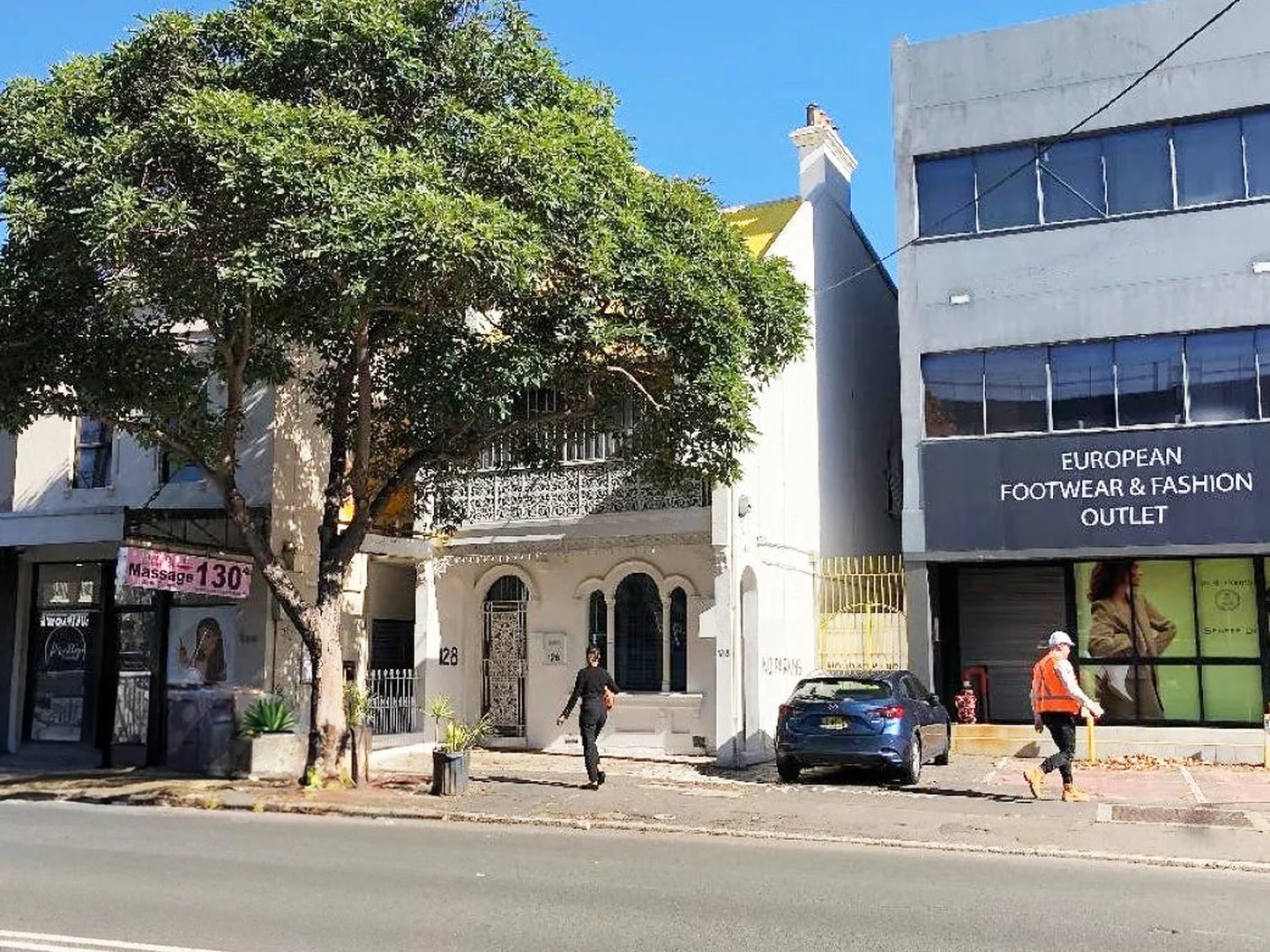 $3,900,000
House
$3,900,000
House
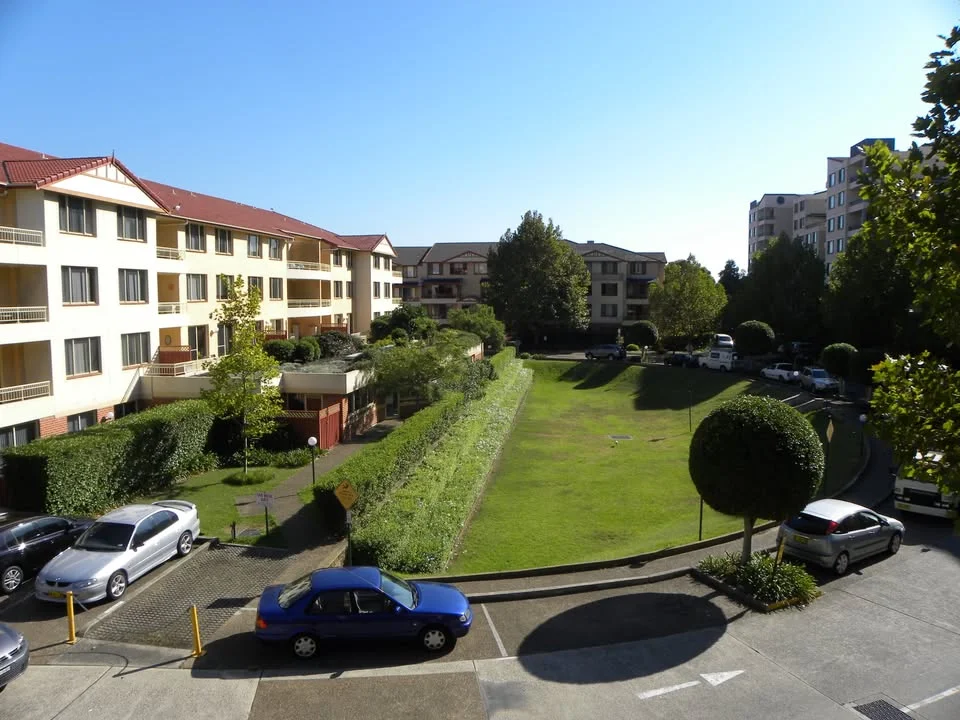 $990
Apartment / Unit / Flat
$990
Apartment / Unit / Flat
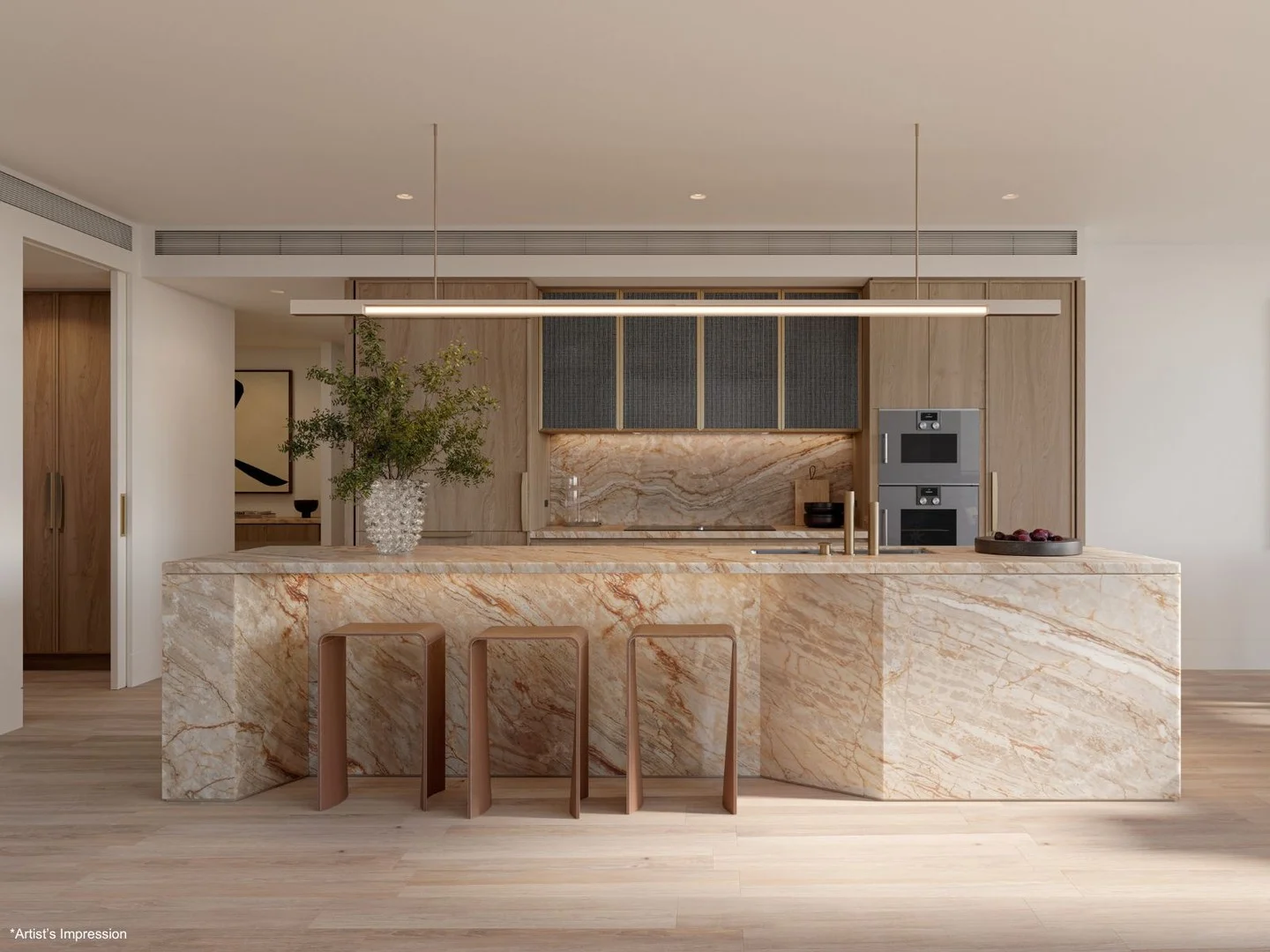 $6,225,000
propertyType.NEW APARTMENTS / OFF THE PLAN
$6,225,000
propertyType.NEW APARTMENTS / OFF THE PLAN
 $12,980,000
propertyType.NEW APARTMENTS / OFF THE PLAN
$12,980,000
propertyType.NEW APARTMENTS / OFF THE PLAN
 $9,020,000
propertyType.NEW APARTMENTS / OFF THE PLAN
$9,020,000
propertyType.NEW APARTMENTS / OFF THE PLAN
 $8,630,000
propertyType.NEW APARTMENTS / OFF THE PLAN
$8,630,000
propertyType.NEW APARTMENTS / OFF THE PLAN
 $640,000 - $675,000
Apartment / Unit / Flat
$640,000 - $675,000
Apartment / Unit / Flat
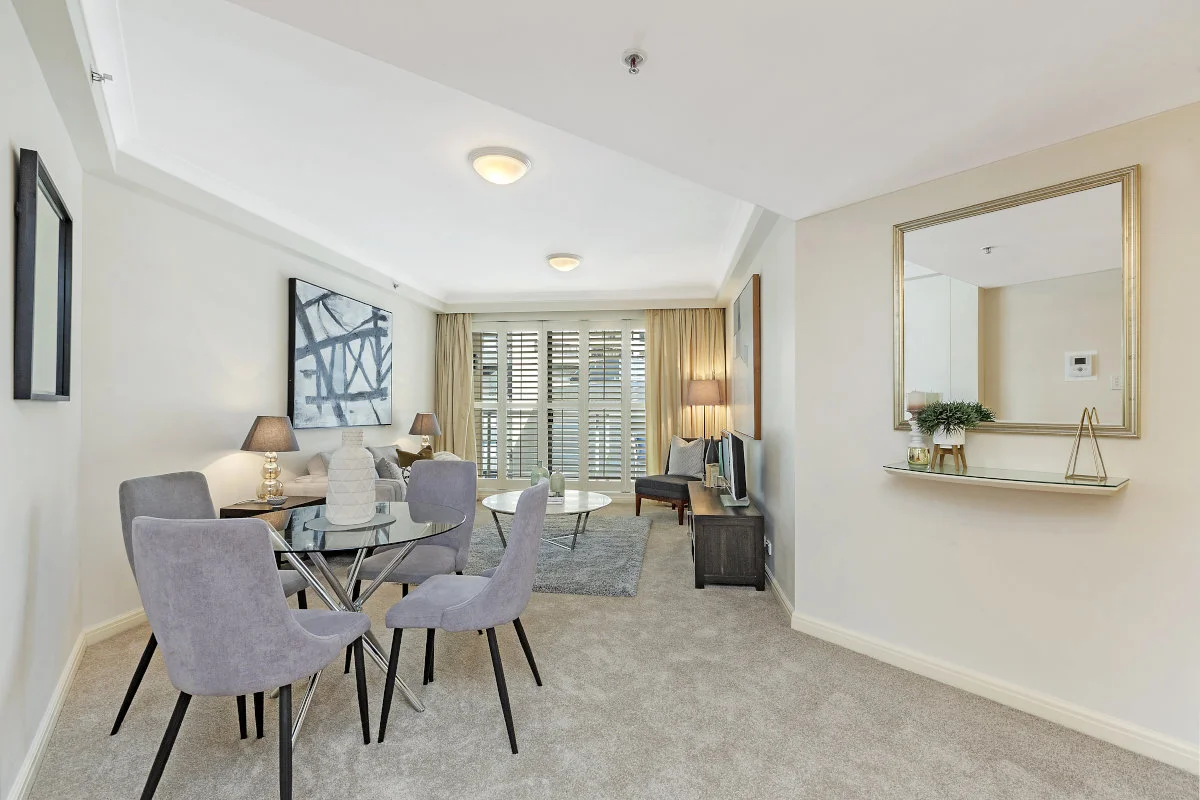 $660,000 - $725,000
Apartment / Unit / Flat
$660,000 - $725,000
Apartment / Unit / Flat


