Overview
## 1. Overview (1–2 paragraphs max)
St Therese’s Catholic Primary School in Lakemba is a Catholic, parish-based primary school that focuses on faith-led learning, community values and holistic development. The school aims to create a welcoming and inclusive environment for a diverse local community, where students grow academically, spiritually and socially.
With a medium-sized campus and class structures typically around 20–25 students, the school emphasises supportive teacher–student relationships and differentiated learning. The atmosphere is generally described as nurturing, inclusive and community-centric, blending academic expectations with strong pastoral care and faith-based values.
---
## 2. Academics & Learning
- Academic strengths: Strong literacy and numeracy foundations, with emphasis on STEM concepts, critical thinking and effective communication. English, mathematics and religious education are integrated with broader learning to support well-rounded development. Language learning (LOTE) is commonly offered to broaden student opportunities.
- Special programs: Gifted and Talented/extension opportunities, digital literacy and coding, and targeted enrichment within the curriculum. Catholic identity and values-based education run alongside core subjects to foster character development.
- NAPLAN / trends: Generally positive trends over recent years, with steady improvements or stable performance in reading and numeracy; ongoing support to address any gaps and to sustain progress across key domains.
- Student-teacher ratios: Class sizes commonly in the low-to-mid 20s, with dedicated teachers and teacher aides where appropriate to support learning and individual needs; typical overall ratio around 1:15–1:20 in practice.
- Support for diverse learners: EAL support for students learning English as an additional language; targeted support for students with additional learning needs (SEN) through a learning support team and differentiated instruction.
---
## 3. Sports & Extracurricular Strengths
- Sports offered: Soccer, rugby league, cricket, netball, basketball and athletics are common offerings; swimming programs and inter-school events may also be part of the extra-curricular mix.
- Strong teams or achievements: Participation in district and inter-school competitions with opportunities for school-level recognition across teams and events.
- Music, arts, drama programs: Inclusive music education, choir, school performances and opportunities to engage in drama and a range of arts activities.
- Clubs: Robotics, chess, coding, debating and other interest-based clubs to extend learning beyond the classroom.
- Partnerships: Connections with local community clubs, diocese-run programs and regional competitions to broaden exposure and opportunities in sport, arts and STEM.
---
## 4. Wellbeing & Pastoral Care
- Anti-bullying approach: Clear policies and programs focused on creating safe, respectful environments; restorative practices and ongoing education around wellbeing.
- House system: A house-based structure to build community, leadership and friendly competition (e.g., groups named after saints or local values).
- Counsellors / wellbeing officers: Access to school-based counselling or wellbeing support to help students with social, emotional and academic needs.
- Transition support for new students: Buddy programs, orientation sessions and transitional activities to help new entrants settle in smoothly.
---
## 5. Facilities
- Sports grounds: Adequate outdoor spaces for daily activity and inter-school sports.
- Libraries: Well-equipped library to support literacy and independent reading.
- Science labs: Dedicated spaces for hands-on science experiments and inquiry-based learning.
- Music/performing arts centers: Facilities to support music education, performances and drama.
- Tech/innovation labs: Computer/ICT spaces and resources to support digital learning and coding.
- Cafeteria: School canteen or cafe-style facilities for meals and snacks.
- Updated playgrounds: Modern, safe playgrounds and play areas for recreation and active play.
(Visual and simple presentation helps parents picture daily life; if available, add quick highlights like "air-conditioned classrooms" or "interactive whiteboards" in a separate line.)
---
## 6. School Values & Community Culture
- School values / mission: Faith-centered education grounded in Catholic values such as compassion, respect, responsibility and service to others.
- Leadership style: Collaborative and servant leadership approach, with opportunities for student leadership and participation in school life.
- Behaviour expectations: Clear code of conduct emphasizing respect, responsibility, and positive relationships; consistent routines and restorative approaches where needed.
- Community reputation: Perceived as a welcoming, faith-based school with a strong sense of community and family involvement.
- Diversity & inclusion: Commitment to diversity and inclusive practices that welcome families from different backgrounds and support equity in learning opportunities.
---
## 7. School Logistics & Daily Operations
- School hours: Core day typically runs mid-morning to mid-afternoon; exact times may vary by year group and term. Start/end times are supported by family-friendly scheduling.
- Before/after school care: Typically available through on-site or partner providers to support working families.
- Uniform requirements: A formal uniform policy with specified items and restricted variations; details issued by the school each year.
- Transport (train/bus routes): Accessible via local public transport options and bus routes; local walking zones and drop-off arrangements for safety.
- Canteen availability: Canteen or lunch program available to provide meals and snacks; procedures for ordering or meal times are communicated by the school.
- Fees (low/medium/high ranges): Fee expectations are typically moderate for Catholic primary schools, with charges covering tuition, resources, excursions and uniform costs; exact figures provided by the school.
---
## 8. Enrolment & Admissions
- 11. What is the enrolment process and timeline?
- Submit an application during the school’s enrolment period, often with information sessions or open days.
- Families may be invited to interviews or information meetings.
- Offers are issued based on availability and the school’s enrolment priorities; once offered, families complete acceptance and enrollment steps within a defined timeframe.
- Orientation or transition activities are sometimes scheduled before the new academic year.
- 12. Is there a waiting list, and how does it work?
- Yes, many Catholic primary schools maintain a waiting list when vacancies are not immediately available.
- Offers from the waiting list are made as spaces open, in order of priority determined by the school (and parish/diocesan policies), with periodic updates to families.
- 13. Are there any entry requirements, tests, or interviews?
- Most commonly, there may be an information session and an interview or meeting, particularly for parents and guardians.
- Some Catholic schools may consider baptism or parish involvement as part of enrolment preferences, but requirements vary; academic testing is not typically a primary requirement for primary-level enrolments.
- 14. Does the school accept mid-year transfers?
- Mid-year transfers are possible if space is available; families usually need to provide documentation (transcripts, records, immunisation history) and complete the school’s transfer process promptly to secure a place.
---
## 9. Frequently Asked Questions
- Why Parents Choose This School?
- A faith-based, values-driven education with a supportive community, strong pastoral care, and holistic development opportunities for children.
- What type of student thrives at this school?
- Students who value community, faith-based learning, consistent routines, respectful environments and opportunities to grow academically, socially and spiritually.
- What opportunities are available for students to extend their skills (academics, sports, arts)?
- Access to extended learning programs, gifted and talented options, a range of sports, arts, music and STEM clubs, and participating in inter-school events and competitions.
- How does the school communicate with parents?
- Through newsletters, parent portal/app, emails, SMS, parent-teacher interviews and regular updates on events and student progress.
- What is the school’s approach to teaching and learning?
- Student-centered, differentiated instruction with explicit teaching, ongoing assessment, integration of technology and faith-based values.
- How does the school support students who need extra academic help?
- Differentiated instruction, targeted intervention, small-group support, EAL assistance and access to learning support staff.
- What support is available for academic challenges?
- Early identification, targeted intervention plans, progress monitoring and collaboration with families to adjust teaching approaches.
- How does the school communicate with parents? (Repeated)
- See above: newsletters, portal/app, emails, calls, and formal parent-teacher meetings.
- What are the class sizes and how much individual attention do students receive?
- Typical class sizes are around 20–25 students, with teachers providing individualized feedback and some level of one-on-one or small-group support as needed.
- What extracurricular and sports opportunities are available?
- A range of sports (soccer, rugby league, cricket, netball, basketball), arts programs, music, drama, and clubs such as robotics, coding, chess and debating.
- What facilities does the school offer (sports, science, arts)?
- Sports grounds, library, science labs, music/performing arts spaces, tech/innovation labs, canteen and updated playgrounds.
- What is the school’s approach to technology and digital learning?
- Integrated ICT across the curriculum, computer labs/tablets, interactive whiteboards and emphasis on digital citizenship and safe online practices.
- What transport and accessibility options are available?
- Access via local public transport, bus routes and walkable access from nearby areas; supportive drop-off and arrival arrangements.
- What are the typical school fees or additional costs?
- Fees generally fall in the moderate range for Catholic primary schools, with additional costs for uniforms, excursions and optional activities; exact figures are provided by the school.
---
## 10. Short Pros & Cons list
- Pros
- Strong Catholic identity and values-based education
- Supportive, nurturing environment with pastoral care
- Inclusive culture and diverse student community
- Solid academics with emphasis on literacy, numeracy and STEM
- Broad range of extracurriculars (sport, arts, clubs)
- Focus on wellbeing, transition support and student leadership
- Cons
- May have waitlists during oversubscribed intake periods
- Class sizes may be slightly larger than specialist independent schools
- Parental involvement and expectations may be higher in a faith-based community
- Availability of certain specialised courses may be more limited than larger, urban schools
- Transport options depend on local routes and proximity
If you’d like, I can tailor this content further with more specific details once you have exact information from the school (e.g., current uniform policy, precise times, or any unique programs).






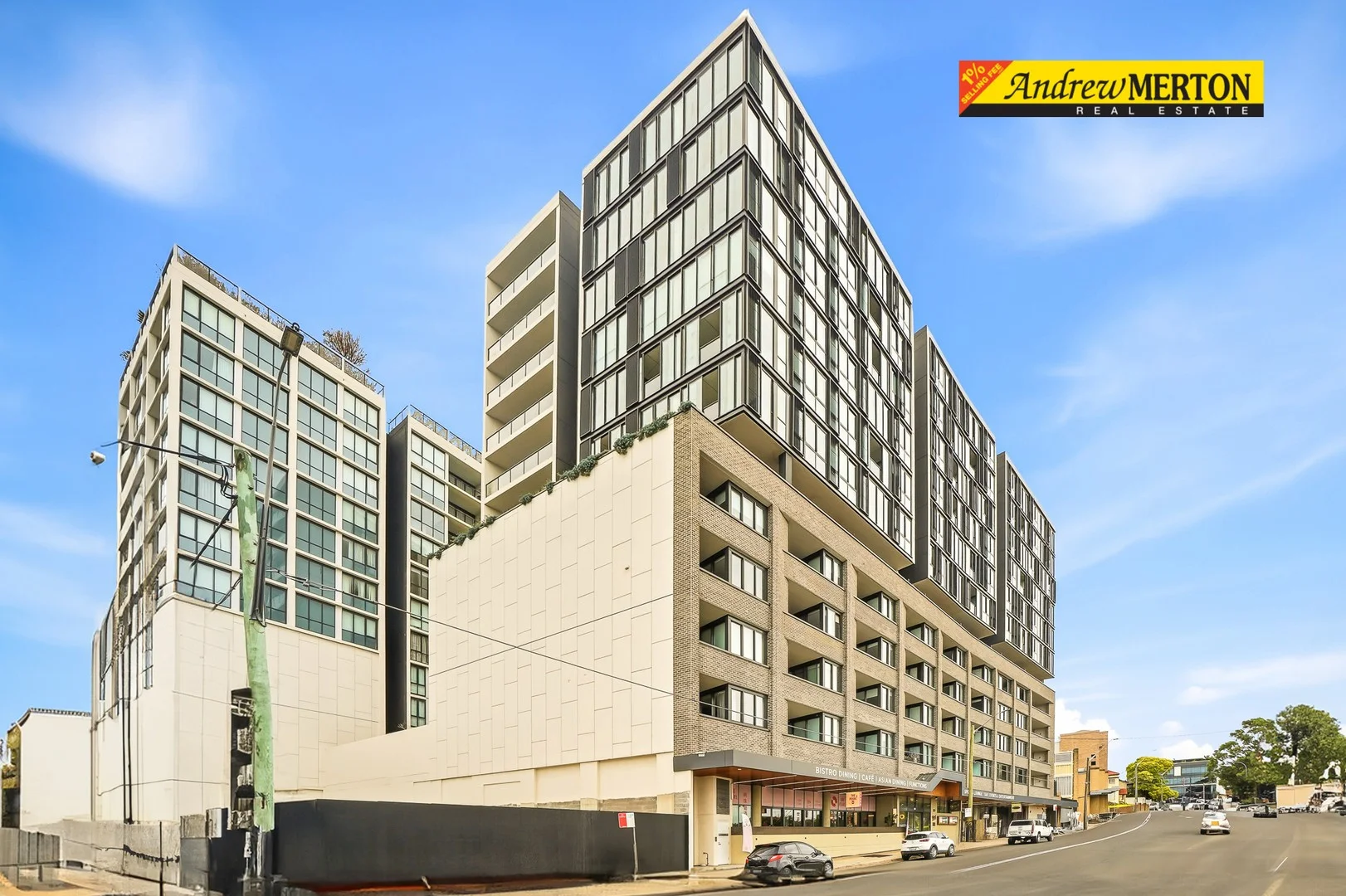 $665,000
Apartment / Unit / Flat
$665,000
Apartment / Unit / Flat
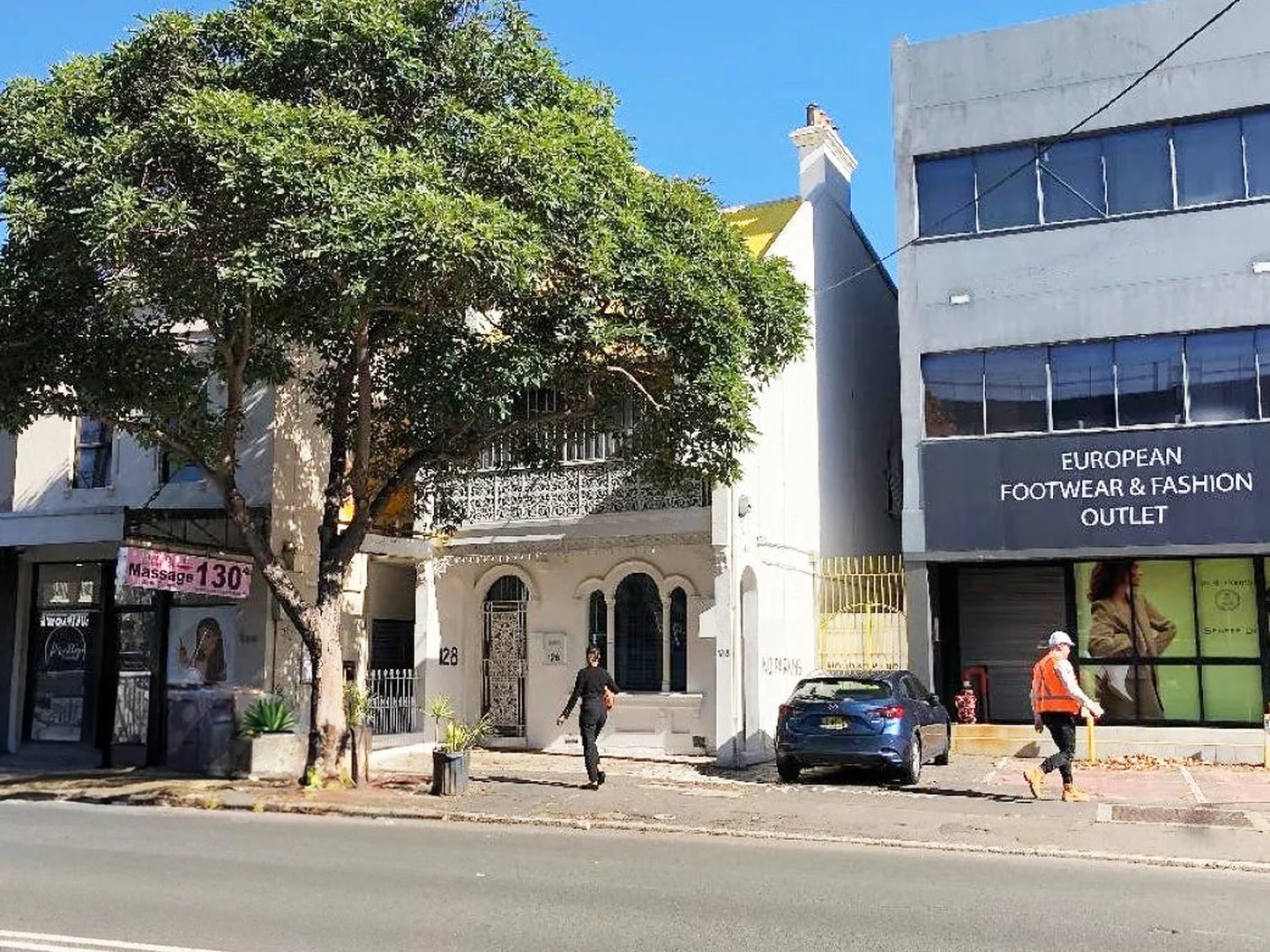 $3,900,000
House
$3,900,000
House
 $36,000,000 - $39,500,000
Vacant Land
$36,000,000 - $39,500,000
Vacant Land
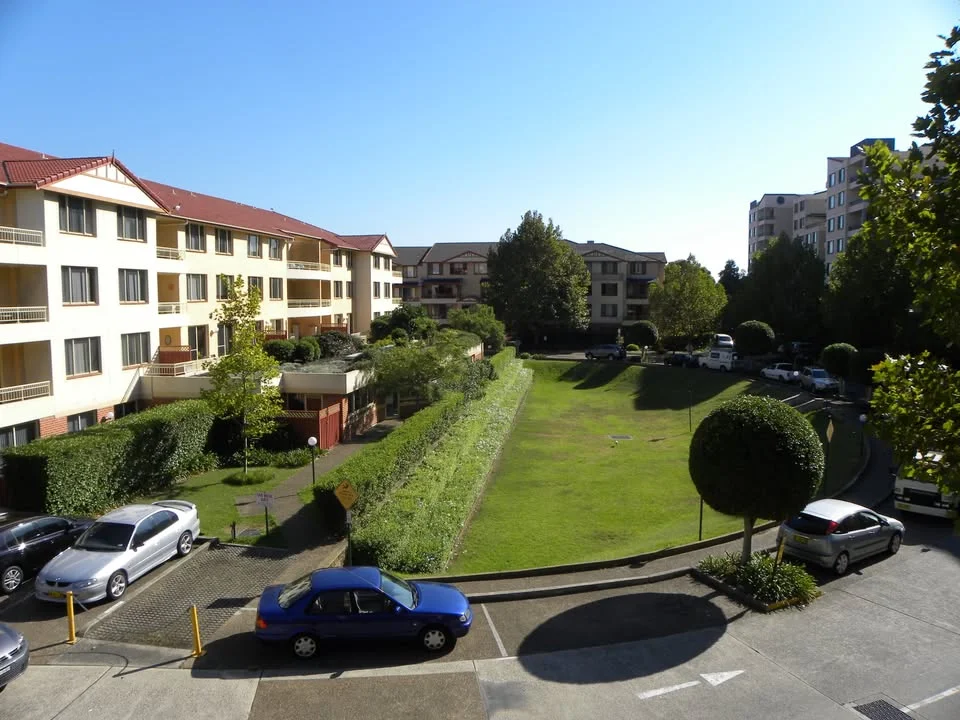 $990
Apartment / Unit / Flat
$990
Apartment / Unit / Flat
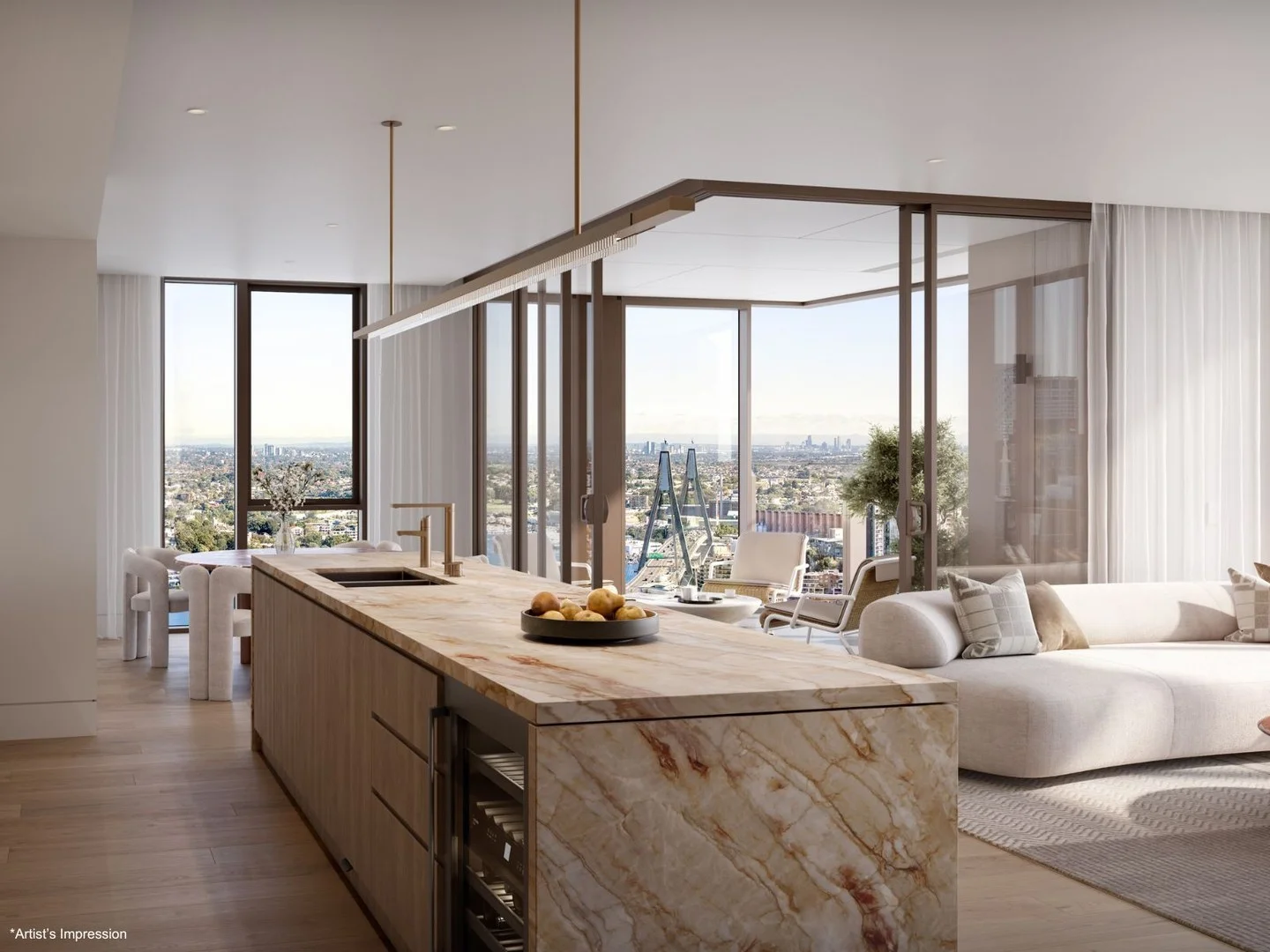 $9,020,000
propertyType.NEW APARTMENTS / OFF THE PLAN
$9,020,000
propertyType.NEW APARTMENTS / OFF THE PLAN
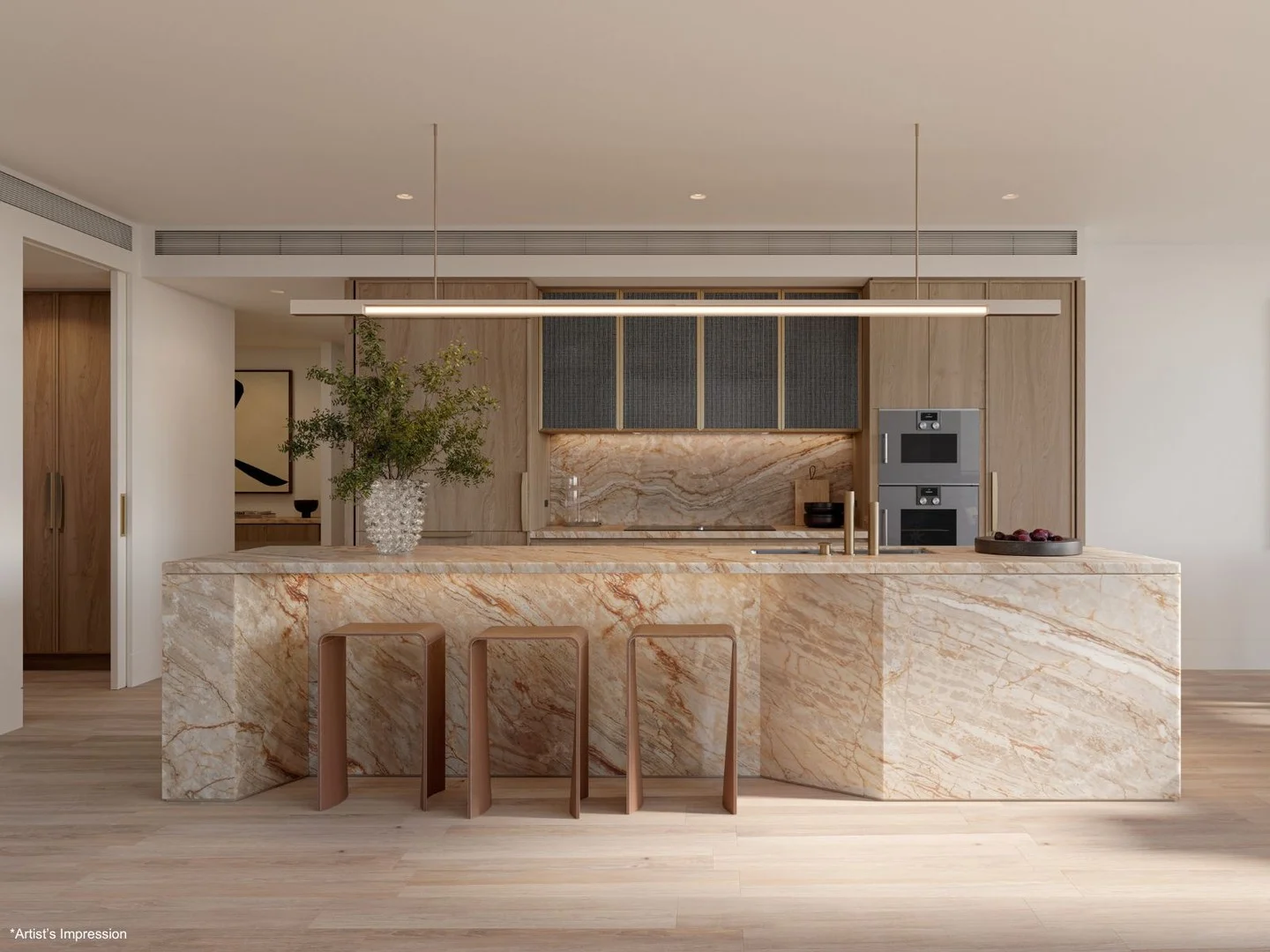 $6,225,000
propertyType.NEW APARTMENTS / OFF THE PLAN
$6,225,000
propertyType.NEW APARTMENTS / OFF THE PLAN
 $8,630,000
propertyType.NEW APARTMENTS / OFF THE PLAN
$8,630,000
propertyType.NEW APARTMENTS / OFF THE PLAN
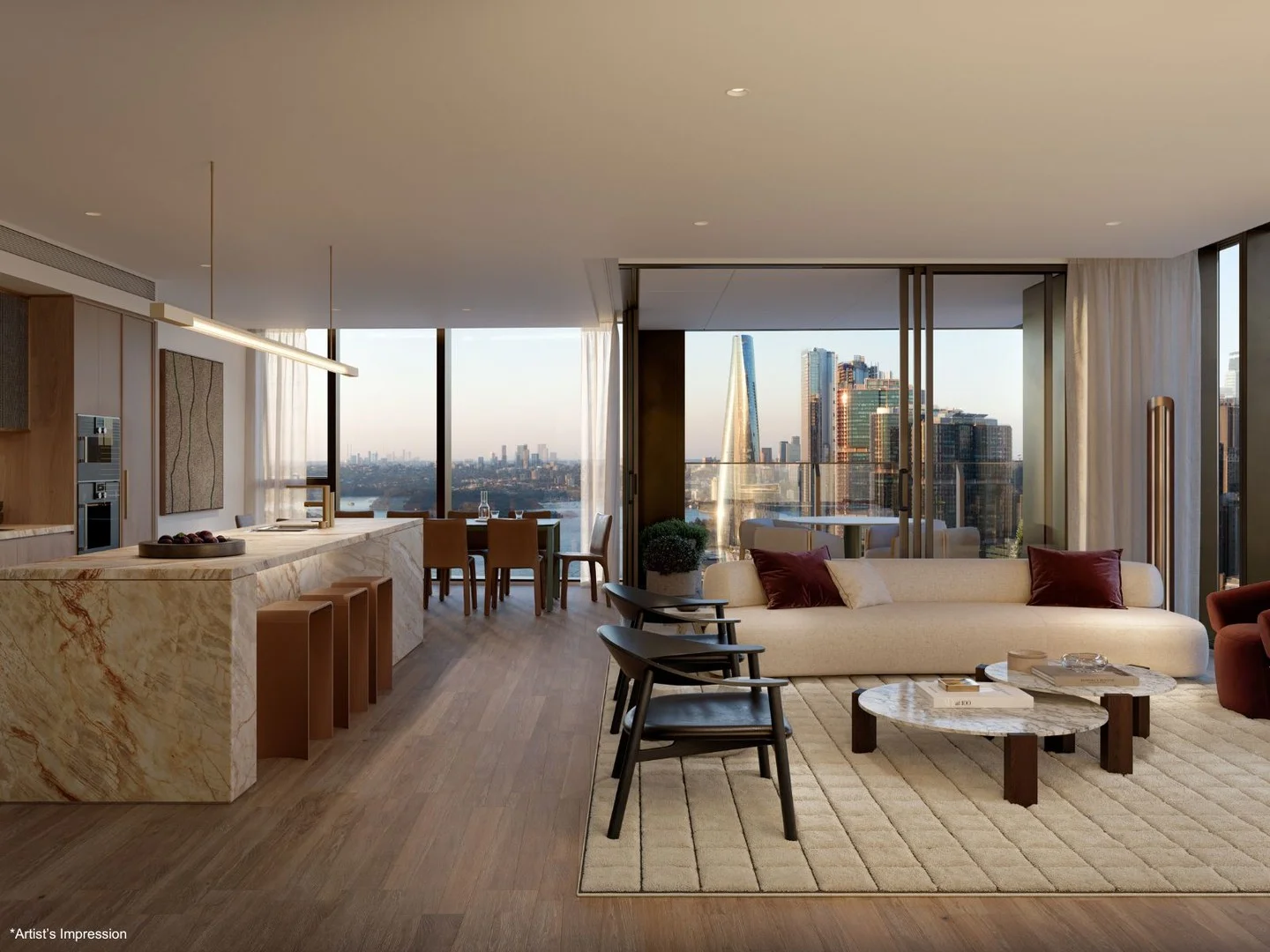 $12,980,000
propertyType.NEW APARTMENTS / OFF THE PLAN
$12,980,000
propertyType.NEW APARTMENTS / OFF THE PLAN
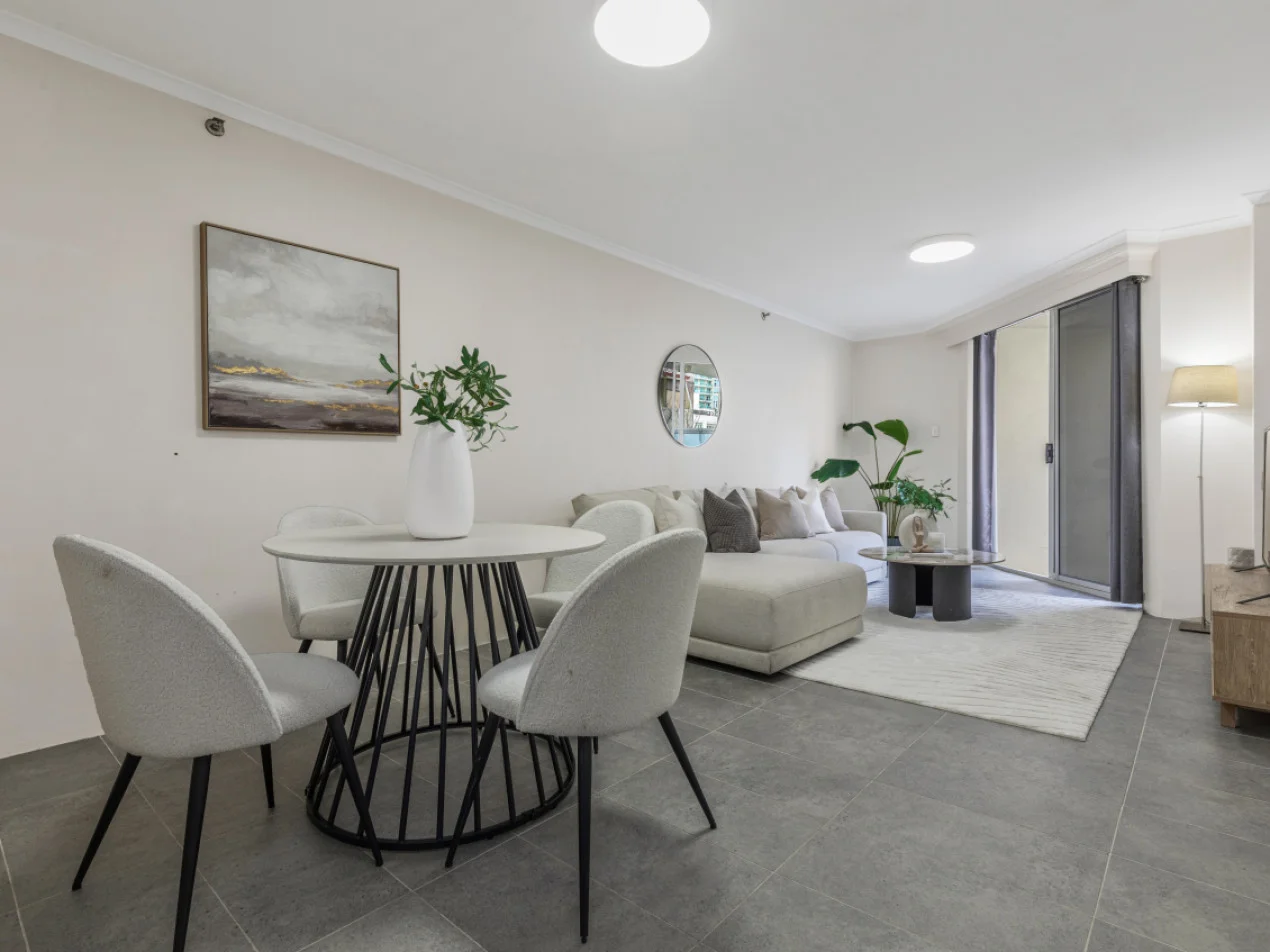 $640,000 - $675,000
Apartment / Unit / Flat
$640,000 - $675,000
Apartment / Unit / Flat


