## 1. Overview
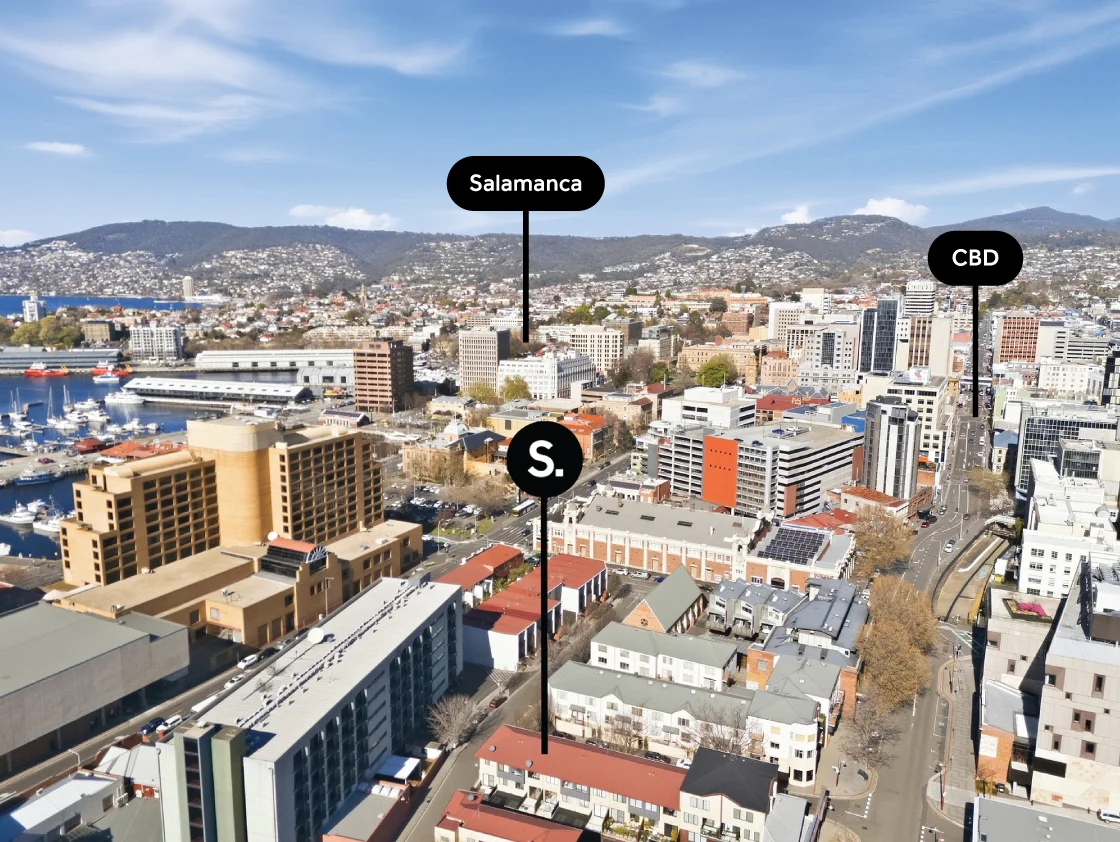
The Friends' School is an independent, co-educational day school with a heritage rooted in the Quaker tradition. Located in North Hobart, it offers a continuum of learning from early years through to Year 12, with a strong emphasis on values-based education, inclusivity, and service to the community. The school tends to run a medium-sized campus with a supportive, close-knit atmosphere where students are encouraged to participate in academic, cultural, and sporting life.
Class sizes are generally small to medium, supporting personalised attention and strong teacher–student relationships. The atmosphere combines academic endeavour with pastoral care, aiming to nurture confident, thoughtful, and resilient learners who contribute positively to their school and the wider community.
---
## 2. Academics & Learning
- Academic strengths: Solid emphasis on English and humanities, sciences, and the arts, with a focus on critical thinking, collaboration, and practical application of knowledge. Language learning and leadership development are also highlighted.
- Special programs: Some pathways include accelerated or differentiated learning options and opportunities to develop leadership and community involvement as part of the curriculum.
- NAPLAN / trends: The school tracks NAPLAN results over time to inform teaching and curriculum decisions, using data to strengthen learning outcomes and identify areas for improvement.
- Student–teacher ratios: Generally around small-to-mid class sizes with a lower student–teacher ratio than some larger systems, enabling more individual attention and support.
- Support for diverse learners: Services for students needing extra support, including EAL (English as an Additional Language) and SEN (Special Educational Needs) assistance, plus inclusive teaching approaches and targeted intervention where appropriate.
---
## 3. Sports & Extracurricular Strengths
- Sports offered: A broad range of sports typical for Australian independent schools, including team and individual options such as soccer, netball, basketball, cricket, rugby, athletics, swimming, tennis, and more, with opportunities to participate across levels.
- Strong teams or achievements: Competitive inter-school fixtures and opportunities to contribute to school-level teams and representative pathways.
- Music, arts, drama programs: A strong performing arts culture with ensembles, productions, and regular creative opportunities beyond classroom learning.
- Clubs: Robotics, coding, chess, debating, and other interest-based clubs are available to extend learning beyond core subjects.
- Partnerships: Involvement with local clubs, competitions, and community programs to broaden experiences in sport, science, arts, and technology.
---
## 4. Wellbeing & Pastoral Care
- Anti-bullying approach: Clear policies and codes of conduct, with proactive education and reporting mechanisms to support a safe school environment.
- House system: A house-based structure for pastoral care, events, and friendly competition, helping students feel connected and supported.
- Counsellors / wellbeing officers: Access to counselling and wellbeing staff to support emotional, social, and mental health needs.
- Transition support for new students: Orientation programs and targeted transition support to help new students settle into school life, friendships, and routines.
---
## 5. Facilities
- Sports grounds: On-site athletic facilities and ovals for physical education and team sports.
- Libraries: Well-stocked libraries for study, research, and reading for pleasure.
- Science labs: Modern science facilities to support experiments and hands-on learning.
- Music/performing arts centers: Dedicated spaces for music, drama, and performance activities.
- Tech/innovation labs: Computing, design, and technology spaces to foster creativity and digital literacies.
- Cafeteria: On-site canteen with options for students.
- Updated playgrounds: Age-appropriate outdoor spaces for younger students and active play.
---
## 6. School Values & Community Culture
- School values / mission: Values-based education rooted in the Quaker tradition, emphasizing integrity, equality, community, and service.
- Leadership style: Collaborative and student-centred, with opportunities for student voice, leadership roles, and involvement in school decisions and service activities.
- Behaviour expectations: Clear behavioural guidelines focused on respect, responsibility, and inclusivity.
- Community reputation: Known for a welcoming, values-driven culture with a commitment to helping students grow academically and personally.
- Diversity & inclusion: Inclusive environment that welcomes families from a range of backgrounds and cultures.
---
## 7. School Logistics & Daily Operations
- School hours: Typical daytime schedule with start and finish times aligned to year level; after-school activities continue beyond core hours.
- Before/after school care: Supervised options available for early arrival or late departures.
- Uniform requirements: Formal uniform policies with seasonal variations; details provided by the school.
- Transport (train/bus routes): Access via public transport and/or school transport options; location within Hobart supports convenient travel for many families.
- Canteen availability: Canteen or tuck shop services available, offering supervised meal and snack options.
- Fees (low/medium/high ranges): Fees are in the mid-to-upper range for private independent schools in the region; clear annual fee schedules are published by the school.
---
## 8. Enrolment & Admissions
11. What is the enrolment process and timeline?
- Begin with an online or posted application, including the submission of required documents (birth certificate or passport, school reports, immunisation records, and any supporting references).
- Pay the non-refundable application/enrolment fee and attend a school tour/open day if offered.
- There may be an interview and/or assessments for certain year levels, along with opportunities to meet with key staff.
- After review, families are notified of offers within a defined timeline, with an acceptance deadline and enrolment agreement to be signed and any deposit paid to secure a place.
12. Is there a waiting list, and how does it work?
- There can be a waiting list for some year levels or popular entry points. Applicants may be added to the list and offered places as vacancies arise, with preference often given to siblings and to families meeting the school’s criteria.
13. Are there any entry requirements, tests, or interviews?
- Entry typically involves interviews and may include age-appropriate assessments or demonstrations of readiness for the year level. Documentation (academic reports, references) and a family interview may be part of the process.
14. Does the school accept mid-year transfers?
- Mid-year transfers are considered when vacancies exist and can depend on year level and space in classes. Transfer applicants usually undergo the same interview/assessment process and must meet standard entry requirements.
---
## 9. Frequently Asked Questions
- Why Parents Choose This School?
- A values-based, inclusive independent education with a strong sense of community, supportive pastoral care, and a balanced focus on academics, arts, and sport.
- What type of student thrives at this school?
- Students who appreciate a collaborative, respectful environment, active involvement in school life, and opportunities to develop academically while engaging in service, leadership, and creative pursuits.
- What opportunities are available for students to extend their skills (academics, sports, arts)?
- A range of advanced or differentiated learning options, leadership roles, robust arts and performing programs, diverse sport offerings, and clubs such as robotics, coding, debating, and more.
- How does the school communicate with parents?
- Regular updates through newsletters, emails, parent portals, parent-teacher interviews, and scheduled information evenings.
- What is the school’s approach to teaching and learning?
- A curriculum aligned with national standards, emphasis on critical thinking, collaboration, and real-world applications, plus targeted support where needed.
- How does the school support students who need extra academic help?
- Dedicated wellbeing and academic support staff, small-group or targeted interventions, and tailored learning plans as appropriate.
- What support is available for academic challenges?
- Access to teachers, tutors, and specialist staff to address gaps, along with monitoring and progress reviews.
- How does the school communicate with parents? (Repeat)
- See above: regular updates, parent portals, and formal meetings.
- What are the class sizes and how much individual attention do students receive?
- Class sizes are designed to be small-to-medium, enabling more individual help and teacher attention during lessons and in targeted support times.
- What extracurricular and sports opportunities are available?
- A broad array of sports, arts, music, drama, and clubs (robotics, chess, coding, debating) with competitive fixtures and community events.
- What facilities does the school offer (sports, science, arts)?
- Comprehensive facilities including sports grounds, libraries, science laboratories, performing arts spaces, tech/innovation labs, canteen, and modern outdoor play areas.
- What is the school’s approach to technology and digital learning?
- Integrated digital learning across the curriculum with access to technology, coding, and design/tech facilities to build practical digital skills.
- What transport and accessibility options are available?
- Access via public transport and school-organised options where available, with considerations for families coming from various parts of Hobart.
- What are the typical school fees or additional costs?
- Fees fall in the mid-to-high range for private schools in the region, with a published schedule detailing compulsory charges, optional activities, and any other costs.
---
## 10. Short Pros & Cons
- Pros
- Independent, values-based education with a supportive community
- Small-to-medium class sizes enabling individual attention
- Broad range of academics, arts, and sports with diverse clubs
- Strong wellbeing and pastoral care, including a House system
- Comprehensive facilities supporting science, arts, and technology
- Cons
- Tuition fees may be a consideration for some families
- Access depends on space; some year levels may have waiting lists
- As with any independent school, progression and opportunities may be more curriculum and activity-driven