Overview
1. Overview
Warakirri College NSW Fairfield is an independent/private co-educational school focused on delivering a holistic, values‑based education. The college supports students with a reputation for a welcoming, inclusive community and a balanced emphasis on academics, personal growth, and broader extracurricular opportunities. It aims to prepare students for post‑school success through a nurturing environment that values diversity and community engagement.
The school is medium in size, with class sizes typically in the low‑to mid‑20s. This combination fosters close teacher‑student relationships, regular teacher feedback, and opportunities for personalised attention within a collaborative learning culture. The atmosphere blends academic aspiration with a supportive, inclusive vibe and opportunities to participate in sport, arts, and leadership activities.
2. Academics & Learning
- Academic strengths: STEM, English, leadership development, and languages are highlighted areas, with a focus on building critical thinking, communication, and problem‑solving skills.
- Special programs: Gifted and Talented pathways, opportunities for accelerated learning where appropriate, and robust student leadership and mentoring programs.
- NAPLAN/Trends: Recent NAPLAN trends show steady improvement in key domains and performance that aligns with or surpasses local and state benchmarks over consecutive years.
- Student‑teacher ratios: Approximately 1:15 to 1:18, enabling more targeted feedback and support within classes.
- Support for diverse learners: Dedicated EAL and SEN supports, inclusive education practices, and access to learning support staff to assist different learning needs.
3. Sports & Extracurricular Strengths
- Sports offered: Football (soccer), basketball, cricket, netball, rugby league, athletics, swimming and other seasonal activities.
- Strong teams or achievements: Competitive school teams with representation in local and regional competitions; emphasis on teamwork, sportsmanship, and personal growth.
- Music, arts, drama programs: Active music program with ensembles and opportunities for performing arts participation; drama productions and backstage/production experience.
- Clubs: Robotics, chess, coding, debating, public speaking, science/tech clubs, and other student‑led initiatives.
- Partnerships: Connections with local sports academies and community clubs; participation in interschool competitions and regional events.
4. Wellbeing & Pastoral Care
- Anti‑bullying approach: Proactive, clear anti‑bullying policies with student‑led initiatives, reporting channels, and restorative practices.
- House system: House groups with regular events to foster community, leadership, and peer support.
- Counsellors / wellbeing officers: Access to school counsellors and wellbeing staff to support mental health, resilience, and social‑emotional learning.
- Transition support for new students: Orientation programs, buddy systems, and targeted transition support to ease adjustment.
5. Facilities
- Sports grounds: On‑site courts and fields suitable for multiple sports.
- Libraries: Well‑stocked library with print and digital resources.
- Science labs: Modern, well‑equipped science laboratories.
- Music/performing arts centers: dedicated spaces for music education and drama/theatre activities.
- Tech/innovation labs: Computer labs, maker spaces, and STEM/technology facilities.
- Cafeteria: On‑site canteen serving healthy, varied options.
- Updated playgrounds: Modern outdoor spaces and learning environments for different year groups.
6. School Values & Community Culture
- School values / mission: A values‑driven ethos centred on respect, responsibility, resilience and inclusion.
- Leadership style: Collaborative and student‑centred, with opportunities for student voice and leadership across year levels.
- Behaviour expectations: Clear codes of conduct, consistent routines, and restorative approaches to conflict resolution.
- Community reputation: A connected school community with active parent involvement and engagement in school life.
- Diversity & inclusion: Strong commitment to diversity and inclusive practices, with support for students from varied backgrounds and needs.
7. School Logistics & Daily Operations
- School hours: Typically a daytime schedule aligned with NSW school timetables, with a structured start and finish each school day.
- Before/after school care: Available through an after‑school care program or approved providers.
- Uniform requirements: School uniform is required, with guidance on appropriate dress, footwear, and accessories.
- Transport (train/bus routes): Access to local public transport options and school bus services to common catchment areas.
- Canteen availability: Canteen or meal services available on site, offering healthy meal and snack options.
- Fees (low/medium/high ranges): Fees fall in the mid‑range for independent NSW schools, with additional costs for uniforms, excursions, and certain activities.
8. Enrolment & Admissions
11. What is the enrolment process and timeline?
- Inquiry and information session → Submit application with required documents → Admissions assessment (if applicable) or interview → Notification of outcome and offer → Enrolment confirmation and welcome/orientation planning. Processing timelines typically span several weeks to a couple of months, depending on intake and vacancy levels.
12. Is there a waiting list, and how does it work?
- There is often a waiting list when spaces are limited. Applications are typically added to the list in order of submission/date received, with priority given to applicants based on place availability, siblings, or specific programs. The school communicates updates periodically as spaces become available.
13. Are there any entry requirements, tests, or interviews?
- Yes. Entry may involve an interview or meeting with parents and the student, and may include an informal assessment or consideration of prior school reports. Documentation such as birth certificates, immunisation records, and previous school reports may be requested.
14. Does the school accept mid-year transfers?
- Yes, subject to vacancy and available space in the appropriate year level. Transfers typically require a formal application, payment of any applicable fees, and transfer of student records from the previous school.
9. Frequently Asked Questions
- Why Parents Choose This School?
Families often value the independent approach, supportive community, emphasis on holistic development, strong student wellbeing, and pathways to post‑school success.
- What type of student thrives at this school?
Students who are motivated, collaborative, open to new ideas, and who value a balanced focus on academics, sport, arts, and student leadership tend to thrive.
- What opportunities are available for students to extend their skills (academics, sports, arts)?
Opportunities include gifted/accelerated programs, leadership roles, advanced coursework, competitive sports teams, music ensembles, drama productions, robotics and coding clubs, debating, and other clubs.
- How does the school communicate with parents?
Regular newsletters, emails, a parent portal or app, scheduled parent–teacher interviews, and annual reports.
- What is the school’s approach to teaching and learning?
A student‑centred approach with inquiry‑based and project‑based learning, integration of technology, ongoing assessment, and feedback to support growth.
- How does the school support students who need extra academic help?
Learning support services, small group or one‑on‑one tutoring, targeted interventions, and collaboration with families to create individual plans.
- What support is available for academic challenges?
Access to tutors, learning support staff, adjustment of workloads, and proactive communication with parents to monitor progress.
- How does the school communicate with parents? (Duplicate)
See above: newsletters, emails, parent portal/app, and scheduled meetings.
- What are the class sizes and how much individual attention do students receive?
Class sizes are typically in the low‑to‑mid 20s, with teachers providing regular feedback, targeted support, and opportunities for individual check‑ins.
- What extracurricular and sports opportunities are available?
A broad range including team sports, arts, music, drama, robotics, debating, coding, and student leadership programs.
- What facilities does the school offer (sports, science, arts)?
Sports grounds, libraries, science labs, performing arts spaces, music rooms, tech/innovation labs, a canteen, and outdoor learning areas.
- What is the school’s approach to technology and digital learning?
Integration of technology across the curriculum, digital literacy programs, device access or requirements, and IT support for students and staff.
- What transport and accessibility options are available?
Access to local transport options (bus/train routes) and school‑run or partner transport services where available.
- What are typical school fees or additional costs?
Fees are mid‑range for independent NSW schools, with additional costs for uniforms, excursions, camps, and some activity levies.
10. Short Pros & Cons list
Pros
- Independent/private school with a holistic focus
- Medium-sized community supporting personal attention
- Strong wellbeing and pastoral care
- Wide range of academic, sport, and arts opportunities
- Inclusive environment with EAL/SEN support
Cons
- Fees are above government school costs (as expected for an independent school)
- Availability may be limited due to high demand (possible waitlists)
- Some programs or facilities may have additional costs beyond standard tuition
Note: The information above is a general profile intended to help families compare options. For the most accurate, up‑to‑date details (including current enrolment status, exact class sizes, fees, and program offerings), please contact the school directly.









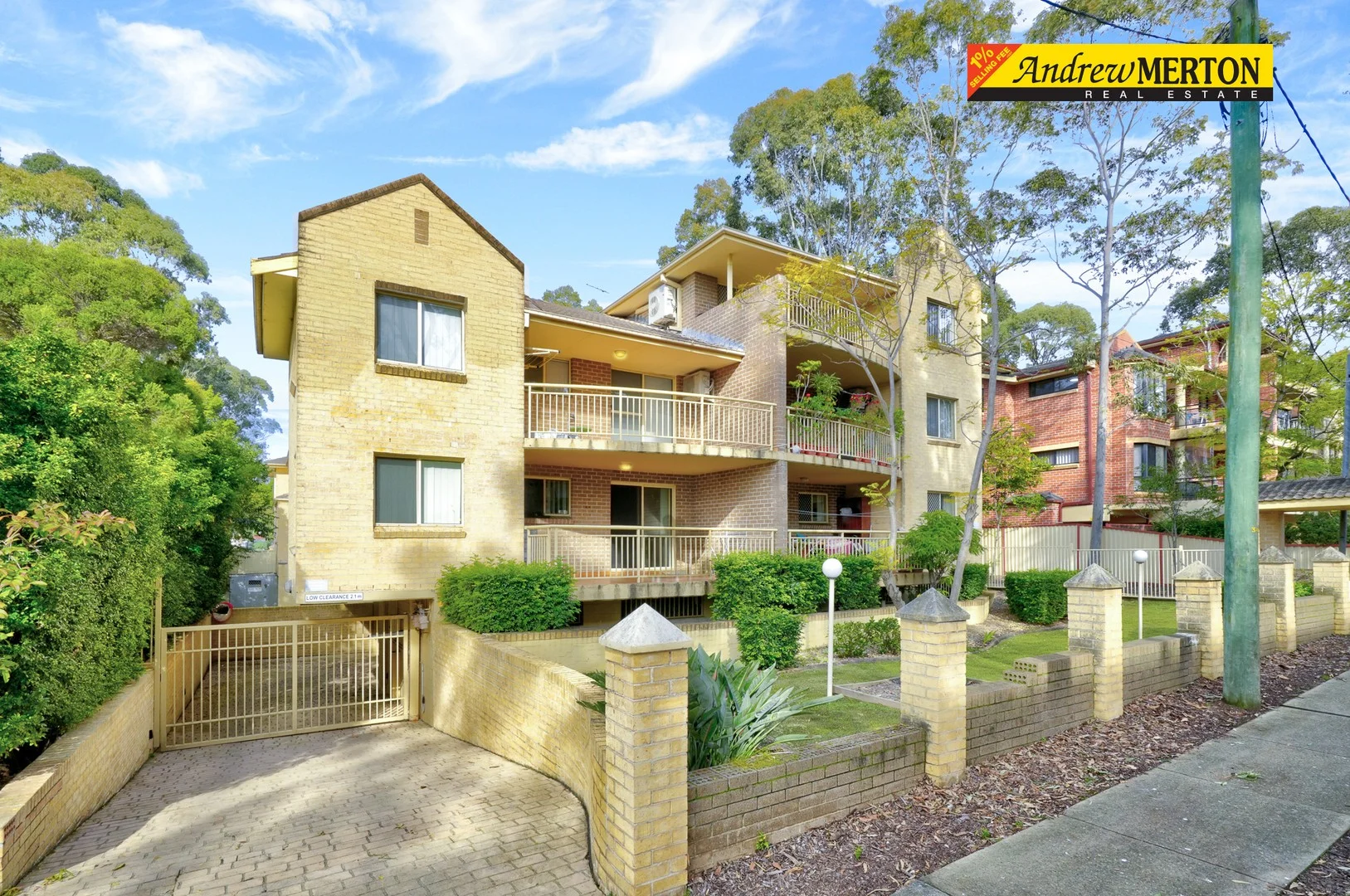 $530,000
Apartment / Unit / Flat
$530,000
Apartment / Unit / Flat
 $475,000
Apartment / Unit / Flat
$475,000
Apartment / Unit / Flat
 $399,900
Apartment / Unit / Flat
$399,900
Apartment / Unit / Flat


