Overview
## 1. Overview
William Clarke College is an independent Anglican day school in the Sydney Hills region, offering education from the primary years through to the senior years. The school is known for combining strong academic programs with a focus on character, leadership and community involvement.
The campus culture aims to be welcoming and inclusive, with a size that supports a sense of belonging while still providing a wide range of opportunities. Class sizes generally sit in the mid-teens to low-20s, allowing for both individual attention and collaborative learning.
## 2. Academics & Learning
- Academic strengths: Strong focus on core curriculum across STEM, English and humanities, with an emphasis on critical thinking, problem solving and effective communication.
- Special programs: Leadership development, gifted and talented pathways, and opportunities for accelerated learning where appropriate.
- NAPLAN / trends: Schools track NAPLAN performance over time to monitor literacy and numeracy progress; this profile summarizes trends without publishing scores.
- Student-teacher ratios: Typical ratios are in the low-to-mid-teens, varying by year level, enabling some targeted support and classroom collaboration.
- Support for diverse learners: EAL support, learning support services and coordinated assistance for students with special educational needs.
## 3. Sports & Extracurricular Strengths
- Sports offered: A broad range of sports, including team codes and individual activities such as rugby, cricket, football, basketball, swimming, tennis and athletics.
- Strong teams or achievements: Competitive student teams across various age groups with regional and inter-school involvement.
- Music, arts, drama programs: Robust music ensembles, choirs and drama productions, with access to performing arts facilities.
- Clubs: Robotics, chess, coding, debating and other academic or interest-based clubs.
- Partnerships: Participation in local inter-school competitions and collaborations with community sport and arts programs.
## 4. Wellbeing & Pastoral Care
- Anti-bullying approach: Clear policies and a supportive culture that emphasizes respect, restorative practices and student wellbeing.
- House system: House groups help build belonging, mentoring and healthy peer competition.
- Counsellors / wellbeing officers: Access to school-based counsellors and a wellbeing team to support student mental health and resilience.
- Transition support for new students: Orientation programs, buddy systems and ongoing support to help students settle in.
## 5. Facilities
- Sports grounds: On-site sports facilities and fields for training and competition.
- Libraries: Well-equipped library spaces supporting study and research.
- Science labs: Dedicated science laboratories for practical learning and experiments.
- Music/performing arts centers: Spaces for rehearsals, performances and productions.
- Tech/innovation labs: Modern spaces for design, robotics, coding and digital projects.
- Cafeteria: On-site dining with available meal options.
- Updated playgrounds: Safe, well-maintained outdoor play and recreation areas.
## 6. School Values & Community Culture
- School values / mission: A focus on excellence, integrity, service, respect and community contribution.
- Leadership style: Collaborative leadership with student leadership opportunities and active teacher-student partnerships.
- Behaviour expectations: Clear codes of conduct and consistent expectations across the school community.
- Community reputation: A well-regarded school within the local community, valued for its supportive environment and outcomes.
- Diversity & inclusion: Commitment to inclusive education and welcoming students from diverse backgrounds.
## 7. School Logistics & Daily Operations
- School hours: Typically a morning start with a standard school day ending in the mid-afternoon, subject to year level adjustments.
- Before/after school care: Availability of supervised care options before and after school through the school or approved programs.
- Uniform requirements: Official uniform policy with an associated uniform shop or procurement process.
- Transport (train/bus routes): Transport options include school bus services and connections to local public transport networks; details provided by the school.
- Canteen availability: On-site canteen or cafeteria offering meals and snacks on school days.
- Fees (low/medium/high ranges): Fees are in the medium-to-high range for NSW independent schools; current costs and inclusions are published in the enrolment pack.
## 8. Enrolment & Admissions
11. What is the enrolment process and timeline?
- Submit an expression of interest or complete the official application.
- Provide requested documents (birth certificates, prior school records, etc.) and any relevant supporting information.
- Participate in a school tour and/or information session; potential interview with admissions staff or leadership.
- Complete any age- or year-level assessments if applicable.
- Receive an offer of enrolment; confirm acceptance by the specified deadline and complete all required enrollment forms.
- Attend orientation activities prior to or at the start of the first year.
12. Is there a waiting list, and how does it work?
- Many year levels may have a waiting list when places are limited. Placement on the list is typically determined by date of application, availability of places, and relevant family or student considerations.
13. Are there any entry requirements, tests, or interviews?
- Entry usually involves an interview and review of prior academic records; some year levels or programs may have additional assessments or portfolio reviews. International students may have additional documentation requirements.
14. Does the school accept mid-year transfers?
- Mid-year transfers are considered if spaces are available. The process generally includes a formal application, provision of school records, release papers from the prior school, and an onboarding plan for the new student.
## 9. Frequently Ask Questions
- Why Parents Choose This School?
- A combination of strong academics, supportive wellbeing, broad co-curricular options and a values-based community.
- What type of student thrives at this school?
- Students who value a balanced approach to academics, leadership, sport and the arts within a supportive, respectful environment.
- What opportunities are available for students to extend their skills (academics, sports, arts)?
- Access to leadership programs, accelerated or advanced learning options, competitive sports teams, music ensembles, drama productions and diverse clubs.
- How does the school communicate with parents?
- Regular newsletters, emails, a parent portal, teacher reports and scheduled parent evenings or information sessions.
- What is the school’s approach to teaching and learning?
- A focus on robust core subjects, inquiry-driven learning, differentiation to meet individual needs and opportunities for leadership and collaboration.
- How does the school support students who need extra academic help?
- Targeted learning support, EAL assistance, and coordinated intervention plans where needed.
- What support is available for academic challenges?
- Access to tutors, learning support staff and tailored plans to address gaps or extend learning.
- What are the class sizes and how much individual attention do students receive?
- Class sizes are generally in the mid-teens to low-20s, with opportunities for small-group instruction and targeted teacher attention.
- What extracurricular and sports opportunities are available?
- A wide range of sports, music and drama programs, plus clubs such as robotics, chess, coding and debating.
- What facilities does the school offer (sports, science, arts)?
- Modern facilities across sports grounds, libraries, science labs, performing arts spaces and technology labs.
- What is the school’s approach to technology and digital learning?
- Integration of digital tools and devices to support teaching and learning, with appropriate guidance on online safety and responsible use.
- What transport and accessibility options are available?
- School transport options and connections to local public transport, with information on drop-off/pick-up and accessibility as applicable.
- What are the typical school fees or additional costs?
- Fees exist and vary by year level and program; current costs and inclusions are detailed in the enrolment materials.
## 10. Short Pros & Cons list
- Pros
- Strong academic program with leadership and personal development opportunities
- Comprehensive wellbeing and pastoral care
- Broad co-curriculars (sports, arts, clubs)
- Supportive community culture and inclusive environment
- Modern facilities and resources
- Cons
- Fees are higher than many public schools
- Places can be limited in certain year levels (waiting lists may apply)
- Transport arrangements may require coordination for some families
- Large school size might mean less one-on-one contact in some programs at peak times
If you’d like, I can tailor these sections further with more precise, up-to-date details from the school’s official enrolment documents or parent resources.











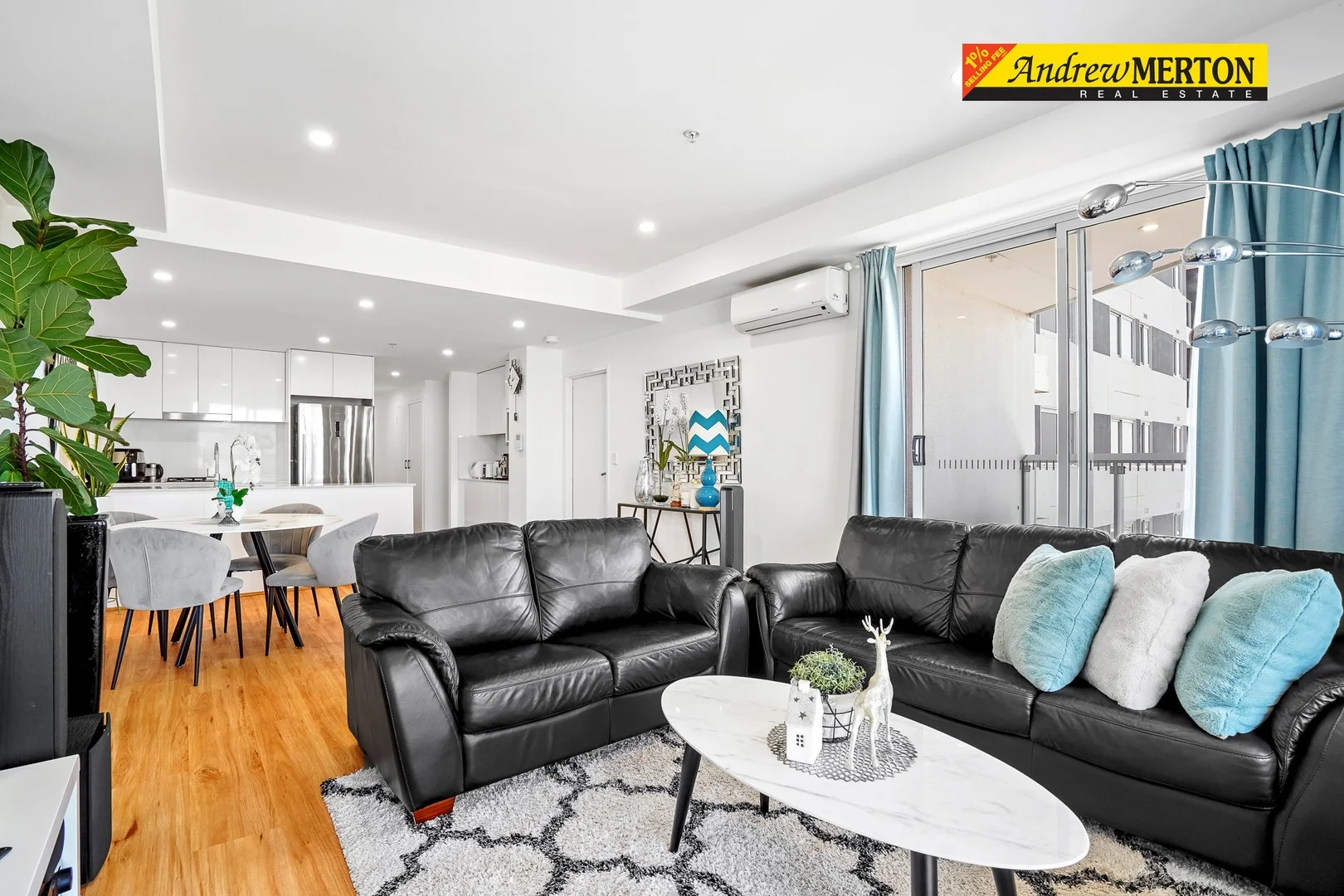 $475,000
Apartment / Unit / Flat
$475,000
Apartment / Unit / Flat
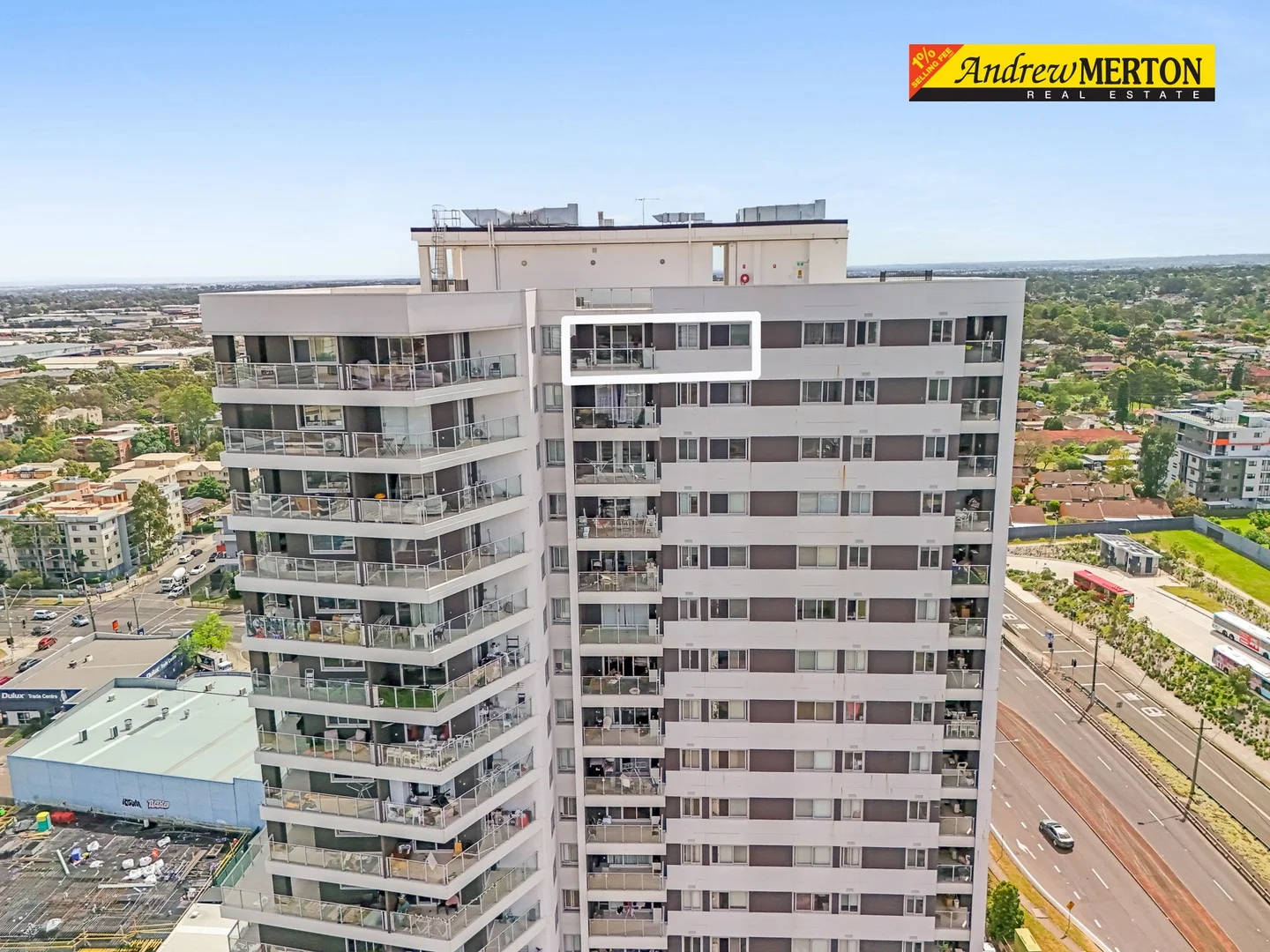 $399,900
Apartment / Unit / Flat
$399,900
Apartment / Unit / Flat
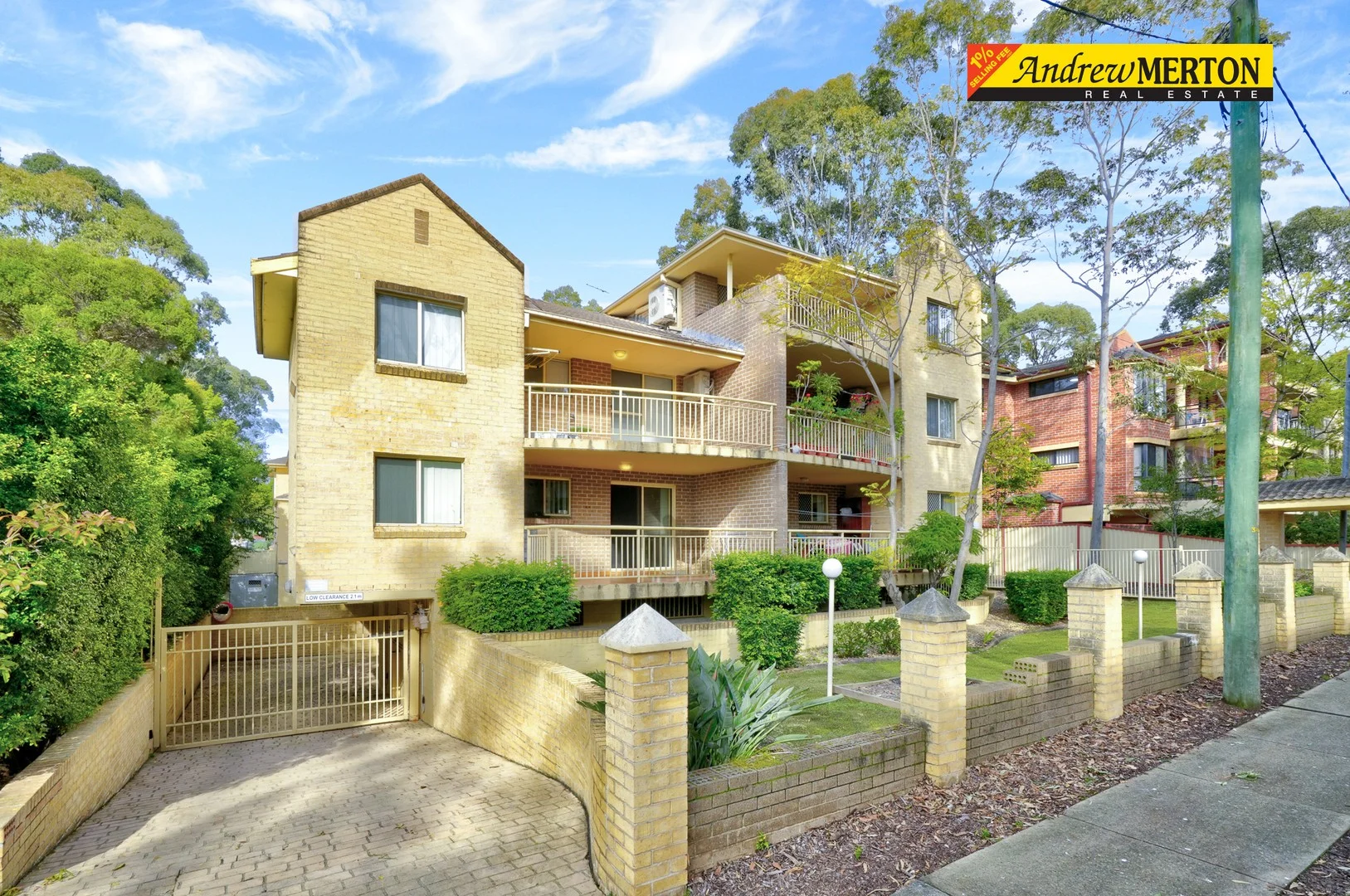 $530,000
Apartment / Unit / Flat
$530,000
Apartment / Unit / Flat


