How to Choose a High School in Australia: The Year 5–6 Parent's Timeline and Decision Guide
20 July 2026
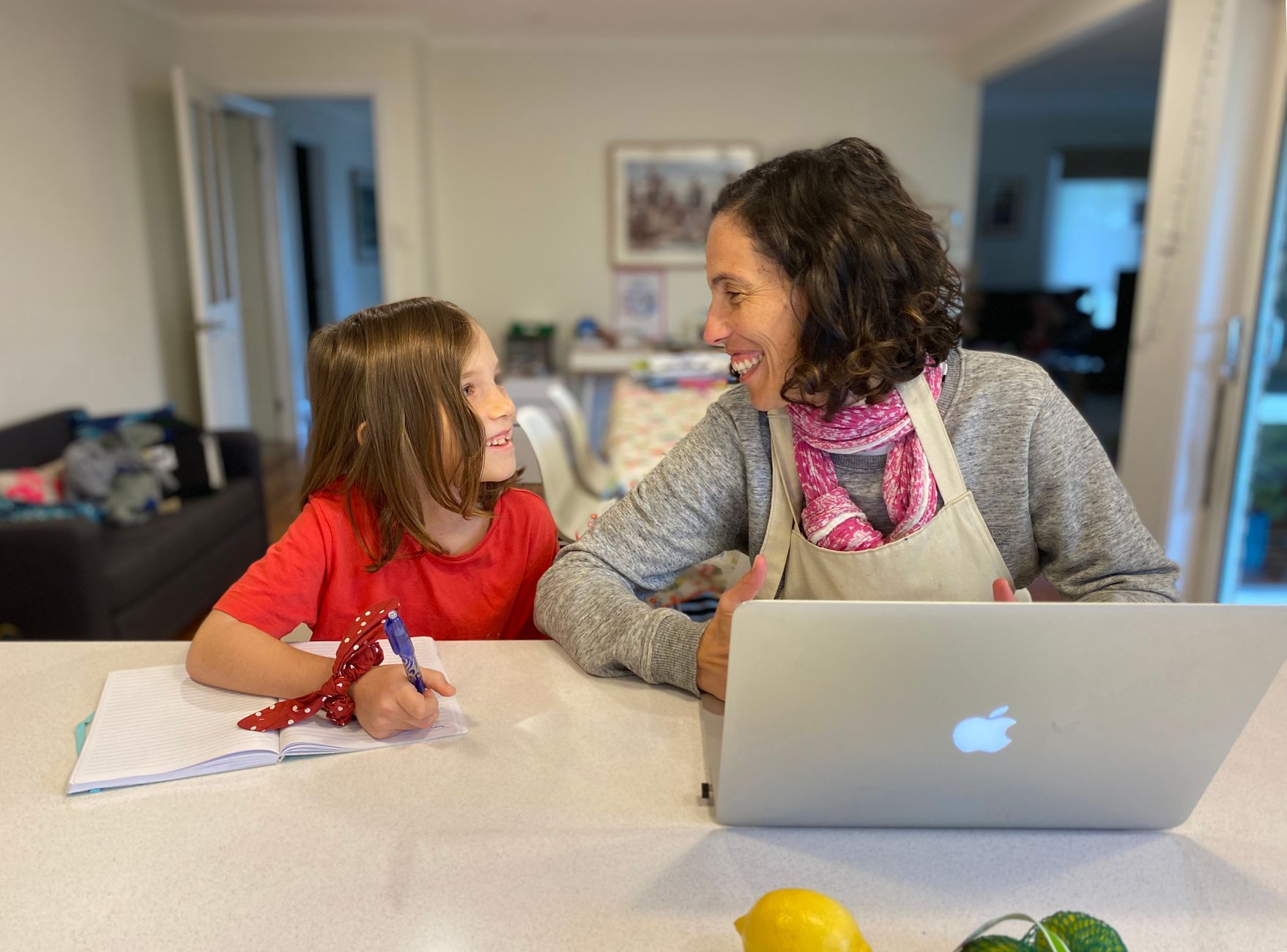
You're scrolling through the parent Facebook group at 11pm, and someone's just posted: "Just got the email — my Year 5 child needs to be on three waiting lists by next month or we'll regret it forever." Your stomach drops. You had no idea there was a timeline. Welcome to the high school selection scramble, the moment when Australian parents realise that Year 5 is somehow already too late for some schools, but you're also not meant to decide anything yet.
The good news? There's an actual sequence to this. It's not chaos — it just looks like it from the car park. Here's when to do what, and how to think about it clearly.
The Race Starts Earlier Than You Think: Year 4–5 Private and Catholic Waiting Lists
If independent schools or Catholic schools are on your radar, they often open waiting lists in Year 4, sometimes even Year 3. This doesn't mean you've chosen — it means you've reserved your spot in line to apply properly in Year 5.
Why so early? Capacity. Popular schools fill their waiting lists year after year, and if you're not on one by mid-Year 4, you may not get in, even if you apply "on time."
What to do now:
- Research which schools you're genuinely interested in (not just the ones everyone mentions at pickup).
- Ring the admissions office in Term 3 or early Term 4 of Year 4 and ask about their waiting list. Most don't advertise dates loudly — you have to ask.
- Get on the waiting list if the school is in your serious-contender pile. It costs nothing and locks in nothing. You can change your mind later.
Don't panic if you've already passed this window — many schools keep rolling waiting lists, and it's never truly "closed."
Year 5: The Application and Placement Year
This is where the real work begins.
Private and Catholic School Applications
Most independent schools have their main application window in Year 5 (usually Term 3 or early Term 4). You'll need to:
- Provide school reports and sometimes standardised test results.
- Attend an interview and/or entrance exam.
- Pay an application fee ($200–$400 typically, though this varies).
Applications usually close by September or early October, with offers coming out by October or November. If your child gets an offer, you then decide whether to accept and commit.
Catholic schools run similarly, though some use centralised placement systems depending on your state.
Selective Government School Applications
If you're in NSW, WA, or SA, selective government schools (academic-entry schools like James Ruse in Sydney or Perth Modern in WA) have their own separate application process, usually in Year 5. Check your state's education website for exact dates — they vary.
You'll sit an exam, and offers are based on merit. It's competitive, but it's free.
General Public School Placement
Even if you're not chasing selective entry or private schools, your state's high school placement system kicks off in Year 5. Your zoned (catchment) school is usually automatic, but if you want an out-of-zone public school, you'll lodge a preference request around Term 3 or 4 of Year 5.
Public schools can't turn you away if you're in their catchment, but out-of-zone spots depend on capacity. Apply early — late requests rarely succeed.
Year 6: The Final Decision and Confirmation
By Year 6, most offers and confirmations are in. You're finalising your choice.
- If you've got private school offers, you'll confirm acceptance (often with a deposit).
- Public school placements are usually confirmed in October or November of Year 6, with orientation days in the school holidays.
- Any waiting list movements happen now — if you're waitlisted, keep in touch with the school; spots do open up.
The Real Decision: Your Four-Factor Framework
Once you've got the timeline straight, how do you actually choose?
Let's cut through the noise. Four things matter most:
1. Catchment and Logistics Can you realistically get your child there? A fantastic school 45 minutes away sounds noble until it's 7am on a Tuesday and nobody's had breakfast. Public schools in your catchment are free and local — that's worth a lot.
2. Academic Results and Pathway Check NAPLAN data, ATAR averages, or HSC/VCE results (depending on your state). But be honest: does your child need a highly-selective environment, or a solid school with good support? Raw rankings hide a lot about fit.
3. Subjects and Specialisations Does the school offer music, languages, or tech programs your child cares about? By Year 7, these can shape subject choices in Year 9 and beyond.
4. The Vibe Visit during a normal school day (not a polished open day). Do the kids look happy? Is the staff visible? Would your child actually want to go there?
Private schools cost more and offer smaller classes or specialist facilities; public schools are free and often more diverse. Neither is automatically "better." The best school is the one your child will actually thrive in.
What to Do This Week
If your child is in Year 4 or 5 right now, get on the phone to your shortlist schools and ask three questions: When's your waiting list deadline? When's the application window? And what's your typical intake size?
Write it down. Set a phone reminder for two weeks before each deadline.
Then breathe. This feels enormous because it's the first big choice you're making for them rather than with them — and it matters. But it's not irreversible. Kids change schools, find their people, and thrive in unexpected places. Your job isn't to nail perfection; it's to make a solid, informed choice and back it.
You've got this.
Photo by John Simmons on Pexels