Public vs Catholic vs Independent Schools: How to Choose What Fits Your Child
17 July 2026
You're at the school gate on enrolment day, clutching the application form, and your brain has gone to static. Private? Catholic? Public? And does it actually matter, or are you just overthinking it on a Monday morning?
You're not alone. About seven in ten Australian families enrol their children in government public schools, while roughly one in five choose Catholic schools, and one in eight go independent. But those figures hide a much messier reality: the choice doesn't come down to one "better" answer. It comes down to fit—your values, your child, your suburb, your circumstances.
The Three Sectors at a Glance
Government public schools educate about 69% of Australian students. They're free, secular, and welcoming to everyone. No application process, no fees, no religious instruction during the school day.
Catholic schools take roughly 19% of students. They're faith-based but don't require you to be Catholic to enrol (we'll come back to that). Fees vary widely but generally sit between $3,000 and $15,000 per year for primary school, depending on the school and state.
Independent schools enrol about 12% of students. These are privately run, non-government schools that aren't part of the Catholic system. They're completely secular or faith-based depending on the school. Fees typically range from $5,000 to $30,000-plus per year.
What Actually Matters: Fit Over Label
The research is clear: the sector matters far less than the school. A high-performing government school will outpace a struggling independent school every time. A Catholic school where your child thrives socially beats an elite-sounding one where they're miserable.
Here's what genuinely moves the needle:
Academic Performance
All sectors have top performers and struggling schools. NAPLAN data, school reviews, and HSC results (if you're looking at secondary) will tell you far more than the sign on the gate. Ask for recent results, visit during the school day, and talk to current parents—not the marketing blurb.
Values and Culture
Do you want a school that teaches religious education? That matters for many families and is genuinely different between sectors. Government schools don't teach religious instruction, though some do deliver secular ethics or interfaith programs. Catholic schools integrate faith into the curriculum. Independent schools vary wildly—some are Steiner, some are classical, some are secular and values-driven in a different way entirely.
Practical Fit
Can you actually get there? Does the drop-off suit your work? Are the school hours flexible enough, or do you need long care? This unglamorous stuff shapes your family's whole week. A "better" school an hour away costs you three hours of lost time and fuel money every day.
Special Needs and Diversity
Government schools have legal obligations around inclusion and often more developed support for students with additional needs. Some independent schools excel here too; others are more selective. Ask directly about SEN support, English-as-an-additional-language programs, and neurodivergent-friendly practices.
Do You Have to Be Catholic? (And Other FAQs)
No, you don't have to be Catholic to attend Catholic school. Many aren't. Catholic schools often prioritise families with Catholic faith connections (parents, grandparents, siblings already enrolled), but capacity and demand vary by region. Enquire directly—many Catholic schools, especially in rural or less-populated areas, actively welcome families of all backgrounds.
What's the difference between Catholic and independent schools? Catholic schools are part of a faith-based system with diocesan oversight; independent schools are standalone operations. In practice, your Catholic school might feel more traditionally values-driven, while an independent school might be anything from progressive to ultra-selective. Visit both and compare.
Will my child be behind if they go to public school? No. Outcomes are determined by the individual school, the teacher, and your child's engagement—not the sector. Some of Australia's most successful students come from every school type.
One More Thing: Availability
In some suburbs, you don't get much choice. If your area has one good primary school and it's government, great. If it's Catholic, and you're keen on it, apply. The search for a "perfect" school sometimes ends when you realise the perfectly good one is down the road.
Next Steps
Visit schools in your area—more than one, and more than once. Talk to current parents and teachers. Check the most recent school reviews on the government reporting website. Then trust your gut: the school your child will thrive at is usually the one where you can picture them happy on a Tuesday afternoon, not the one with the fanciest branding.
[Search and compare schools near you on AroundSchools to find the right fit for your family.]
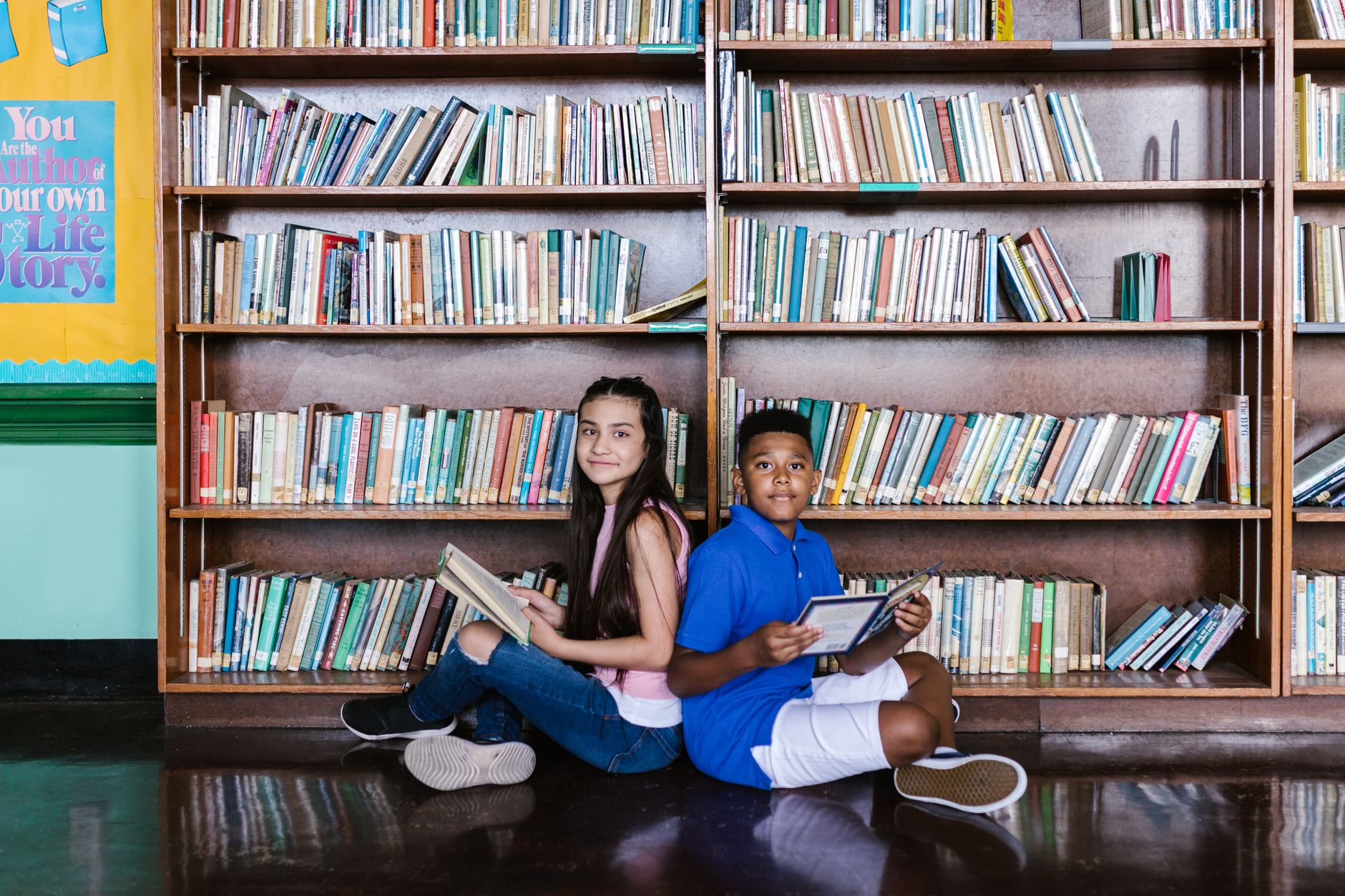
Photo by RDNE Stock project on Pexels