The Homework Corner That Actually Works: Setting Up a Study Space at Home
12 July 2026
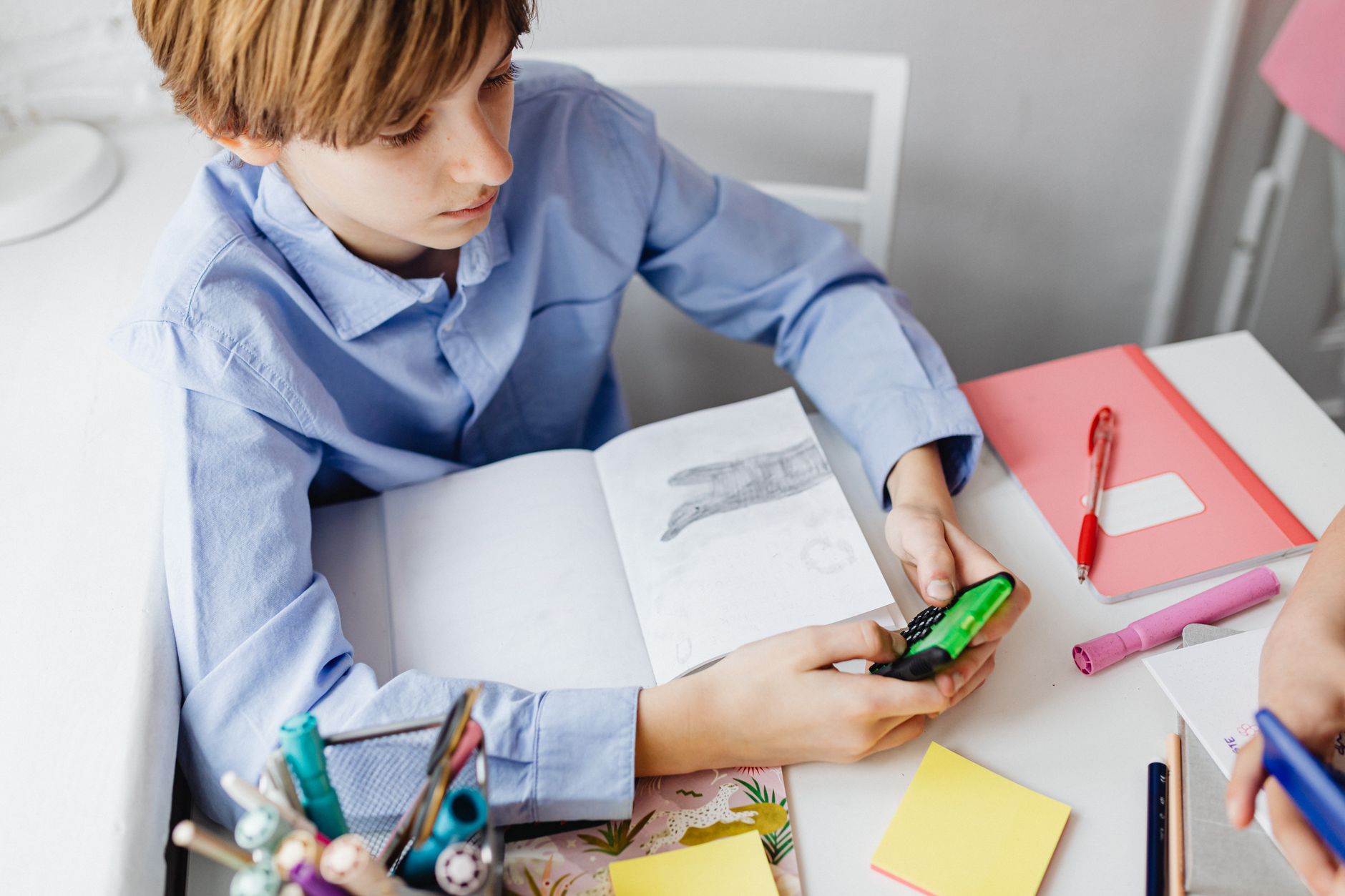
Your child sits down to do their maths homework. Within ninety seconds, they've found a crayon, remembered they're thirsty, and asked you how to spell "the". You look around your kitchen table—surrounded by yesterday's toast crumbs, someone's permission slip, and a mystery sticky patch—and wonder if the problem is geography or décor.
The truth is, a good homework space doesn't require a dedicated room, a Pinterest-worthy mood board, or money you don't have. It just needs to be actually there, reasonably quiet, and set up in a way that says to your kid: "This is where brains happen."
The Real Estate Question: Where, Exactly?
Start with what you've actually got. A corner of the kitchen table. The dining room. A clear spot on a desk that also holds last month's bills. Even a sturdy lap desk propped against a cushion in the lounge will do.
The only genuine non-negotiable: it should be away from the main chaos of the house—not next to the TV, not in the path between the fridge and the lounge. Kids' brains are still learning to focus. You're not being mean by making them sit somewhere quieter; you're just stacking the odds in their favour.
If you've got multiple kids and one desk, you'll need a system. Some families do different times (one studies at the table while the other reads in the lounge, then they swap). Others split the day: homework straight after school, dinner, then second homework push. It's fiddly, but it works.
What Actually Goes On the Desk
Keep it stupid simple at first. You need:
- A chair that fits. If they're swinging their legs and hunching, they'll last about four minutes before finding an excuse to leave. A cushion or stack of books can buy you cheap height if the chair's too tall.
- Good light. A bedside lamp dragged down from upstairs is fine. Dark spots make homework feel harder than it is.
- Pen, pencil, and paper. (Yes, sometimes they're not there. A small cup or tin corrals them.)
- Water bottle. Fill it before they sit down and save yourself the "but I'm thirsty" interruptions.
- A small shelf or container for current homework. Kids lose papers like pigeons lose feathers. A shoebox or small plastic tray keeps it corralled.
That's genuinely it. Resist the urge to make it perfect. A space that exists right now beats a perfect space you're still planning.
The Age Thing Matters More Than You'd Think
Primary-age kids (Prep to Year 3) don't need much. They mostly need you nearby and a flat surface. Sitting at the kitchen bench while you cook dinner works fine—they can ask questions, you're not locked in a room together, and it's normal life.
Years 4–6 are the sweet spot for building a real routine. This is when homework gets longer and repetition starts mattering. A dedicated spot they can return to each day—even if it's always the same kitchen corner—builds a habit without much fuss.
High schoolers need something quieter and more their own. But they also need to know you're in the house. Closed bedroom door is fine; locked door with earplugs is them telling you they're overwhelmed. Check in occasionally.
The One Thing Worth Investing In (If You're Splurging)
A decent task lamp costs $30–60 and honestly transforms a gloomy corner. Nothing fancy. Just bright. Eyes strain in the dark, and strained kids get frustrated faster.
Everything else—the desk, the chair, the container for pencils—can be hand-me-downs, finds from a charity shop, or things you already own. Kids don't care if their study spot looks Scandinavian. They care if it works.
The Killer Detail: Removing the Obstacles First
Before you sit them down, remove the distractions. Not the toys—the active obstacles.
- Phone in another room? Excellent.
- TV off? Even better.
- Siblings' chaos contained somewhere else? Magic.
- That printout of the school newsletter finally binned? Revolutionary.
You're not creating a sterile space. You're just clearing away the things that make focusing harder than it needs to be.
And Then You Just... Use It
The real work isn't the setup. It's the consistency. Same time, same spot, every school day. After a fortnight, your kid won't even think about it—they'll just know that's where homework lives.
Will they still try to get out of it? Absolutely. Will they occasionally claim the chair's "broken" and try the couch? Without question. But a space that's already there, already set up, and already a habit is your best defence against the daily negotiation about whether maths can actually be done on the floor by the dog bed.
It probably can't. But having somewhere better to suggest sure helps.
Photo by www.kaboompics.com on Pexels