1. Overview
Abbotsleigh is an independent Anglican day and boarding school for girls, offering a comprehensive K–12 education in Wahroonga, NSW. The campus supports a broad curriculum and vibrant co-curricular life, with a strong emphasis on leadership, service, and academic excellence. The school operates a large, busy campus with extensive facilities and a strong sense of community.
- School type: Independent/private
- School size: Large
- Class size: Typically around 20 students
- Atmosphere/culture: Academic, nurturing, inclusive
2. Academics & Learning
Abbotsleigh provides a rigorous, well-rounded academic program with strong emphasis on both STEM and the humanities, along with leadership and language study. The school offers opportunities for accelerated or gifted and talented programs and supports students to pursue ambitious goals through a range of extension options.
- Academic strengths: STEM, English and humanities, languages, leadership programs
- Special programs: Gifted & Talented / accelerated learning opportunities; leadership development; possible international or global perspectives elements
- NAPLAN / trends: Historically strong NAPLAN performance with a positive trend over time, reflecting sustained high attainment and continued improvement in targeted cohorts
- Student-teacher ratios: Lower-than-average ratios that support individualized attention and timely feedback
- Support for diverse learners: EAL support, learning support for SEN, targeted intervention and remediation, tutoring options
3. Sports & Extracurricular Strengths
A robust co-curricular program complements classroom learning, with wide options across sport, arts, and clubs. The school encourages participation in team and individual activities and supports ongoing development through school and Community partnerships.
- Sports offered: Netball, tennis, hockey, basketball, swimming, athletics, soccer, cricket, and other on-campus or inter-school activities
- Strong teams or achievements: Competitive inter-school programs with recognized results within NSW independent school circuits
- Music, arts, drama programs: Comprehensive music ensembles, drama productions, and performing arts opportunities
- Clubs: Robotics, coding, chess, debating, and other STEM or intellectual clubs
- Partnerships: Local academies and competitions, community arts partnerships, and regional or inter-school events
4. Wellbeing & Pastoral Care
Wellbeing and pastoral care are central to Abbotsleigh’s ethos, with systems in place to support students’ emotional health, resilience, and sense of belonging.
- Anti-bullying approach: Proactive, clear policies with education and support to maintain a respectful environment
- House system: Active house structure that fosters belonging, leadership opportunities, and mentorship
- Counsellors / wellbeing officers: Dedicated wellbeing staff and access to counselling services
- Transition support for new students: Buddy programs, orientation experiences, and tailored induction pathways
5. Facilities
The school’s facilities support academic, creative, and physical development with modern, well-equipped spaces.
- Sports grounds
- Libraries
- Science labs
- Music/performing arts centers
- Tech/innovation labs
- Cafeteria
- Updated playgrounds
6. School Values & Community Culture
Abbotsleigh emphasizes values-driven education within a supportive, values-based community culture.
- School values / mission: Leadership, scholarship, service, integrity, and respect
- Leadership style: Student leadership opportunities (e.g., prefects, captains, committees) and teacher mentorship
- Behaviour expectations: Clear codes of conduct aligned with school values, with consistent accountability
- Community reputation: Strong, engaged school community known for academic rigor and supportive culture
- Diversity & inclusion: Commitment to inclusive practices and support for a diverse student body
7. School Logistics & Daily Operations
Practical information to help families plan around school life.
- School hours: Typical day starts in the morning and finishes in the mid-afternoon
- Before/after school care: Available programs or supervision
- Uniform requirements: Standard uniform policies with seasonal adjustments
- Transport: Bus networks on the North Shore and local transport options; proximity to train routes
- Canteen availability: On-site canteen or lunch facilities
- Fees: In the higher range for private independent schooling; additional costs for uniforms, excursions, activities
8. Enrolment & Admissions
11. What is the enrolment process and timeline?
12. Is there a waiting list, and how does it work?
13. Are there any entry requirements, tests, or interviews?
14. Does the school accept mid-year transfers?
- Enrolment process and timeline: Generally involves initial inquiry, application, documentation, and an interview or assessment stage; timelines can span several months to a year depending on year level and place availability
- Waiting list: Some year levels may operate a waiting list; placement depends on space and the school’s selection criteria
- Entry requirements, tests, or interviews: Often includes academic records, references, interviews, and possibly age-appropriate assessments or tests; EAL assessments if relevant
- Mid-year transfers: May be possible if a place is available and assessment/interview requirements are met
9. Frequently Asked Questions
- Why Parents Choose This School?
A: Parents often choose Abbotsleigh for its combination of strong academics, nurturing pastoral care, extensive co-curricular offerings, and a supportive, values-based community.
- What type of student thrives at this school?
A: Motivated, curious girls who engage with learning, leadership opportunities, and service; students who value high expectations within a collaborative, inclusive environment.
- What opportunities are available for students to extend their skills (academics, sports, arts)?
A: Extension and accelerated programs, leadership roles, regional and inter-school competitions, music ensembles, drama productions, debating, and a wide range of sports.
- How does the school communicate with parents?
A: Through a combination of emails, a parent portal, termly reports, newsletters, parent information evenings, and regular updates from teachers and coordinators.
- What is the school’s approach to teaching and learning?
A: Student-centered, inquiry-based learning with differentiation to meet diverse needs, integration of technology, and opportunities for collaboration and critical thinking.
- How does the school support students who need extra academic help?
A: Access to learning support, EAL services, SEN assistance, tutoring options, and targeted intervention plans as needed.
- What support is available for academic challenges?
A: Mentoring, access to specialist teachers, extension opportunities, and progress monitoring to ensure appropriate supports are in place.
- How does the school communicate with parents?
A: See above: regular updates via portal, emails, reports, and events; multiple channels to maintain open dialogue.
- What are the class sizes and how much individual attention do students receive?
A: Class sizes are typically around 18–22 students, with teachers providing regular feedback and small-group or targeted support as needed.
- What extracurricular and sports opportunities are available?
A: A broad program across sports, music, drama, and clubs (e.g., robotics, coding, chess, debating) with opportunities to compete and perform at regional levels.
- What facilities does the school offer (sports, science, arts)?
A: Sports grounds, libraries, science labs, music and performing arts centers, tech/innovation labs, canteen, and updated playgrounds.
- What is the school’s approach to technology and digital learning?
A: Integrated technology across the curriculum, digital literacy and citizenship education, and access to devices and online platforms to support learning.
- What transport and accessibility options are available?
A: Bus networks on the North Shore, proximity to train routes, coordinated drop-off/pick-up options, and accessible facilities; boarding options may be available for eligible students.
- What are the typical school fees or additional costs?
A: Fees are in the higher range for private schools; additional costs can include uniforms, excursions, camps, and extracurricular activities; scholarships or bursaries may be available in some cases.
10. Short Pros & Cons list
- Pros
- Strong academic program across K–12
- Broad co-curricular, leadership and service opportunities
- Comprehensive wellbeing and pastoral care
- Modern facilities and ample resources
- Supportive, values-driven community
- Cons
- Higher fees compared with some government or non-private options
- Competitive environment may feel intense for some students
- Large school size can make some experiences feel less intimate in certain contexts











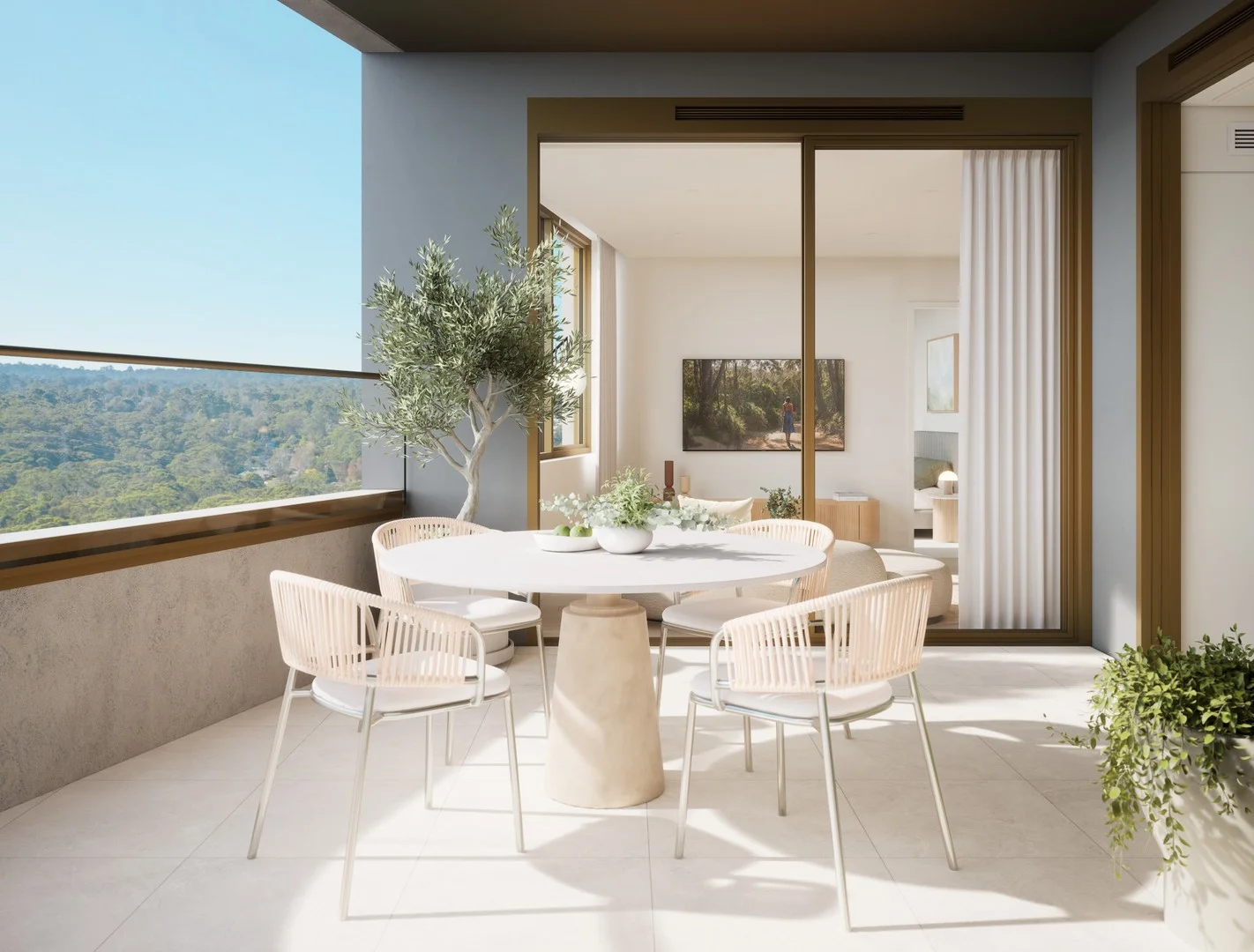 $1,525,000
Apartment / Unit / Flat
$1,525,000
Apartment / Unit / Flat
 $36,000,000 - $39,500,000
Vacant Land
$36,000,000 - $39,500,000
Vacant Land
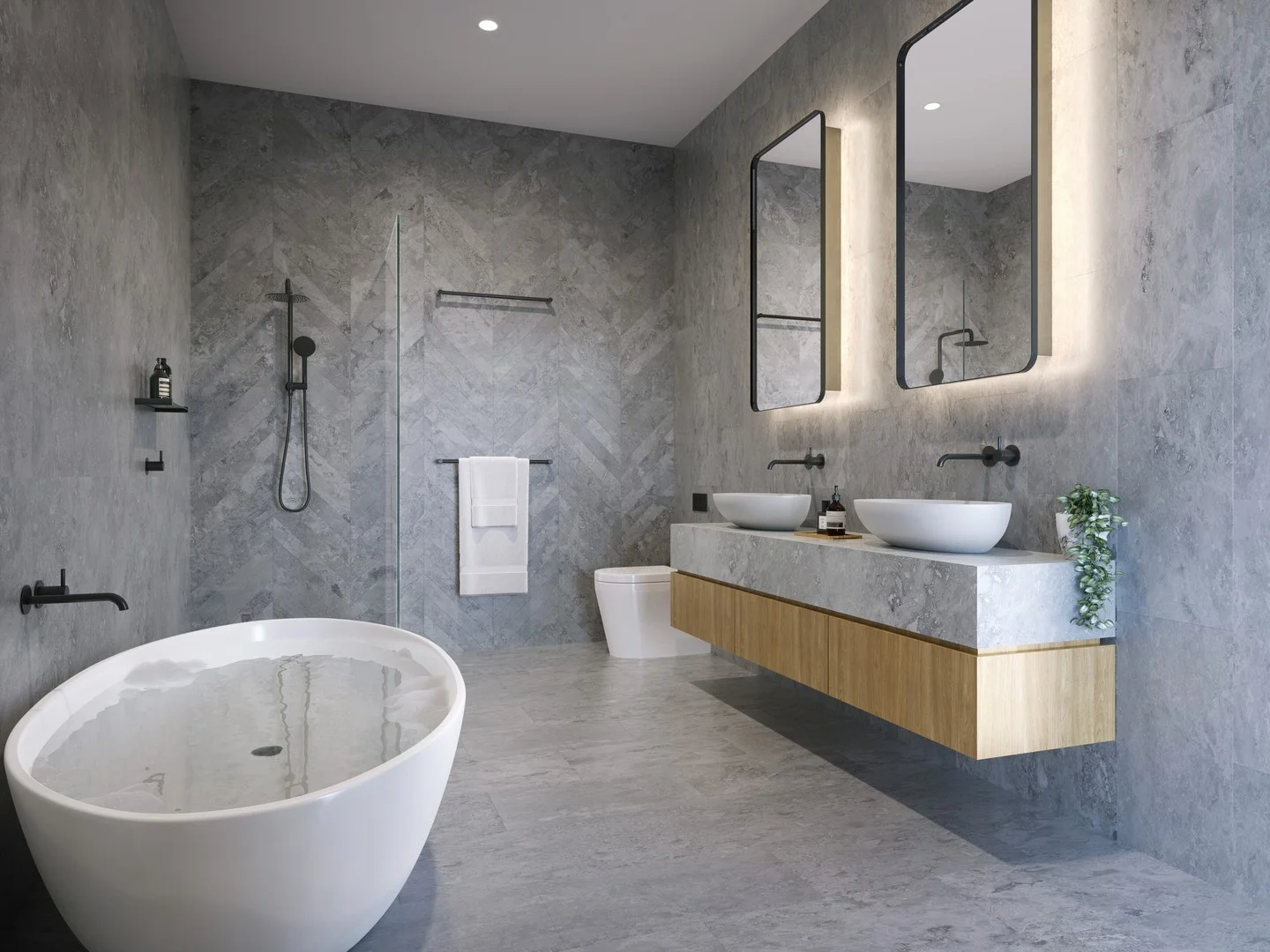 $2,824,000
Apartment / Unit / Flat
$2,824,000
Apartment / Unit / Flat


