Overview
1. Overview
Adelaide East Education Centre is a public, co-educational government school serving families in the Paradise area. It is a medium-sized school that focuses on building a welcoming and inclusive community where students feel supported to achieve their best. Class sizes are typically in the mid-range, with a mix of instructional approaches to suit diverse learning needs. The atmosphere is nurturing and inclusive, with an emphasis on student well-being, collaboration, and academic growth.
The school strives to provide a balanced environment that supports both wellbeing and learning. Parents can expect a culture that values respect, participation, and community involvement, underpinned by a commitment to equity and opportunity for every student.
2. Academics & Learning
Academic strengths include a solid literacy and numeracy foundation, strong English programs, and robust STEM and digital learning offerings. Languages such as French or Indonesian may be available to broaden student horizons. The school runs targeted programs for students who need acceleration or enrichment (gifted and talented pathways) and offers differentiated instruction to cater to varied learning needs.
Special programs and opportunities may include additional STEM projects, coding or robotics activities, and leadership or project-based learning initiatives. NAPLAN trends over recent years show steady improvement in reading and numeracy, with writing progressing toward state averages. The student-teacher ratio is typically around 1:16 to 1:22, with dedicated support for diverse learners, including EAL (English as an Additional Language) and students with additional learning needs (SEN). The school provides early intervention and ongoing support to help all students access the curriculum.
3. Sports & Extracurricular Strengths
Sports offered commonly include soccer, cricket, basketball, Australian rules football, athletics, swimming, and running clubs, with participation in district or regional events. Strong teams regularly compete in local competitions, and some may reach finals or achieve notable results in their divisions. Music, drama, and arts programs provide performance opportunities and ensemble experiences.
Clubs available often include robotics, chess, coding, debating, and other interest-based groups. The school maintains partnerships with local clubs, community organizations, and regional competitions to extend student opportunities in sports, arts, and STEM.
4. Wellbeing & Pastoral Care
A strong wellbeing focus is a top priority. The anti-bullying approach emphasizes respect, restorative practices, and a safe environment for all students. A house system (where applicable) helps promote belonging and healthy competition between teams, with clear expectations around behaviour and helping one another succeed.
Counsellors or wellbeing officers are available to support students’ emotional and social needs, and there are structured transition programs and buddy initiatives to help new students settle in quickly. The school places importance on creating a supportive, inclusive culture where every student can access help when needed.
5. Facilities
- Sports grounds
- Libraries
- Science labs
- Music/performing arts centers
- Tech/innovation labs
- Cafeteria
- Updated playgrounds
The facilities emphasize a balanced curriculum, with spaces designed for hands-on science work, creative arts, and modern digital learning. The school aims to keep spaces fresh and functional to support a wide range of learning activities.
6. School Values & Community Culture
The school’s values focus on respect, integrity, collaboration, and resilience. Its mission centers on developing capable, compassionate, and responsible citizens. Leadership tends to be distributed, with opportunities for student voice and leadership roles aligned to age and ability. Behaviour expectations emphasize restorative approaches and positive reinforcement, and the school actively promotes diversity and inclusion, aiming to reflect the broader community it serves. Strong community reputation comes from consistent care for students, transparent communication with families, and active involvement in local partnerships.
7. School Logistics & Daily Operations
- School hours: typically start in the morning and finish in the mid-afternoon, with specific times published by the school each year.
- Before/after school care: OSHC or similar options may be available.
- Uniform requirements: formal school uniform is standard, with guidance on seasonal updates and appropriate footwear.
- Transport: local bus routes and nearby public transport options, with safe drop-off/pick-up zones and accessibility considerations.
- Canteen availability: on-site canteen or meals program on school days.
- Fees: public schools generally have low to modest fees for materials, activities, and excursions; additional costs may apply for certain events or optional programs.
8. Enrolment & Admissions
11. What is the enrolment process and timeline?
- Submit an enrolment application with required documents (proof of identity and residency, birth certificate, immunisation up-to-date certificate, and any program-specific forms).
- Attend any information sessions or orientation events if offered.
- The school team reviews applications and confirms placement subject to current enrolment capacity and local catchment rules.
- If offered a placement, complete any enrolment paperwork and pay applicable fees; receive details for orientation and start.
Timeline guidelines vary by year and placement availability, but families should begin the process well ahead of the requested start date and are encouraged to contact the school for exact timelines.
12. Is there a waiting list, and how does it work?
- There may be a waiting list when enrolments exceed available places. Local catchment eligibility priority often applies.
- The school will provide information about expected wait times and how to stay on the list or update details if circumstances change.
- Updates are typically provided periodically, and vacancies are offered as they become available.
13. Are there any entry requirements, tests, or interviews?
- For most standard enrolments, there are no entrance exams. The process centers on eligibility (catchment rules) and required documentation.
- Interviews or information sessions may occur for students applying to specific programs or if the school has limited places. Any assessments would be explained during the enrolment process.
14. Does the school accept mid-year transfers?
- Mid-year transfers are possible if there is a vacancy and space in the requested year level.
- Parents should contact the school as soon as possible to discuss availability, transfer procedures, and required documentation (transcripts, immunisation records, etc.).
9. Frequently Ask Questions
- Why Parents Choose This School?
Families value the strong sense of community, supportive staff, focus on student wellbeing, inclusive culture, and steady academic progress.
- What type of student thrives at this school?
Students who respond well to a collaborative, supportive environment, who participate in clubs and sports, and who value inclusive learning and wellbeing programs tend to thrive.
- What opportunities are available for students to extend their skills (academics, sports, arts)?
There are opportunities across academics, STEM and coding clubs, robotics, arts and drama programs, music ensembles, debating, and competitive sports, along with leadership and service opportunities.
- How does the school communicate with parents?
Regular newsletters, email updates, an online portal, and scheduled parent-teacher interviews are typical. The school aims to provide timely information about student progress and events.
- What is the school’s approach to teaching and learning?
The school emphasizes student-centered, differentiated instruction, literacy and numeracy focus, integration of technology, and inquiry-based or project-based learning where appropriate.
- How does the school support students who need extra academic help?
In-class differentiation, targeted interventions, EAL and SEN support, small-group or one-on-one tutoring, and after-school or enrichment programs are available.
- What support is available for academic challenges?
Students can access targeted support, learning plans, and consultation with teachers and support staff to address specific challenges and track progress.
- How does the school communicate with parents? (duplicate)
See above: newsletters, portals, emails, and parent-teacher interviews.
- What are the class sizes and how much individual attention do students receive?
Class sizes are typically mid-range (approximately 22–28 students per class). Individual attention is supported through differentiated instruction, targeted interventions, and access to teacher help during and after class as needed.
- What extracurricular and sports opportunities are available?
A broad range of sports (team and individual), plus clubs in STEM, coding, robotics, chess, debating, arts, and music/drama programs provide extended opportunities.
- What facilities does the school offer (sports, science, arts)?
The school provides sports grounds, libraries, science labs, music/performing arts facilities, tech/innovation labs, a cafeteria, and updated playgrounds.
- What is the school’s approach to technology and digital learning?
Emphasis on digital literacy, classroom technology integration, use of interactive tools, and safe, responsible use of devices; opportunities for coding and computational thinking across year levels.
- What transport and accessibility options are available?
Local bus routes, proximity to public transport, safe drop-off/pick-up zones, and accessible facilities to accommodate students with mobility needs.
- What are typical school fees or additional costs?
Public schools generally have low fees for materials, activities, and excursions; additional costs may apply for optional programs, camps, or some school-wide events.
10. Short Pros & Cons list
Pros
- Strong sense of community and inclusive culture
- Good focus on student wellbeing and supportive pastoral care
- Broad range of academics, clubs, sports, and arts
- Accessible facilities for science, arts, and technology
- Clear and regular communication with families
Cons
- As a public school, enrolment is subject to catchment rules and available space
- Large schools can have a wide range of student needs, which may affect individual pace in some cases
- Some specialised programs may require competition for limited places
- Fees are modest, but upfront costs for excursions, uniforms, or activities can add up
If you’d like, I can tailor this content further to align with any updated policies or programs you plan to advertise for Adelaide East Education Centre.








 $545,000
Apartment / Unit / Flat
$545,000
Apartment / Unit / Flat
 $588,000
Apartment / Unit / Flat
$588,000
Apartment / Unit / Flat
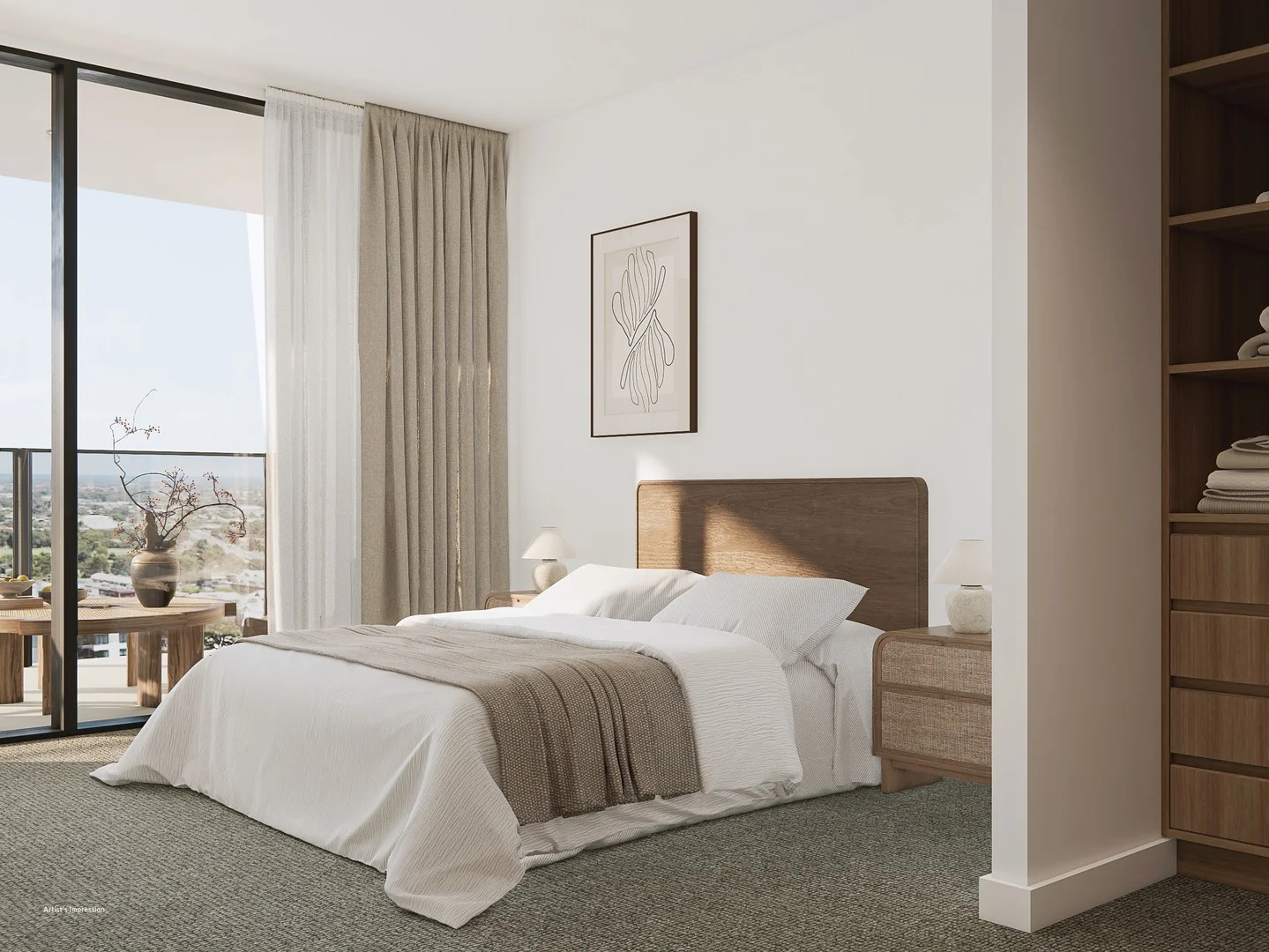 $935,000
Apartment / Unit / Flat
$935,000
Apartment / Unit / Flat
 $1,056,000
Apartment / Unit / Flat
$1,056,000
Apartment / Unit / Flat
 $557,000
Apartment / Unit / Flat
$557,000
Apartment / Unit / Flat
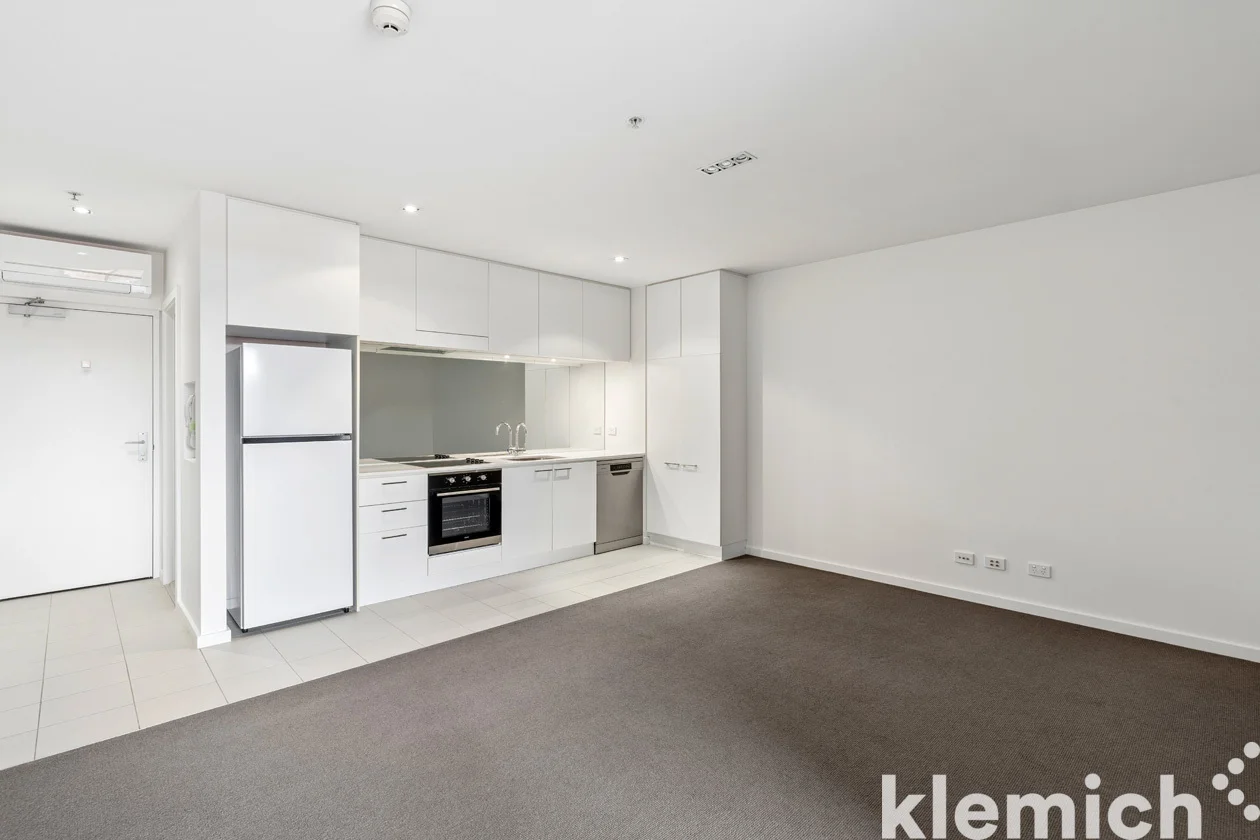 $440,000
Apartment / Unit / Flat
$440,000
Apartment / Unit / Flat
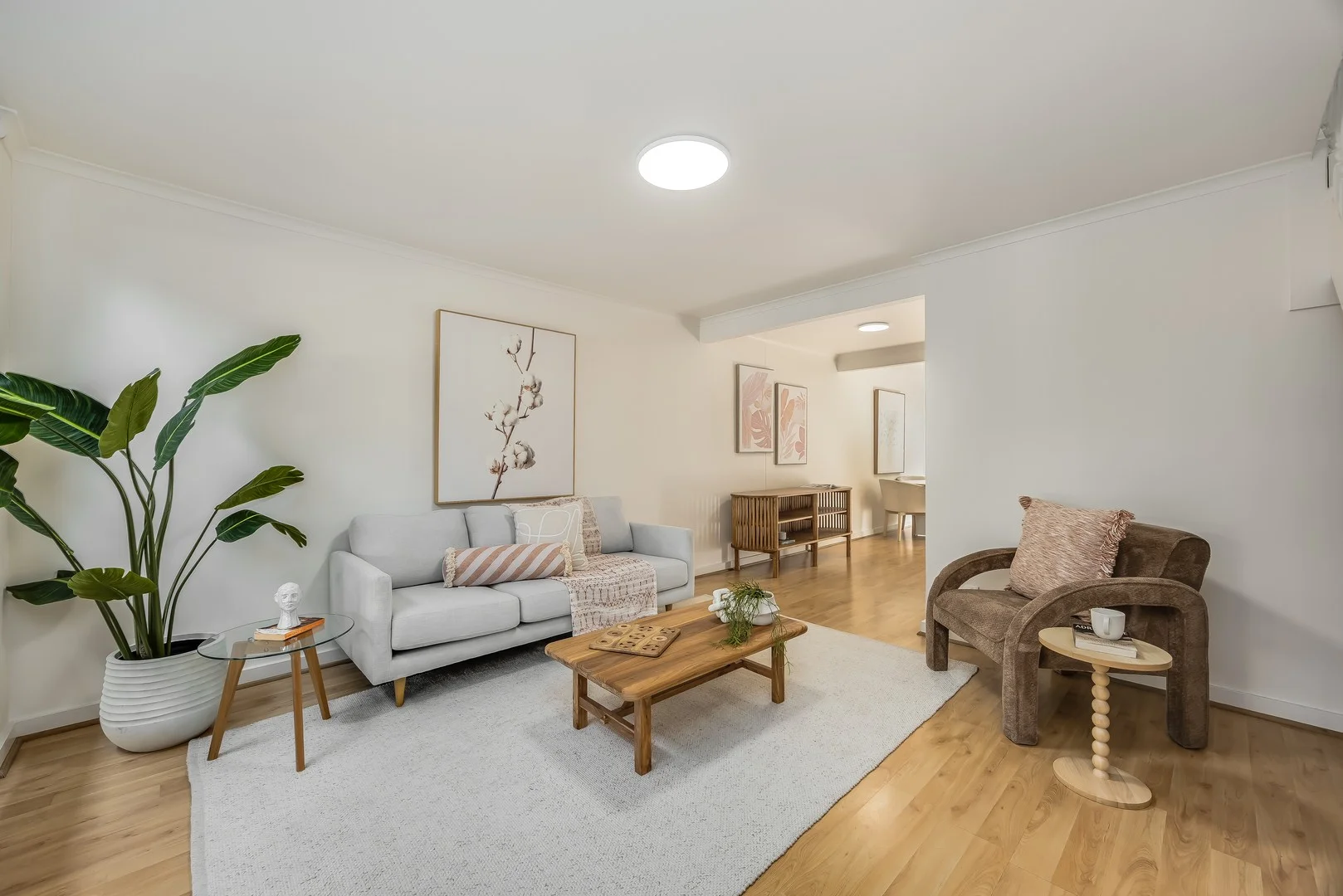 $775,000
House
$775,000
House
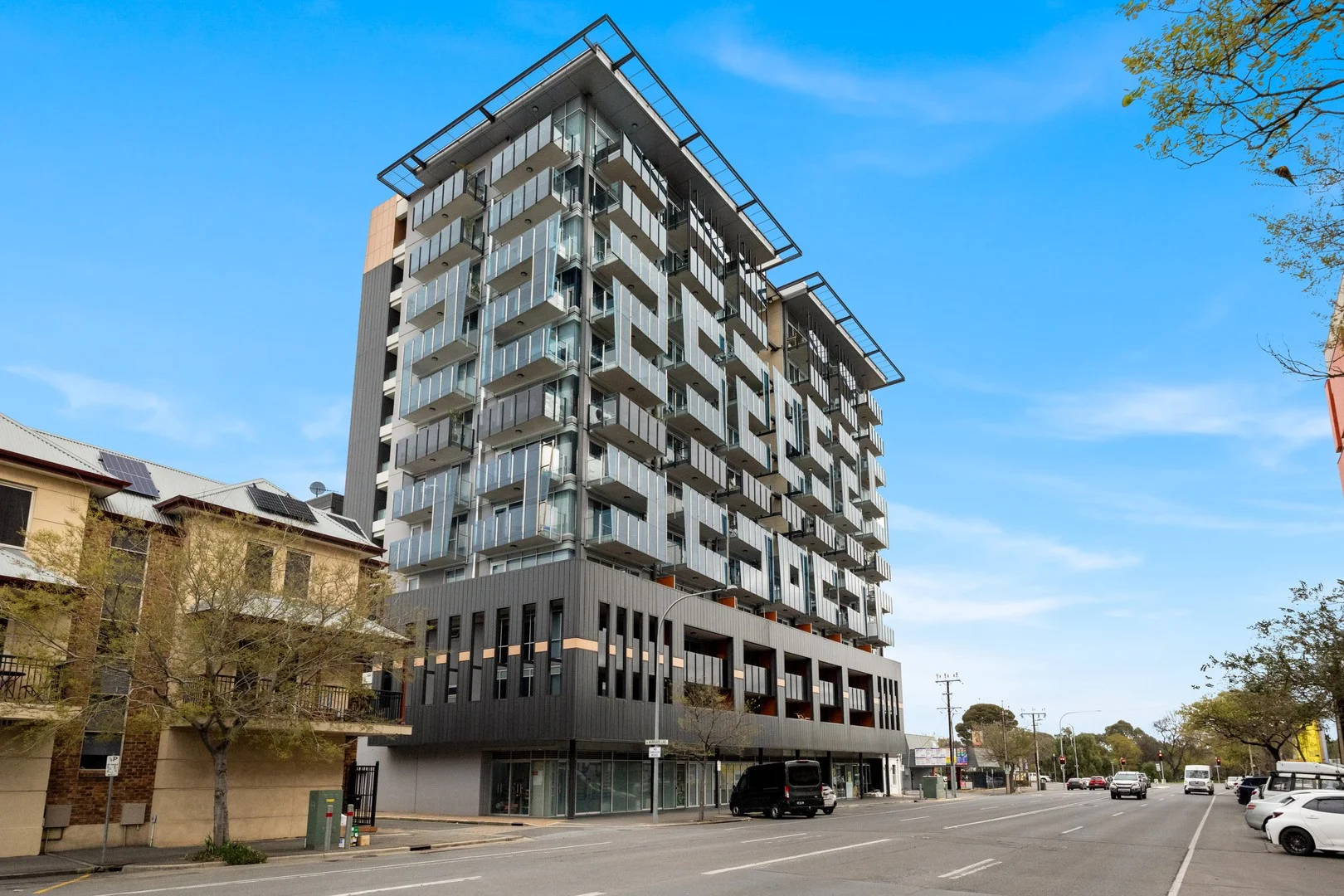 $1,100,000
Apartment / Unit / Flat
$1,100,000
Apartment / Unit / Flat