Overview
## 1. Overview (1–2 paragraphs max)
Avenues College Windsor Gardens is an independent, co-educational secondary school serving families in Adelaide’s Windsor Gardens area. The school emphasises a balanced, holistic approach to education with a focus on academic growth, wellbeing, and community values. It aims to create an inclusive environment where students are encouraged to explore their interests and develop as confident, responsible young people.
The school is medium-sized, fostering a sense of close connection among students and staff. Class sizes are designed to provide individual attention and strong teacher-student relationships, supporting a nurturing yet academically rigorous culture. Expect a campus atmosphere that blends academic effort with student well-being, leadership opportunities, and active involvement in school life.
⸻
## 2. Academics & Learning
- Academic strengths: English literacy and strong language development, STEM-oriented learning pathways, and leadership development opportunities. The school prioritises well-rounded literacy and numeracy as foundations for broader learning.
- Special programs: Gifted and talented options and accelerated learning tracks are available to students seeking extended challenges and pace. The school focuses on differentiating learning to suit diverse strengths.
- NAPLAN / trends: Over recent years, trends show steady progress in reading and numeracy with ongoing emphasis on consistent improvement across year levels.
- Student-teacher ratios: Generally around 1:15–1:20, enabling more personalised guidance and support within classrooms.
- Support for diverse learners: Dedicated support for diverse learners, including EAL (English as an Additional Language) assistance and SEN (Special Education Needs) services, with targeted strategies and small-group options where appropriate.
⸻
## 3. Sports & Extracurricular Strengths
- Sports offered: A range of team and individual sports typical for the Australian school setting, including football (soccer), basketball, netball, cricket, athletics, and other seasonal offerings.
- Strong teams or achievements: Active interschool programs with competitive teams and a track record of participation in regional competitions.
- Music, arts, drama programs: Robust music and performing arts programs supported by a dedicated space for rehearsals and performances.
- Clubs: Robotics, chess, coding, debating, and other interests are available to broaden student skills beyond the classroom.
- Partnerships: Local partnerships with community academies and regional competitions provide additional pathways for student achievement and recognition.
⸻
## 4. Wellbeing & Pastoral Care
- Anti-bullying approach: Clear anti-bullying policies and programs, with a focus on positive school culture and proactive intervention.
- House system: A house-based structure that encourages leadership, teamwork, and regular participation in wellbeing and community activities.
- Counsellors / wellbeing officers: Access to school counsellors and wellbeing staff to support academic and personal development.
- Transition support for new students: Orientation programs, buddy systems, and transition support to help new students settle in smoothly.
⸻
## 5. Facilities
- Sports grounds
- Libraries
- Science labs
- Music/performing arts centers
- Tech/innovation labs
- Cafeteria
- Updated playgrounds
Facilities are designed to be visual and user-friendly, supporting a range of learning styles and activities across academics, arts, sport, and daily student life.
⸻
## 6. School Values & Community Culture
- School values / mission: A clear emphasis on respect, integrity, excellence, and inclusivity, guiding everyday learning and interactions.
- Leadership style: Distributed leadership with opportunities for student voice and leadership roles alongside staff oversight.
- Behaviour expectations: Positive behavior framework with consistent expectations to promote a respectful, responsible community.
- Community reputation: Generally supportive and collaborative, with active engagement from families and local partners.
- Diversity & inclusion: Committed to diversity and inclusive practices that welcome students from varied backgrounds and abilities.
⸻
## 7. School Logistics & Daily Operations
- School hours: Typical daytime timetable with start and finish times aligned to secondary school norms.
- Before/after school care: Often available or arranged through on-site or partner programs.
- Uniform requirements: Standard school uniform policy with guidelines on appearance and attire.
- Transport (train/bus routes): Accessible by public transport; information on bus routes and travel options typically provided by the school.
- Canteen availability: On-site or conveniently located canteen offering healthy options.
- Fees (low/medium/high ranges): Fees are in the mid-range for independent schools in the region; detailed fee schedules are provided by the admissions team.
⸻
## 8. Enrolment & Admissions
11. What is the enrolment process and timeline?
- Expression of interest or online inquiry followed by a formal application.
- Submission of required documents (birth certificates, immunisation records, previous school reports).
- Shortlisting and invitation to an interview or information session.
- Confirmation of place, payment of fees/acceptance, and start date planning.
- Timeline varies by year and intake; consult the admissions team for current cycles.
12. Is there a waiting list, and how does it work?
- Waiting lists may apply when intake is full. Offers for places are typically made based on availability and the school’s intake priorities, with communications outlining estimated wait times.
13. Are there any entry requirements, tests, or interviews?
- Most admissions involve an interview and a review of prior academic performance. Some cohorts may include assessments to ensure appropriate placement and readiness for the program.
14. Does the school accept mid-year transfers?
- Mid-year transfers are considered subject to space and alignment with the school’s programs and timetable. Interested families should contact admissions as early as possible.
⸻
## 9. Frequently Asked Questions
- Why Parents Choose This School?
- A supportive, inclusive community with strong academics, dedicated teachers, and a focus on student wellbeing and personal development.
- What type of student thrives at this school?
- Students who are curious, collaborative, and motivated to engage across academics, arts, and sport; those who value a supportive school community and opportunities to lead and grow.
- What opportunities are available for students to extend their skills (academics, sports, arts)?
- Options include accelerated or gifted programs, leadership opportunities, clubs (robotics, coding, debating), sports teams, and performing arts productions.
- How does the school communicate with parents?
- Regular communications through newsletters, emails, parent portals, and information evenings; timely updates on student progress and upcoming events.
- What is the school’s approach to teaching and learning?
- Student-centered, differentiated instruction with a mix of traditional and contemporary teaching strategies, supported by technology and real-world applications.
- How does the school support students who need extra academic help?
- Learning support services, targeted interventions, EAL and SEN support, and access to tutoring or small-group assistance as needed.
- What support is available for academic challenges?
- Early identification of challenges, individualized support plans, and collaboration with families to implement effective strategies.
- How does the school communicate with parents? (Note: this question appears more than once in the list.)
- See above: regular updates via multiple channels, with explicit channels for urgent matters.
- What are the class sizes and how much individual attention do students receive?
- Class sizes are designed to be moderate (roughly 20–24 students per class), allowing for meaningful teacher-student interaction and targeted support.
- What extracurricular and sports opportunities are available?
- A broad range of sports and physical education options, plus clubs such as robotics, chess, coding, debating, and a variety of arts activities.
- What facilities does the school offer (sports, science, arts)?
- Comprehensive facilities including sports grounds, libraries, science labs, music/performing arts spaces, tech/innovation labs, a canteen, and updated play areas.
- What is the school’s approach to technology and digital learning?
- Integrated use of technology to support learning, with digital resources, possibly device programs, and online platforms to facilitate collaboration and independent study.
- What transport and accessibility options are available?
- Access via public transport with nearby bus/train routes; information on specific accessibility options and travel support is provided by the school.
- What are the typical school fees or additional costs?
- Fees are in the mid-range for independent secondary education; additional costs may apply for activities, excursions, and uniforms. Specific figures are provided by the admissions team.
⸻
## 10. Short Pros & Cons list
- Pros
- Independent school offering a holistic education with a supportive culture
- Moderate class sizes enabling personalized attention
- Strong emphasis on wellbeing, inclusivity, and student leadership
- Broad range of extracurriculars, sports, arts, and STEM opportunities
- Clear communication with families and structured transition support
- Cons
- As an independent school, fees are applicable and may be higher than public options
- Availability of places can be limited at certain year levels; mid-year transfers subject to space
- Specific programs or facilities may vary by year; always confirm current offerings with admissions
⸻









 $545,000
Apartment / Unit / Flat
$545,000
Apartment / Unit / Flat
 $588,000
Apartment / Unit / Flat
$588,000
Apartment / Unit / Flat
 $557,000
Apartment / Unit / Flat
$557,000
Apartment / Unit / Flat
 $1,056,000
Apartment / Unit / Flat
$1,056,000
Apartment / Unit / Flat
 $935,000
Apartment / Unit / Flat
$935,000
Apartment / Unit / Flat
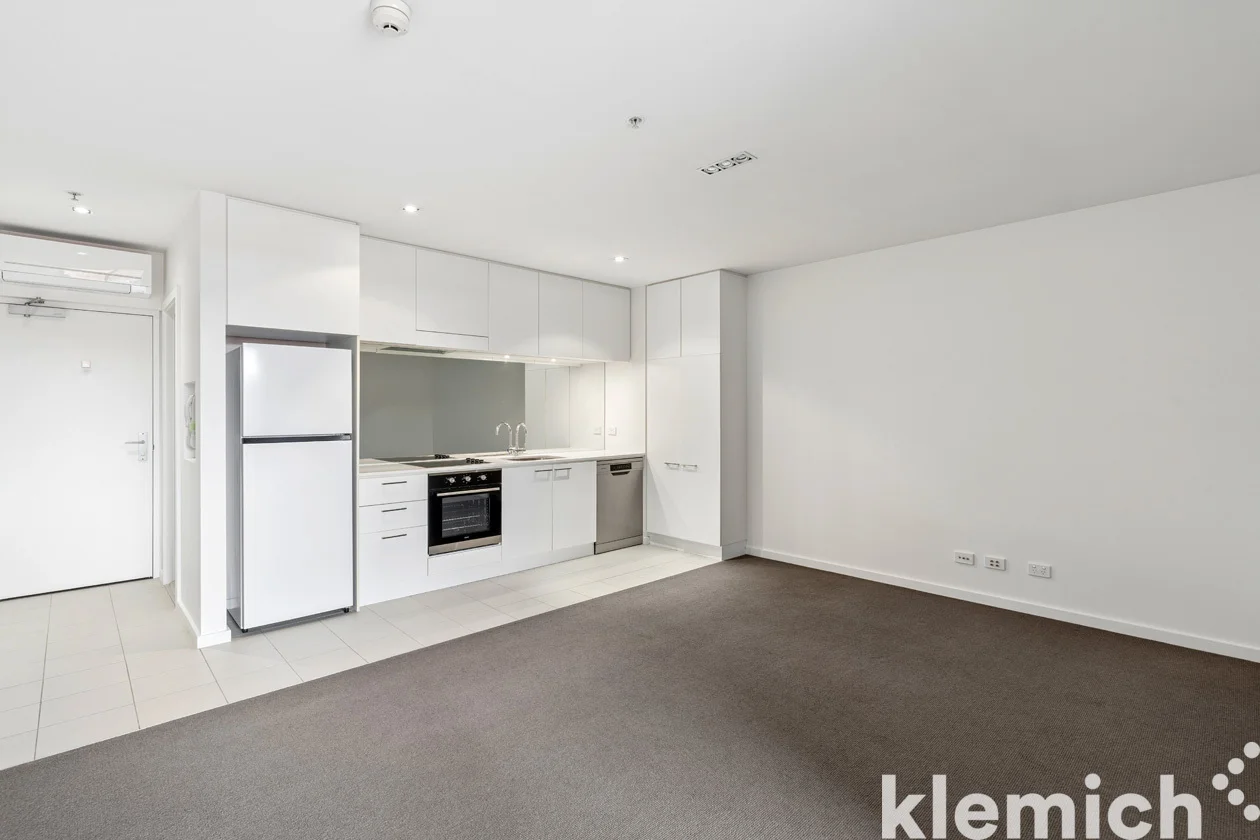 $440,000
Apartment / Unit / Flat
$440,000
Apartment / Unit / Flat
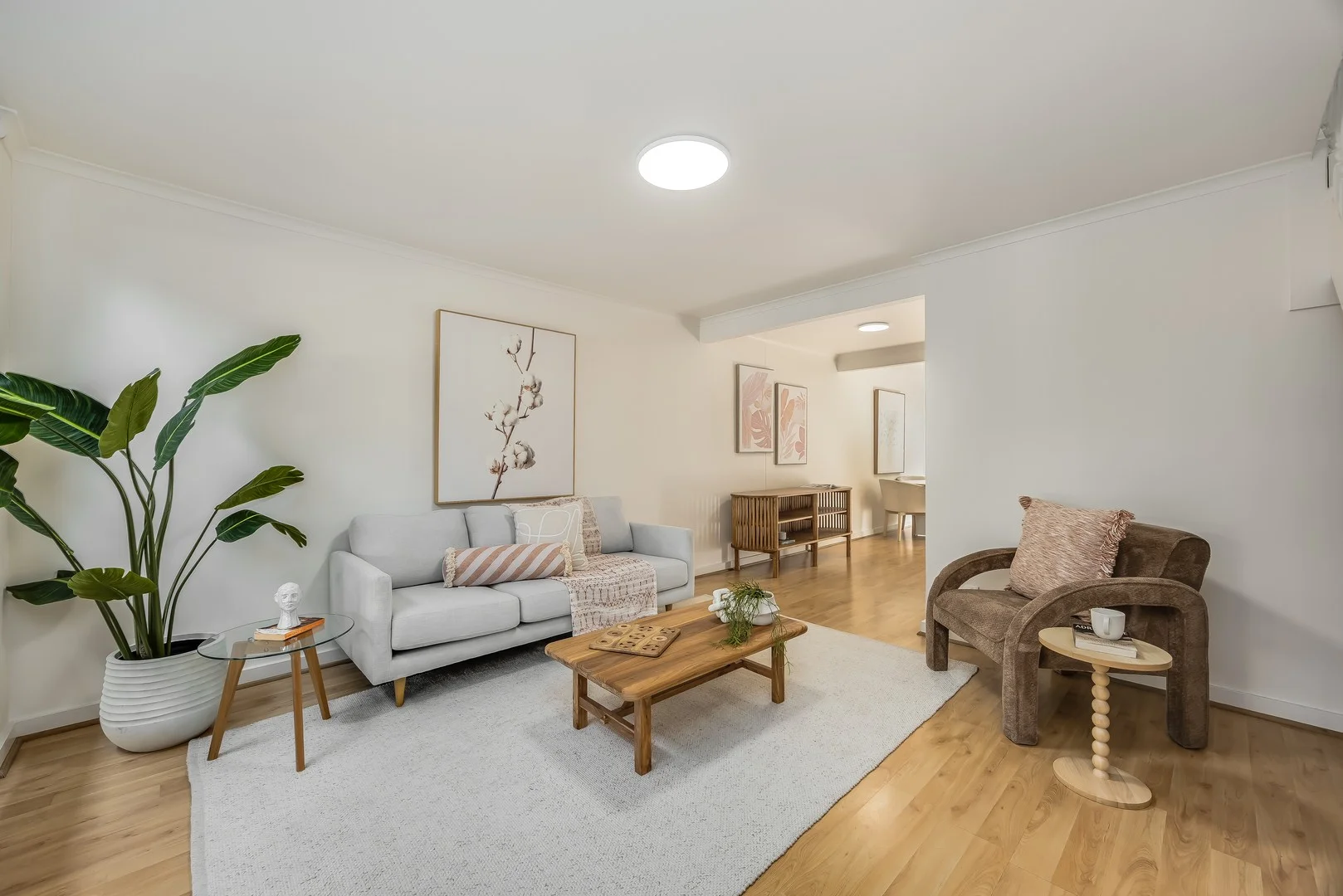 $775,000
House
$775,000
House
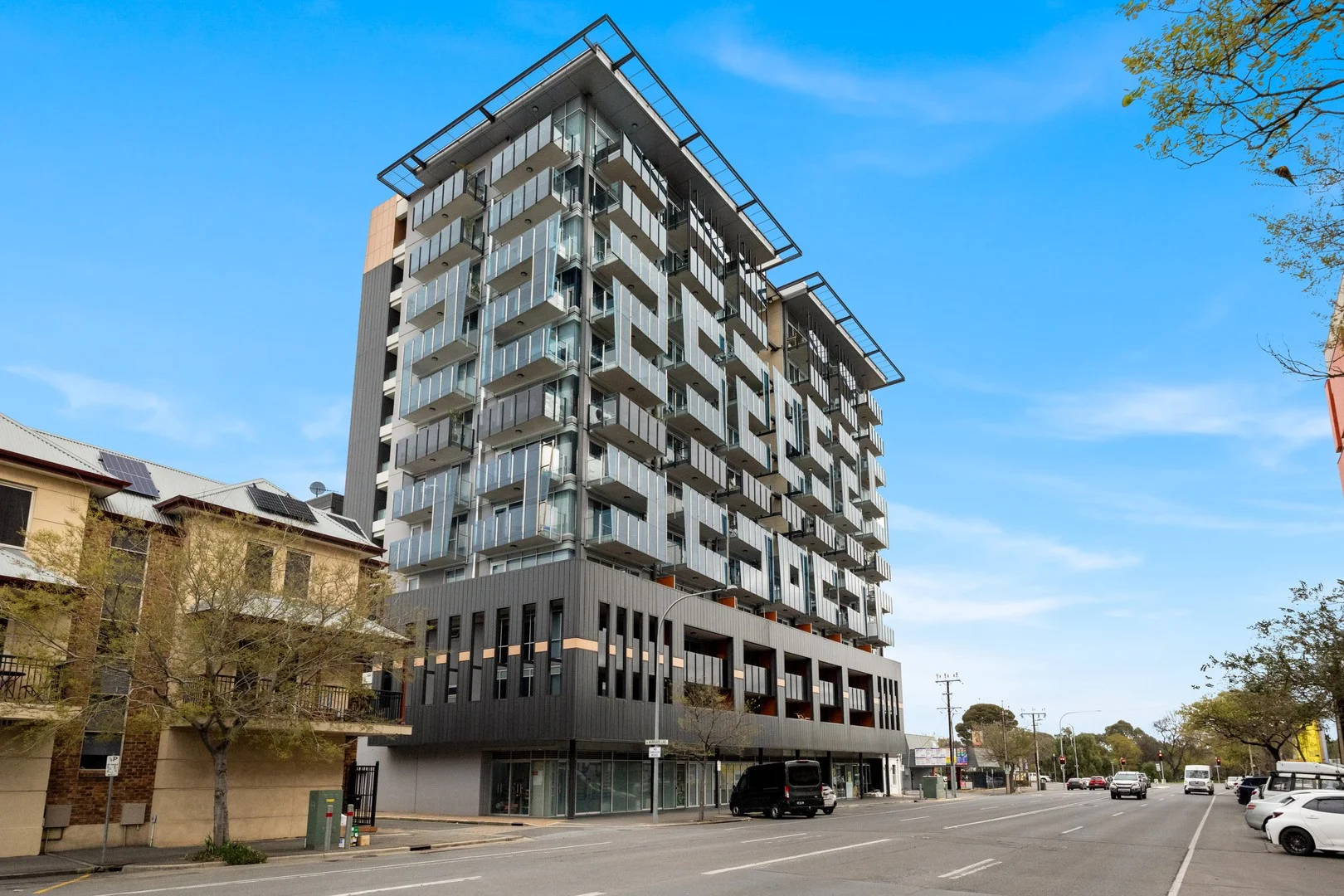 $1,100,000
Apartment / Unit / Flat
$1,100,000
Apartment / Unit / Flat