Overview
1. Overview
Al-Ameen College is a private/independent school with a faith-based ethos serving families in the WA Langford area (postcode 6147). The college aims to provide a values-driven education that blends academic preparation with strong pastoral care. The environment is designed to feel welcoming and supportive, with a focus on building character and community.
The school is categorized as a medium-sized community, with class sizes typically in the low-to-mid 20s. The atmosphere emphasizes inclusivity, respect, and collaboration, supporting students to grow academically while engaging in extracurricular and service opportunities.
2. Academics & Learning
- Academic strengths: The college emphasises literacy and numeracy alongside core subjects, with strengths across English, science, STEM-related faculties, and language studies. There is also emphasis on leadership development and student initiative.
- Special programs: The school offers pathways for gifted and talented learners and opportunities for accelerated learning where available. EAL/SEN support is provided to assist diverse learners in accessing the curriculum.
- NAPLAN trends: Over recent years, the college has focused on improving outcomes in key domains such as reading and numeracy, with ongoing efforts to raise overall academic attainment and student confidence.
- Student-teacher ratios: Class sizes and teacher-to-student ratios are designed to support active learning and individual attention; typical ratios are in the low-to-mid-teens to 1:20s range depending on year level and subject.
- Support for diverse learners: A formal framework exists for English as an Additional Language (EAL) learners and for students with special educational needs (SEN), including targeted support and in-class differentiation.
3. Sports & Extracurricular Strengths
- Sports offered: The college provides a range of sports typical for WA schools, including team and individual activities such as soccer, basketball, cricket, netball, and athletics, with opportunities to represent the school in local and regional competitions.
- Strong teams or achievements: Teams and individuals participate in district-level events, with emphasis on teamwork, discipline, and fair play.
- Music, arts, drama programs: The school runs music and performing arts initiatives, with opportunities to participate in ensembles and drama productions that showcase student talents.
- Clubs: Robotics, chess, coding, and debating are among the clubs available to students seeking enrichment outside the classroom.
- Partnerships: The college connects with local clubs, academies, and competitions to broaden student exposure to sport, science, and creative arts.
4. Wellbeing & Pastoral Care
- Anti-bullying approach: A proactive anti-bullying policy, clear reporting channels, and a culture of respect underpin the school’s approach to student wellbeing.
- House system: The school uses a house or pastoral grouping to foster camaraderie, mentorship, and healthy competition across activities and events.
- Counsellors / wellbeing officers: On-site counsellors or wellbeing staff provide confidential support for students, families, and carers.
- Transition support for new students: Orientation programs, peer mentoring, and transition materials help new students settle in and feel connected from day one.
5. Facilities
- Sports grounds: On-site sports facilities support a range of physical education activities and team sports.
- Libraries: A dedicated library space supports reading, research, and study.
- Science labs: Well-equipped laboratories enable practical experiments across science subjects.
- Music/performing arts centers: Facilities for music practice, rehearsals, and performances exist to support arts education.
- Tech/innovation labs: Innovation spaces and ICT resources enable hands-on learning in technology-rich projects.
- Cafeteria: An on-site canteen or cafeteria provides meals and snack options.
- Updated playgrounds: Play areas and outdoor spaces are designed for safe, active recreation.
6. School Values & Community Culture
- School values / mission: The college emphasizes values such as respect, integrity, service, and inclusion within a faith-informed, community-centered education.
- Leadership style: Leadership is generally collaborative and student-centered, encouraging student voice in appropriate settings and fostering responsible citizenship.
- Behaviour expectations: A clear code of conduct guides behaviour, with positive reinforcement and restorative approaches where needed.
- Community reputation: The school aims to maintain a welcoming, family-friendly reputation, with emphasis on trust, communication, and partnerships with families.
- Diversity & inclusion: The college pursues an inclusive culture that welcomes students from diverse backgrounds and supports equitable access to learning opportunities.
7. School Logistics & Daily Operations
- School hours: The school day typically runs through standard daytime hours, with start and finish times published by the school and varying by year level.
- Before/after school care: After-school care and supervision arrangements are commonly offered to families needing extended hours.
- Uniform requirements: A formal uniform policy applies, with details on items, colours, and suppliers available via the school's communications.
- Transport (train/bus routes): Public transport options and school-arranged bus routes or drop-off points are available to assist families with travel to and from campus.
- Canteen availability: An on-site canteen or lunch service provides meals and light snacks during the day.
- Fees (low/medium/high ranges): As a private/independent school, fees exist with ranges that depend on year level and chosen programs; exact figures are provided by the admissions team.
8. Enrolment & Admissions
11. What is the enrolment process and timeline?
- Typical steps include submitting an application, providing required documentation (e.g., birth certificate or identity documents, immunisation records), and paying an application fee.
- After review, families may be invited to an interview or information session, and students may complete a short assessment or activity depending on year level.
- Offers are issued upon completion of the assessment/interview, with formal acceptance and enrollment steps following. The timeline varies by intake and space availability.
12. Is there a waiting list, and how does it work?
- Waiting lists are commonly used when demands exceed current vacancies. Applications may be dated to determine order of consideration, with priority given to siblings or applicants meeting certain criteria as defined by the school.
13. Are there any entry requirements, tests, or interviews?
- Entry commonly involves an interview and sometimes an age-appropriate assessment or demonstration of readiness for the curriculum. Documentation such as birth records and immunisation status may be required. International or visa-related considerations may apply for non-residents.
14. Does the school accept mid-year transfers?
- Mid-year transfers are considered where space permits. Parents should contact the admissions team to discuss suitability, available places, and the exact process for mid-year entry.
9. Frequently Ask Questions
- Why Parents Choose This School?
This school appeals to families seeking a values-based private education with strong pastoral care, a supportive community, and a balanced focus on academics, sport, and arts.
- What type of student thrives at this school?
Students who are motivated, community-minded, engaged in learning, and willing to participate in clubs, sport, and service opportunities tend to thrive here.
- What opportunities are available for students to extend their skills (academics, sports, arts)?
There are pathways for advanced learning and gifted programs, a variety of sports teams, music/arts programs, and clubs such as robotics, coding, chess, and debating.
- How does the school communicate with parents?
Regular channels include newsletters, a parent portal/app, emails, and scheduled information evenings; timely updates are provided on events and student progress.
- What is the school’s approach to teaching and learning?
The approach emphasizes student-centered, differentiated instruction with opportunities for inquiry, collaboration, and applied learning across subjects.
- How does the school support students who need extra academic help?
Support includes learning support staff, targeted small-group sessions, EAL/SEN services, and access to tutoring or extension activities as appropriate.
- What support is available for academic challenges?
Students facing challenges receive timely intervention plans, ongoing monitoring, and adjustments to instruction to help them progress.
- How does the school communicate with parents? (reiterated)
See above: newsletters, parent portal, and direct communication from teachers and coordinators as needed.
- What are the class sizes and how much individual attention do students receive?
Class sizes are typically in the low-to-mid 20s, with teachers differentiating instruction and offering some level of individual guidance through in-class strategies and targeted supports.
- What extracurricular and sports opportunities are available?
A broad range of sports, arts, and clubs are offered, including robotics, chess, coding, debating, theatre, music ensembles, and various team sports.
- What facilities does the school offer (sports, science, arts)?
Facilities include sports grounds, libraries, science labs, music/performing arts spaces, tech/innovation labs, a canteen, and outdoor play areas.
- What is the school’s approach to technology and digital learning?
Technology is integrated into curriculum delivery with digital learning tools, device access, and ICT education to build 21st-century skills.
- What transport and accessibility options are available?
Transport options include school bus routes or access via public transport, with parking and drop-off/pick-up arrangements outlined by the school.
- What are the typical school fees or additional costs?
Fees exist for tuition and programs; the exact ranges vary by year level and chosen options. The admissions team can provide a detailed fee schedule.
10. Short Pros & Cons list
Pros
- Private/independent, faith-informed environment with a values-based focus
- Moderate class sizes that support individual attention
- Broad program offering across academics, sport, arts, and clubs
- Strong wellbeing and pastoral care with defined transition support
- Inclusive culture and emphasis on community and belonging
Cons
- As a private school, fees may be higher than public options
- Availability for mid-year transfers depends on space
- Specific programs and resources can vary by year level; verify current offerings
- Transport options depend on location and route availability
If you’d like, I can tailor this draft further after you confirm the exact school type, intake age ranges, and any verified program details from Al-Ameen College’s official materials.













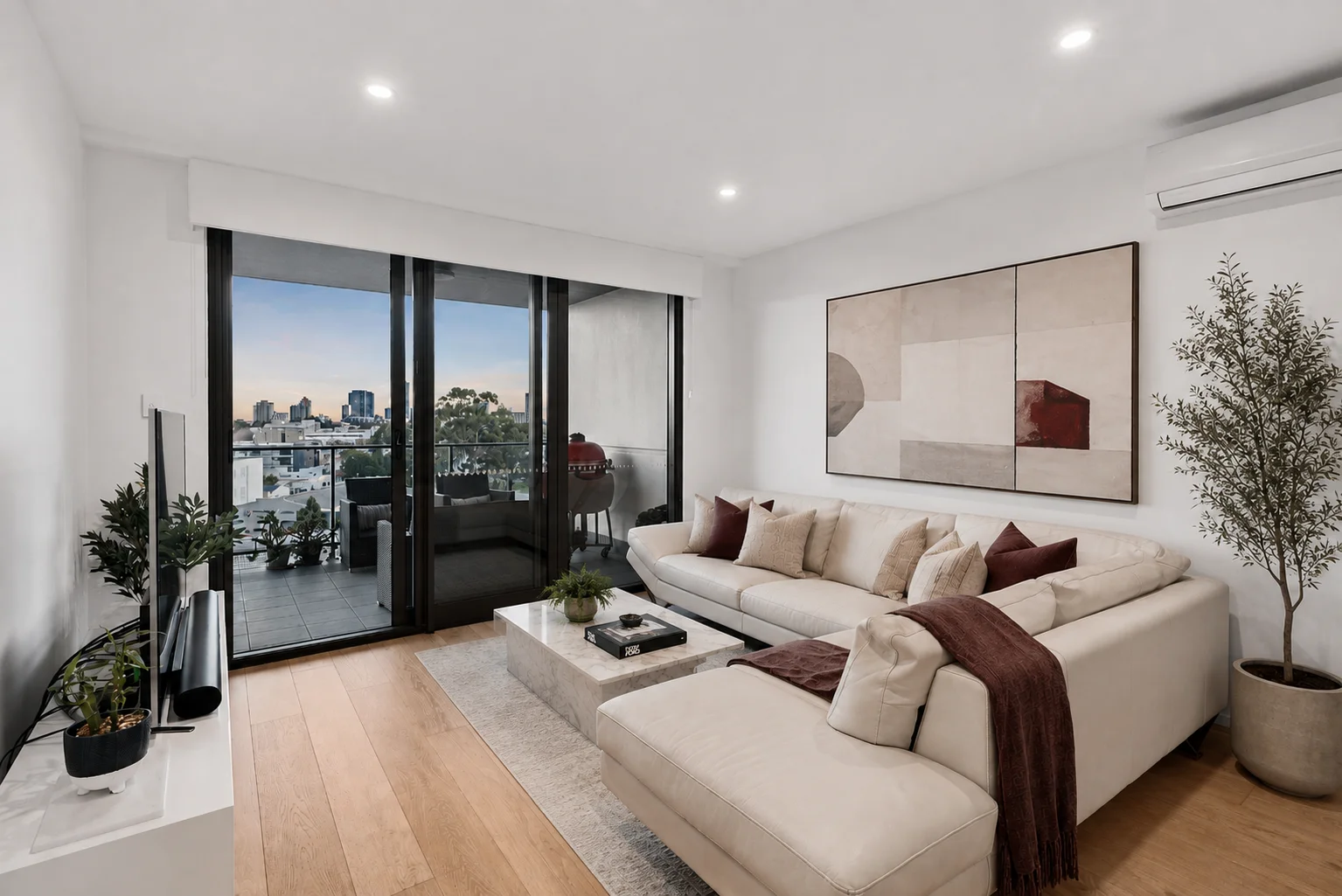 $700,000
Apartment / Unit / Flat
$700,000
Apartment / Unit / Flat
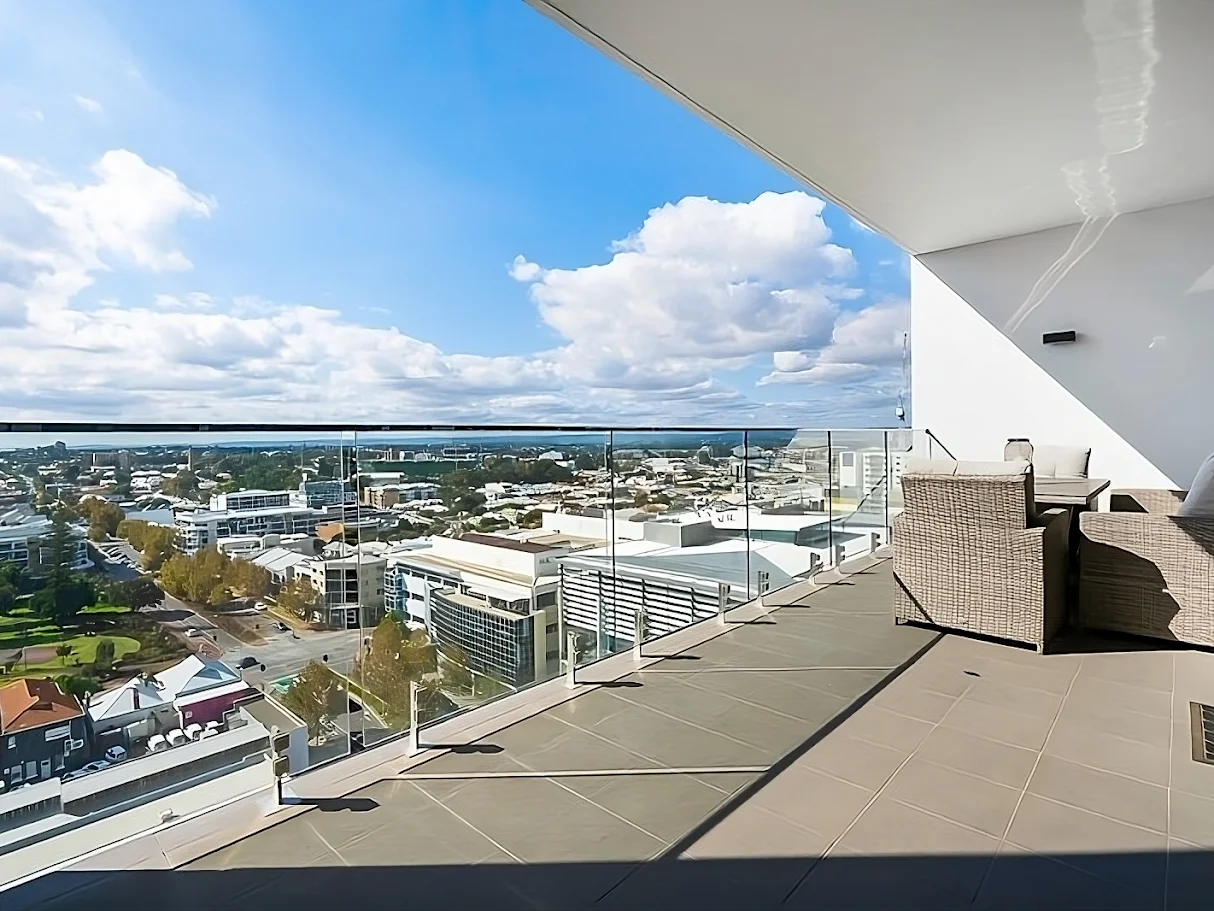 $580,000
Apartment / Unit / Flat
$580,000
Apartment / Unit / Flat
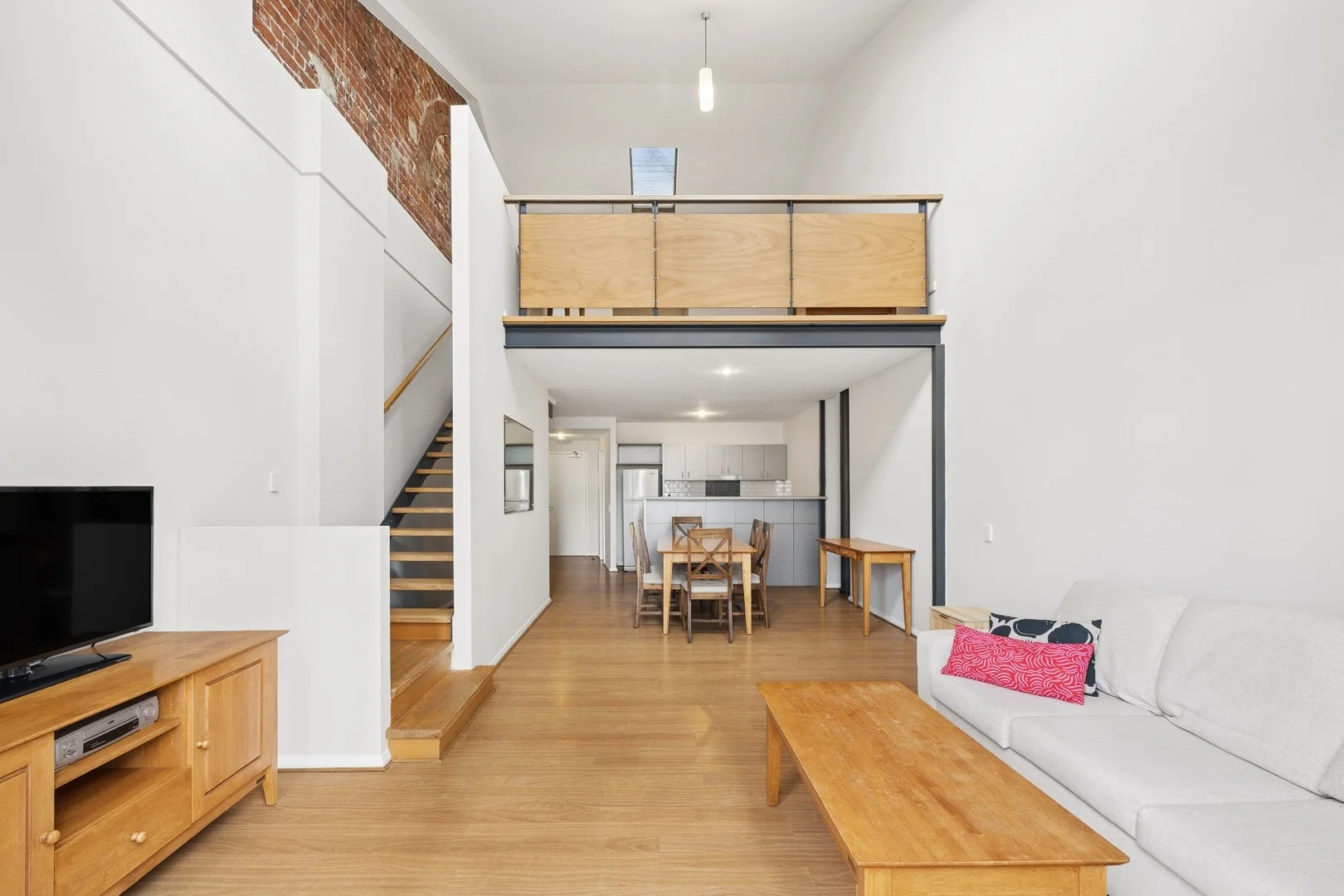 $549,000
Apartment / Unit / Flat
$549,000
Apartment / Unit / Flat