Overview
# 1. Overview
All Hallows Catholic Primary School, Five Dock is a Catholic, co-educational primary school committed to faith-based education, community, and high expectations for every student. The school emphasises values such as respect, service, and integrity within a nurturing, inclusive environment. It aims to build a strong sense of belonging and personal growth through a faith-informed learning community.
- School type: Catholic
- School size: Medium
- Class size: Typically mid-20s per class
- Atmosphere/culture: Nurturing, inclusive, faith-filled, with a focus on community and service
# 2. Academics & Learning
All Hallows Catholic Primary School emphasises solid literacy and numeracy foundations alongside a broad curriculum that supports student growth in multiple domains.
- Academic strengths: Emphasis on literacy and numeracy, with opportunities in leadership development and engagement in service-oriented learning; foundational focus on Catholic values across subjects.
- Special programs: Integrated religious education, school-based enrichment activities, and opportunities for leadership and student voice; potential programs for gifted/talented learners (where offered by the school).
- NAPLAN / trends: Trends and progress data available through school reports and communications; not shared here as scores.
- Student-teacher ratios: Moderate ratios typical of NSW Catholic primary settings (specific figures available from the school).
- Support for diverse learners: Programs and supports for EAL learners and students with additional needs (SEN) as part of an inclusive approach.
# 3. Sports & Extracurricular Strengths
A diversified range of activities supports physical development, creativity, and critical thinking.
- Sports offered: Common primary-school options such as soccer, basketball, netball, cricket, athletics, and swimming (availability may vary by year).
- Strong teams or achievements: School teams and representative opportunities where offered; check annual notices for current achievements.
- Music, arts, drama: Active participation in music and performing arts programs; opportunities in school productions and concerts.
- Clubs: Robotics, chess, coding, debating, and other clubs as scheduled by the school.
- Partnerships: Local community connections and competitions through Catholic education networks and regional associations.
# 4. Wellbeing & Pastoral Care
Focus on student wellbeing, belonging, and safety, supported by pastoral care practices.
- Anti-bullying approach: Whole-school policies and programs to promote respectful relationships and safe school environment.
- House system: House-based incentives and activities to foster teamwork and belonging (where implemented).
- Counsellors / wellbeing officers: Access to wellbeing staff and guidance services; referral pathways in place.
- Transition support: Programs to support new students and families settling in, with welcoming procedures and buddy systems.
# 5. Facilities
Facilities are designed to support teaching, learning, and student wellbeing.
- Sports grounds: Access to suitable outdoor spaces for physical activity.
- Libraries: On-site library with resources to support literacy and research.
- Science labs: Science instructional spaces for hands-on learning (availability may vary).
- Music/performing arts centers: Space for music, drama, and performances.
- Tech/innovation labs: Digital learning spaces and ICT resources.
- Cafeteria: On-site canteen or food service for students.
- Updated playgrounds: Play areas and recreational spaces appropriate for primary students.
# 6. School Values & Community Culture
The school fosters a faith-informed community with clear values and expectations.
- School values / mission: Faith-centered education emphasizing respect, compassion, service, and integrity.
- Leadership style: Student voice and leadership opportunities alongside teacher leadership; collaborative approach to school direction.
- Behaviour expectations: Clear conduct expectations aligned with school values; emphasis on courtesy, responsibility, and cooperation.
- Community reputation: Built on faith, family involvement, and commitment to learning; positive relationships with local parish and community.
- Diversity & inclusion: Inclusive environment that welcomes students from diverse backgrounds and abilities.
# 7. School Logistics & Daily Operations
Practical information to help families plan.
- School hours: Typical start and finish times for primary schools; check current timetable.
- Before/after school care: Availability of before/after care programs or activities.
- Uniform requirements: Specified school uniform and guidelines; details provided by the school.
- Transport: Information on public transport access, drop-off/pick-up logistics, and any bus routes serving the area.
- Canteen availability: On-site canteen or lunch facilities; details provided by the school.
- Fees: Fee levels described as low/medium/high range relative to local Catholic primary options; exact figures available from the school.
# 8. Enrolment & Admissions
Enrolment processes and timelines are key for planning.
11. What is the enrolment process and timeline?
- Applications typically open according to the school calendar; include submission of forms and supporting documents; timelines vary by intake year.
12. Is there a waiting list, and how does it work?
- Waiting lists are common; position depends on priority group and date of application; the school communicates next steps and expected timelines.
13. Are there any entry requirements, tests, or interviews?
- Many Catholic primary schools require documentation (e.g., baptism, parish involvement) and may include interviews or discussions for family fit and student readiness; assessments are not universally required.
14. Does the school accept mid-year transfers?
- Mid-year transfers may be possible subject to space and approval processes; contact the school for current capacity and procedures.
# 9. Frequently Asked Questions
- “Why Parents Choose This School?”
- Catholic values, sense of community, focus on holistic development, and commitment to learning within a faith-based framework.
- “What type of student thrives at this school?”
- Students who respond well to a values-based, inclusive environment with a supportive community and opportunities across academics, faith, and activities.
- “What opportunities are available for students to extend their skills (academics, sports, arts)?”
- Programs across literacy, numeracy, leadership, sport, music, arts, and clubs; additional opportunities may vary by year and staffing.
- “How does the school communicate with parents?”
- Regular newsletters, notices, parent-teacher conferences, and digital platforms as used by the school.
- “What is the school’s approach to teaching and learning?”
- Comprehensive, faith-informed curriculum with emphasis on core skills, critical thinking, and personal growth; support for diverse learners.
- “How does the school support students who need extra academic help?”
- Targeted interventions, small-group support, and individualized plans where available.
- “What support is available for academic challenges?”
- Access to teachers, learning supports, and guidance services; parental involvement and ongoing monitoring.
- “How does the school communicate with parents?”
- See above (multiple channels and scheduled updates).
- “What are the class sizes and how much individual attention do students receive?”
- Class sizes are typically in the mid-20s; individual attention varies by classroom and available support.
- “What extracurricular and sports opportunities are available?”
- A range of sports, music, arts, and clubs such as robotics, chess, coding, debating; opportunities may vary by year.
- “What facilities does the school offer (sports, science, arts)?”
- Sports grounds, library, science labs, music/performing arts spaces, and technology/innovation facilities.
- “What is the school’s approach to technology and digital learning?”
- Integration of ICT across learning areas; access to devices and digital resources as part of the curriculum.
- “What transport and accessibility options are available?”
- Information on local transport options and accessibility considerations; arrangements typically outlined by the school.
- “What are the typical school fees or additional costs?”
- Fees described as low/medium/high relative to local options; exact amounts available from the school’s communications.
# 10. Short Pros & Cons list
- Pros
- Strong faith-based community and values
- Inclusive, supportive learning environment
- Broad curriculum with opportunities in academics, arts, and sport
- Structured wellbeing and pastoral care
- Engagement with families and parish community
- Cons
- Costs associated with non-government Catholic schooling
- Class sizes and resources may vary by year and cohort
- Availability of certain programs or clubs can be year-dependent
- Admissions processes may involve religious affiliation considerations
If you’d like, I can tailor this content precisely to All Hallows Catholic Primary School, Five Dock by adding exact figures, current programs, and up-to-date enrolment details from the school’s official communications. To do that, please share the school’s latest data or permit me to look up the official information.










 $8,630,000
propertyType.NEW APARTMENTS / OFF THE PLAN
$8,630,000
propertyType.NEW APARTMENTS / OFF THE PLAN
 $12,980,000
propertyType.NEW APARTMENTS / OFF THE PLAN
$12,980,000
propertyType.NEW APARTMENTS / OFF THE PLAN
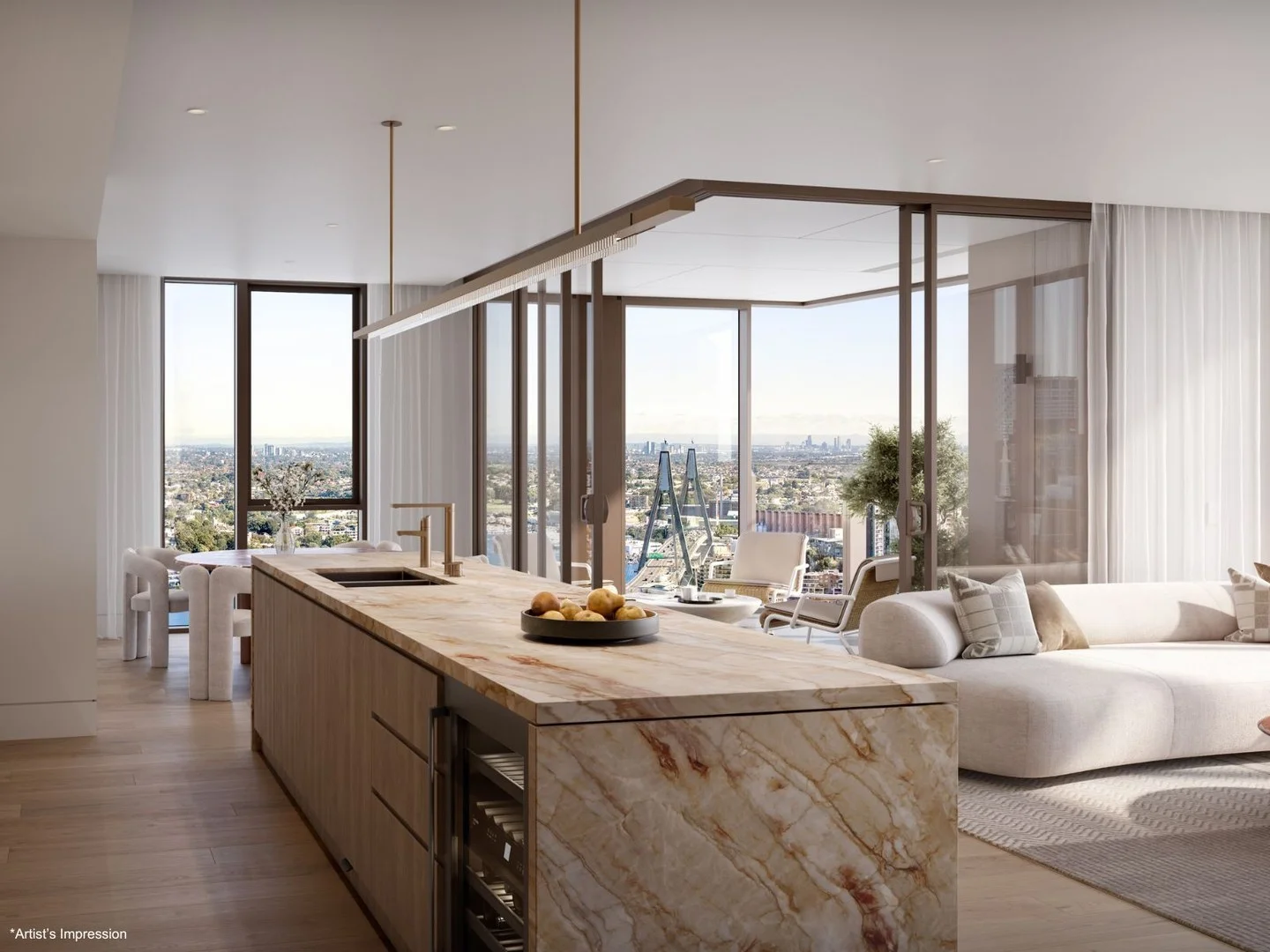 $9,020,000
propertyType.NEW APARTMENTS / OFF THE PLAN
$9,020,000
propertyType.NEW APARTMENTS / OFF THE PLAN
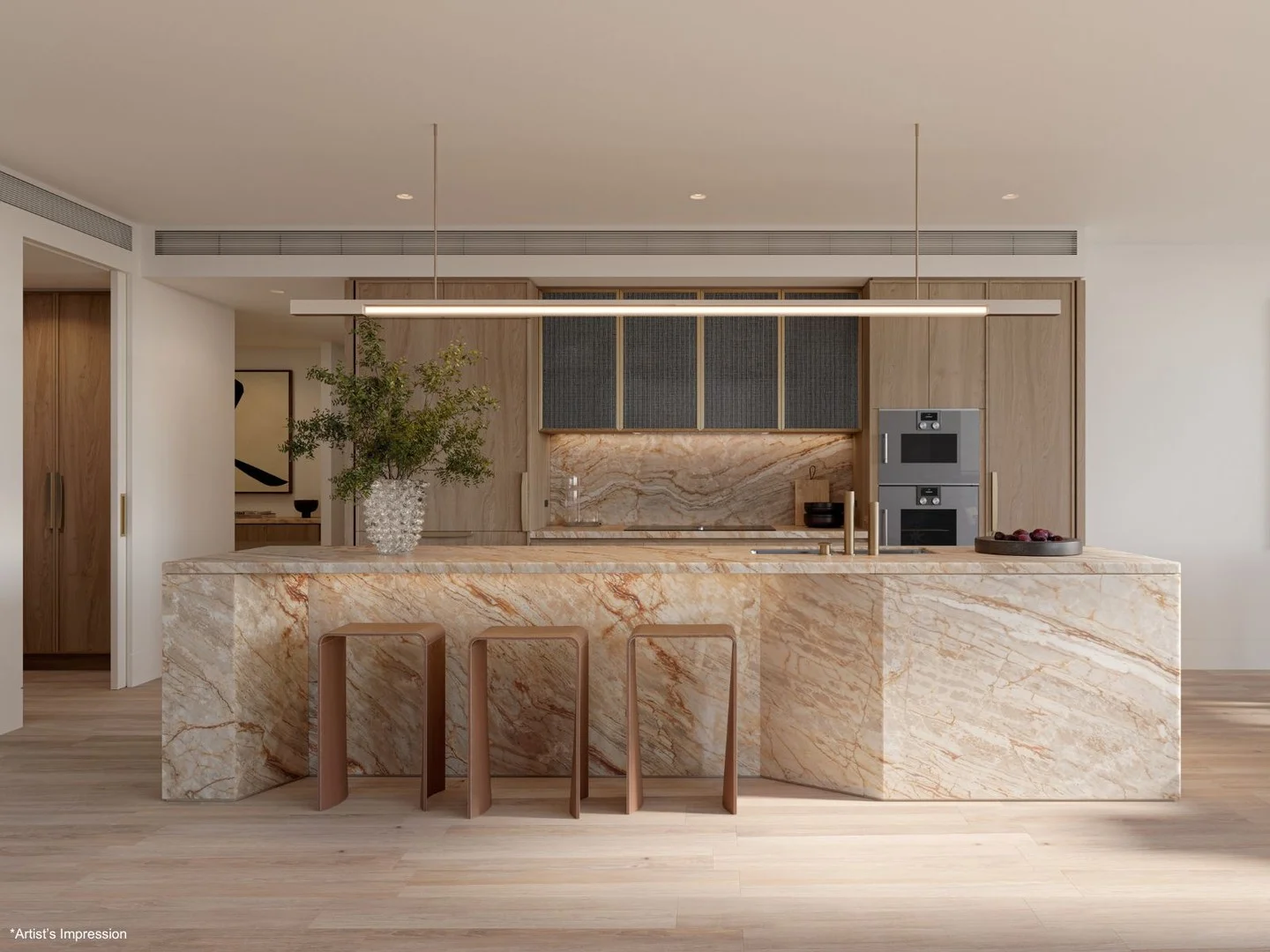 $6,225,000
propertyType.NEW APARTMENTS / OFF THE PLAN
$6,225,000
propertyType.NEW APARTMENTS / OFF THE PLAN
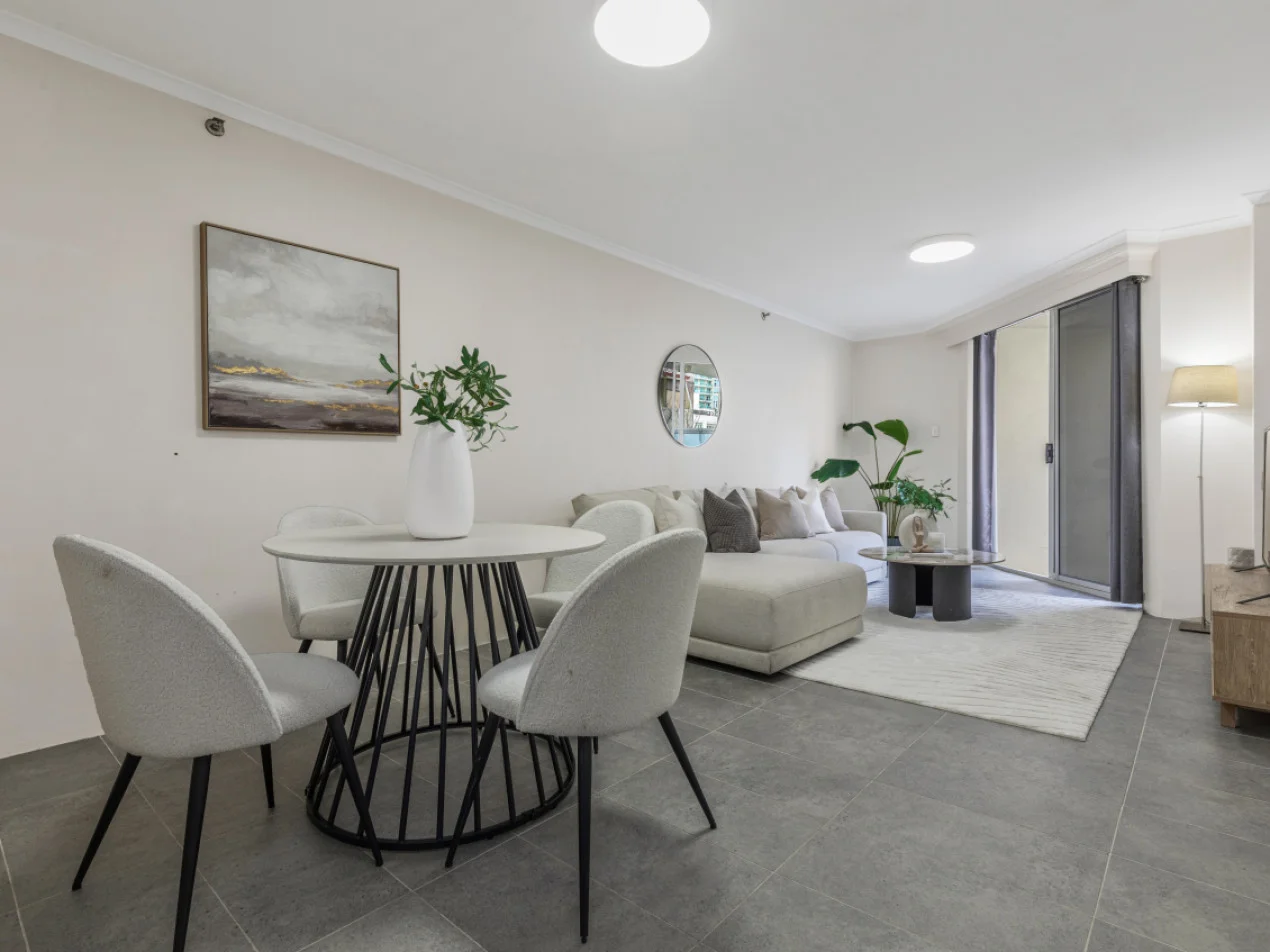 $640,000 - $675,000
Apartment / Unit / Flat
$640,000 - $675,000
Apartment / Unit / Flat
 $26,550,000
propertyType.NEW APARTMENTS / OFF THE PLAN
$26,550,000
propertyType.NEW APARTMENTS / OFF THE PLAN
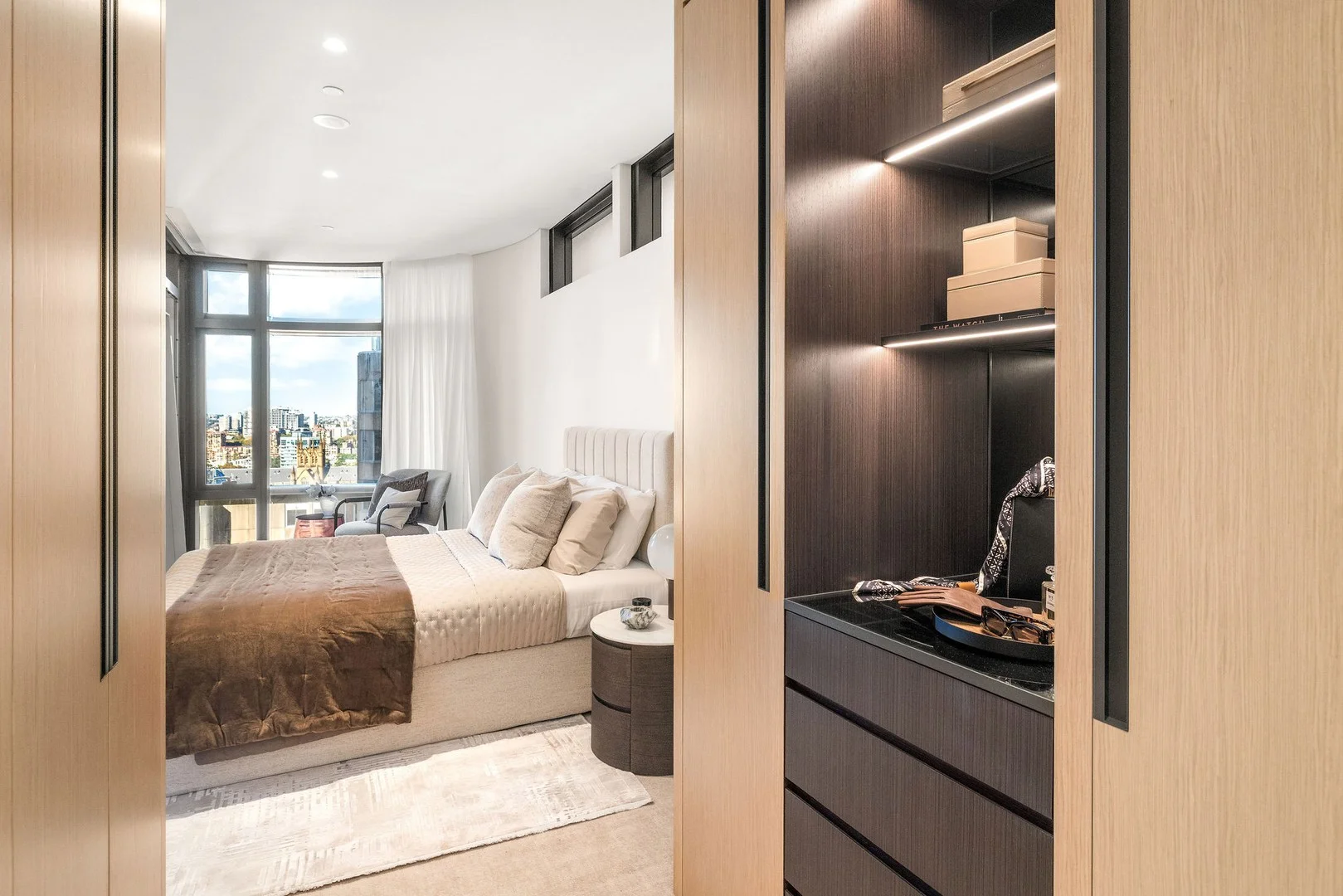 $2,745,000
propertyType.NEW APARTMENTS / OFF THE PLAN
$2,745,000
propertyType.NEW APARTMENTS / OFF THE PLAN
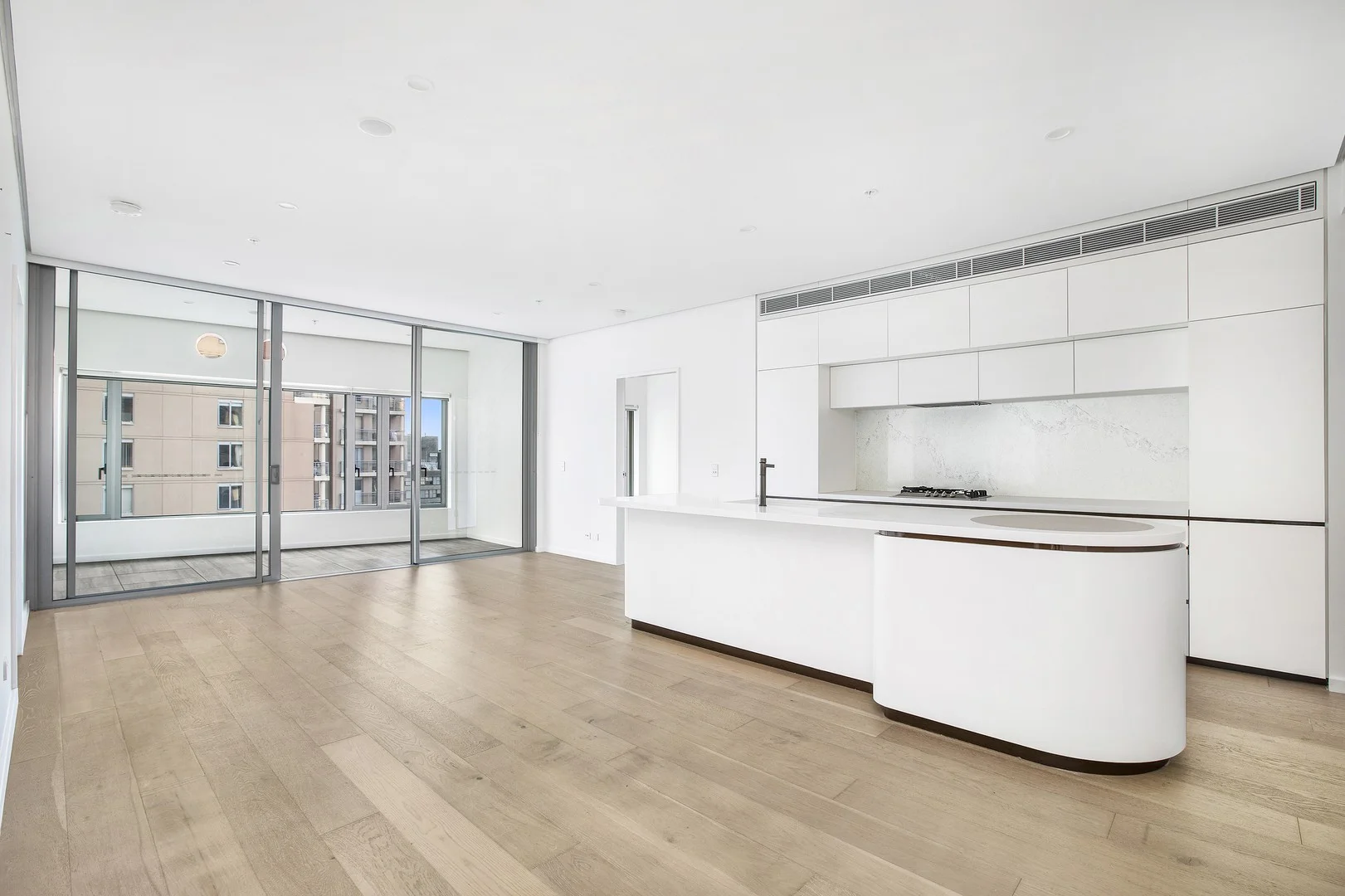 $2,250,000
Apartment / Unit / Flat
$2,250,000
Apartment / Unit / Flat
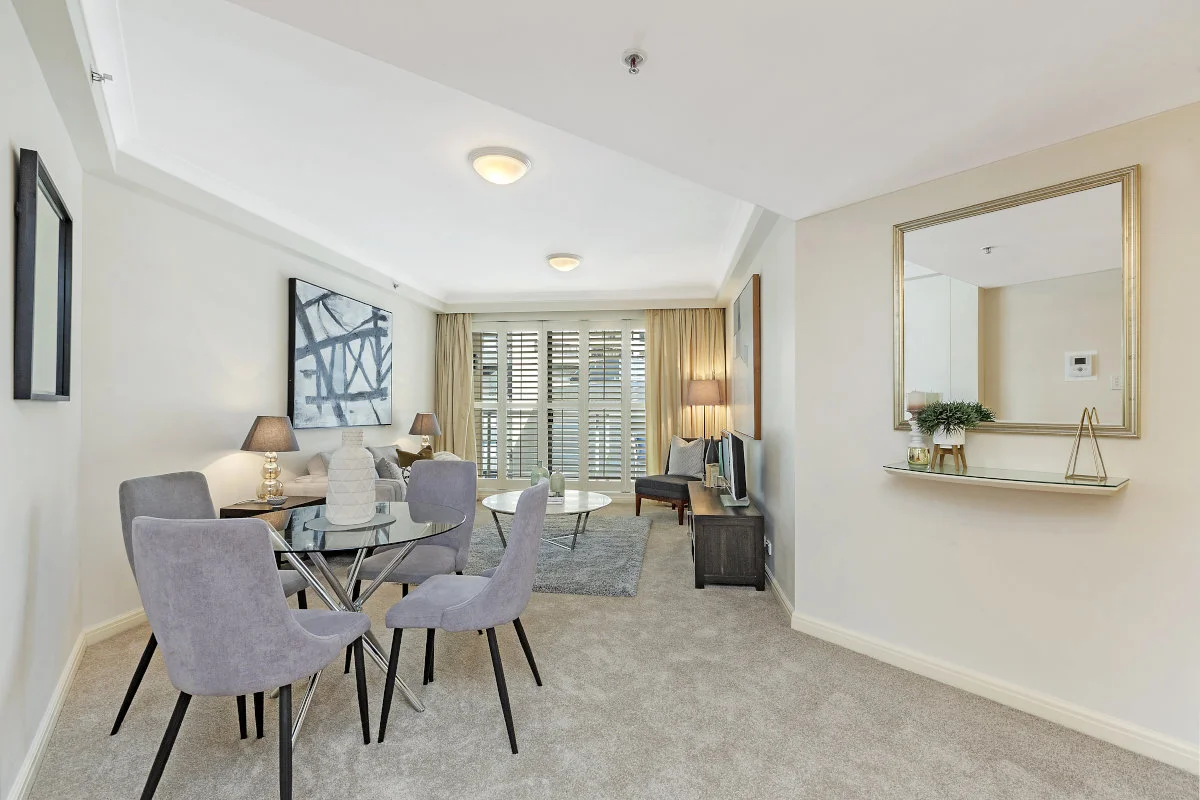 $660,000 - $725,000
Apartment / Unit / Flat
$660,000 - $725,000
Apartment / Unit / Flat