Overview
# 1. Overview
School Australian Islamic College SA – West Croydon campus is a private/independent Islamic school serving families in and around West Croydon, SA 5008. The college offers a values-driven education that combines the Australian curriculum with Islamic studies, supporting students across primary and secondary levels in a co-educational setting. This campus is designed to feel welcoming and inclusive, focusing on both academic achievement and character development.
The school is mid-sized, with class sizes typically in the low-to-mid 20s, balancing individual attention with vibrant peer learning. The atmosphere is nurturing and inclusive, emphasising respect, discipline, and a supportive culture that encourages students to excel academically while upholding their beliefs and community responsibilities.
---
# 2. Academics & Learning
- Academic strengths: English, Mathematics and Science underpin the core curriculum, with strong emphasis on Arabic language and Islamic studies. The school also promotes leadership, citizenship, and critical thinking as part of a well-rounded program.
- Special programs: Islamic studies and Arabic language are core components; opportunities for extension and enrichment within the Australian curriculum are available for motivated learners.
- NAPLAN / trends: The school participates in NAPLAN; trends are monitored year to year to inform literacy and numeracy improvements. Public score details are typically found in annual reports or school communications.
- Student-teacher ratios: Generally in the range of approximately 1:12 to 1:18, supporting accessible teacher guidance and feedback.
- Support for diverse learners: EAL (English as an Additional Language) support and SEN coordination are available, with individualized learning plans and access to targeted interventions as needed.
---
# 3. Sports & Extracurricular Strengths
- Sports offered: Soccer (football), cricket, basketball, volleyball, athletics, and general fitness activities; opportunities to represent the school in local inter-school competitions.
- Strong teams or achievements: The school participates in local inter-school events; teams compete in various sports leagues with a focus on development, teamwork, and sportsmanship.
- Music, arts, drama programs: Active music and performing arts programs, including choir and ensemble opportunities, with school productions and recitals.
- Clubs: Robotics, chess, coding, debating, and other STEM and humanities-based clubs are typically available to students across year levels.
- Partnerships: Connections with local community clubs and regional competitions support broader opportunities in robotics, coding, and sport.
---
# 4. Wellbeing & Pastoral Care
- Anti-bullying approach: Proactive anti-bullying strategies with clear reporting pathways, restorative practices, and a positive behaviour framework.
- House system: A house-based structure to foster belonging, healthy competition, teamwork, and leadership development.
- Counsellors / wellbeing officers: Access to school counsellors or wellbeing staff to support mental health, resilience, and personal development.
- Transition support for new students: Structured orientation and buddy programs help new students settle in, with ongoing pastoral support during transitions.
---
# 5. Facilities
- Sports grounds: On-site sports facilities and grounds suitable for PE, team sports, and training.
- Libraries: A dedicated library with study spaces and resources to support literacy and research.
- Science labs: Well-equipped laboratories for biology, chemistry, and physics practicals.
- Music/performing arts centers: Facilities supporting music education, rehearsals, and performances.
- Tech/innovation labs: ICT and technology spaces for digital learning, coding, and design projects.
- Cafeteria: On-site dining facilities catering to students with a range of healthy meal options.
- Updated playgrounds: Safe, age-appropriate outdoor play areas and recreational spaces.
---
# 6. School Values & Community Culture
- School values / mission: A values-based education that integrates Islamic principles with Australian standards, focusing on character, service, and academic excellence.
- Leadership style: Shared and student-centred leadership opportunities, with oversight by teachers and school leaders to support student agency and responsibility.
- Behaviour expectations: Clear codes of conduct emphasising respect, courtesy, integrity, and accountability.
- Community reputation: Viewed as a welcoming, faith-based learning community within the local Muslim and broader South Australian educational landscape.
- Diversity & inclusion: Committed to creating an inclusive environment that respects cultural and religious diversity while supporting all students to succeed.
---
# 7. School Logistics & Daily Operations
- School hours: Typical school day runs from around 8:30 am to 3:15 pm, with variations by year level.
- Before/after school care: After-school supervision or care arrangements are available in some form, depending on year level and need.
- Uniform requirements: Yes, a formal uniform is required, reflecting modest dress aligned with school values.
- Transport (train/bus routes): Local transport options include school-organised or public bus routes; families may use public transport or car drop-off/pick-up arrangements.
- Canteen availability: A canteen or tuck shop service is available on most school days.
- Fees (low/medium/high ranges): Fees are in the mid-to-upper range for private Australian schools in SA, with additional costs for uniforms, camps, and excursions.
---
# 8. Enrolment & Admissions
11. What is the enrolment process and timeline?
- Inquiry and information session
- Submit application and required documents (birth certificate, immunisation records, previous school reports)
- Family and student interviews (and possible student readiness discussion)
- Assessment or tasks if applicable (depends on year level)
- Offer of place and enrolment agreement
- Payment of fees and orientation/start date
12. Is there a waiting list, and how does it work?
- Yes, there is often a waiting list for popular year levels. Offers are prioritised based on space availability, with factors such as sibling ties, timeliness of application, and readiness of the applicant. Waiting times vary by year level and intake demand.
13. Are there any entry requirements, tests, or interviews?
- Typically, yes: family and student interviews, and possibly an assessment or readiness conversation to determine alignment with the curriculum and school culture. English language readiness may be considered for certain year levels.
14. Does the school accept mid-year transfers?
- Mid-year transfers are possible where space permits. Applicants will normally need to provide transcripts, supporting documents, and possibly participate in a brief assessment or orientation process.
---
# 9. Frequently Asked Questions
- Why Parents Choose This School?
- Families often choose for a values-based Islamic environment aligned with Australian curriculum, strong pastoral care, supportive teachers, smaller class sizes, and opportunities to grow academically and culturally.
- What type of student thrives at this school?
- Students who value community, faith-based education, consistent routines, and a balanced focus on academics, character development, and service typically thrive.
- What opportunities are available for students to extend their skills (academics, sports, arts)?
- Extension in academics through enrichment activities, leadership roles, and advanced projects; extensive sports participation; music and performing arts; clubs like robotics, coding, debating, and chess.
- How does the school communicate with parents?
- Through emails, newsletters, a school app or portal, parent-teacher meetings, and occasional information evenings; regular updates on student progress and events.
- What is the school’s approach to teaching and learning?
- A blended approach that integrates the Australian curriculum with Islamic studies, emphasising student-centred learning, differentiation, technology-enabled lessons, and formative assessment.
- How does the school support students who need extra academic help?
- Access to EAL support, SEN coordination, individualized learning plans, targeted interventions, and after-school or in-class support as needed.
- What support is available for academic challenges?
- Early identification of difficulties, tailored learning supports, tutoring options, and ongoing collaboration with families to adjust plans.
- How does the school communicate with parents? (reiterated)
- See above: regular updates via app/portal, emails, newsletters, and meetings.
- What are the class sizes and how much individual attention do students receive?
- Class sizes are typically in the mid-20s, with teachers able to provide targeted feedback and moderate levels of individual attention through small-group or one-on-one support where needed.
- What extracurricular and sports opportunities are available?
- A range of sports (soccer, cricket, basketball, etc.), plus clubs in robotics, coding, chess, debating, and music/arts programs.
- What facilities does the school offer (sports, science, arts)?
- Sports grounds, library, science labs, music/performing arts spaces, technology/innovation labs, canteen, and well-equipped classrooms.
- What is the school’s approach to technology and digital learning?
- Integrated ICT across curricula, with digital learning tools, age-appropriate devices, and education in digital citizenship and safety.
- What transport and accessibility options are available?
- Local transport options including bus routes and public transit; school system guidance on access and drop-off arrangements; accessible facilities.
- What are the typical school fees or additional costs?
- Fees are in the mid-to-upper range for private Australian schools in SA, with additional costs for uniforms, camps, excursions, and some elective activities.
---
# 10. Short Pros & Cons list
- Pros
- Values-based Islamic education integrated with Australian curriculum
- Supportive pastoral care and smaller-to-medium class sizes
- Inclusive, welcoming community with strong emphasis on character
- Broad range of extracurriculars, STEM, arts, and language offerings
- Modern facilities and dedicated learning spaces
- Cons
- Tuition and associated costs higher than public schools
- Limited availability for some year levels; space can be competitive
- Religious-based environment may require alignment with family beliefs
- Commute considerations for families outside the local area
- Specific programs and facilities may vary year to year depending on enrolments and funding





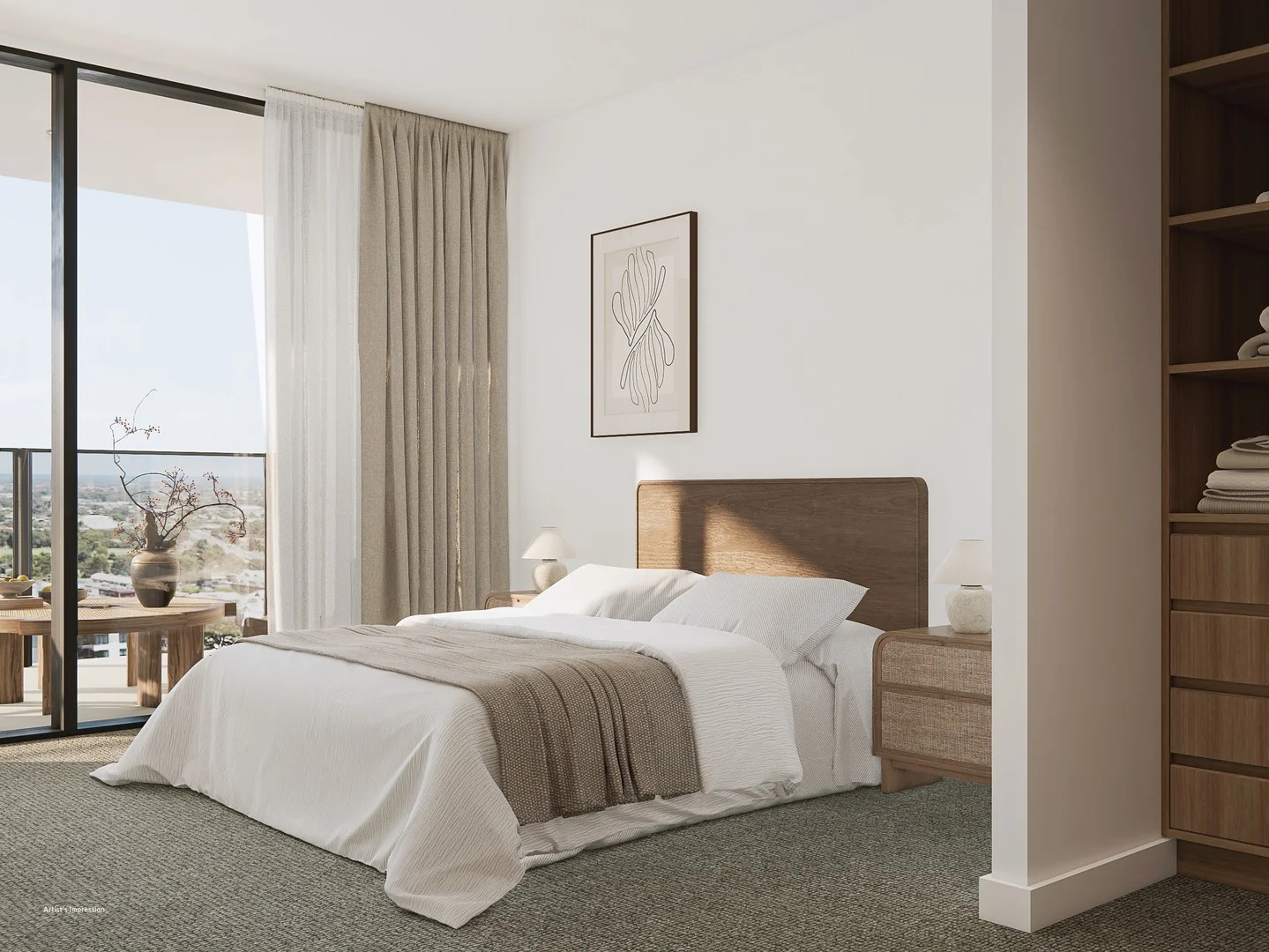 $935,000
Apartment / Unit / Flat
$935,000
Apartment / Unit / Flat
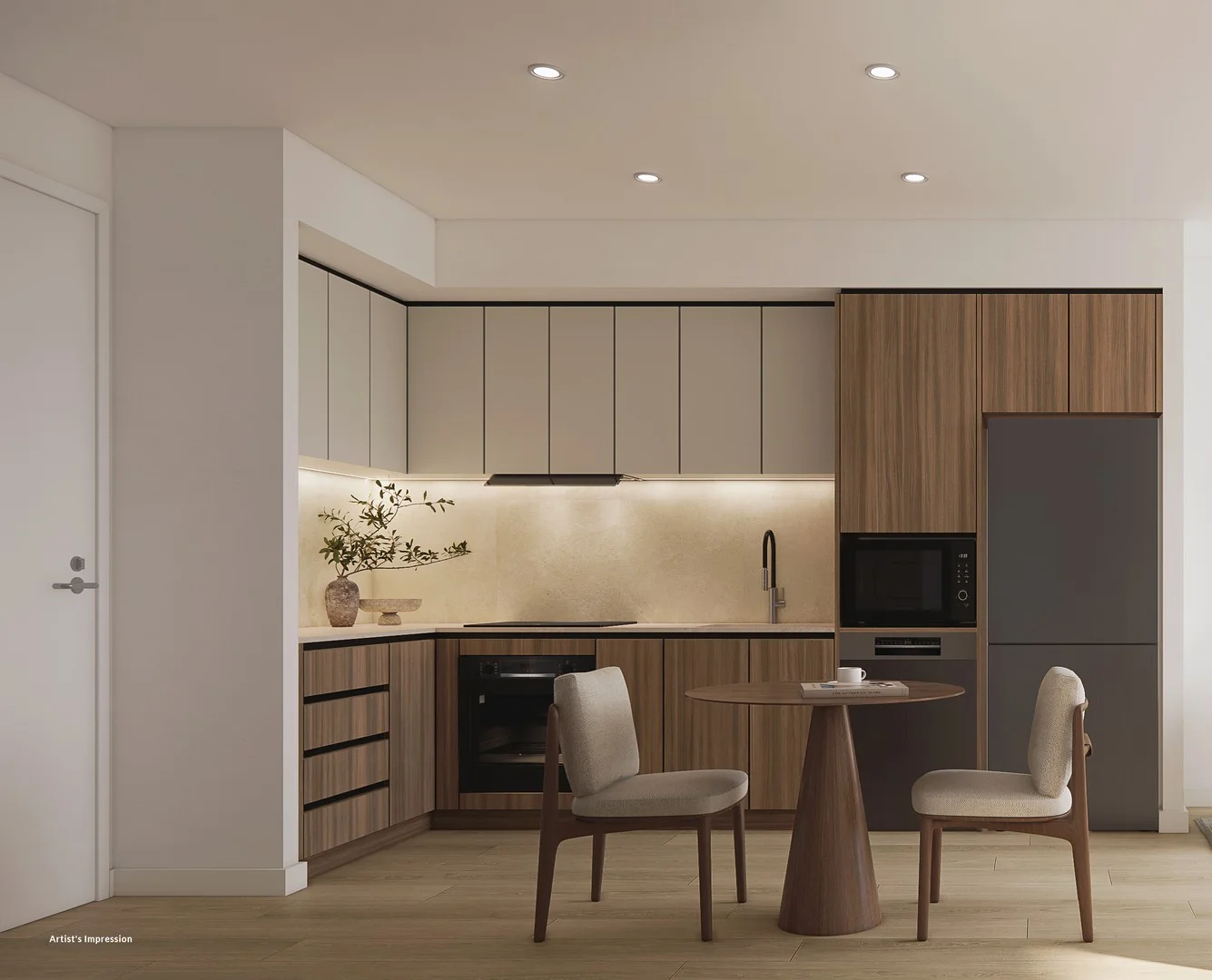 $557,000
Apartment / Unit / Flat
$557,000
Apartment / Unit / Flat
 $1,056,000
Apartment / Unit / Flat
$1,056,000
Apartment / Unit / Flat
 $588,000
Apartment / Unit / Flat
$588,000
Apartment / Unit / Flat
 $1,100,000
Apartment / Unit / Flat
$1,100,000
Apartment / Unit / Flat
 $440,000
Apartment / Unit / Flat
$440,000
Apartment / Unit / Flat
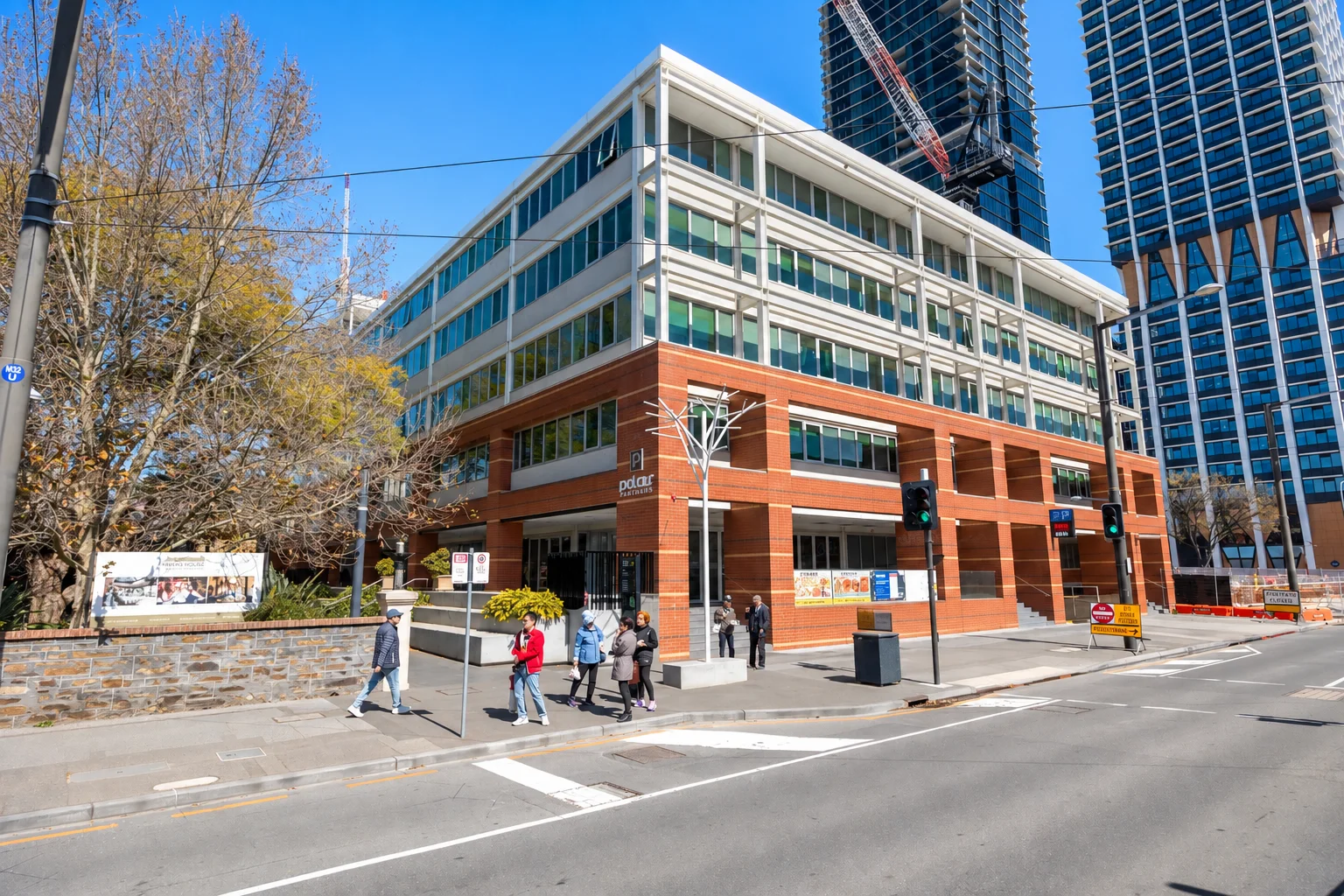 $545,000
Apartment / Unit / Flat
$545,000
Apartment / Unit / Flat
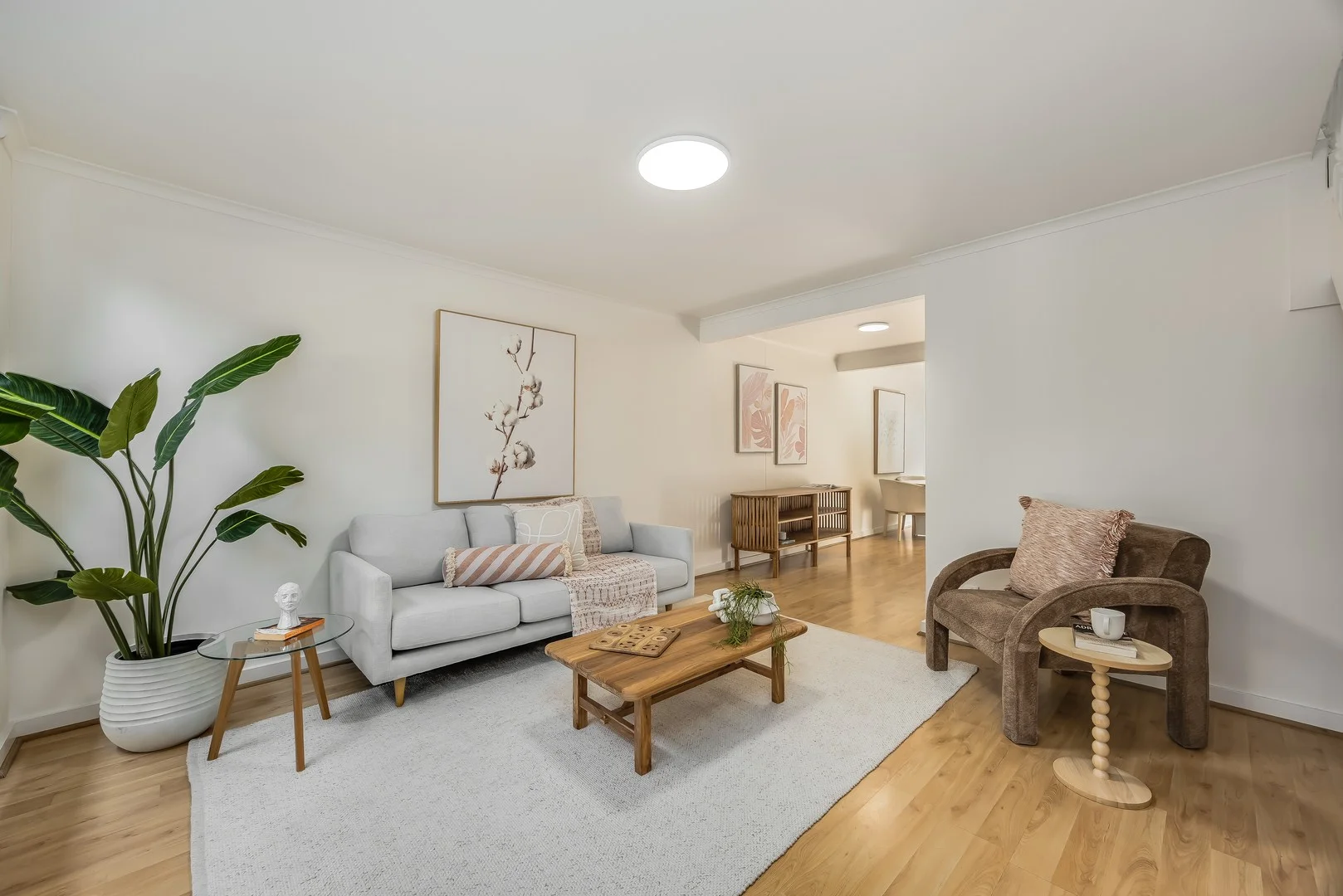 $775,000
House
$775,000
House