## 1. Overview (1–2 paragraphs max)
Allenby Gardens Primary is a public primary school serving families in the Allenby Gardens area, north of central Adelaide. The school focuses on delivering the Australian Curriculum within a supportive, inclusive environment that values every learner. Class sizes are typically maintained at a level that supports individual attention, with a calm, welcoming atmosphere that encourages curiosity, collaboration and positive relationships across the school.
The school emphasises student well-being, community involvement and strong home–school partnerships. With a medium-sized student community, it aims to provide a balanced education that supports academic growth, creative expression, physical activity and social development.
⸻
## 2. Academics & Learning
- Academic strengths: English and literacy development, numeracy, science and digital literacy are central to the learning program, with opportunities for extension and cross-curricular projects.
- Special programs: Access to enrichment and extension activities, plus targeted support to meet diverse learning needs; EAL and SEN support is provided to help all students participate fully.
- NAPLAN / trends: Long-term trends showcase steady growth in literacy and numeracy outcomes, with a focus on continuous improvement and early intervention where needed.
- Student-teacher ratios: Typical class environments aim for low-to-moderate student-teacher ratios that support frequent teacher-student interaction.
- Support for diverse learners: Strong focus on inclusive education, with EAL support, targeted literacy/numeracy assistance and tailored supports for students with additional learning needs.
⸻
## 3. Sports & Extracurricular Strengths
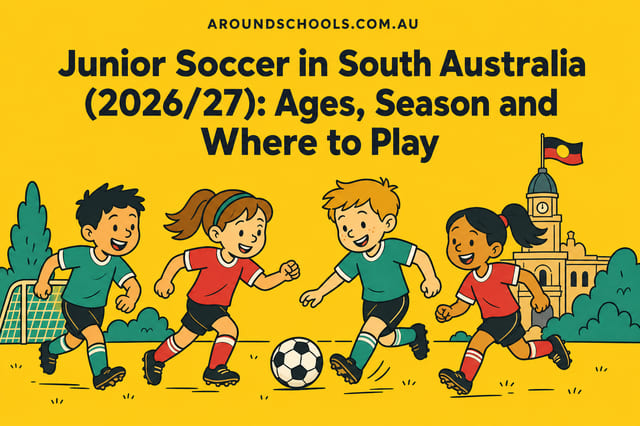
- Sports offered: Popular school programs include team sports such as soccer, netball, basketball, cricket and athletics, with opportunities for inter-school and district competitions.
- Strong teams or achievements: Active participation in local events and district-level teams; emphasis on teamwork, sportspersonship and personal bests.
- Music, arts, drama programs: School music programs, performing arts activities and school productions support expressive learning and creativity.
- Clubs: Robotics, coding, chess, debating and other clubs provide enrichment beyond the core curriculum.
- Partnerships: Connections with local community groups and regional competitions support additional opportunities for students to showcase talents.
⸻
## 4. Wellbeing & Pastoral Care
- Anti-bullying approach: Whole-school wellbeing framework with anti-bullying policies, student support programs and a supportive peer-buddy culture.
- House system: House-based activities promote leadership, teamwork and healthy competition.
- Counsellors / wellbeing officers: Access to school wellbeing staff to support social-emotional development and student concerns.
- Transition support for new students: Orientation experiences, buddy systems and targeted supports help new students settle in smoothly.
⸻
## 5. Facilities
- Sports grounds
- Libraries
- Science labs
- Music/performing arts centers
- Tech/innovation labs
- Cafeteria
- Updated playgrounds
⸻
## 6. School Values & Community Culture
- School values / mission: Emphasis on respect, inclusion, responsibility and a commitment to learning and personal growth.
- Leadership style: Student voice and leadership opportunities are encouraged, alongside supportive teacher guidance.
- Behaviour expectations: Clear behavioural norms tied to a positive behaviours framework and consistent routines.
- Community reputation: A welcoming, family-focused community with strong parent involvement and partnerships.
- Diversity & inclusion: Commitment to celebrating diversity and ensuring all students feel valued and supported.
⸻
## 7. School Logistics & Daily Operations
- School hours: Typically a morning to afternoon schedule aligned with local school timetables; start and finish times may vary by year level.
- Before/after school care: OSHC or equivalent programs are available to support families outside standard school hours.
- Uniform requirements: School uniform policy applicable to all students.
- Transport (train/bus routes): Accessible by public transport with local bus routes; travel details depend on catchment and family location.
- Canteen availability: Canteen or lunch service available on various days offering healthy options.
- Fees (low/medium/high ranges): As a public school, formal tuition is not charged; families may incur costs for voluntary contributions, stationary, excursions and occasional activity fees.
⸻
## 8. Enrolment & Admissions
- 11. What is the enrolment process and timeline?
- Enrolment generally follows Department for Education procedures for public schools. Prospective families should confirm catchment eligibility, submit required documents (e.g., birth certificate, immunisation records, proof of address) and complete any school-specific forms. Offers and placements are communicated according to the department’s timelines, with important dates typically announced prior to the start of each school year.
- 12. Is there a waiting list, and how does it work?
- Waiting lists can occur for certain year levels or catchment-specific placements. If a waitlist applies, families are typically notified of their position and estimated timelines; places are offered as vacancies arise.
- 13. Are there any entry requirements, tests, or interviews?
- Public primary schools generally do not require entry tests or interviews for standard enrolments. Some cases (e.g., out-of-area applicants or specific program placements) may involve routine administrative checks or discussions, but the process is usually straightforward and focused on eligibility and placement.
- 14. Does the school accept mid-year transfers?
- Mid-year transfers are often accommodated where vacancies exist. Families seeking mid-year enrolment should contact the school’s administration to discuss availability, required documentation and the transition process.
⸻
## 9. Frequently Ask Questions
- Why Parents Choose This School?
- A welcoming, community-focused public school that supports academic growth, inclusive education and strong home–school partnerships.
- What type of student thrives at this school?
- Students who are curious, collaborative, respectful and motivated to participate in a broad curriculum including academics, sport, arts and community activities.
- What opportunities are available for students to extend their skills (academics, sports, arts)?
- Academic extensions, STEM activities, arts and music programs, sports teams and a range of clubs such as robotics, coding, chess and debating.
- How does the school communicate with parents?
- Regular newsletters or notices, digital portals or apps, email updates and scheduled parent–teacher interviews.
- What is the school's approach to teaching and learning?
- A curriculum-aligned, student-centred approach with differentiation, inquiry-based learning and integration of technology to support understanding.
- How does the school support students who need extra academic help?
- Targeted literacy/numeracy support, EAL and SEN assistance, small-group interventions and access to learning support staff.
- What support is available for academic challenges?
- Early identification, individualized plans, and referrals to external services when needed, all within a supportive school framework.
- How does the school communicate with parents?
- See above: consistent updates through school channels, plus opportunities for direct conversations during events and interviews.
- What are the class sizes and how much individual attention do students receive?
- Class sizes are kept to a level that allows regular teacher-student interaction and timely feedback; teachers tailor instruction to students’ needs.
- What extracurricular and sports opportunities are available?
- A range of sports, music and arts programs, plus clubs such as robotics, coding, chess and debating.
- What facilities does the school offer (sports, science, arts)?
- Modern facilities including sports grounds, libraries, science labs, performing arts spaces and technology/resource labs.
- What is the school's approach to technology and digital learning?
- Integrated ICT across learning, with devices and software used to enhance understanding, collaboration and digital literacy, along with guidelines for responsible use.
- What transport and accessibility options are available?
- Local bus routes and public transport access; OSHC for before/after care; provision for families within catchment to manage daily travel.
- What are the typical school fees or additional costs?
- Public schools generally have no tuition; there may be charges for voluntary contributions, excursions, camps, stationery and uniform items.
⸻
## 10. Short Pros & Cons list
- Pros
- Public, community-focused school with inclusive practices
- Balanced curriculum supporting academics, sport and arts
- Strong emphasis on well-being and student support
- Active family engagement and clear home–school communication
- Range of clubs and extracurricular activities
- Cons
- Class sizes and resources can vary by year level
- Availability of specialist programs may depend on enrolment and district resources
- Catchment and transfer policies influence admissions and placement
- Mid-year transfers depend on vacancy and timetabling
- Specific facilities or programs may evolve with changing funding and priorities
⸻






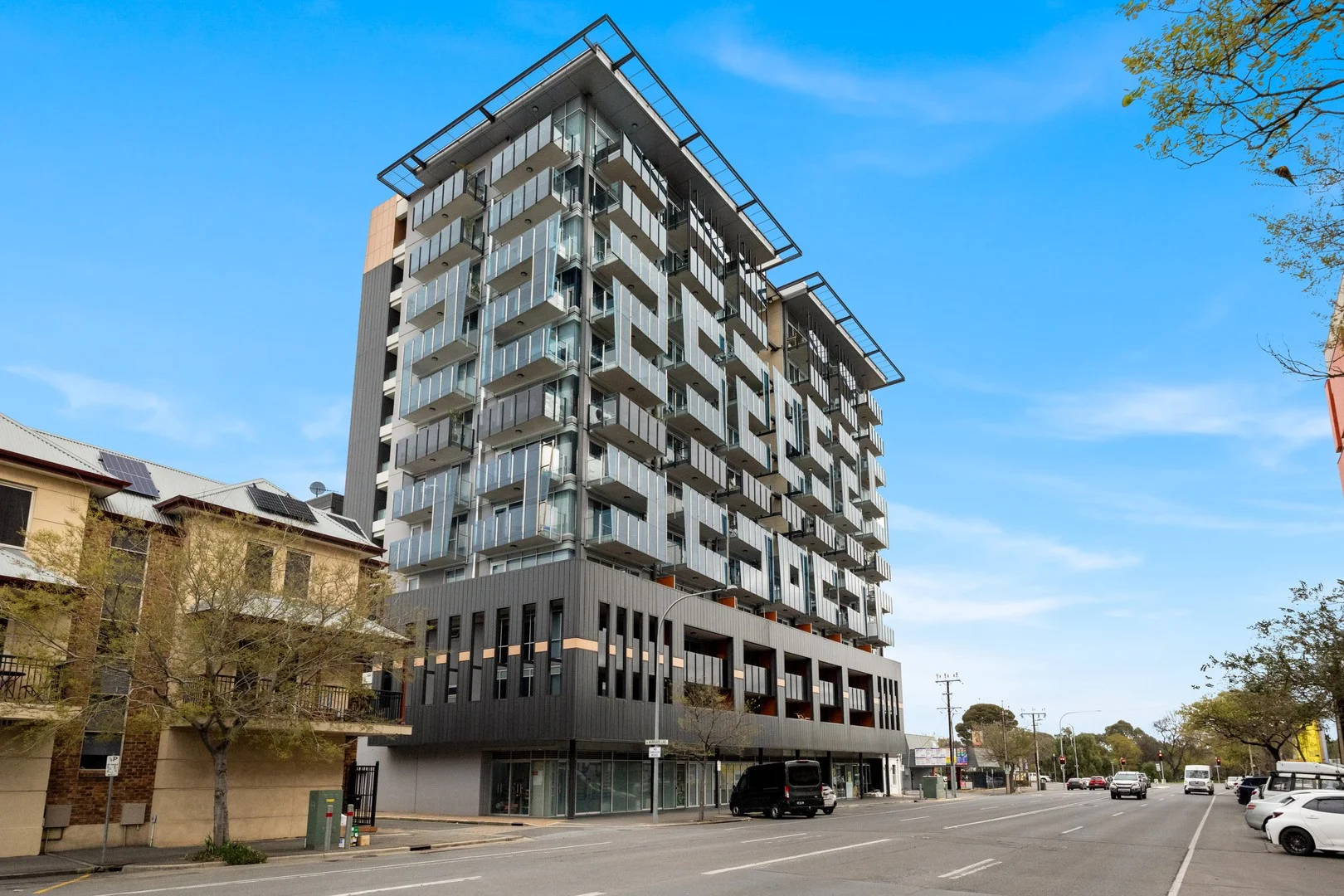 $1,100,000
Apartment / Unit / Flat
$1,100,000
Apartment / Unit / Flat
 $588,000
Apartment / Unit / Flat
$588,000
Apartment / Unit / Flat
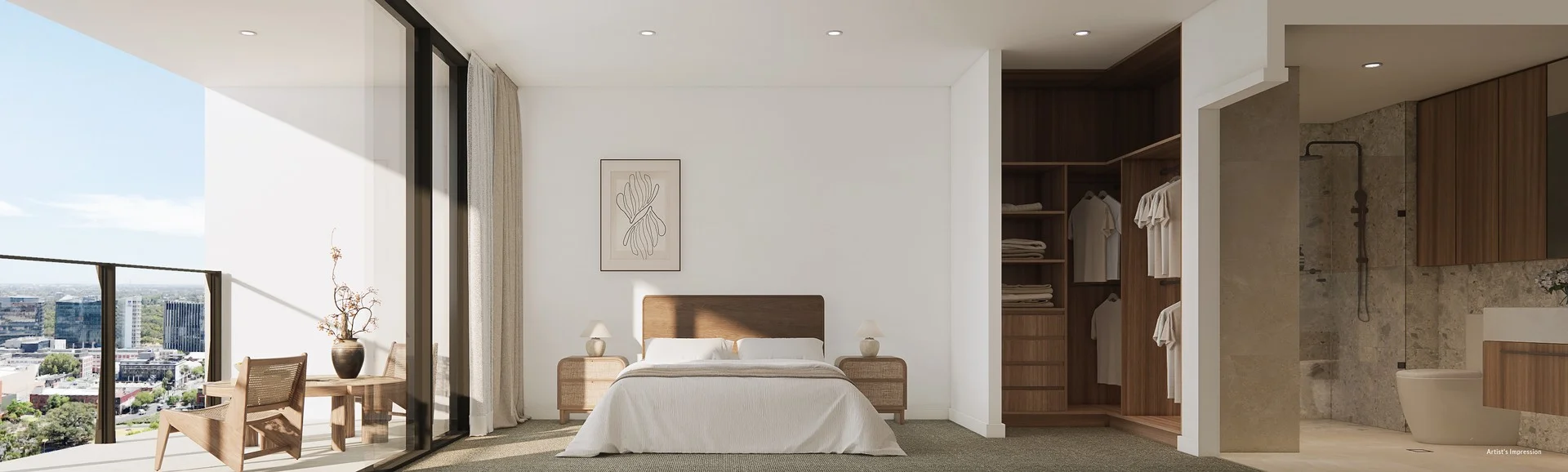 $1,056,000
Apartment / Unit / Flat
$1,056,000
Apartment / Unit / Flat
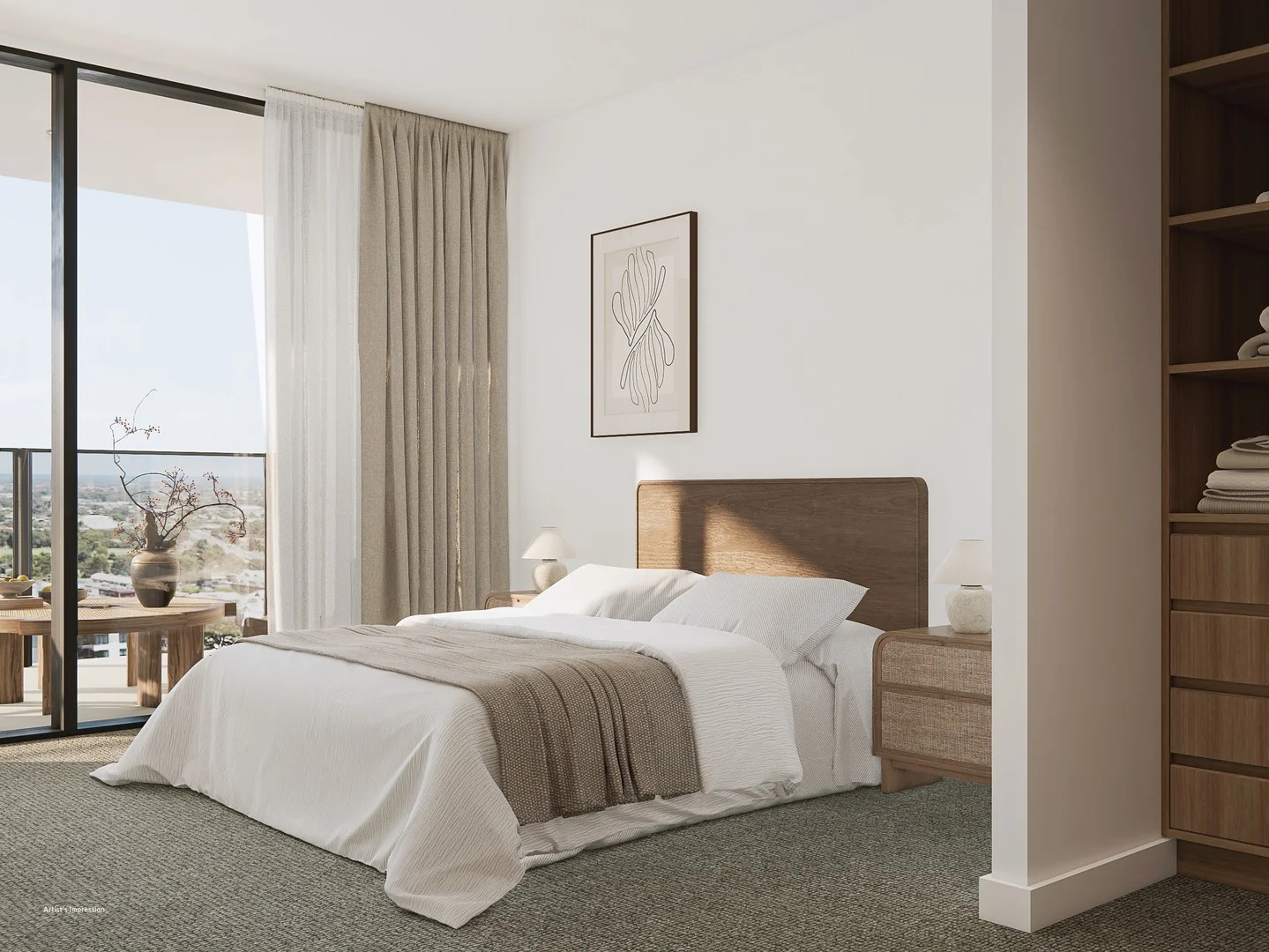 $935,000
Apartment / Unit / Flat
$935,000
Apartment / Unit / Flat
 $557,000
Apartment / Unit / Flat
$557,000
Apartment / Unit / Flat
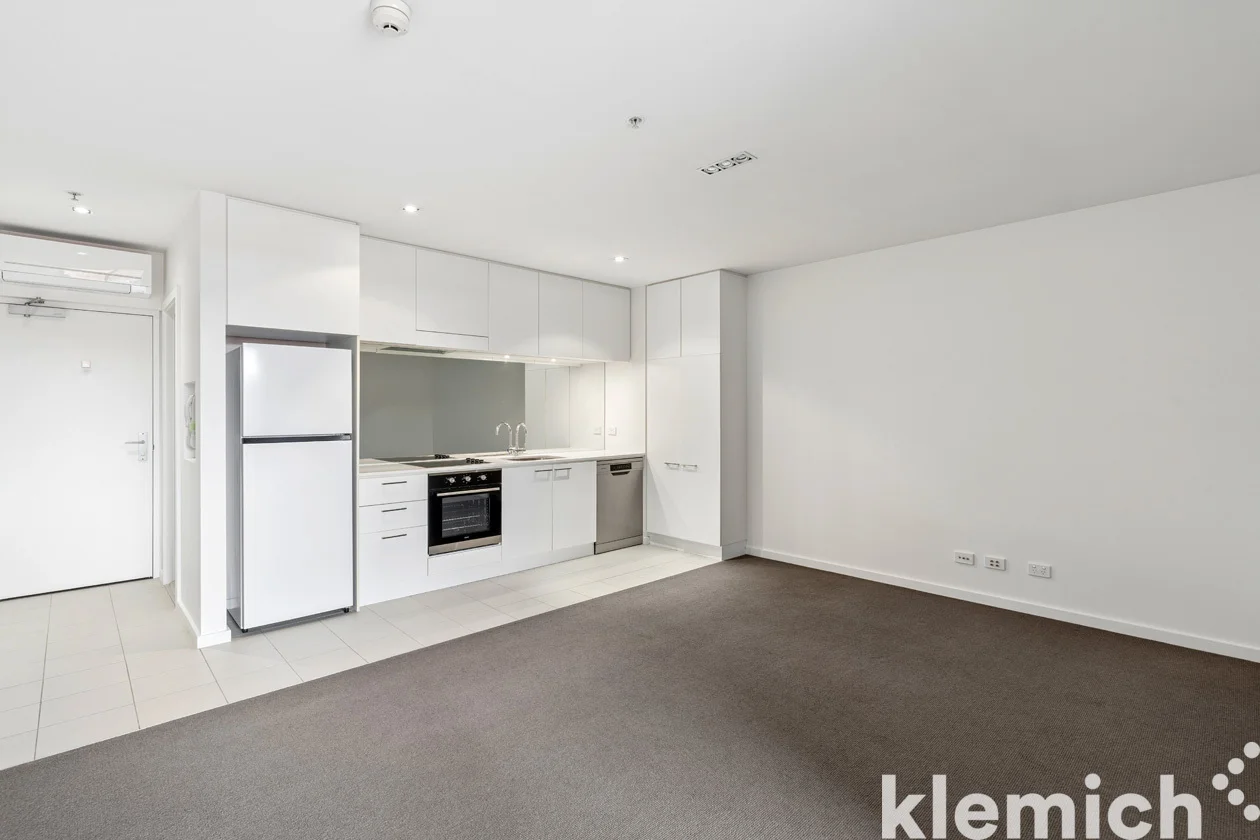 $440,000
Apartment / Unit / Flat
$440,000
Apartment / Unit / Flat
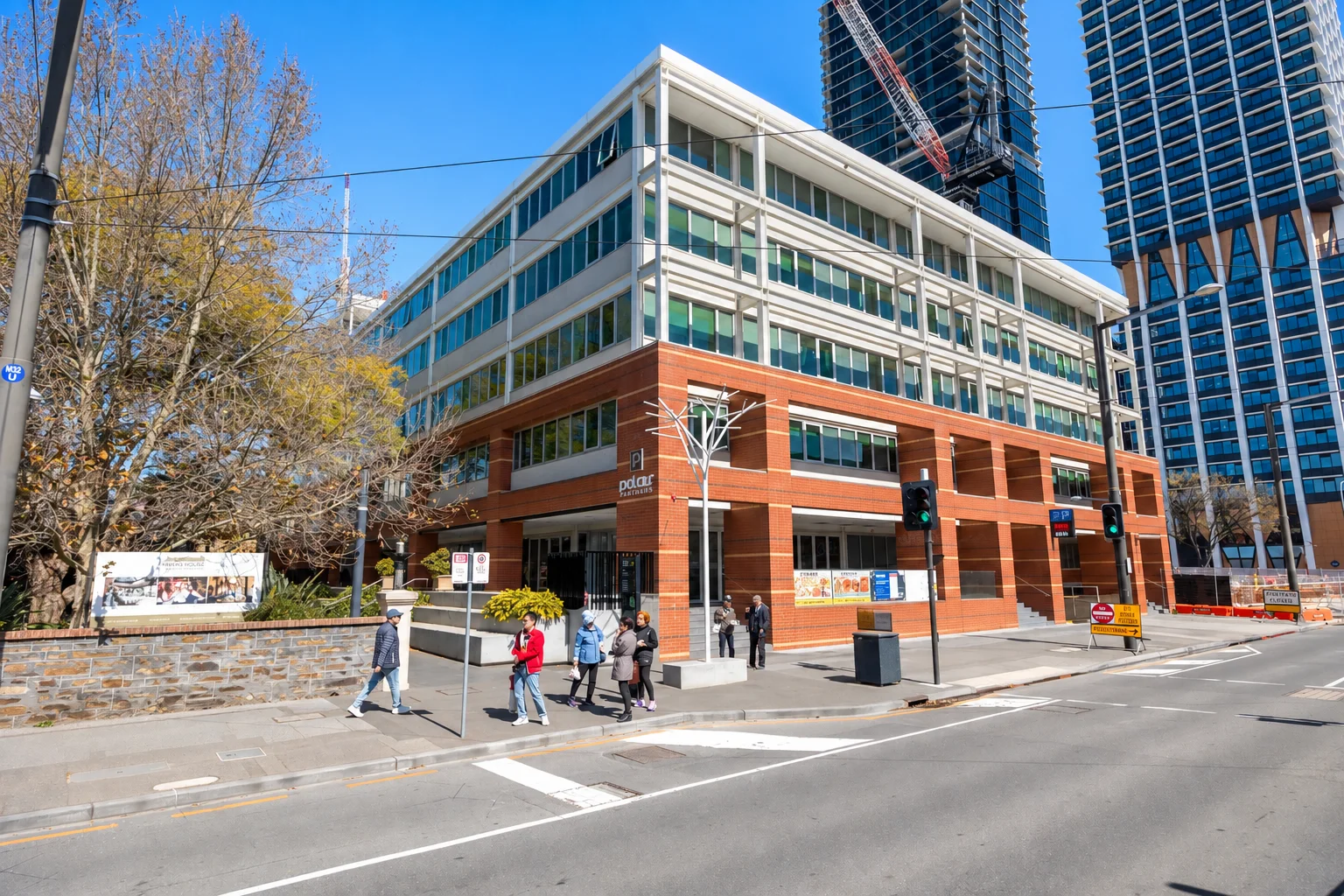 $545,000
Apartment / Unit / Flat
$545,000
Apartment / Unit / Flat
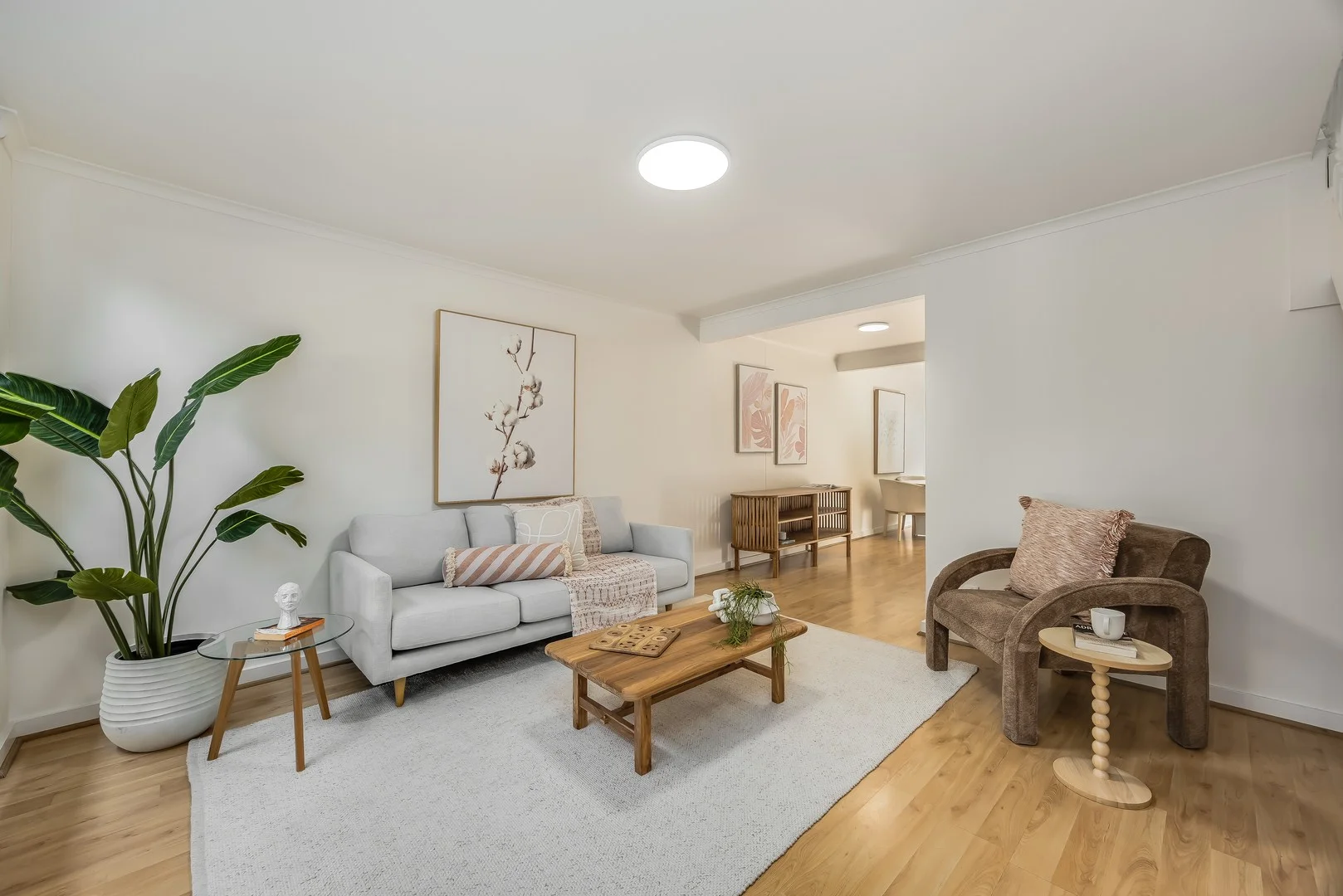 $775,000
House
$775,000
House