# Overview
Beaconhills College is an independent, co-educational private school with campuses in Berwick and Pakenham, Victoria. The college offers a P–12 education across its two campuses, creating a connected sense of community while catering to students at different stages of their schooling. It emphasises a values-driven culture within a supportive, inclusive environment.
The school is medium-to-large in size, with a focus on delivering a well-rounded education that balances academic achievement with strong pastoral care. Class sizes are designed to be manageable, enabling close teacher–student contact and personalised support, while maintaining opportunities for collaboration and teamwork. The atmosphere is nurturing, inclusive, and academically oriented, with emphasis on student wellbeing and community engagement.
---
# Academics & Learning
- Academic strengths: Strong emphasis on English, STEM, and humanities, with opportunities to develop leadership, critical thinking, and problem-solving across the curriculum. The college supports excellence in both core subjects and the arts.
- Special programs: Broad curriculum pathways that may include accelerated learning options and enrichment activities; programs to support gifted and talented students; additional focus areas in STEM and the arts.
- NAPLAN / trends: The school aims for consistent improvement across NAPLAN domains with a track record of steady performance growth over recent years, reflecting ongoing focus on literacy and numeracy development.
- Student-teacher ratios: School-wide ratios aimed at enabling meaningful teacher contact and guidance, with smaller class sizes in primary and key secondary year levels to maximise student support.
- Support for diverse learners: Dedicated support for diverse learners, including EAL (English as an Additional Language) support and SEN (special education needs) services, plus targeted interventions and learning support plans where needed.
---
# Sports & Extracurricular Strengths
- Sports offered: A broad program covering common team sports (e.g., basketball, soccer, netball, cricket, athletics, swimming, tennis) and individual pursuits, with pathways for both recreational participation and competition.
- Strong teams or achievements: Regular participation in regional and inter-school competitions, with notable achievements across multiple age groups and sports.
- Music, arts, drama programs: Active performing arts scene including music ensembles, drama productions, and opportunities for creative expression across the year levels.
- Clubs: Robotics, coding, chess, debating and other interest-based clubs support inquiry, problem-solving, and public speaking.
- Partnerships: Collaborations with local sport academies and participation in regional competitions to extend opportunities beyond the campus.
---
# Wellbeing & Pastoral Care
- Anti-bullying approach: Proactive wellbeing initiatives and clear anti-bullying policies, with ongoing education and support for students and families.
- House system: A house-based framework fosters belonging, healthy competition, teamwork, and leadership opportunities.
- Counsellors / wellbeing officers: Access to qualified counsellors and wellbeing staff to support student mental health, resilience, and social-emotional learning.
- Transition support for new students: Structured orientation and transition programs to help new students settle, build connections, and adapt to school routines.
---
# Facilities
- Sports grounds: Extensive playing fields and sports facilities to support PE and team sports.
- Libraries: Well-resourced libraries with study spaces and digital resources.
- Science labs: Modern science laboratories for hands-on experiments and inquiry-based learning.
- Music/performing arts centers: Dedicated spaces for music rehearsals, performances, and theatre activities.
- Tech/innovation labs: Contemporary technology and innovation facilities to support coding, robotics, and STEM projects.
- Cafeteria: On-site dining facilities providing a range of meal options.
- Updated playgrounds: Safe, modern play and recreation spaces for students.
---
# School Values & Community Culture
- School values / mission: A clear set of core values guiding character development, resilience, respect, integrity, and service within a diverse school community.
- Leadership style: Student leadership opportunities at multiple levels (house leadership, student councils, and program-specific roles) supported by staff mentors.
- Behaviour expectations: Positive conduct policies aligned with wellbeing and inclusivity, emphasising respect, responsibility, and collaboration.
- Community reputation: A well-established local reputation for providing a nurturing environment that combines academic rigor with strong pastoral care.
- Diversity & inclusion: Commitment to diversity and inclusive practices, welcoming students from diverse backgrounds and providing support to help all students thrive.
---
# School Logistics & Daily Operations
- School hours: Typical school day structure with start and finish times aligned to the P–12 program across campuses.
- Before/after school care: Availability of wrap-around care or supervised activities before and after school.
- Uniform requirements: Clear uniform standards appropriate for age groups and campuses.
- Transport (train/bus routes): Local bus services and public transport options serving both Berwick and Pakenham campuses; information on typical routes and drop-off points.
- Canteen availability: On-site canteen or catering options supporting healthy meal choices.
- Fees: Independent school fees with a range that varies by year level and campus; information on additional costs for activities and materials is available to families.
---
# Enrolment & Admissions
11. What is the enrolment process and timeline?
- Inquiry or expression of interest, online application, submission of required documentation, and consideration of placement. The process typically includes an interview or information session, assessment where applicable, and notification of outcomes. Offers and confirmations follow, with a formal enrolment process and orientation planning.
12. Is there a waiting list, and how does it work?
- Waiting lists may apply if enrolments reach capacity for a given year level or campus. Placement often reflects application date priority, sibling consideration, and availability. Families are advised of expected timelines and any conditions for placement.
13. Are there any entry requirements, tests, or interviews?
- Some year levels may require interviews and/or placement assessments to determine suitability and fit with the program. Parents may be asked to provide prior academic records, reports, or other documentation. English language support needs (if applicable) may also be assessed.
14. Does the school accept mid-year transfers?
- Mid-year transfers are considered where space and timetable alignment permit. Prospective transferees typically undergo an assessment and interview process to ensure a smooth transition and continuity of learning.
---
# Frequently Asked Questions
- Why Parents Choose This School?
- Beaconhills College offers a balanced P–12 pathway within a nurturing, inclusive community. Strong academic programs, broad co-curricular opportunities, and comprehensive wellbeing support help students develop confidence, resilience, and real-world skills.
- What type of student thrives at this school?
- Motivated, curious learners who value a supportive community, collaborative learning, and opportunities to engage in academics, sport, arts, and leadership.
- What opportunities are available for students to extend their skills (academics, sports, arts)?
- A range of enrichment programs, accelerated or advanced pathways where appropriate, competitive sports, performing arts productions, robotics, coding, debating, and other clubs.
- How does the school communicate with parents?
- Regular updates via newsletters, digital portals, parent-teacher conferences, and timely communications from leadership and teachers about student progress and events.
- What is the school’s approach to teaching and learning?
- A student-centered approach that emphasises inquiry, critical thinking, collaboration, and differentiation to support diverse learners and individual growth.
- How does the school support students who need extra academic help?
- Dedicated learning support, EAL provisions, targeted interventions, and access to counsellors and wellbeing staff where needed.
- What support is available for academic challenges?
- Tutoring, assessment review, and tailored learning plans, plus ongoing monitoring by teachers and learning support staff.
- How does the school communicate with parents? (Duplicate)
- See above: frequent updates, portals, and formal meetings to keep families informed and engaged.
- What are the class sizes and how much individual attention do students receive?
- Class sizes are designed to be conducive to learning, with smaller groups in the primary years and mid-sized classes in secondary, enabling meaningful teacher attention and support.
- What extracurricular and sports opportunities are available?
- Extensive options across sports, music, drama, clubs (robotics, coding, chess, debating), and community events. Inter-school competitions and partnerships extend opportunities beyond the campus.
- What facilities does the school offer (sports, science, arts)?
- Modern facilities across sports grounds, libraries, science labs, performing arts centres, tech/innovation labs, canteen, and well-maintained playgrounds.
- What is the school’s approach to technology and digital learning?
- Integrated technology and digital learning embedded across the curriculum, with access to devices, coding, and STEM-focused activities to prepare students for a tech-enabled world.
- What transport and accessibility options are available?
- Bus routes and public transport options serve both campuses, with information on convenient access points and travel planning support.
- What are typical school fees or additional costs?
- Fees reflect independent school standards and vary by year level and campus. Additional costs may apply for certain activities, camps, materials, and excursions.
---
# Short Pros & Cons list
- Pros
- Independent, private school with a strong sense of community across two campuses (Berwick and Pakenham).
- P–12 pathways support continuity from primary to senior secondary.
- Balanced emphasis on academics, wellbeing, sport, arts, and clubs.
- Dedicated support for diverse learners (EAL, SEN) and strong pastoral care.
- Wide range of facilities and opportunities to explore interests beyond the classroom.
- Cons
- As an independent school, fees may be higher than some public options.
- Large campuses can mean busier environments and less situational personalization in some cohorts.
- Availability of certain programs or spaces may vary by year level or campus, potentially impacting choice for mid-year transfers.

 Free
Free









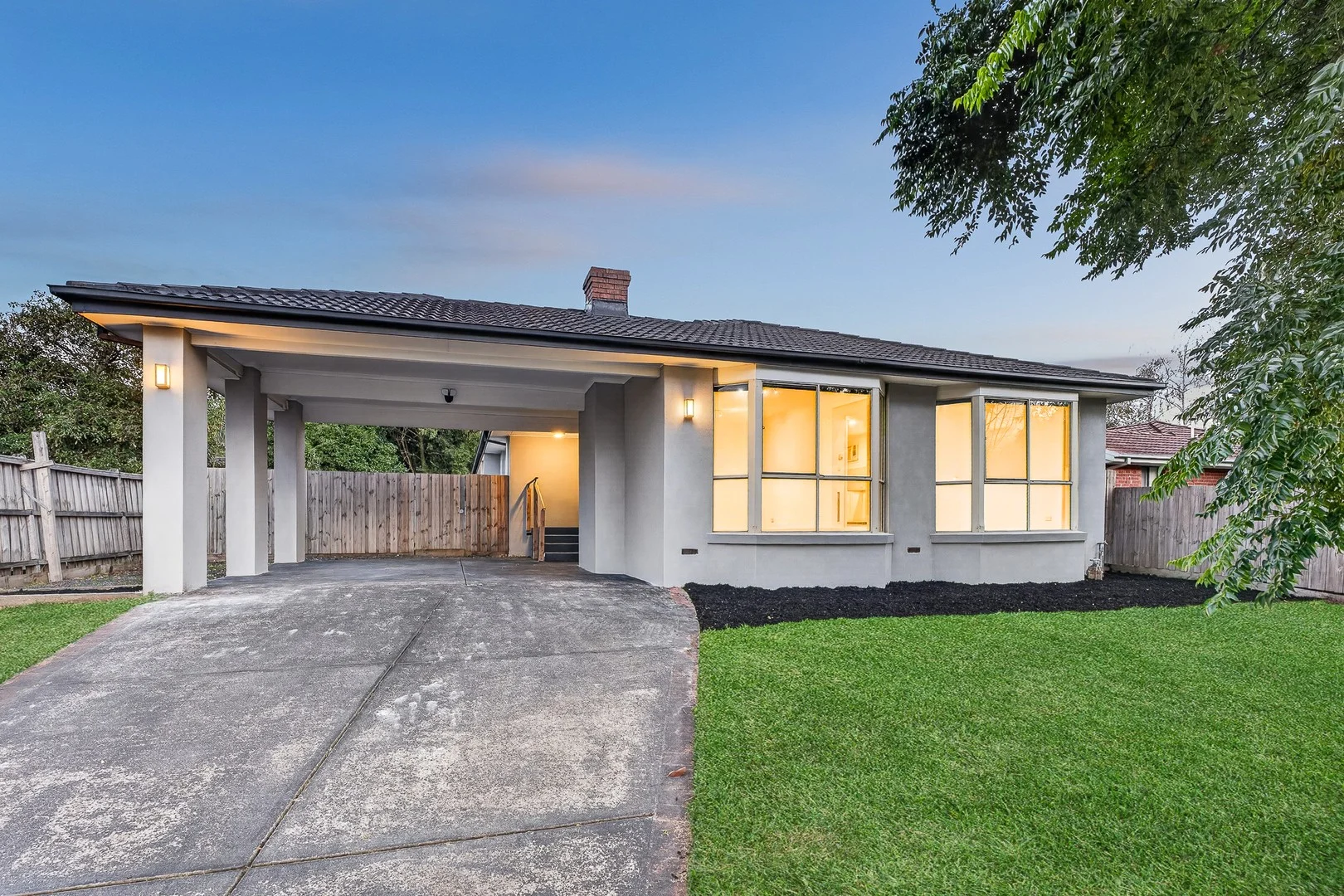 $800,000 - $880,000
House
$800,000 - $880,000
House
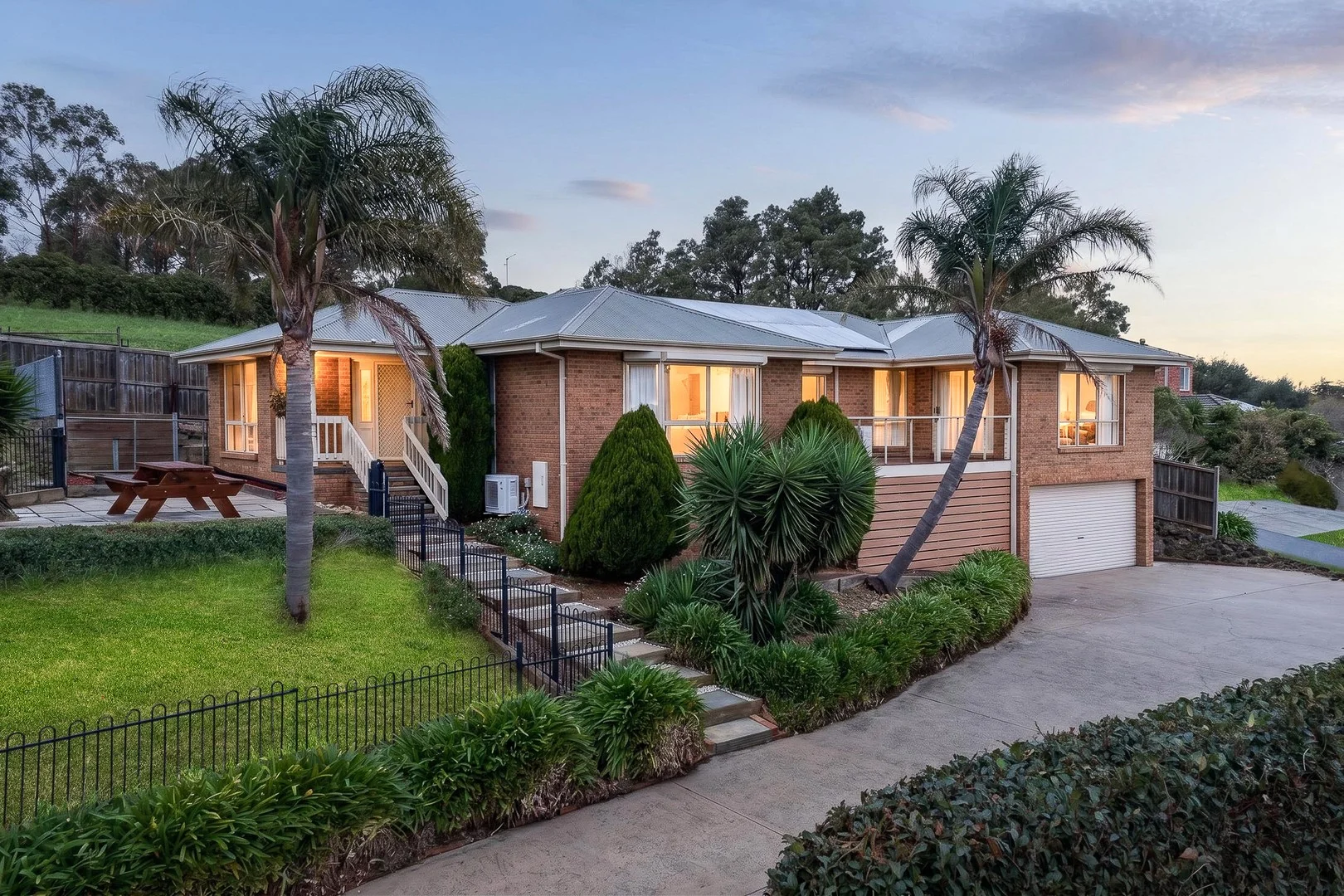 $850,000
House
$850,000
House
 $795,000 - $835,000
House
$795,000 - $835,000
House
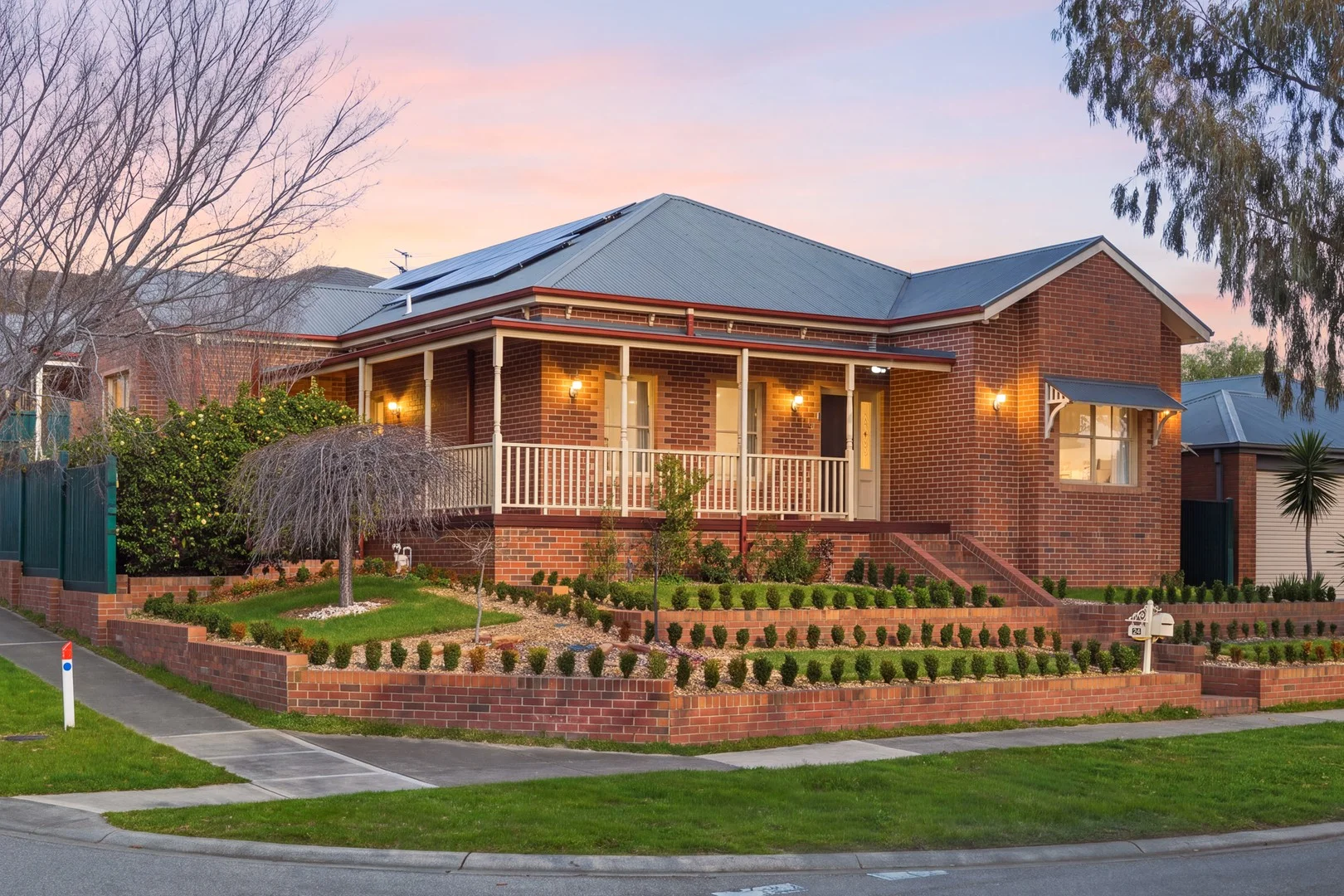 $1,200,000
House
$1,200,000
House
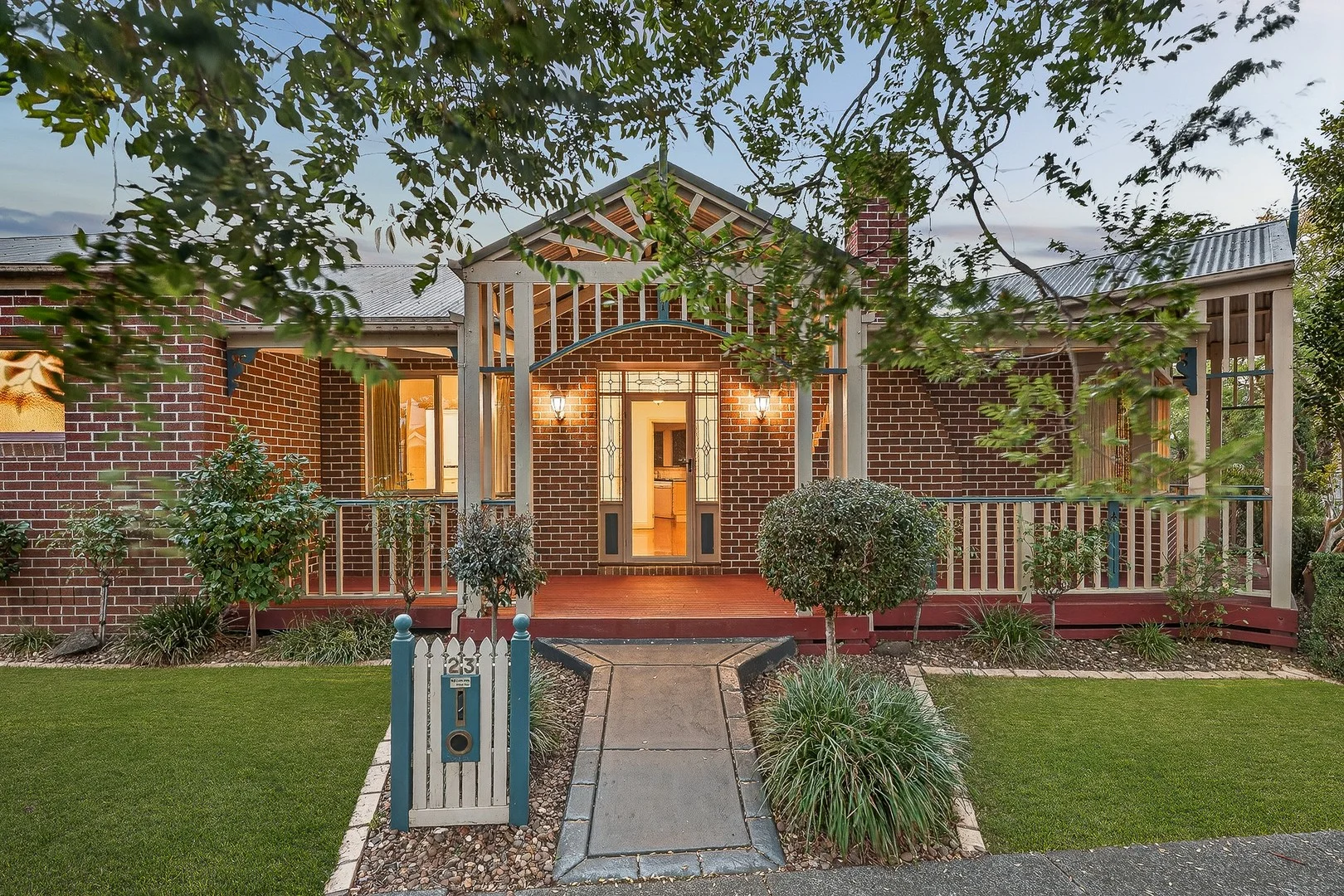 $1,050,000 - $1,150,000
House
$1,050,000 - $1,150,000
House
 $805,500
House
$805,500
House
 $595,000 - $645,000
House
$595,000 - $645,000
House
 $1,116,900
propertyType.NEW HOUSE & LAND
$1,116,900
propertyType.NEW HOUSE & LAND
 $600
House
$600
House


