Overview
Beaconhills College, Pakenham is an independent, co-educational day school offering a comprehensive K–12 program in the Victorian school system. The campus is typically described as medium-to-large in size, with class sizes that aim for personal attention and active participation. The atmosphere is nurturing and inclusive, with a strong emphasis on academics, sport, and the arts to support well-rounded student development.
Academics & Learning
- Academic strengths: Balanced focus across core subjects with emphasis on literacy and numeracy, STEM pathways, English literacy, and leadership development; strong VCE pathways with options for advanced courses and subject diversification; languages and humanities programs are also supported.
- Special programs: Accelerated learning and gifted/talented programs; opportunities for students to take on leadership roles and participate in targeted enrichment activities.
- Support for diverse learners: EAL (English as an Additional Language) support and dedicated learning support staff to assist students with diverse learning needs; inclusive education practices across year groups.
- Sports offered: A broad program including team and individual sports such as basketball, soccer/football, netball, cricket, tennis, athletics, swimming, and volleyball, with opportunities for competitive interschool sport.
- Strong teams or achievements: Active involvement in regional and interschool competitions, with opportunities for representative selections and school-wide spirit and pride around teams.
- Music, arts, drama programs: Comprehensive performing arts offerings, including music ensembles, drama productions, and public performances; strong emphasis on creativity and stage presence.
- Clubs: Robotics, chess, coding, debating, and various student-led clubs that support STEM, literacy, and critical thinking.
- Partnerships: Participation in local and regional competitions and collaborations with community arts and sports programs to provide real-world opportunities for students.
Wellbeing & Pastoral Care
- Anti-bullying approach: Clear anti-bullying policies and programs focused on digital citizenship, empathy, and respectful peer interactions.
- House system: House-based pastoral structure to foster belonging, healthy competition, and peer support across year levels.
- Counsellors / wellbeing officers: On-site wellbeing staff and school counselors to support student mental health, transition, and personal development.
- Transition support for new students: Orientation sessions, buddy systems, and targeted induction programs to help new students settle in.
Facilities
- Sports grounds
- Libraries
- Science labs
- Music/performing arts centers
- Tech/innovation labs
- Cafeteria
- Updated playgrounds
- School values / mission: A focus on respect, integrity, excellence, and inclusion, with an emphasis on personal growth and community contribution.
- Leadership style: Collaborative, student-centered leadership with opportunities for student voice and leadership roles.
- Behaviour expectations: Positive behaviour framework with clear codes of conduct and consequences aligned to school values.
- Community reputation: Family-friendly environment with active parental involvement and strong community ties.
- Diversity & inclusion: Commitment to diversity and inclusion, supporting students from a range of backgrounds and abilities.
School Logistics & Daily Operations
- School hours: Typically a full-day program with start and finish times that vary by primary and secondary cohorts (generally around 8:45–9:00 am start; 3:15–3:30 pm finish). Exact times can vary by year level.
- Before/after school care: Yes, arrangements commonly available through OSHC or school-run programs to support families.
- Uniform requirements: Mandatory uniforms, with specific items for everyday wear and sport; details and fittings are available via the school uniform shop.
- Transport (train/bus routes): Access to regional bus services and connections to nearby train lines; school may provide transport options or guidance for families.
- Canteen availability: On-site canteen or cafeteria offering daily meals and snacks.
- Fees (low/medium/high ranges): Fees are in the private/independent school range; exact figures vary by year level and package; contact the school for current fee schedules and any family discounts.
Enrolment & Admissions
- What is the enrolment process and timeline?
- Parents typically complete an expression of interest or application, submit required documents (birth certificate, immunisation records, parent details), pay an application fee, and attend any required interviews or assessments. Offers are issued subject to availability, with timelines that can span several weeks to months depending on year level and intake.
- Is there a waiting list, and how does it work?
- There can be a waiting list for certain year levels or cohorts; priority is usually given to siblings and returning families, with offers made as spaces become available. The length of time on a waitlist varies by year level and demand.
- Are there any entry requirements, tests, or interviews?
- Entry may include an interview or information session, and in some cases academic or aptitude assessments. Documentation such as birth certificates and immunisation records are typically required; EAL considerations may lead to additional language assessments.
- Does the school accept mid-year transfers?
- Mid-year transfers are possible if spaces exist and all entry requirements, transfer documentation, and timelines are met. Availability varies by year level and current intake.
Frequently Asked Questions
- Why Parents Choose This School?
- A supportive, inclusive environment with strong academics, extensive co-curricular options, and a community-focused culture.
- What type of student thrives at this school?
- Students who enjoy a balanced program across academics, sport, and the arts, who respond well to a collaborative learning environment, and who value community involvement.
- What opportunities are available for students to extend their skills (academics, sports, arts)?
- Advanced coursework and leadership opportunities in academics; competitive team sports; robust music, theatre, and arts programs; clubs in robotics, coding, debating, and more.
- How does the school communicate with parents?
- Regular updates via newsletters, a digital learning platform, parent-teacher meetings, and scheduled information evenings; responsive channels for timely communication.
- What is the school’s approach to teaching and learning?
- Student-centered, inquiry-based learning with structured support, clear learning goals, and diverse delivery methods to meet different learning styles.
- How does the school support students who need extra academic help?
- Targeted literacy and numeracy support, learning support staff, EAL assistance, and intervention programs as needed.
- What support is available for academic challenges?
- Access to tutoring, study skills development, extra practice resources, and collaboration with teachers to tailor interventions.
- How does the school communicate with parents? (duplicate)
- See above: regular channels and digital platforms for ongoing engagement and transparency.
- What extracurricular and sports opportunities are available?
- A broad range of sports, arts, and clubs including robotics, chess, coding, debating, music ensembles, and drama productions.
- What facilities does the school offer (sports, science, arts)?
- Modern sports facilities, well-equipped science labs, performing arts spaces, libraries, tech/innovation labs, and a student-friendly cafeteria.
- What is the school’s approach to technology and digital learning?
- Integrated digital learning across the curriculum, with devices and software used to support collaboration, research, and problem-solving.
- What transport and accessibility options are available?
- Local bus services, connections to nearby train lines, and guidance on school transport options; accessibility considerations are addressed through campus planning and support services.
- What are the typical school fees or additional costs?
- Fees are in the independent school range; exact amounts vary by year level and program; consult the school for the current fee schedule and any associated costs.
Short Pros & Cons list
- Independent, well-rounded K–12 program with strong academics, sport, and arts.
- Inclusive, supportive culture with emphasis on wellbeing and community.
- Broad range of extracurriculars and clubs; opportunities for leadership and specialization.
- Modern facilities and dedicated staff supporting diverse learners.
- Fees reflect private/independent schooling; higher than government options.
- Spots can be limited at certain year levels; may require waiting lists.
- Transport logistics can vary by family location and may require planning.
- Some programs and facilities may have year-specific access or scheduling considerations.

 Free
Free










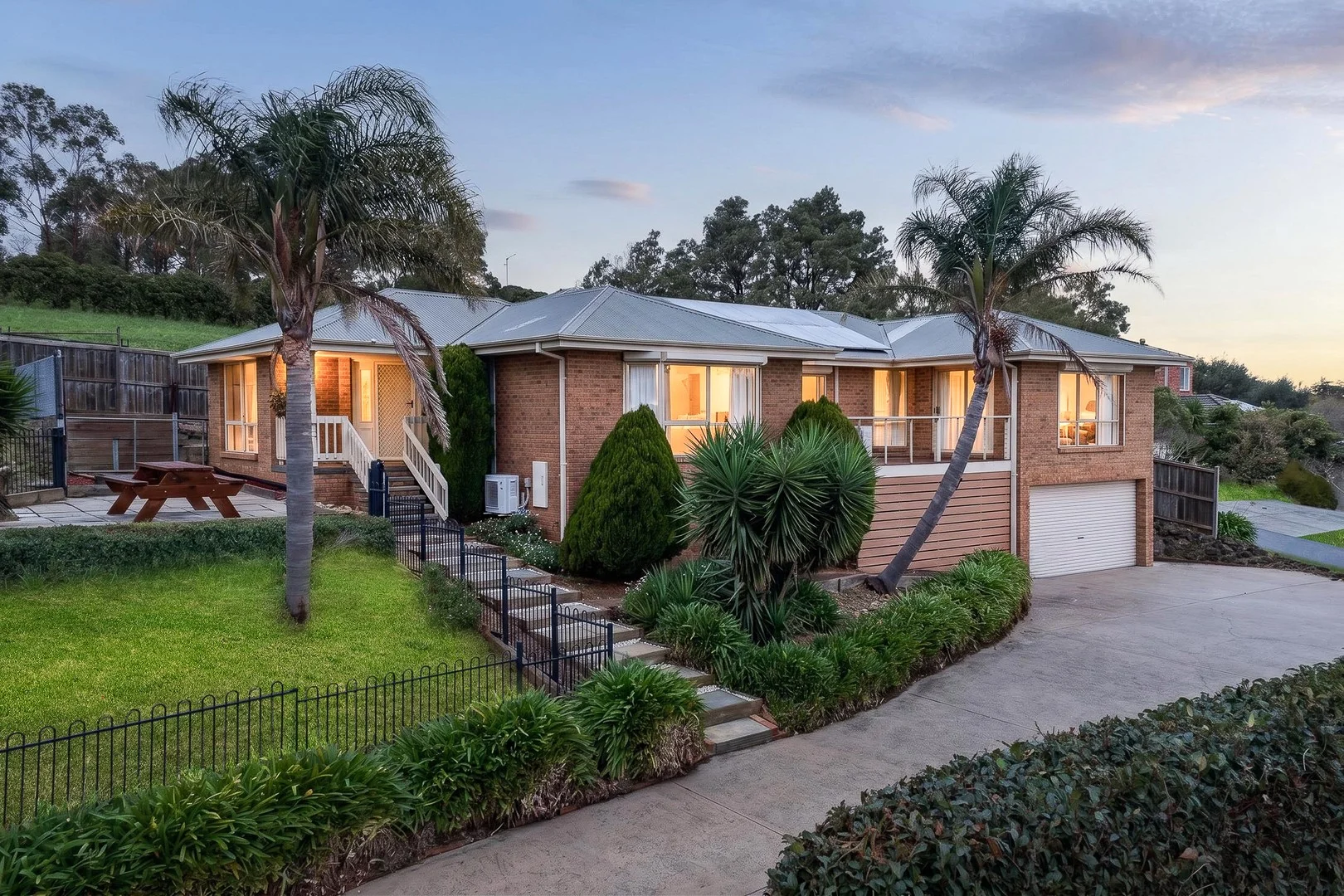 $850,000
House
$850,000
House
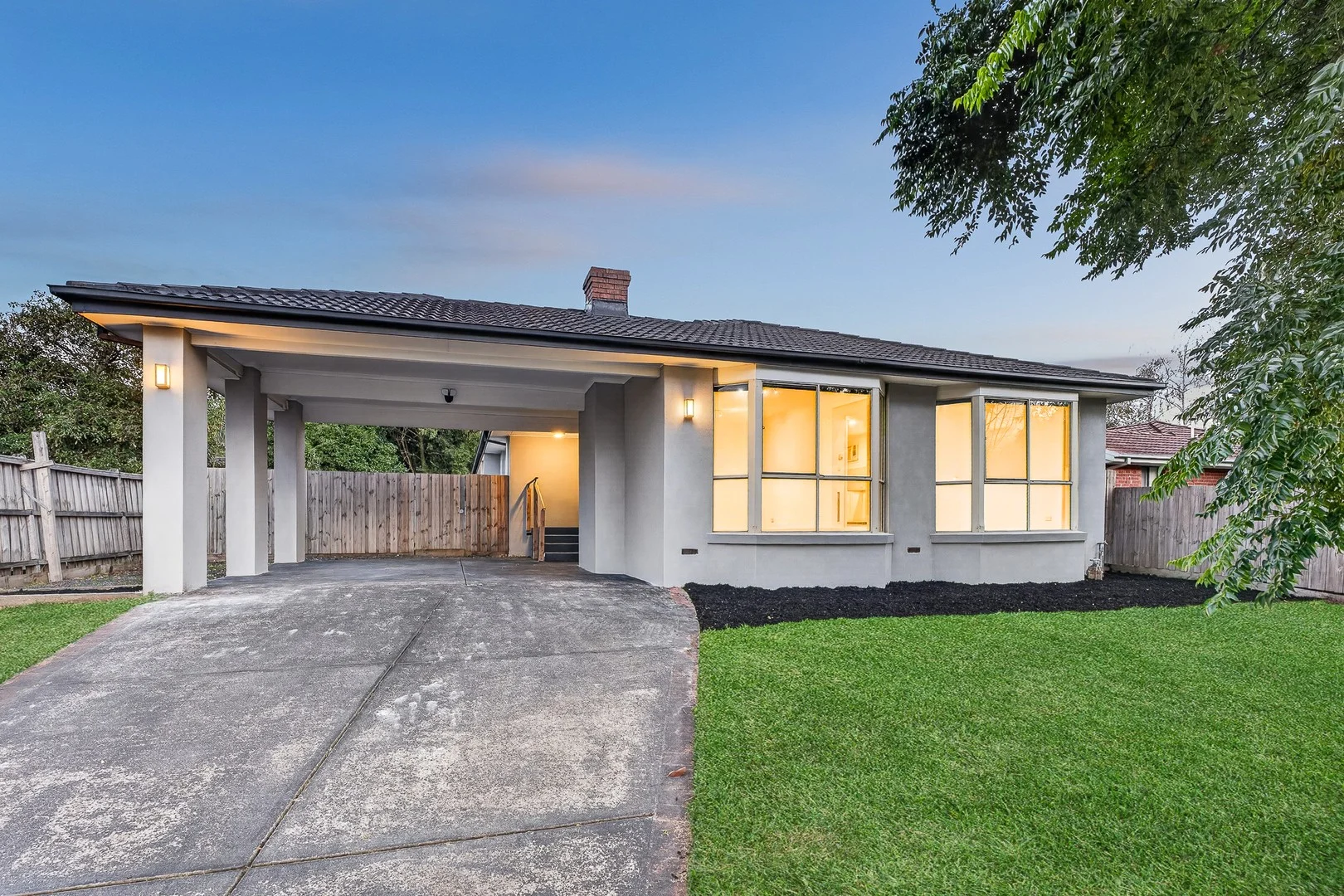 $800,000 - $880,000
House
$800,000 - $880,000
House
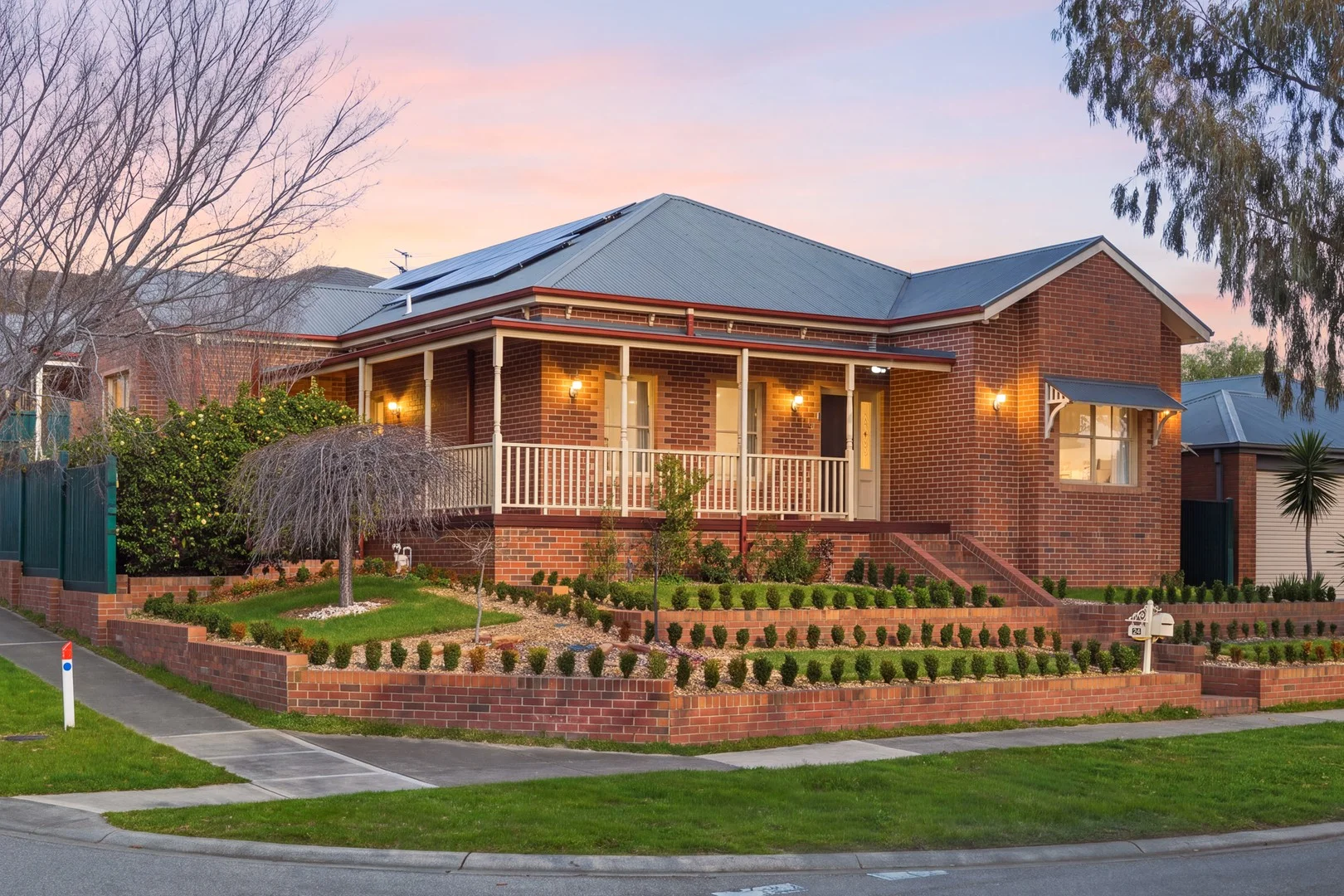 $1,138,000
House
$1,138,000
House
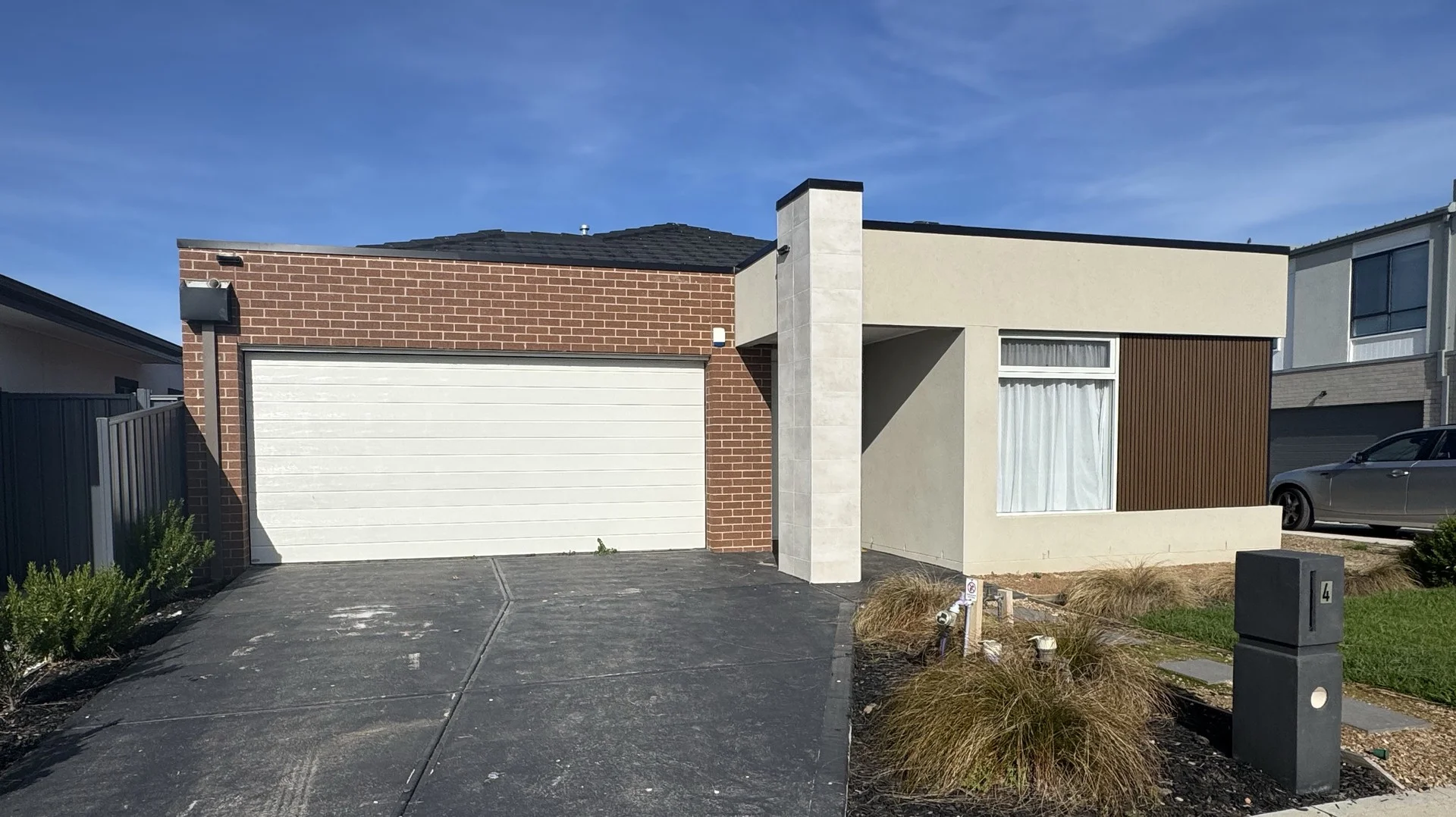 $600
House
$600
House
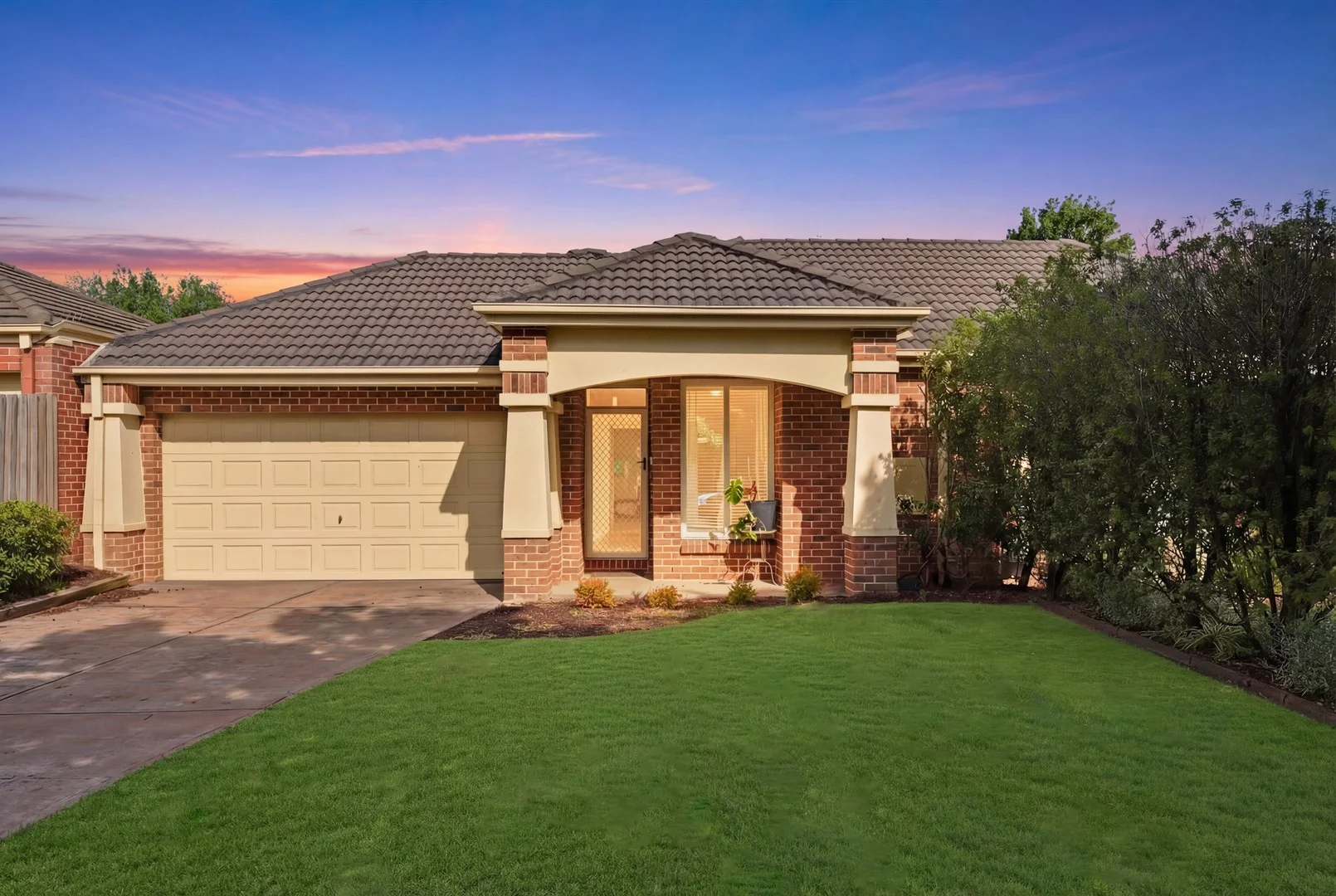 $795,000 - $835,000
House
$795,000 - $835,000
House
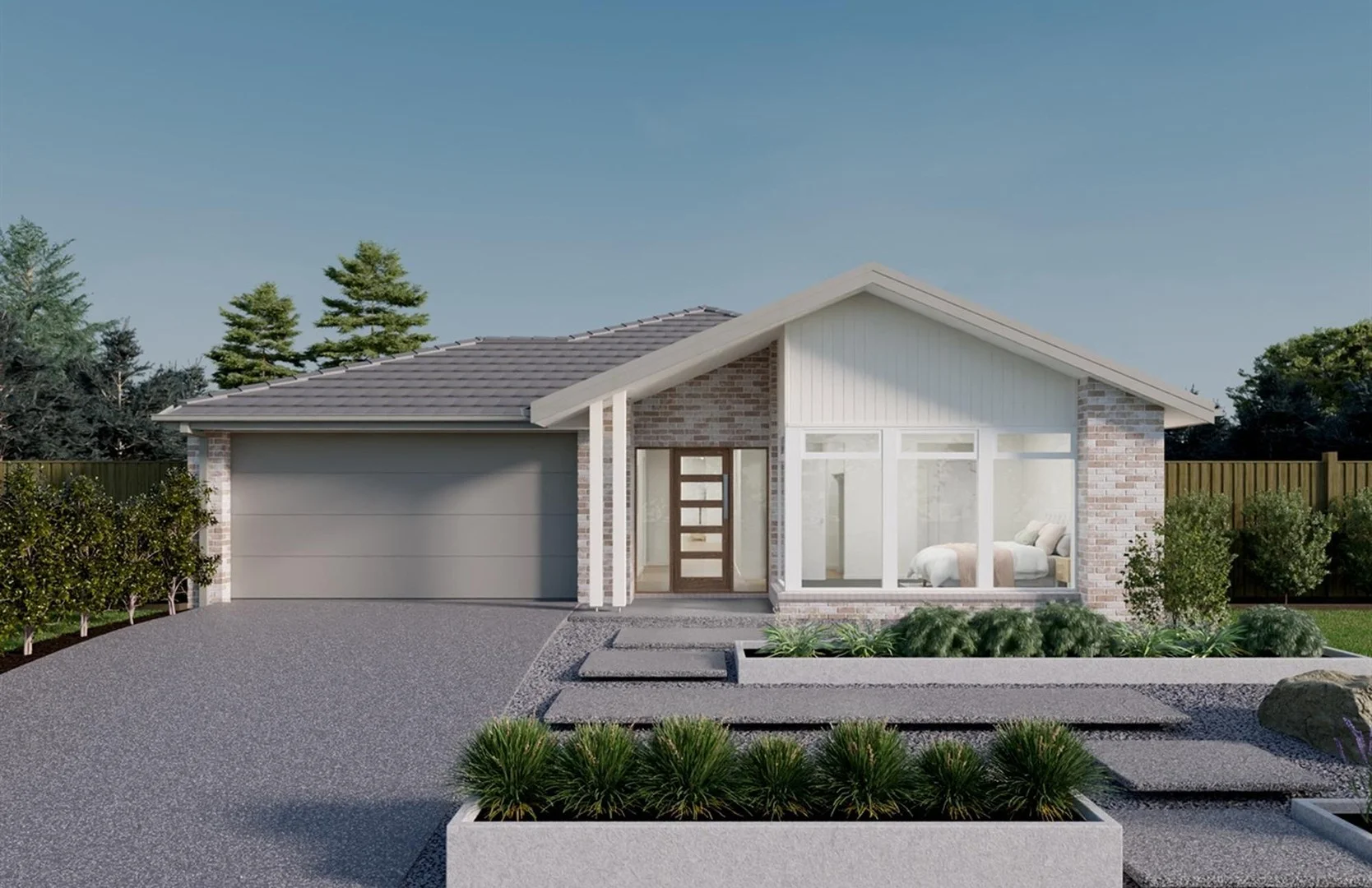 $1,116,900
propertyType.NEW HOUSE & LAND
$1,116,900
propertyType.NEW HOUSE & LAND
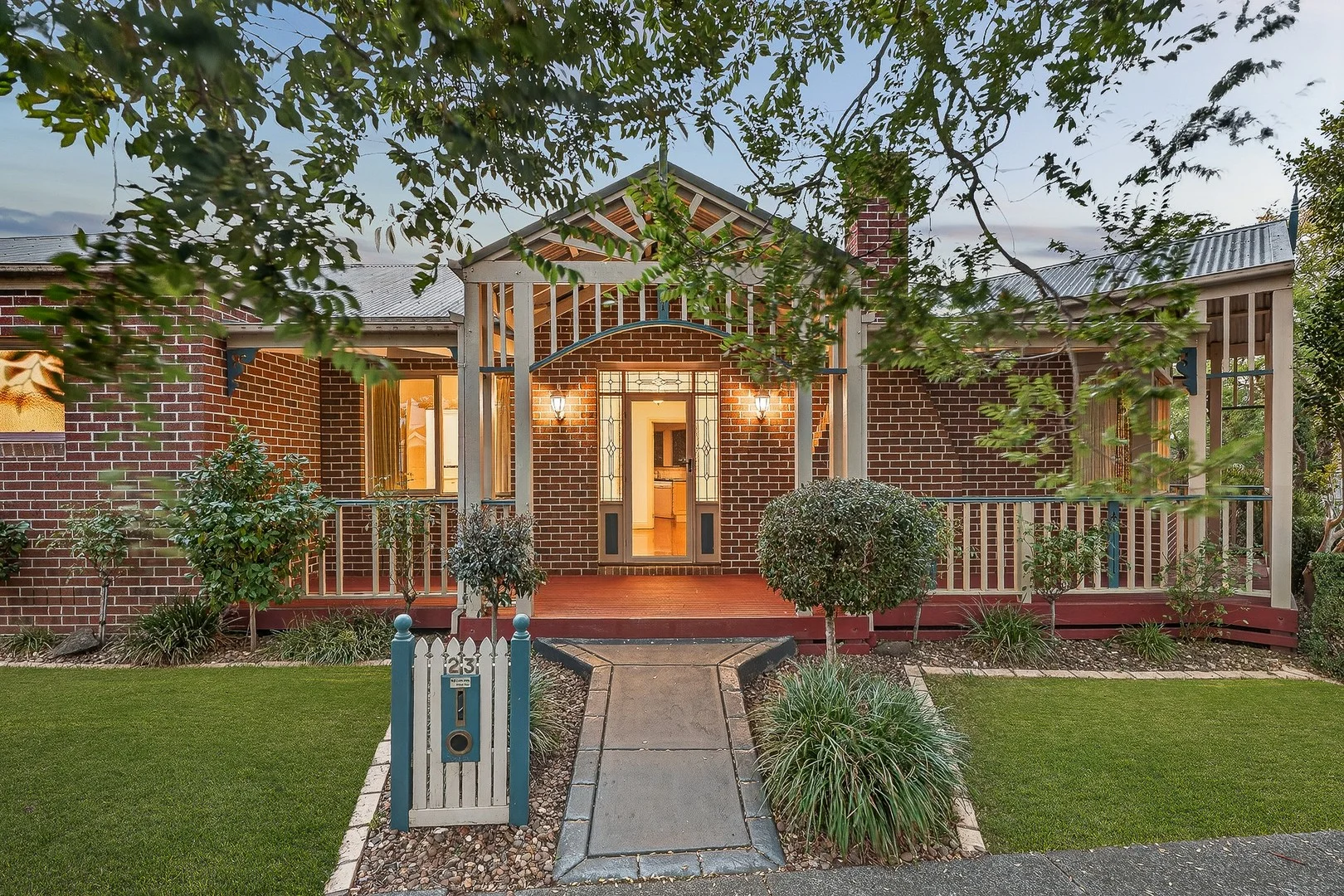 $1,050,000 - $1,150,000
House
$1,050,000 - $1,150,000
House
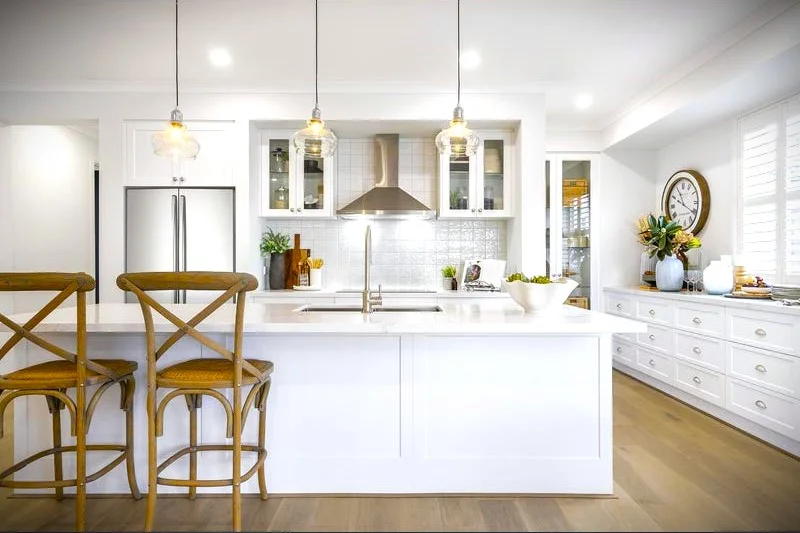 $805,500
House
$805,500
House
 $595,000 - $645,000
House
$595,000 - $645,000
House


