## 1. Overview
Bella Vista Public School is a public, co-educational primary school serving families in the Bella Vista area. The school is medium-sized, typically running multiple classes per year with class sizes around 25–30 students. The atmosphere is inclusive and nurturing, with a balanced focus on academic achievement, wellbeing, and student participation in sports and arts. The school emphasises a supportive community where students from diverse backgrounds can learn and grow together.
## 2. Academics & Learning
- Academic strengths: English literacy and numeracy form the core, with a strong emphasis on STEM, digital technologies, and opportunities to develop leadership and study skills. Languages are offered where available, and there is ongoing support for students to strengthen core capabilities.
- Special programs: Gifted and talented opportunities and accelerated learning options are available for eligible students, along with targeted coding, robotics and other technology-rich activities.
- NAPLAN trends: Over recent years, the school has shown stable overall performance with steady improvements in key domains such as reading and numeracy, reflecting ongoing focus on foundational skills.
- Student-teacher ratios: Class sizes typically support close teacher-student interaction, with a student-teacher ratio around the mid-teen range (roughly 1:18–1:25 depending on year and class).
- Support for diverse learners: Strong EAL support and inclusive practices are in place, along with SEN support to help students access learning and participate fully.
## 3. Sports & Extracurricular Strengths
- Sports offered: Soccer, netball, basketball, cricket, rugby league, athletics, swimming and other seasonal activities.
- Strong teams or achievements: Regular participation in district competitions with school teams achieving recognition in local and district events.
- Music, arts, drama programs: Active music and performing arts programs including school choirs and instrumental activities, plus opportunities in drama and theatre-related projects.
- Clubs: Robotics, coding, chess, debating and other academic/creative clubs run to complement classroom learning.
- Partnerships: Connections with local community clubs and regional competitions provide additional opportunities for advancement and experience.
## 4. Wellbeing & Pastoral Care
- Anti-bullying approach: Whole-school programs, clear reporting pathways, restorative practices and a safe, supportive environment for all students.
- House system: A house-based system fosters healthy competition, teamwork and belonging.
- Counsellors / wellbeing officers: Access to wellbeing professionals and dedicated staff to support students’ social and emotional needs.
- Transition support for new students: Orientation programs, buddy systems and targeted support to ease transitions between year levels or into the school from other schools.
## 5. Facilities
- Sports grounds
- Libraries
- Science labs
- Music/performing arts centers
- Tech/innovation labs
- Cafeteria
- Updated playgrounds
## 6. School Values & Community Culture
- School values / mission: Emphasis on respect, inclusion, responsibility and a strive-for-excellence mindset.
- Leadership style: Collaborative leadership with opportunities for student voice and ongoing staff development.
- Behaviour expectations: Clear codes of conduct aligned with the school’s values, focusing on respectful relationships and responsible decisions.
- Community reputation: Known for a friendly, welcoming culture and active involvement from families and local partners.
- Diversity & inclusion: Commitment to celebrating diversity and ensuring inclusive participation in all programs.
## 7. School Logistics & Daily Operations
- School hours: Typically 9:00 am to 3:15 pm (with variations by year level; check the current calendar).
- Before/after school care: Available through approved providers or school-supported programs.
- Uniform requirements: School uniform is required (with details provided by the school).
- Transport (train/bus routes): Public transport options and local bus routes serving the area; families should consult Transport for NSW or the school for specific routes and timings.
- Canteen availability: Canteen services available, including healthy meal and snack options.
- Fees (low/medium/high ranges): Public primary schools have no tuition fees; there are voluntary contributions and may be minor charges for certain activities or excursions.
## 8. Enrolment & Admissions
11. What is the enrolment process and timeline?
- Enrolments are handled through the NSW Department of Education process. Check catchment eligibility, prepare required documents (proof of address, identity, immunisation status as applicable), and submit the enrolment application. Kindergarten enrolments typically open in the year prior to starting school, with offers communicated according to the department’s timeline and space availability. For mid-year starts, applications follow the same process and are assessed if space allows.
12. Is there a waiting list, and how does it work?
- If there is excess demand or out-of-area interest, a waiting list may be established. Places are allocated in line with catchment rules, space availability, and the order of eligible applicants. The school can provide specifics based on current demand and catchment considerations.
13. Are there any entry requirements, tests, or interviews?
- NSW public primary schools generally do not require entrance tests for Kindergarten or standard year-level entry. Some specialized programs or support-focused assessments might include brief information gathering or interviews to determine appropriate placements or supports, but these are not typical for routine enrolments.
14. Does the school accept mid-year transfers?
- Mid-year transfers are considered where space is available. Parents should contact the school promptly to discuss feasibility, provide current school records, and complete the standard enrolment process.
## 9. Frequently Asked Questions
- “Why Parents Choose This School?”
- Because of its welcoming community, strong focus on literacy and numeracy, balanced emphasis on academics, wellbeing and extracurricular opportunities, plus visible support for diverse learners.
- “What type of student thrives at this school?”
- Students who engage with both academics and activities, who value inclusion, collaboration and personal growth, and who enjoy participating in sports, arts and clubs.
- “What opportunities are available for students to extend their skills (academics, sports, arts)?”
- Gifted and talented programs, accelerated learning options, coding/robotics clubs, debating, music and performing arts programs, and district-level sports opportunities.
- “How does the school communicate with parents?”
- Regular updates via newsletters, email, the school website, parent portals and scheduled information evenings; open lines of communication with teachers and administration.
- “What is the school’s approach to teaching and learning?”
- A mix of evidence-based literacy and numeracy instruction, inquiry-based learning opportunities, integration of technology, and a strong emphasis on student wellbeing.
- “How does the school support students who need extra academic help?”
- Targeted EAL/SEN supports, small-group or one-on-one intervention, in-class accommodations and collaboration with families to tailor supports.
- “What support is available for academic challenges?”
- Access to learning support staff, referral pathways to specialist services when needed, and ongoing progress monitoring.
- “How does the school communicate with parents?” (Repeated)
- See above; multiple channels to ensure timely and clear information sharing.
- “What are the class sizes and how much individual attention do students receive?”
- Class sizes typically around 25–30 students, with teachers tracking individual progress and offering targeted support within the classroom or through additional programs.
- “What extracurricular and sports opportunities are available?”
- A broad range including sports, robotics, coding, chess, debating, music and performing arts, and district-level competitions.
- “What facilities does the school offer (sports, science, arts)?”
- Comprehensive facilities including sports grounds, libraries, science labs, music/performing arts spaces, tech/innovation labs, canteen and updated playgrounds.
- “What is the school’s approach to technology and digital learning?”
- Integration of digital technologies in learning, access to devices and software to support coding, research, and creative projects.
- “What transport and accessibility options are available?”
- Local bus routes and public transport options are available; families should consult Transport for NSW for precise routes and schedules.
- “What are the typical school fees or additional costs?”
- There are no tuition fees for public schooling; families may encounter voluntary contributions and occasional costs for excursions or extracurricular activities.
## 10. Short Pros & Cons list
- Pros
- Public, inclusive environment with strong literacy and numeracy focus
- Wide range of extracurriculars (sports, arts, clubs)
- Support for diverse learners and well-being programs
- Modern facilities and active community involvement
- Cons
- Class sizes can be on the higher side in peak years
- Transport options depend on local routes; some families may require travel planning
- As a public school, programs and resources may vary year to year with funding and enrollment changes









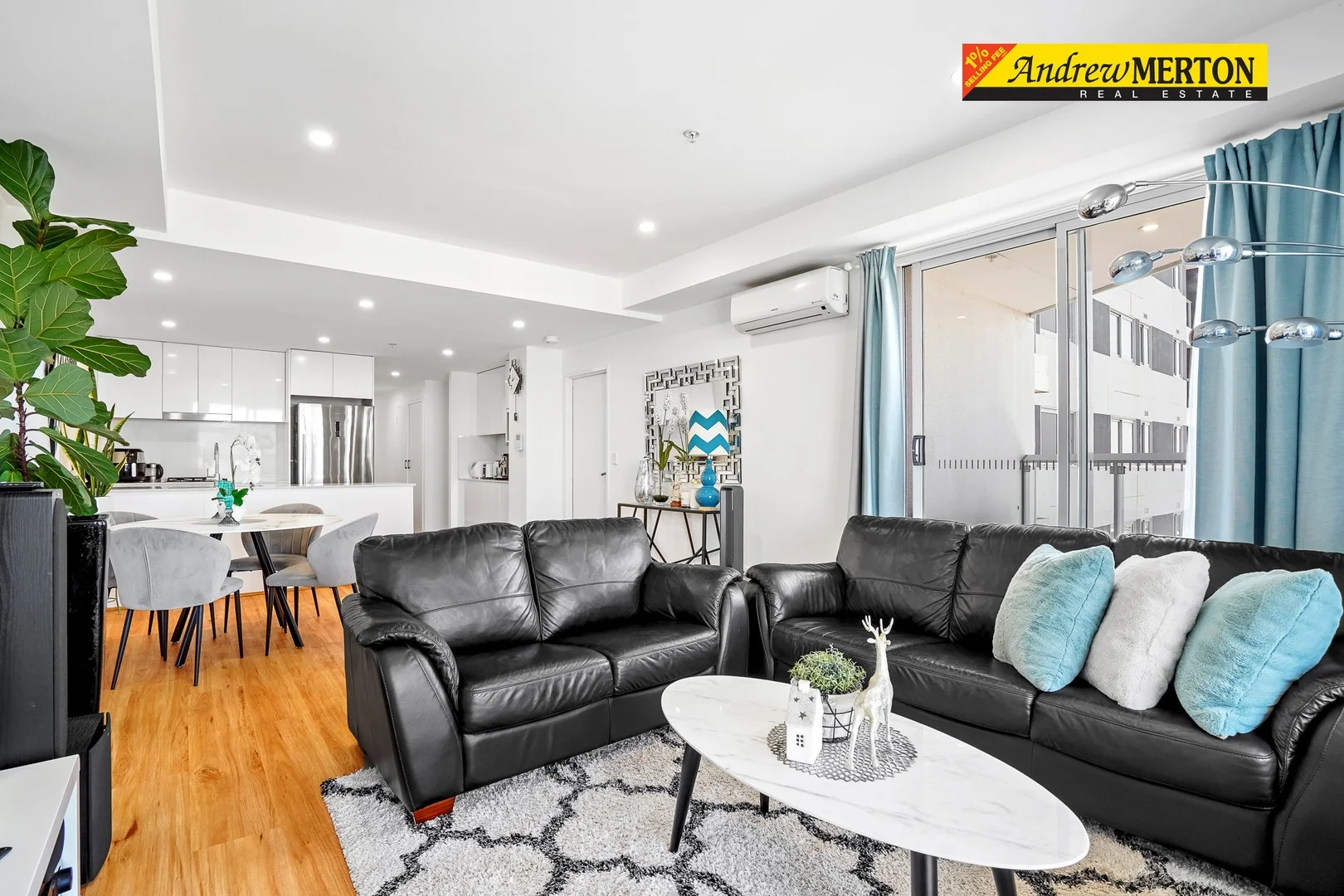 $475,000
Apartment / Unit / Flat
$475,000
Apartment / Unit / Flat
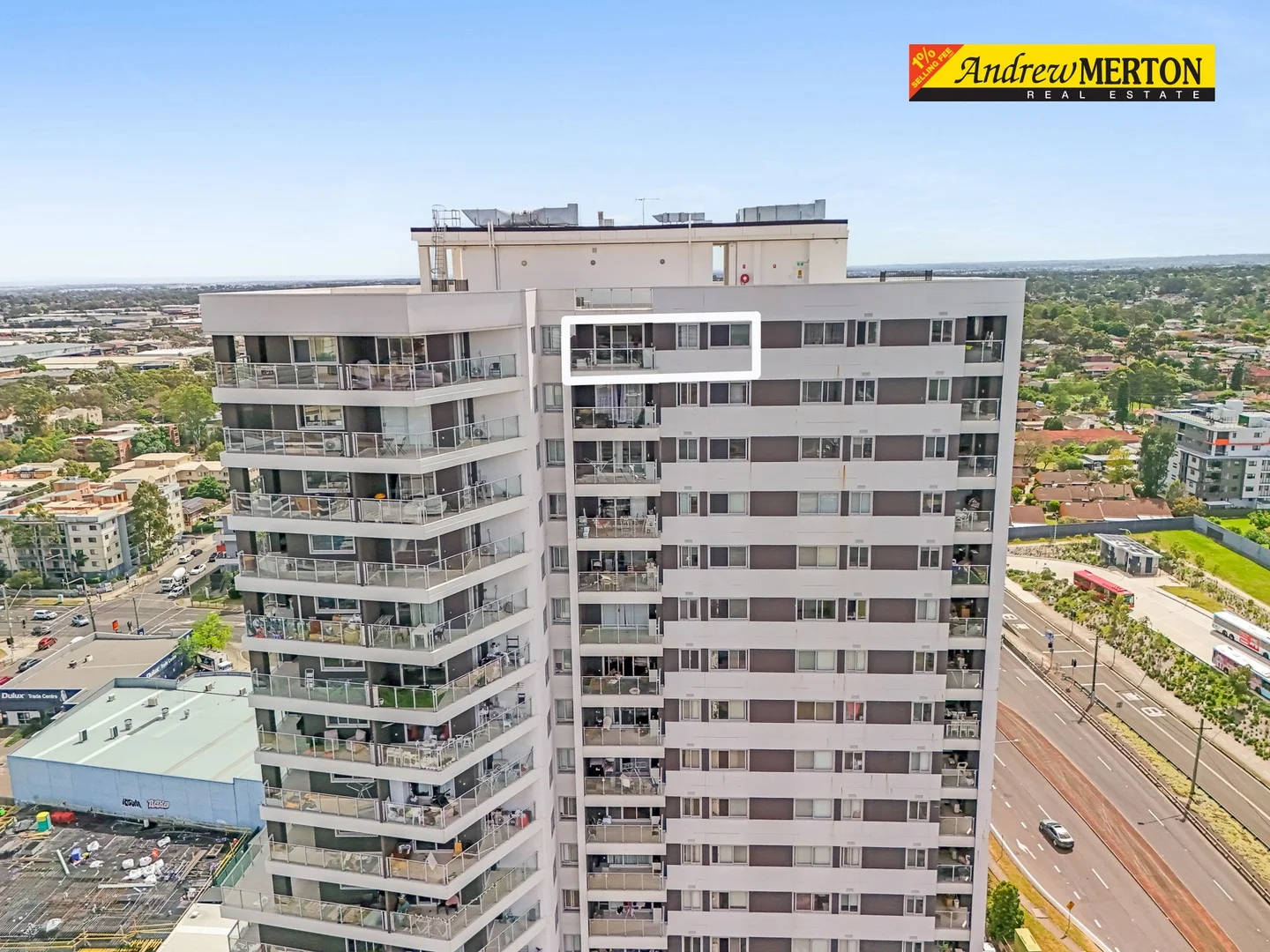 $399,900
Apartment / Unit / Flat
$399,900
Apartment / Unit / Flat
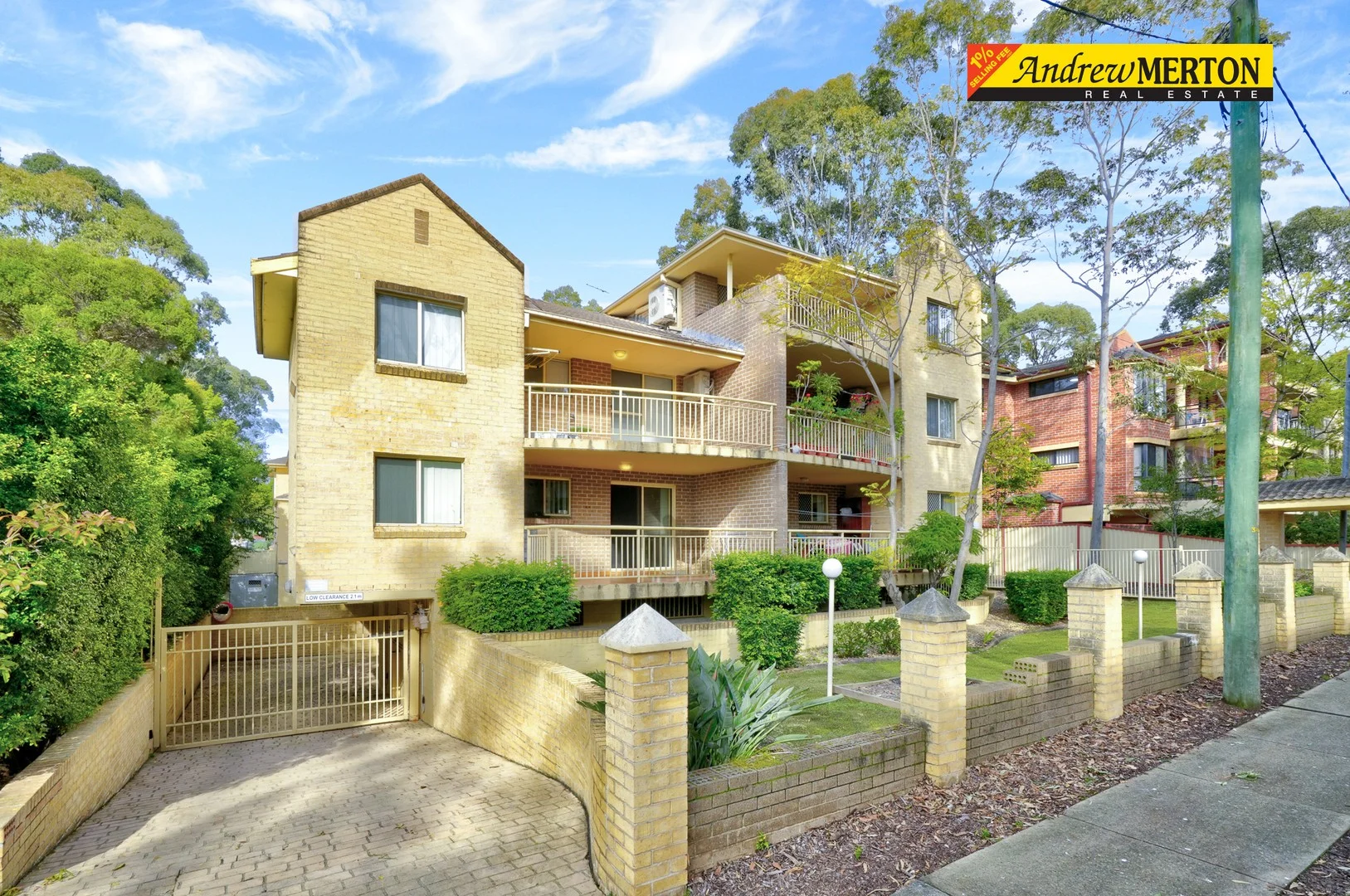 $530,000
Apartment / Unit / Flat
$530,000
Apartment / Unit / Flat


